



What is the Da Vinci Robotic Surgery System? In Which Surgeries is it Used? What are its Advantages?
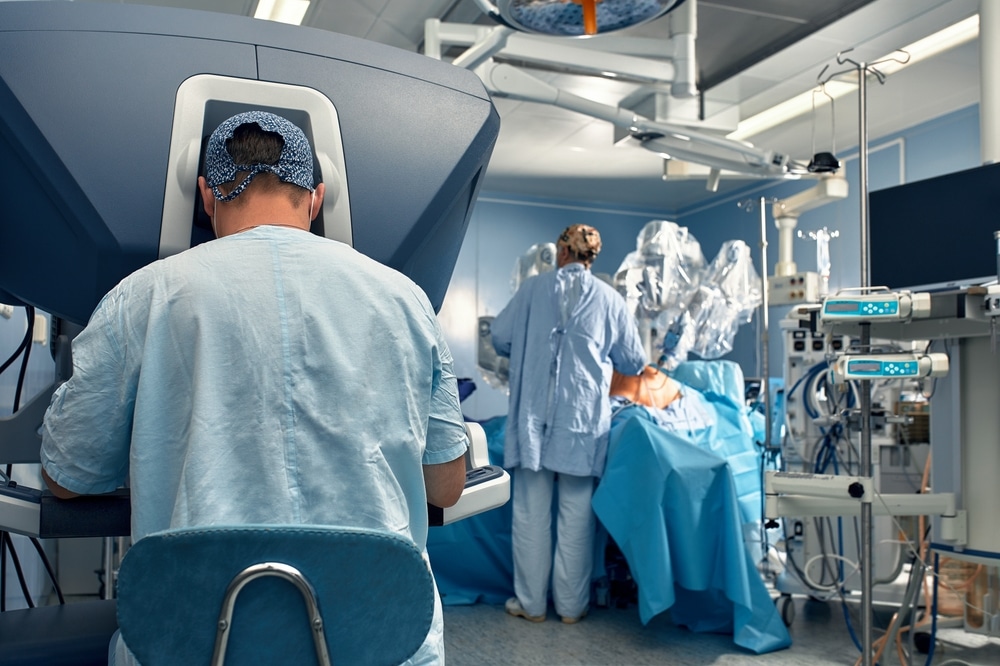
Robotic surgery is the most advanced form of minimally invasive (closed) surgery. Thanks to high-resolution 3D cameras and robotic arms with much greater mobility than the human wrist, which the surgeon manages from a console, work is performed with millimetric precision even in the narrowest areas.
The operation takes place entirely under the surgeon’s control. The robot only perfects the surgeon’s hand movements, eliminating tremors and maximizing the safety of the operation.
The Da Vinci Robotic Surgery System is an advanced technology successfully used in over 17.6 million surgeries worldwide. Receiving FDA approval in 2000, this system allows surgeons to perform operations through smaller incisions. As a result, the post-operative recovery time is shortened and the risk of infection is reduced. In this article, we will examine in detail what the robotic surgery system is, which surgeries it is used for, and the advantages it offers you. Additionally, we will answer questions about the surgeon’s role in the robotic system and frequently asked questions.
What is the Da Vinci Robotic Surgery System?
Da Vinci robotic surgery is a minimally invasive method that allows surgeons to reach organs and tissues inside the patient’s body through small incisions. In this system, the person performing the surgery is not a robot, but an advanced technology that assists the surgeon. The surgeon sits at a special console and performs the surgery by controlling robotic arms.
The most important feature of the system is that it transfers the surgeon’s hand movements to surgical instruments in real-time. Robotic arms can perform precise and tremor-free movements that the human hand cannot. Thanks to the imaging system, the surgeon sees the operation site with high-resolution 3D images magnified 10 times more than the human eye.
In Which Surgeries is Da Vinci Robotic Surgery Used?
The Da Vinci robotic surgery system is safely used in many different branches. Thanks to its minimally invasive features, surgeries are performed in a wide range from urology to gynecology, and from cardiac surgery to thoracic surgery.
Urology
Urology is the field where robotic surgery is most commonly used. Prostate cancer surgeries (radical prostatectomy) are among the most frequent operations performed with this system. Surgeons remove the prostate with millimetric movements and tremor filters under 3D magnified imaging.
Kidney tumor surgeries are also successfully performed with the robotic system. These procedures, called partial or radical nephrectomy, involve the partial or complete removal of the kidney. In addition, the Da Vinci robot is used in operations such as bladder cancer, ureteropelvic junction obstructions, and kidney transplantation.
Urological Surgery Articles
Our Robotic Surgery Urology Doctors


General Surgery
The robotic system is frequently used in general surgery. Effective results are obtained in the treatment of colorectal cancers, diverticular diseases, and inflammatory bowel diseases. Nerve preservation features provide a great advantage in rectal surgery.
General Surgery Articles
Our Robotic Surgery General Surgery Doctors


Gynecological Oncology
Robotic surgery is widely preferred in gynecological operations. Uterine cancer and cervical cancer surgeries, hysterectomy (removal of the uterus), and myomectomy (removal of large fibroids) are performed with the robotic system.
Endometriosis treatment and ovarian cyst surgery are also among robotic surgical methods. Robotic surgery offers significant advantages to surgeons, especially in delicate interventions such as suspension of the uterus and vagina. According to 2013 data, the number of robotic surgeries performed in women’s diseases is even higher than urology surgeries.
Gynecological Oncology Articles
Our Robotic Surgery Gynecological Oncology Doctors

Thoracic Surgery Operations
Lung cancer surgeries are successfully performed with robotic surgery. Robotic surgery can be applied in all types of lung cancer considered suitable for surgery. Removal of lung nodules, treatment of mediastinal masses and cysts, thymus gland tumors (thymoma), and diaphragm surgery are the areas where the robotic method is most frequently used.
Robotic surgery is technically more advantageous than open and closed methods. Robotic arms can instantly apply the hand and wrist movements of a human.
Thoracic Surgery Articles
Our Robotic Surgery Thoracic Surgery Doctors
Cardiovascular Surgery
Robotic surgery is widely used in cardiovascular diseases. Interventions such as mitral valve repairs, coronary bypass, rhythm disorders, and repair of heart holes are performed with the Da Vinci system. In valve surgeries, the operation is performed by opening a 2-3 cm incision.
Cardiovascular Surgery Articles
Our Cardiovascular Surgery Doctors

Head and Neck Surgery
The robotic system is revolutionary in head and neck surgery. Laryngeal cancers, oral tumor removal, and tongue base surgery are performed with robotic surgery. Thanks to the robot’s versatile arms and 3D imaging feature, tissues that are difficult to reach can be safely intervened.
Robotic surgery also stands out in the treatment of sleep apnea. In patients with an enlarged tongue base or long epiglottis, surgery can be performed through the mouth with the robot, without any external incision.
Head and Neck Surgery Articles
Our Head and Neck Surgery Doctors






What are the Advantages of Da Vinci Robotic Surgery?
Robotic surgery technology offers significant benefits to both surgeons and patients. Thanks to this system, surgeries become safer, more precise, and more comfortable.
Advantages for Surgeons
Surgeons perform the surgery by sitting at a special console. This ergonomic position reduces physical fatigue during long operations. Working comfortably instead of standing increases concentration levels and lowers stress levels.
The high-resolution 3D camera system shows the surgical site magnified 10 times. Areas that cannot normally be seen with the naked eye can be examined closely. Thanks to this feature, small vessels, nerves, and delicate tissues are seen clearly. Since depth perception is provided, the surgeon can evaluate the surgical area holistically.
Robotic arms perform movements that the human hand cannot. The arms can rotate at a 720-degree angle and do not tremble. Physiological tremors in the surgeon’s hand are completely filtered by the system. Thus, it becomes possible to work with millimetric precision. Additionally, robotic arms can apply a person’s hand and wrist movements instantly.
Since multiple robotic arms can work simultaneously, techniques that are normally complex or impossible to perform become easier. Since the surgeon controls the camera himself, he can see any part of the surgical area he wants at any moment.
Advantages for Patients
Da Vinci robotic surgery provides many advantages for patients:
- Small incisions: Surgeries are performed through holes of a few millimeters. This results in less scarring and a better aesthetic appearance.
- Less pain: Because small incisions are used, post-operative pain is minimal. Patients use fewer painkillers.
- Low blood loss: The ability to see even the smallest vessel in high resolution and control it instantly greatly reduces blood loss. Blood transfusions are not required in most operations.
- Fast recovery: Less tissue damage speeds up the recovery period. Patients return to their daily lives in a shorter time.
- Short hospital stay: The length of hospital stay is significantly reduced compared to open surgeries. Early discharge is possible.
- Low infection risk: Small incisions reduce the risk of infection. Since robotic arms can be disinfected more effectively than human hands, the surgical site is kept more sterile.
There is a particularly important advantage in cancer treatments. Post-operative chemotherapy or radiotherapy can be started earlier in patients who require these treatments.
Differences Compared to Traditional Surgery
In open surgery, a large incision is made in the abdominal area. This situation causes more pain in the post-operative period. In robotic surgery, the procedure is carried out through several small holes in the abdomen. Therefore, patients get up and are discharged sooner.
In laparoscopic surgery, the surgeon works under a two-dimensional image. Da Vinci robotic surgery, on the other hand, provides three-dimensional imaging. This feature gives the surgeon a sense of depth. Furthermore, while the mobility of instruments is limited in laparoscopic surgery, robotic arms can move flexibly in all directions.
Since geometrically more accurate and clear surgical repairs can be made, more successful results are obtained in functional and cosmetic terms. Especially in prostate and bladder cancer surgeries, vascular and nerve structures are better preserved. For this reason, post-operative urinary incontinence or erectile dysfunction problems are seen much less frequently.
Frequently Asked Questions About Da Vinci Robotic Surgery
Where are the Surgical Incisions?
The location of incisions in robotic surgery varies according to the type of operation performed. In abdominal or pelvic region surgeries, 4-5 small incisions are made around the navel and in the lower abdomen. In thoracic surgery, 4-5 small incisions are created between the ribs.
These incisions are usually 0.5-1 cm in size. In some surgeries, 8-15 millimeter holes are opened. It provides an aesthetic advantage as it leaves minimal scars after the surgery. With the Da Vinci Single Port system, the surgery is performed through a single small incision, entering about 2.4 cm. This situation ensures a reduction in visible surgical scars.
How Long is the Surgery Duration?
The duration of robotic surgeries varies according to the type of operation and the patient’s condition. The robotic surgery procedure usually takes between 1 to 4 hours, including the setup of the system.
Prostate or uterine surgery takes 2-4 hours, kidney or colon surgery takes 3-5 hours, and cardiac surgeries take 4-6 hours. While an average robotic prostate surgery takes between 2 and 3 hours, in some cases this period can drop to 90 minutes or extend up to 4 hours. The surgeon’s experience, the patient’s anatomical structure, and additional procedures to be performed affect the duration of the surgery.
How is the Post-Operative Recovery Process?
The recovery process after Da Vinci robotic surgery is faster and more comfortable than traditional open surgery. The length of hospital stay is between 1 to 4 days depending on the surgery. After most robotic surgery procedures, patients stay in the hospital for 1 to 4 days. Approximately 95% of patients go home on the second day after surgery.
Pain control is provided within the first 24-48 hours after surgery. Since there are no large incisions, the pain level is low. Painkillers are given intravenously or in pill form on the first day. It is usually easily controlled with mild painkillers.
Patients start walking a few hours after the surgery or the next morning at the latest. Early mobilization is important for recovery and reducing the risk of clots. Nutrition starts on the same day or the next day after the surgery. When bowel movements start, liquid foods are started, and solid foods are switched to in a short time.
Approximately 90% of patients return to their routine work by the 3rd week after surgery. According to the experience of international centers in the Da Vinci SP approach, return to daily life is targeted with a hospital stay usually less than 24 hours and earlier mobilization.
Can Remote Surgery Be Performed?
Theoretically, it is possible for a surgeon to perform an operation from another city or country with the Da Vinci robotic surgery system. However, even in live broadcasts, there is a problem such as the transmission of the image to the other side with a delay of a few seconds. Since such delays can create risks in sensitive surgical interventions, remote operation is not considered practically applicable for now.
Despite this, advancements in technology are promising. Surgeons have managed to operate on a patient 17,000 kilometers away with a remotely controlled robotic system. The operation, performed with a high-speed 5G connection and a millisecond delay, was successful both technically and in terms of medical results. When delay problems are resolved with technological advances, remote surgical operations may become safer.