



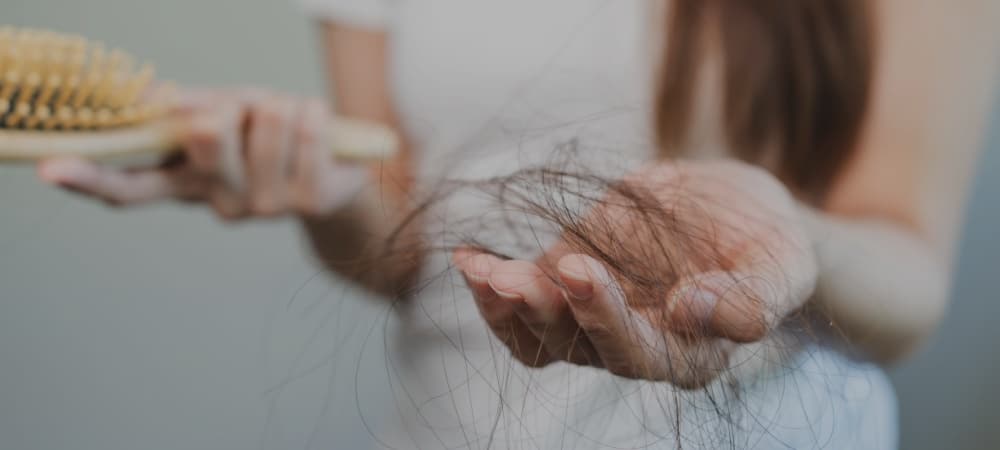
Don’t Let Your Hair Fall Out During Chemotherapy!
Chemotherapy is effective in treating cancer, but it can cause hair loss, which can be challenging for many patients. This situation can significantly impact patients’ self-esteem and quality of life, leading to emotional distress. Fortunately, recent advancements in medical technology have introduced innovative methods to reduce hair loss during chemotherapy. One of these methods is the scalp cooling cap.
What is a Scalp Cooling Cap?
Also known as a hair hypothermia system, the scalp cooling cap is a special type of cap designed to lower the temperature of the scalp during chemotherapy treatments. This cap aims to slow down or prevent hair follicles from entering the shedding phase by lowering the temperature. The approach, known as cryotherapy, can significantly reduce hair loss in some patients. The device is connected to a cooling system and consists of a helmet-like cap. Modern scalp cooling caps are generally made from lightweight, medical-grade materials. The caps come in different sizes to provide high efficiency tailored to the individual.
How Does the Scalp Cooling Cap Work?
The scalp cooling cap works by circulating a coolant through tubes within the cap. The circulating fluids are typically a mixture of water and glycol. The liquid is cooled below freezing point and then circulated around the scalp. This process lowers the scalp temperature to about 18-22°C, creating a localized hypothermic state. The low temperature reduces the metabolic rate of hair follicles, making them less affected by chemotherapy drugs. The combination of reduced blood flow and slowed cell metabolism helps protect hair follicles during treatment.
Who Can Use the Scalp Cooling Cap?
While the scalp cooling cap is suitable for many cancer patients, it is not appropriate for everyone. Candidates for the cooling cap include:
- Patients Undergoing Chemotherapy: Patients receiving chemotherapy drugs that cause hair loss may benefit from the scalp cooling cap, but not all chemotherapy drugs are suitable for this method, so patients should discuss with their doctors whether it is appropriate for their treatment plans.
- No Scalp Diseases: There should be no pre-existing skin disease on the scalp for cap usage. Skin diseases can reduce the effectiveness of the cap or lead to side effects.
- Receiving Low to Moderate Dose Chemotherapy: High-dose chemotherapy drugs may limit the effectiveness of the scalp cooling cap. Therefore, better results are generally observed in patients receiving low and moderate doses of chemotherapy.
- Those Who Want to Protect Their Hair: For aesthetic or psychological reasons, those who want to prevent hair loss may consider the scalp cooling cap as an option.
Are There Side Effects of the Scalp Cooling Cap?
Yes, there can be some side effects of the scalp cooling cap. These are generally mild and temporary, but they can be uncomfortable for some patients. Possible side effects of the scalp cooling cap include:
- Headache: The pressure and coldness applied to the scalp by the cooling cap can lead to headaches. Patients with migraines may feel the headache more intensely.
- Shivering and Cold Sensation: Patients may experience shivering or a feeling of cold because the body generally feels cold during treatment. This is one of the most common side effects of cap usage.
- Dizziness or Nausea: Some patients may experience dizziness, nausea, or a feeling of lightheadedness.
- Scalp Pain or Sensitivity: The cap may cause pain or sensitivity in some areas of the scalp due to its tight fit. The sensation of sensitivity often occurs in areas where the cap applies pressure.
- Skin Irritation or Cold Burn: In rare cases, improper use of the cap can lead to skin irritation or cold burn on the scalp. Proper placement and regular monitoring of the cap can reduce the risk of irritation.
How to Prevent Hair Loss with the Scalp Cooling Cap?
To effectively prevent hair loss, it is crucial to use the scalp cooling cap correctly. The cap should fit snugly to cover the entire scalp. Loose or empty areas can reduce the effectiveness of the cooling process, allowing chemotherapy drugs to reach the hair follicles. Timing is also critical. The cap should be put on at least 30 minutes before chemotherapy starts and should be used throughout the treatment and for a while afterward without being removed. Skipping these steps or removing the cap early can diminish its protective effects.
Additionally, taking care of the hair during chemotherapy can further improve results. Patients should avoid heat-styling tools, harsh shampoos, or hair dyes during treatment. Gently washing the hair and allowing it to dry naturally, combined with the effects of the cooling cap, can contribute to hair protection.
What is the Success Rate of the Scalp Cooling Cap?
The success rate of the cooling cap varies depending on factors such as the type of chemotherapy, dosage, and the individual patient’s response to treatment. Studies show that scalp cooling reduces hair loss in 50% to 70% of patients undergoing chemotherapy. While some patients may only experience partial hair loss or thinning, others may retain a significant amount of their hair. However, these results can vary for each patient.
How to Prepare for Using the Scalp Cooling Cap?
Using the scalp cooling cap requires both physical and mental preparation. First, it is important for the scalp and hair to be clean before putting on the cap. Oily hair or scalp can negatively affect the cooling process, so it is recommended to wash the hair with a mild shampoo before treatment. Hair products should not be used as they can reduce the effectiveness of the cap.
To prevent feeling cold during treatment, you may want to bring warm clothing or a blanket. Wearing comfortable, loose-fitting clothes can also help patients relax during treatment.
It is important to be prepared for the possibility that the cooling cap may not completely prevent hair loss. Patients should keep in mind that they may lose some of their hair and be mentally prepared for this.
Frequently Asked Questions
Does the Scalp Cooling Cap Hurt?
The scalp cooling cap generally does not cause pain, but during the first 15-20 minutes, there may be a strong feeling of cold and mild headache. This sensation is temporary, and most patients get used to it over time. Some patients may experience a mild pressure sensation. If discomfort is felt, warm beverages and blankets can help. It is important to consult your doctor in case of severe pain.
Is it Possible to Completely Prevent Hair Loss During Chemotherapy?
It may not always be possible to completely prevent hair loss; the success rate depends on the chemotherapy drugs used and personal factors. However, the scalp cooling cap provides significant hair protection in 50-80% of patients. Some patients experience minimal hair loss, while others may have partial thinning. Nevertheless, it is possible to significantly reduce hair loss.
What Should Be Considered When Using the Scalp Cooling Cap?
The most important point to consider when using the scalp cooling cap is that it should fit tightly against the scalp. A loose cap may not efficiently perform the cooling process. The cap should be worn for specific periods during and before treatment. To prepare for the cold, warm clothing should be worn, and the scalp should be clean before using the cap. If the cap causes excessive discomfort, medical personnel should be consulted.
Who Should Not Use the Scalp Cooling Cap?
Patients with blood cancers such as leukemia or lymphoma, those with cold agglutinin disease, severe migraine sufferers, and patients with scalp metastasis should not use this treatment. Additionally, those with liver failure, thrombocytopenia, cryoglobulinemia, and patients scheduled for bone marrow transplants are also not suitable for this treatment. Furthermore, patients with skin diseases on the scalp or those receiving high doses of chemotherapy may also not be suitable. Doctors evaluate the patient’s condition and treatment plan to determine the appropriateness of cap usage.
Are There Other Methods to Prevent Hair Loss During Chemotherapy?
In addition to scalp cooling, topical treatments, vitamin supplements, and special hair care products can be used. However, the effectiveness of alternative methods is limited. Gently brushing the hair, avoiding chemical treatments, and maintaining a balanced diet support hair health. Some patients may prefer to use herbal oils and natural masks.
Can Hair Be Dyed While Using the Scalp Cooling Cap?
Hair dyeing is not recommended during treatment because chemical processes can weaken hair follicles and reduce the effectiveness of the treatment. Hair dyeing should be done at least two weeks before treatment and at least three months after treatment ends. Keeping the hair as natural as possible during treatment contributes to hair protection.
Does the Scalp Cooling Cap Affect Hair Quality?
The scalp cooling cap does not directly negatively affect hair quality, but during the treatment period, hair may become more sensitive and fragile. Some patients may experience temporary changes in hair texture. During treatment, hair may appear thinner and softer. Generally, hair quality returns to normal over time after treatment.
Can the Scalp Cooling Cap Be Used at Home?
The scalp cooling cap should only be used in a hospital setting under the supervision of trained healthcare personnel. The treatment requires special equipment and continuous monitoring, making home use impossible. Additionally, the cap must be applied at the correct temperature and duration, requiring professional oversight. Home cooling methods are not recommended.
What is the Cost of the Scalp Cooling Cap Treatment?
The cost of the procedure varies based on the duration of treatment and the number of sessions. Some health insurance plans may cover the treatment partially or fully. While some private hospitals charge per session, others may offer package programs. It is important to discuss coverage details with your insurance company before treatment.
When Do Hair Return to Normal After Scalp Cooling Cap Treatment?
It typically takes 3-6 months for hair to fully return to normal after treatment. New hair growth begins within the first few months, but the hair structure and color may temporarily differ. The return to the previous strength and appearance of hair varies from person to person. Paying attention to regular care and nutrition can accelerate the recovery process.
You can use the scalp cooling cap to prevent hair loss and feel better during the chemotherapy process. For more information, please make an appointment or visit the contact page.