



Thyroid biopsy is a diagnostic procedure performed to evaluate whether nodules in patients with thyroid nodules are cancerous. Thyroid biopsy is usually performed as fine needle aspiration. If the biopsy results show that the nodules are malignant, i.e., cancerous, the nodule may need to be surgically removed without delay.
What is Thyroid Biopsy and When is it Applied?
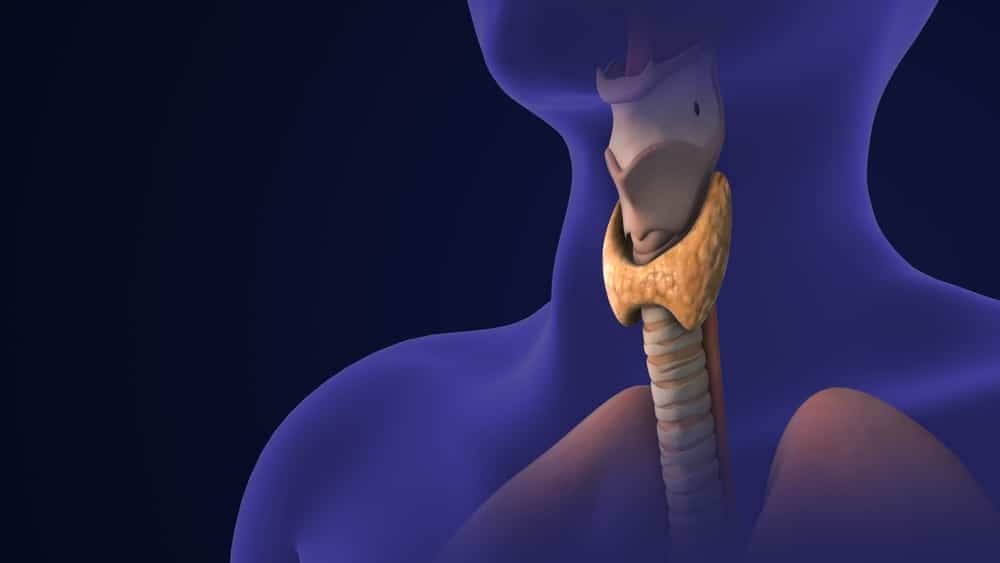
Thyroid biopsy is the process of obtaining a tissue sample from the thyroid gland through fine needle aspiration for detailed examination under a microscope. The thyroid gland, located at the front of the neck and resembling a butterfly, is an important organ that plays a role in many body functions, including regulating energy metabolism, digestion, heart rhythm, and reproductive functions. In some cases, abnormal formations called nodules may develop in the thyroid gland. Although most of these nodules are benign, about 5-15% are malignant, i.e., cancerous. Thyroid nodules are more commonly seen in women, older individuals, those with iodine deficiency, and individuals exposed to radiation, and they are often asymptomatic, detected incidentally during routine examinations.
Ultrasonography plays an important role in the evaluation of thyroid nodules. With the advancement of ultrasonography devices, even small thyroid nodules can be easily detected. Additionally, specialists can gain insights into the size and structure of the nodule during ultrasound imaging. However, to determine whether the nodule is malignant (cancerous) or benign (non-cancerous), a thyroid nodule biopsy is necessary. The main situations in which thyroid biopsy is performed are as follows:
- When specialists evaluate suspicion of malignancy in the nodule during ultrasonography,
- When the nodule has irregular borders, is solid, or contains calcium around or within it during imaging,
- When the nodule is larger than 1 cm or grows rapidly.
In addition to these, in some cases, individuals with significant pain and rapidly enlarging thyroid glands may be recommended for biopsy even if they do not have nodules.
How is Thyroid Biopsy Performed and What are the Different Types of the Procedure?
Thyroid biopsy is generally performed using minimally invasive methods. In cases where these methods are insufficient or when tissues surrounding the thyroid gland need to be examined due to suspicion of cancer, an open biopsy may be required. Fine needle aspiration: Fine needle aspiration biopsy is the process of obtaining a fluid or cell sample from thyroid tissue using a thin needle under ultrasound guidance. During the biopsy, specialists enter the tissue with a thin needle to collect a sample and place the obtained sample on a special glass slide. This process is repeated 2-6 times using a new needle each time. Since fine needle aspiration is performed with the aid of local anesthesia, patients do not feel any pain during the biopsy. Typically completed within 10 to 20 minutes, fine needle aspiration biopsy is the most commonly used thyroid biopsy method due to its low side effects and high accuracy rate. Studies show that the diagnostic accuracy rate of fine needle aspiration is around 95%.
Thyroid biopsy is generally used to differentiate between cancer and other health issues. Thanks to the biopsy, conditions such as Hashimoto’s disease, benign colloid nodules, and other diseases of the thyroid gland can also be diagnosed.
What is the Patient Preparation Process Before Thyroid Biopsy?
The preparation for thyroid biopsy may vary depending on the type of biopsy to be performed. Patients scheduled for fine needle aspiration can eat and drink normally before the procedure and continue their daily activities. However, some patients may request sedation to feel more comfortable during the procedure. In this case, it may be necessary to stop eating and drinking for a while before the biopsy. Additionally, anticoagulant medications can increase the risk of bleeding during and after the procedure. It is important for those using anticoagulant medications for any reason to share this with their doctors. In some cases, it may be necessary to stop medications under medical supervision for a while before the procedure.
On the day of the procedure, it may help patients feel more comfortable if they come wearing a loose-fitting, collarless outfit.
What are the Risks and Complications that May Occur During and After Thyroid Biopsy?
Although thyroid biopsy is a safe procedure, as with any interventional procedure, some complications may develop during and after the procedure. The most common risks of thyroid biopsy include pain and bruising at the site of the procedure. Specialists may prescribe some pain relief medications to minimize complications such as pain after thyroid biopsy. Additionally, some patients may experience bleeding, which usually heals on its own within a short time. One of the rare complications of thyroid biopsy is the formation of a cyst in the nodule. If complications such as pain and bruising persist for a long time after the biopsy and are accompanied by symptoms like high fever, it is important to seek medical attention without delay.
How Long Does it Take for Thyroid Biopsy Results to Come Out and How are They Evaluated?
The results of a thyroid biopsy generally come out within 1 to 2 days, depending on the type of procedure performed. The pathology report provides important information about whether the tissue sample contains cancer cells. Possible biopsy results that may be included in the pathology report are as follows:
- Benign: The presence of the term benign in the pathology report means that the nodule is not cancerous and is benign. Approximately 70% of biopsy results are in this form. In this case, treatment is usually not required, but specialists monitor the nodule with ultrasound every 12 months. If there is abnormal growth, a repeat biopsy may be necessary.
- Malignancy: If the report states malignancy, this indicates that the nodule is cancerous. About 3 to 7% of all biopsies show signs of malignancy. Patients diagnosed with cancer through thyroid biopsy need to have the nodule surgically removed.
- Suspicious: The presence of the term suspicious in the report means that it cannot be definitively determined whether the nodule is cancerous, but the risk of malignancy is between 60 and 75%. In this case, additional tests may be required.
- Indeterminate atypia: In this case, the nodule may have both benign and malignant characteristics. Approximately 5 to 15% of nodules in this category may be cancerous. Therefore, specialists may decide to surgically remove the nodule if necessary.
- Follicular neoplasia: This indicates that it cannot be definitively known whether the nodule is benign or malignant without surgical intervention. About 15 to 30% of nodules diagnosed with follicular neoplasia may be cancerous.
In addition to the above, in some cases, the obtained sample may not contain enough tissue for examination. In this case, the biopsy may need to be repeated.
Frequently Asked Questions
Is Thyroid Biopsy Painful?
During thyroid gland biopsy, the patient does not feel any pain as they are under the effect of local or general anesthesia. It is normal to feel some pain after the anesthesia wears off. Pain relief medications prescribed by the doctor can help control the pain.
What are the Complications of Thyroid Biopsy?
Although thyroid biopsy is generally a safe medical procedure, complications such as pain, bruising, bleeding, and infection may occur.
How Long Does the Thyroid Biopsy Procedure Take?
The duration of the thyroid biopsy may vary depending on the type of biopsy performed. For example, fine needle aspiration is usually completed within 10-20 minutes. In cases where surgical biopsy is performed, the operation may take longer.
How Long Does it Take for Thyroid Biopsy Results?
The results of the thyroid biopsy depend on the type of biopsy performed, the characteristics of the laboratory, and whether additional tests are needed, and they typically come out within 1-2 days.
When Can I Return to My Daily Life After the Procedure?
Patients who undergo fine needle aspiration can return to their daily lives on the same day.
What Should I Pay Attention to After Thyroid Biopsy?
Applying a cold compress after the biopsy can help control pain and bruising at the site of the procedure. Unless otherwise indicated by doctors during the recovery process after thyroid biopsy, patients can continue their daily lives.
Thyroid nodules are commonly seen in individuals who are deficient in iodine. Since the vast majority of these nodules are benign and do not cause any symptoms, they are usually detected only during routine ultrasound imaging. The only way to determine whether a nodule is cancerous is to perform a biopsy.
Do not neglect to schedule regular check-ups with a specialist doctor in your field.