



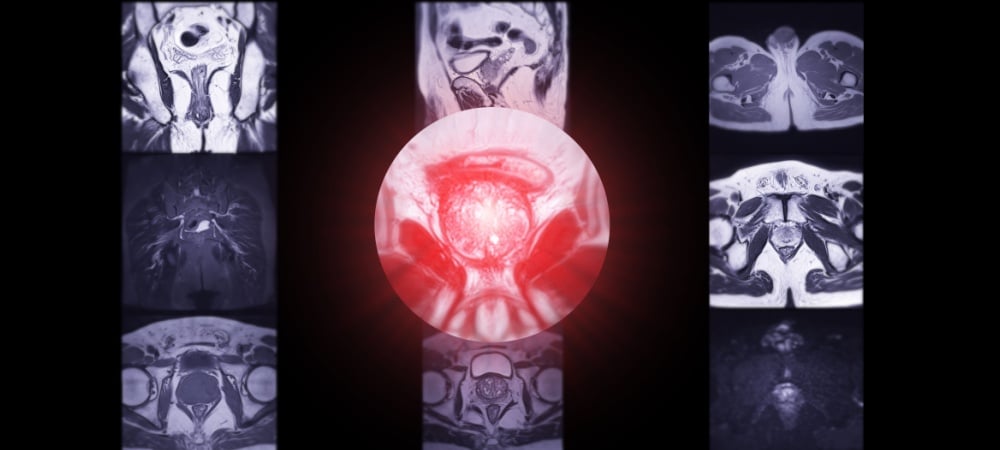
What is Prostate MRI?
Prostate MRI is an advanced imaging method used primarily in men suspected of having prostate cancer. This examination, referred to as Multiparametric Prostate MRI (mp-MRI), aims to detect potential cancerous areas by thoroughly examining the structure of the prostate gland. You can visit our Prostate Examination, Diagnosis, and Imaging Methods page for other imaging options related to the prostate. Thanks to the combination of different imaging sequences of MRI technology, both the internal structure of the prostate is seen in detail, and risky areas can be clearly identified.
Who is Prostate MRI Performed On?
Prostate MRI is commonly preferred in the following situations:
- Patients with high PSA (Prostate-Specific Antigen) test results
- Those with abnormal findings detected during a digital rectal examination
- Patients where cancer was not detected in a previous biopsy but suspicion continues
- Patients diagnosed with prostate cancer who want to determine the spread of the cancer
- In patients planned for biopsy, to identify the correct area for sampling
It can also be performed upon the physician’s recommendation for men in high-risk groups (over 50 years old, those with a family history, etc.). In individuals with a family history, the risk of prostate cancer may increase.
What Does Prostate MRI Provide?
With Prostate MRI:
- Potential cancerous areas within the prostate can be detected with over 90% accuracy.
- Unnecessary biopsies can be avoided. Diagnosis accuracy is increased by taking biopsies only from suspicious areas (targeted biopsy).
- It can be determined whether the cancer has spread outside the prostate.
- It becomes possible to guide the treatment process.
Among MRI-supported biopsy procedures, MR Fusion Prostate Biopsy is a widely used method today. In modern biopsy methods called fusion biopsy, MRI images play a significant role.
What Does the PI-RADS Score in Prostate MRI Mean?
The PI-RADS score found in prostate MRI reports is used to rate the likelihood of cancer in suspicious areas. This system, classified from 1 to 5, helps us understand the risk level of prostate cancer:
- PI-RADS 1: Very low cancer risk
- PI-RADS 2: Low risk
- PI-RADS 3: Moderate suspicion
- PI-RADS 4: High suspicion
- PI-RADS 5: Very high likelihood of cancer. In such cases, Prostate Embolization or other treatment options may be considered.
This score provides important information about which patient should undergo a biopsy or what kind of follow-up plan should be followed.
Is Prostate MRI a Painful Procedure?
No, Prostate MRI is not a painful procedure. During the procedure, the patient simply remains still inside the MRI machine. In some scans, a contrast agent (medication) may be administered intravenously, which is generally a tolerable process. If a biopsy is to be performed, this procedure is planned separately and is carried out under local or general anesthesia.
When Are Prostate MRI Results Available?
Prostate MRI results are usually ready within 1-3 business days. The images are evaluated by experienced radiologists, and a detailed report is prepared. This report helps your urologist guide your diagnosis and treatment process.
Frequently Asked Questions (FAQ)
Is Prostate MRI performed in every hospital?
No. Prostate MRI requires high-resolution imaging and special software, so this procedure should only be performed in advanced Prostate Health Clinics.
Does Prostate MRI diagnose cancer?
MRI images provide important clues regarding cancer suspicion. Conditions that may cause suspicion include Prostatitis (Prostate Inflammation) and other infection-related disorders. However, a biopsy is required to obtain a tissue sample for a definitive diagnosis.
For More Information About Prostate MRI
Prostate MRI is an extremely important and reliable diagnostic method for evaluating prostate health. If you have elevated PSA levels, suspect prostate cancer, or your physician has recommended this examination, you can consult our expert urology doctors for detailed information and appointments. For detailed information about the treatment process, you can also consider modern approaches such as GreenLight Laser Prostate Vaporization, Rezum Treatment, or TUR System Prostate Treatment.
For detailed information about prostate health, you can contact the specialists at Hisar Hospital Prostate Health Clinic.