



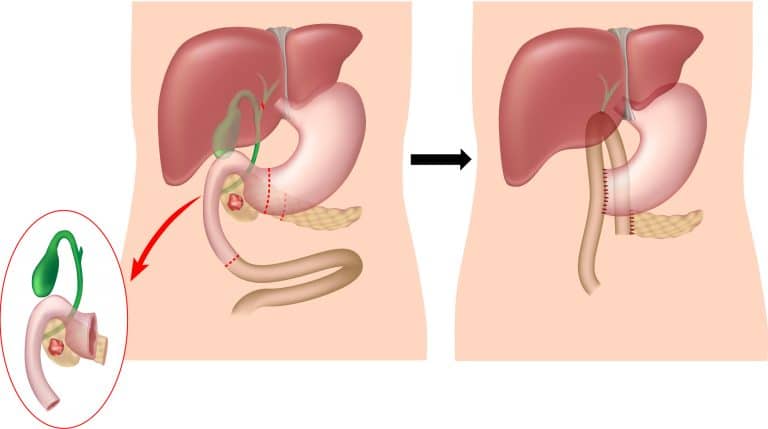
Whipple Surgery
Whipple surgery is a method used in the treatment of conditions such as pancreatic cancer, bile duct cancer, and Ampulla Vater cancer. The duration of the surgery and the discharge time may vary depending on the patient’s condition and the complexity of the surgery. During the recovery process, pain management, wound care, nutritional regimen, and physical activity management are important for patients. Whipple surgery should be performed by a specialized surgeon. It is important for patients to maintain close communication with their healthcare team before and after the surgery.
What is Whipple Surgery?
Whipple surgery is a surgical procedure that involves the removal of a portion of the pancreas, gallbladder, bile duct, stomach, and duodenum. For the surgery to take place, the head of the pancreas, part of the gallbladder, or bile duct must first be removed. Then, the cut portion of the duodenum is separated, and the ends of the pancreas and bile duct are joined together. This process ensures the continuation of bile flow. Patients with pancreatic and bile duct cancer are particularly suitable for this surgery. Pancreatic cancer is a disease that needs to be diagnosed early. With early diagnosis, necessary treatment methods can be applied before the disease progresses, minimizing complications. Individuals with a family history of pancreatic cancer should also undergo regular screenings for early diagnosis. Whipple surgery is performed to control cancer, remove tumors, and restore bile flow. Whipple Surgery: In Which Situations and for Whom is it Performed?
Whipple surgery can be an effective method, especially in the treatment of various cancers. It helps improve the patient’s quality of life. Conditions in which Whipple surgery is applied include:
- Pancreatic Cancer: Pancreatic cancer occurs due to the uncontrolled growth of tumor cells in the pancreas. The pancreas is responsible for producing important hormones such as digestive enzymes and insulin. Although cancer in this organ may not initially develop symptoms, it can lead to various signs over time. Whipple surgery is a procedure used in the treatment of pancreatic cancer.
- Ampulla Vater Tumor: The ampulla of Vater is the area where the bile duct and pancreatic duct open into the duodenum. The growth of ampullary cancer can cause it to spread to nearby organs. Therefore, it may be necessary to remove this area with Whipple surgery.
- Bile Duct Cancer: Bile duct cancer is a type of cancer that develops in the cells of the bile ducts or gallbladder. These cancer cells can obstruct bile flow and lead to symptoms that closely affect the digestive system. Additionally, the cancer may begin to spread to other organs. Whipple surgery helps control cancer that develops in this area.
- Obstruction and Inflammation: An obstruction or inflammation in the pancreas, gallbladder, or bile duct can cause various health issues for the individual. Whipple surgery helps alleviate symptoms by resolving this obstruction.
How is Whipple Surgery Performed?
Before Whipple surgery, certain tests may need to be conducted. These tests may include blood tests, imaging methods (MRI, CT scan, PET), lung function tests, and heart evaluations. A biopsy procedure is usually performed before Whipple surgery. A biopsy involves taking tissue from the tumor area to diagnose cancer. However, in some cases, Whipple surgery can be performed directly without a biopsy. Additionally, it may be necessary to consult a nutritionist to modify the nutritional regimen before surgery. The surgery typically lasts 4-8 hours and is performed under general anesthesia. The surgeon makes incisions in the abdominal area to access the region and carefully removes the necessary parts of the pancreas, gallbladder, bile duct, or duodenum. Then, the necessary pathways for reconstructing the bile duct are created. The steps of the surgery can be listed as follows:
- The surgeon makes appropriate incisions in the abdominal area to perform the surgery. These incisions are usually made along the midline of the abdomen.
- Through the incisions, the surgeon carefully removes the head of the pancreas, gallbladder, part of the bile duct, and sometimes a part of the stomach or duodenum to eliminate cancerous tissues.
- Connections necessary for reconstructing the bile duct are made in place of the removed organs. This step is important for ensuring bile flow and returning the digestive process to normal.
- After the surgery, the surgeon carefully closes the incisions and stitches them up.
After Whipple surgery, patients may experience changes in their digestive system. The surgeon may typically refer the patient to a nutritionist to determine a post-operative nutrition plan. Initially, liquid foods may be introduced, followed by a gradual transition to solid foods. During the recovery process, topics such as pain management, wound care, and nutrition planning are important. It is essential to gradually increase physical activity and proceed according to the doctor’s instructions.
Whipple surgery is a serious operation, and the development of some complications is possible. The complications that arise can negatively affect the patient’s recovery process. At the same time, the individual’s digestive system enters a recovery phase after the surgery. It may take time for stomach and intestinal functions to return to normal. During this process, proper nutrition should be maintained, and the health of the digestive system should be monitored through regular doctor check-ups. As with any surgery, pain may develop after Whipple surgery. Necessary medications for pain management are prescribed by the doctor. If the surgery is not performed carefully, it can seriously adversely affect the individual’s health. Therefore, the expertise of the surgeon performing the surgery and the hospital’s infrastructure is very important. Whipple surgery can be successfully performed with the expert staff of Hisar Hospital.
Frequently Asked Questions About Whipple Surgery:
What is the recovery time after Whipple surgery and how many days do patients stay in the hospital?
Whipple surgery has a long recovery process, and patients are generally discharged within 1-2 weeks after the surgery. Complete recovery usually takes 6-8 weeks. The success rate of the surgery may vary depending on the stage of cancer, the patient’s overall health condition, and the surgeon’s experience. This surgery is an effective method for removing cancerous tissue and improving the patient’s quality of life.
What is the success rate of Whipple surgery and since when has this surgery been performed?
The success rate of Whipple surgery may vary depending on the patient’s condition, the stage of cancer, the spread of cancer, and the surgeon’s experience. Generally, the success rate of Whipple surgery may be higher in early-stage pancreatic cancer cases. Post-operative survival rates also vary based on the patient’s condition. Whipple surgery is named after Dr. Allen O. Whipple, who first performed it in 1935. Since then, it has become a standard treatment for conditions such as pancreatic, gallbladder, and bile duct cancers. However, the techniques and surgical approaches for the surgery have been developed and improved over time. Before deciding on a major surgical intervention like Whipple surgery, the patient’s condition should be evaluated, and the healthcare team should provide detailed information to the patient.
Can Whipple surgery be performed without a biopsy?
A biopsy is a procedure that helps diagnose and confirm cancer or other diseases by taking a sample from the tissue. It is generally used to determine the type and characteristics of the tumor. A biopsy before Whipple surgery can assist in confirming cancer and determining the treatment plan. However, in some cases, Whipple surgery can be performed without a biopsy. This is because there may be strong clinical and imaging findings suggesting certain types of cancer, necessitating urgent surgery. One advantage of performing Whipple surgery without a biopsy is the rapid removal of cancerous tissue and the initiation of treatment. However, there are also disadvantages to this approach. Performing surgery without a biopsy eliminates the opportunity for a definitive diagnosis of cancer and may affect the treatment plan. Therefore, it is important to make the decision regarding biopsy examination correctly. In every case, the decision to perform or not perform a biopsy should be made by the healthcare team, considering a series of factors such as the patient’s overall health status, medical history, symptoms, and imaging findings.
What are the nutritional processes after Whipple surgery?
After Whipple surgery, patients should generally be fed with liquid foods or nutritional support (enteral nutrition or parenteral nutrition) for the first few days. During this process, the patients’ fluid intake and nutritional needs are monitored. After the surgery, patients enter a recovery phase for their digestive system and gradually transition to solid foods. Initially, small and frequent meals are preferred. It is important to consume soft, easily digestible, and low-fat foods. The nutritionist communicates with the patient to create an appropriate nutrition plan. Since some parts of the pancreas are removed after Whipple surgery, the secretion of pancreatic enzymes may decrease. Therefore, taking enzyme supplements under the doctor’s supervision is important to support digestion and improve nutrient absorption. Additionally, adequate fluid intake should be ensured after the surgery.
Whipple surgery is a serious surgical procedure, and the conditions treated usually lead to serious health issues. Therefore, patients recommended for Whipple surgery should consult a qualified healthcare professional and undergo appropriate evaluations. A specialized doctor assesses the patient’s condition and explains the treatment options to determine the suitability of Whipple surgery. It is also important for patients to receive services from a fully equipped hospital with a multidisciplinary healthcare team to understand and support their needs during the pre-operative and post-operative processes. Patients should maintain close communication with healthcare professionals during this process and follow the correct guidance. Whipple surgery can be successfully performed with the expert staff of Hisar Hospital.