


What is Lung Cancer?
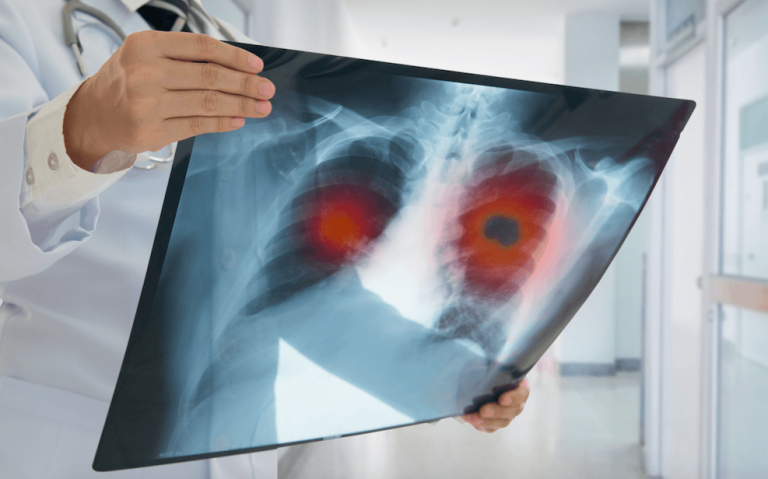
Lung cancer, which progresses insidiously, is one of the most dangerous types of cancer in the world. It occurs as a result of uncontrolled cell proliferation triggering the formation of a mass or tumor in lung tissue. Although the tumor initially forms in the lung, in later stages, it can reach other surrounding tissues such as the liver, brain, bones, and adrenal glands, creating a new threat.
What Are Its Symptoms?
The early symptoms of lung cancer are as follows:
- Persistent cough, especially one that does not go away due to smoking
- Spitting up blood
- Shortness of breath
- Loss of appetite
- Weight loss
- Increased shoulder pain during coughing
- Difficulty eating
- Hoarseness
- Wheezing
Moreover, if cancerous cells spread to other tissues, symptoms such as bone pain, headaches, muscle fatigue, and drooping eyelids may also be observed. Lung cancer may not always show clear symptoms in the early stages; it is a disease that develops slowly over the years. This situation makes the diagnosis of the disease more difficult. Therefore, if you have complaints related to the above symptoms, consulting a doctor without delay can be life-saving.
What Are the Stages of Lung Cancer?
Lung cancer, which is divided into stages according to the size of the tumor and the area it has spread, consists of 4 basic stages.
Stage 1
Cancerous cells are at most 5 cm in size and are found only in the lymph nodes.
Stage 2
Cancerous cells are between 5-7 cm in size and have spread to the chest wall and diaphragm.
Stage 3
Cancerous cells are larger than 7 cm. They have spread to lymph nodes outside the lung. Additionally, they reach the main bronchus, the heart sac inside the chest, and the ribs.
Stage 4
Cancerous cells have spread to other organs.
What Are the Causes of Lung Cancer?
Lung cancer, which is most commonly seen in individuals aged 65 and older, has one of its biggest causes in smoking and tobacco use. The risk is high not only for smokers but also for passive smokers who are exposed to cigarette smoke for long periods. On the other hand, the risk of cancer significantly decreases in individuals who quit smoking after an average of 5 years.
Additionally, those with a family history of lung cancer, long-term air pollution, radon gas inhalation, and exposure to asbestos are also at risk.
Early Diagnosis of Lung Cancer
Early diagnosis of lung cancer has been difficult in the past, but with today’s technology, it has become easier, as long as one does not delay. Individuals who come to the hospital with the complaints mentioned above first undergo a chest X-ray. For patients with a mass seen in the lung; one or more of the screening tests such as computed tomography (CT), magnetic resonance imaging (MRI), or positron emission tomography (PET-Scan) may be requested. Additionally, a biopsy is performed to take a sample from the mass, and the type of cancerous cell is determined through pathological examination. As a result of these procedures, detailed information about the type, stage, and spread of cancer is obtained.
Early diagnosis of lung cancer plays an important role in the course and eradication of the disease. Therefore, it is recommended that especially individuals who smoke and are exposed to polluted air have a chest film taken at least once or twice a year starting from the age of 40.
How is Lung Cancer Treated?
A suitable treatment plan is made for patients diagnosed with lung cancer based on their age, general health status, type of tumor, and stage, using a multidisciplinary approach. Surgical intervention is generally preferred in the treatment of early-stage tumors. The aim here is to remove the cancerous tissue through surgical procedure. Procedures where the entire lobe is removed are called lobectomy, while procedures where one of the lungs is removed are called pneumonectomy.
In later stages, chemotherapy, immunotherapy, or radiotherapy may also be applied.