



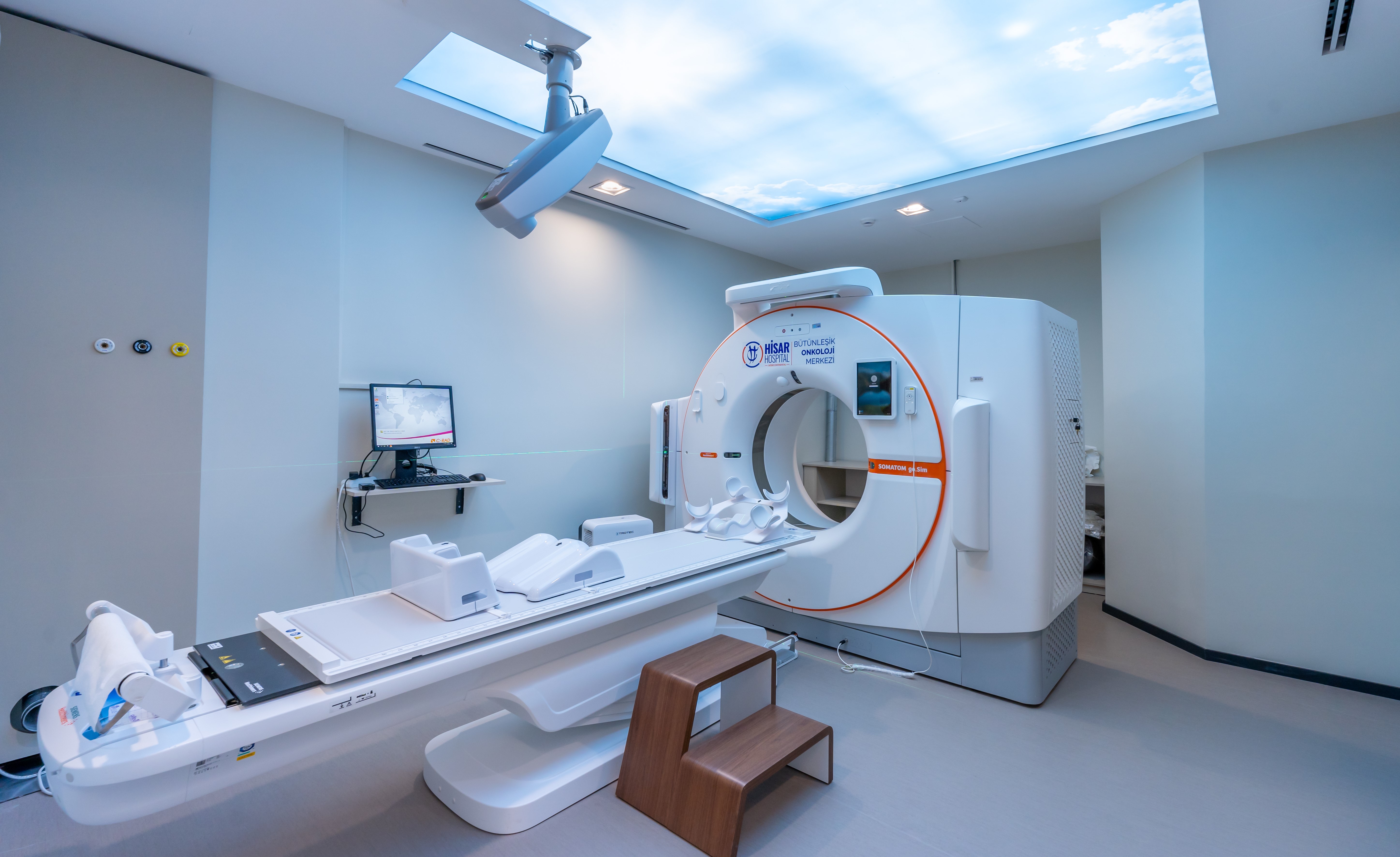
CT-SIM or computed tomography simulation is a groundbreaking technology in the field of medical imaging and treatment planning. It combines the advantages of computed tomography (CT) scans with simulation techniques to provide a detailed three-dimensional visualization of the patient’s anatomy. CT-SIM plays a key role in enhancing the accuracy and effectiveness of radiation therapy, especially in cases like cancer. With this technology, the medical world has observed that such devices can significantly impact patient care. To gain more detailed information about the CT simulator, you can check the continuation of the text.
What is CT-SIM?
CT-SIM is an abbreviation for computed tomography simulation, which is a valuable technology used in medical imaging and treatment planning, particularly in the context of radiation therapy. This innovative system seamlessly combines the capabilities of computed tomography (CT) scans with simulation techniques to provide a detailed and accurate three-dimensional representation of a patient’s anatomy.
By integrating high-resolution CT imaging with simulation, CT-SIM allows practitioners to visualize and analyze the targeted area with high precision. This can ensure the highest efficiency during the treatment process. CT-SIM plays a crucial role in increasing the precision of radiation therapy used in treating conditions like cancer. The detailed imaging provided by CT-SIM assists healthcare professionals in accurately defining tumor boundaries and strategically planning the delivery of radiation, thereby minimizing the impact on surrounding healthy tissues.
Additionally, CT-SIM facilitates the creation of personalized treatment plans tailored to each patient’s unique anatomical features. This level of customization plays an important role in optimizing therapeutic efficacy and minimizing potential side effects. The comprehensive information provided by CT-SIM enables healthcare teams to make informed decisions regarding the dose, duration, and delivery of radiation therapy, thus enhancing the overall quality of patient care. As technology advances, CT-SIM remains one of the ongoing methods aimed at continuously improving and enhancing medical practices.
What Does CT-SIM Show?
CT-SIM provides vital information for the planning and implementation of radiation therapy, showing:
- Anatomical Structures: A key feature of CT-SIM is its comprehensive view of anatomical structures within the body. This allows for detailed examination of organs, tissues, and bones to detect any existing abnormalities.
- Tumor Localization: In the context of cancer treatment, CT-SIM plays an important role in accurately localizing tumors. It provides detailed images of the size, shape, and location of tumors within the body, allowing healthcare professionals to focus accurately during radiation therapy.
- Surrounding Normal Tissues: CT-SIM allows for clear visualization of healthy tissues and organs surrounding the targeted area. This is critical for treatment planning, as it helps minimize the effects of radiation on normal tissues and reduces the risk of side effects.
- Vascular and Structural Details: This technology provides information about the vascular and structural details of the relevant area. This level of detail helps determine an optimal approach for delivering radiation, ensuring maximum effectiveness while minimizing the impact on healthy tissues.
- Customization for Treatment Planning: CT-SIM allows for the creation of personalized treatment plans tailored to each patient’s unique anatomy. This customization plays a significant role in optimizing the effectiveness of radiation therapy while also providing an approach to minimize potential side effects.
Overall, CT-SIM enables healthcare professionals to comprehensively understand the patient’s anatomy and the specific characteristics of the targeted area. This information is vital for developing and implementing effective treatment strategies. If you wish to benefit from CT-SIM technology, you can consult a specialist doctor in this field. The doctor can thoroughly examine your condition and inform you of your needs.
Why is CT-SIM Performed?
CT-SIM is primarily used in the medical field for several critical purposes in the context of radiation therapy. The reasons for using CT-SIM include:
- Treatment Planning: CT-SIM plays a central role in planning radiation therapy. By providing detailed and accurate three-dimensional images of the patient’s anatomy, it allows healthcare professionals to precisely identify the targeted area. This information is critical for developing comprehensive and customized treatment plans tailored to each patient’s unique characteristics.
- Tumor Localization: In cancer treatment, CT-SIM plays an important role in localizing tumors within the body. The technology provides high-resolution images that help determine the size, shape, and exact location of tumors. This information is essential for clearly identifying where radiation will be delivered, ensuring that treatment effectively targets the affected area while preserving healthy tissues as much as possible.
- Minimization of Effects on Healthy Tissues: By providing detailed visualization of the targeted area and surrounding healthy tissues, CT-SIM helps minimize the effects of radiation on normal structures. This precision allows healthcare professionals to optimize therapeutic effects on the target pathology while reducing the risk of side effects.
- Customization of Treatment: CT-SIM allows for the creation of personalized treatment plans based on each patient’s unique anatomy. This level of customization helps optimize the effectiveness of radiation therapy by tailoring it to the disease and individual characteristics, while also minimizing potential side effects.
- Simulation for Accuracy: Combining CT imaging with simulation techniques allows healthcare professionals to simulate radiation therapy before the actual treatment. This simulation helps ensure the accuracy of the treatment plan, allowing for adjustments as needed and providing a preview of potential outcomes.
Which Doctor Decides to Perform CT-SIM?
The decision to use CT-SIM is typically made by a team specialized in radiation oncology, which includes radiation oncologists and medical physicists. Their key roles in the decision-making process are as follows:
- Radiation Oncologist: This is the primary doctor specialized in using radiation therapy for treating diseases, particularly cancer. The radiation oncologist evaluates the patient’s medical condition, determines the need for radiation therapy, and decides on the appropriate treatment plan. The use of CT-SIM is typically initiated by the radiation oncologist for precise treatment planning.
- Radiotherapy Technician: A healthcare professional who administers radiation treatments based on the treatment plan developed by the radiation oncologist. They work closely with the radiation oncologist in cases requiring precise targeting, such as with CT-SIM.
- Medical Physicist: The medical physicist plays an important role in the technical aspects of the radiation therapy process. They manage the technical aspects of treatment planning that involve imaging techniques like CT-SIM. Medical physicists work to ensure the accurate delivery of radiation and minimize its impact on healthy tissues.
The decision to use CT-SIM is based on the complexity of the treatment, the need for precise targeting, and the desire to minimize radiation exposure to healthy tissues. The collaboration of the radiation oncologist, medical physicist, and other members of the radiation therapy team ensures that CT-SIM is used in cases where it is beneficial for the patient’s specific medical condition.
Frequently Asked Questions About CT-SIM
As the use of CT-SIM becomes more common, the number of inquiries about this topic has also increased. Below are frequently asked questions and their answers regarding CT-SIM:
What is CT Simulation in Radiotherapy?
CT Simulation in Radiotherapy involves the use of computed tomography (CT) scans for the precise planning and guidance of radiation therapy. It provides detailed three-dimensional images of the patient’s anatomy, assisting in tumor localization and treatment planning. This process ensures accurate targeting of the affected area while minimizing radiation exposure to surrounding healthy tissues.
What is Planning Tomography?
Planning tomography is a critical component of medical treatment planning, particularly in radiotherapy. It involves the use of tomographic imaging techniques such as computed tomography (CT) to create detailed cross-sectional images of the patient’s anatomy. These images form the basis for developing precise treatment plans, especially in the context of radiation therapy. Planning tomography allows healthcare professionals to visualize the size, shape, and location of tumors or affected areas, facilitating the customization of treatment strategies.
Is CT-SIM Safe?
Yes, CT-SIM is considered safe when performed by trained and qualified healthcare professionals. During the CT-SIM procedure, radiation exposure is carefully controlled to remain within acceptable limits, and the patient is exposed to minimal radiation.
How Long Does the CT-SIM Procedure Take?
The duration of the CT-SIM procedure can vary, but it is generally a relatively quick process. The actual scan may only take a few minutes, but the total time may be longer due to preparation and positioning.
Can CT-SIM be Used for Conditions Other Than Cancer?
While CT-SIM is commonly used in cancer treatment, it is also applicable for other medical conditions where radiation therapy is considered.
Does CT-SIM Cause Any Discomfort to Patients?
No, CT-SIM is a non-invasive and painless procedure. Patients are usually only asked to lie still on the CT scanner bed. The procedure is generally easy and painless.
This technology significantly enhances the precision and success of radiation therapy interventions in various medical conditions, especially in cancer treatment.