

Infectious Diseases
Infectious diseases are caused in our bodies by microorganisms (bacteria, viruses, parasites and fungi) and form the most common group of diseases both in our country and around the world. Infectious diseases are treatable, and the vast majority end in full recovery with appropriate treatment.
About the Department
The scope, approach and highlighted services of the department.
The Infectious Diseases department is a healthcare unit specialising in the prevention, diagnosis and treatment of communicable diseases that threaten public health. The infectious diseases service is run by a multidisciplinary team of specialised professionals. The department plays a key role in disease surveillance, outbreak control and the protection of public health. Through research, education and patient care, it aims to fight communicable diseases effectively and strengthen community health.
What Is an Infection?
Infections are a common health problem that affects every age group. From the common cold to more serious illnesses such as COVID-19, infections can affect human health in many different ways.
Basically, an infection occurs when harmful microorganisms invade the body and multiply, leading to illness. These microorganisms include bacteria, viruses, fungi and parasites, and they can enter your body through the air you breathe, the food you eat, or cuts and wounds in your skin. Once inside the body, these invaders can cause harm. For example, bacteria can release toxins that damage cells and tissues, while viruses can take over cells in order to replicate. Infections can often be prevented with simple and effective measures such as hand hygiene. Other precautions include covering your mouth when coughing or sneezing and avoiding close contact with people who are ill. Vaccines also play a critical role in preventing many infectious diseases by preparing the immune system to recognise and fight specific pathogens.
What Are Infectious Diseases?
Infectious diseases result from the interaction between disease-causing microorganisms and the body's defences. The interplay between the pathogen and the immune system determines the outcome of the infection. In some cases, the immune system successfully eliminates the pathogen and the person shows no symptoms or only mild ones. In other cases, the pathogen evades the immune system, leading to symptoms and disease. Some of these diseases are:
Influenza (Flu): Caused by the influenza virus, this contagious respiratory illness can range from mild to severe and may lead to complications such as pneumonia.
Common Cold: Caused by rhinoviruses, coronaviruses or other respiratory viruses, it affects the upper respiratory tract and is milder than influenza.
COVID-19: This new coronavirus strain, transmitted by the SARS-CoV-2 virus, emerged in late 2019 and caused a global pandemic. It spreads mainly through the respiratory route and close contact with infected people.
HIV/AIDS: The Human Immunodeficiency Virus (HIV) targets the immune system and causes acquired immunodeficiency syndrome (AIDS), leaving the body vulnerable to various infections and cancers. It is mostly transmitted sexually.
Tuberculosis (TB): Caused by the bacterium Mycobacterium tuberculosis, tuberculosis usually affects the lungs but can also affect other parts of the body. When an infected person coughs or sneezes, the bacteria are released into the air and can be inhaled by others.
Malaria: An infectious disease transmitted by mosquitoes, malaria can be life-threatening if not treated promptly.
Hepatitis: Although hepatitis usually develops due to viral infections, it can also result from exposure to toxins, alcohol or certain medications. The most common types are Hepatitis A, B and C; each is transmitted differently and can cause liver damage or liver failure.
Cholera: Caused by the bacterium Vibrio cholerae, cholera leads to severe diarrhoea and dehydration. It spreads through contaminated water or food.
Pneumonia: An inflammation of the air sacs in the lungs, caused by bacteria or viruses.
Staphylococcal Infections: Caused by Staphylococcus bacteria, these bacterial infections can lead to a range of conditions, from minor skin infections to more serious illnesses such as pneumonia and sepsis.
Measles: A highly contagious viral infection characterised by a distinctive red rash.
Typhoid: A potentially fatal infection caused by the bacterium Salmonella typhi. It presents with symptoms such as severe diarrhoea and vomiting.
Sexually Transmitted Diseases (STDs): STDs such as chlamydia, gonorrhoea, syphilis and human papillomavirus (HPV) are infections spread through sexual contact. Symptoms vary depending on the specific infection.
Encephalitis (Brain Infection): Encephalitis is inflammation of the brain triggered by viral infections or immune system reactions. In addition to signs of infection, it causes changes in consciousness, seizures and signs of neurological deterioration.
What Are the Symptoms of Infectious Diseases?
Recognising the symptoms of infectious diseases is vital for timely diagnosis and treatment. Common symptoms to watch out for include:
Fever: Fever is one of the most common signs of an infectious disease. When your body is fighting an infection, your body temperature may rise. Fevers vary in severity and duration, but a persistent or high fever indicates an underlying infection.
Fatigue: Feeling unusually tired or weak may be a sign that your body is fighting an infection. When your immune system is actively battling pathogens, it can drain your energy levels and leave you feeling exhausted despite rest.
Cough: A persistent cough may be a symptom of various infectious diseases such as the common cold, flu, pneumonia or tuberculosis. Coughing is your body's response to clear the airways or expel infectious agents.
Sore Throat: An inflamed or painful throat is a clear sign of a viral or bacterial infection such as the flu. This symptom can range from mild discomfort to severe pain.
Muscle and Joint Pain: Many infectious diseases can cause muscle and joint pain as your body mounts an immune response. These symptoms occur together with inflammation and can affect your overall comfort.
Headache: Headaches are a common symptom of many infections and often occur together with other flu-like symptoms. The severity and duration of the headache may vary depending on the underlying cause.
Nausea and Vomiting: Gastrointestinal symptoms such as nausea, vomiting, diarrhoea and abdominal pain may occur, particularly with certain infectious diseases that affect the digestive system. If not treated in time, these symptoms can lead to dehydration (excessive loss of body fluids) and electrolyte imbalances.
Rash: Some infectious diseases present with a distinctive skin rash. Rashes can vary in appearance and may be itchy and painful.
Difficulty Breathing: Shortness of breath or difficulty breathing can be a serious symptom of certain respiratory infections, especially pneumonia or COVID-19.
Swollen Lymph Nodes: Lymph nodes, located in various parts of your body, may swell and become tender as they increase lymphocyte production in response to an infection.
How Are Infectious Diseases Diagnosed?
Diagnosing infectious diseases requires a combination of clinical assessment, laboratory tests and a review of the medical history. Healthcare professionals begin the diagnostic process by evaluating the patient's symptoms and performing a detailed physical examination. A thorough review of the medical history is important in diagnosing infectious diseases. Patients are asked about their vaccination status, past medical conditions, recent surgeries, allergies and current medications.
Laboratory tests play an important role in confirming the diagnosis of infectious diseases. Depending on the suspected pathogen, various tests may be requested:
Blood Tests: Blood samples can reveal signs of infection, such as a high white blood cell count or the presence of specific antibodies or antigens.
Culture Tests: Taking cultures from body fluids or tissues allows the causative microorganism to be isolated and identified, enabling targeted treatment.
Molecular Tests: Polymerase chain reaction (PCR) tests can detect the genetic material of pathogens such as viruses. They provide fast and accurate diagnosis, especially for diseases such as COVID-19.
Serological Tests: Serological tests detect antibodies produced by the immune system in response to an infection. They help diagnose past or current infections.
In some cases, imaging such as X-rays, computed tomography (CT) scans or magnetic resonance imaging (MRI) may also be requested to assess complications associated with certain infectious diseases.
How Are Infectious Diseases Treated?
Several methods are used to manage infectious diseases effectively:
Antibiotic Therapy: Antibiotics are usually the cornerstone of treatment for bacterial infections. These drugs target bacteria and either kill them or stop them from multiplying.
Antiviral Drugs: Antiviral drugs are used to treat viral infections by inhibiting viruses or strengthening the body's immune response.
Antifungal Agents: Fungal infections are treated with antifungal drugs that target the fungal cell wall or disrupt fungal metabolism.
Antiparasitic Drugs: Parasitic infections are treated with antiparasitic drugs that target parasites directly or disrupt their life cycle.
Supportive Care: In addition to specific antimicrobial treatments, supportive care plays an important role in treating infectious diseases. Supportive measures may include ensuring adequate hydration (the body's water and electrolyte balance), rest, pain management and nutritional support to help the body fight the infection and recover.
Vaccination: Preventive vaccines are vital for reducing the burden of infectious diseases and preventing outbreaks. By enabling the body to develop protective immunity against specific pathogens, vaccines help combat the risk of infection.
Frequently Asked Questions
Can You Get an Infection in the Stomach?
Yes, bacterial infections such as Helicobacter pylori can lead to stomach infections by causing gastritis or peptic ulcers. Viral infections such as norovirus can also affect the stomach and cause gastroenteritis.
Does an Infection Cause Fever?
Yes, fever is the most common symptom of infectious diseases. When the immune system detects the presence of harmful microorganisms, it releases chemicals called pyrogens that raise the body's temperature.
What Is a Urinary Tract Infection?
A urinary tract infection is a bacterial infection that affects any part of the urinary system, such as the kidneys, ureters, bladder and urethra. Common symptoms include frequent urination, a burning sensation when urinating, and cloudy or bloody urine.
How Many Days Does Infection Treatment Take?
The duration of infection treatment varies depending on the type and severity of the infection and the individual's response to treatment. Some infections clear up after a few days of antibiotic treatment, while others may take several weeks or months to heal completely.
What Is a Blood Infection?
A blood infection is a condition that occurs when bacteria or other pathogens enter the bloodstream. Also known as sepsis, its symptoms include fever, rapid heartbeat, difficulty breathing and confusion.
What Helps an Infected Tooth?
For an infected tooth, you can consult a dentist. The dentist may prescribe antibiotics to fight the infection and relieve pain. In some cases, root canal treatment may also be performed to remove the infected tissue and restore oral health.
How Is an Eye Infection Treated?
Treating an eye infection involves applying prescription antibiotic eye drops or ointments to the affected eye. It is important to follow the healthcare professional's instructions carefully and to avoid touching or rubbing the eyes.
What Is a Chronic Infection?
A chronic infection refers to a long-lasting and recurring infection. It occurs as a result of an infection that cannot be completely cleared by the immune system or cannot be cured.
Diagnosing infectious diseases accurately and in time is vital for starting appropriate treatment and preventing infectious agents from spreading further in the community. If you are showing signs of infection, you can consult an infectious diseases specialist for early diagnosis and treatment.
By definition, an infection means that an infectious agent enters the body and multiplies. However, this does not necessarily cause symptoms of disease. If symptoms of disease also occur together with the infection, it is referred to as an infectious disease.
The signs and symptoms of infectious diseases can vary widely. In addition to general findings such as fever, chills, shivering, weakness, fatigue, loss of appetite, pain, nausea and vomiting, there may be specific signs and symptoms depending on the type of pathogen and the site of infection, such as diarrhoea, constipation, joint pain, skin rashes and redness, cough, jaundice and impaired consciousness.
The Infectious Diseases Department of Hisar Hospital Intercontinental takes a modern medical approach to many conditions, including febrile and communicable diseases, hospital-acquired infections, sexually transmitted diseases (HIV, syphilis, gonorrhoea, etc.) and infectious hepatitis (contagious jaundice). Counselling services on all these infections and their control are also provided.
An immune response develops in many infectious diseases, which makes it possible to protect against some of them through vaccination. For this reason, adult vaccination services (tetanus, hepatitis B, flu, pneumococcus, etc.) are also provided.
The following diseases are diagnosed, treated and followed up in the Infectious Diseases Department:
Tick bite follow-up and Crimean-Congo Haemorrhagic Fever
Travel-related infections (prevention and treatment)
Nervous system infections, including meningitis and encephalitis
Bloodstream and catheter-related infections
Bone and joint infections
Investigation of fever of unknown origin
Flu (including H1N1 flu) and common cold
Hepatitis A
Hepatitis B
Hepatitis C
AIDS (HIV)
Infectious mononucleosis (EBV) and cytomegalovirus infection (CMV)
Other viral diseases
Tetanus
Pneumonia
Tuberculosis (including extrapulmonary)
Dysentery (amoebic/bacillary)
Food poisoning
Other diseases with diarrhoea (rotavirus/adenovirus/norovirus, etc.)
Parasitic diseases
Urinary tract infections
Other sexually transmitted diseases (Ureaplasma/Chlamydia, etc.)
Syphilis
Gonorrhoea
Infective endocarditis
Skin and soft tissue infections
Chickenpox (varicella) and shingles
Fungal infections
Typhoid and brucellosis
Malaria (Plasmodium) and cutaneous leishmaniasis (Leishmania)
Lyme disease (Borrelia)
In addition, consultation services are provided for patients hospitalised in our intensive care unit and other wards.
For infectious disease patients who require inpatient follow-up and treatment, our hospital has two single-bed negative-pressure isolation rooms.
The Infectious Diseases department is a healthcare unit specialising in the prevention, diagnosis and treatment of communicable diseases that threaten public health. The infectious diseases service is run by a multidisciplinary team of specialised professionals. The department plays a key role in disease surveillance, outbreak control and the protection of public health. Through research, education and patient care, it aims to fight communicable diseases effectively and strengthen community health.
Treatment Methods
The main treatments and procedures performed in our department.

Conditions Covered
The main conditions within the department’s diagnosis and treatment scope.
- What Is Hepatitis A?
- What Is Monkeypox Virus?
- What Is a Viral Infection? What Are Its Symptoms?
- What Is Influenza?
- What Is AIDS? How Is It Diagnosed?
- Malaria: What Is It? What Are Its Symptoms and Treatment Methods?
- Sepsis: Symptoms and Treatment
- Why and How Does Infection Spread Into the Body?
- What is Chickenpox (Varicella Zoster)? Symptoms, Treatment, and Prevention Methods
- What is Syphilis? Symptoms, Treatment, and Transmission Routes
- What is the H3N2 (Influenza A) Virus? Symptoms, Diagnosis, and Treatment Methods
- What is Tetanus? Symptoms, Vaccine, and Treatment | What You Need to Know About Tetanus
Department Doctors
Our specialist team working in the Infectious Diseases department.

Related Videos
Informative videos from our specialists related to the Infectious Diseases department.
 8:21
Diseases transmitted through sacrificial animals, Spec. Dr. Ramazan Gözüküçük
 1:54
How Is Hepatitis Transmitted? Which Organs Can It Damage? How Is It Treated?
 0:13
What Is Hepatitis?
 2:38
What Infectious Diseases Should Travelers Watch Out For?
 20:32
📌 Specialist Dr. Ramazan GÖZÜKÜÇÜK answered frequently asked questions about the coronavirus. 🎥
 2:41
What Is the Coronavirus?
 0:55
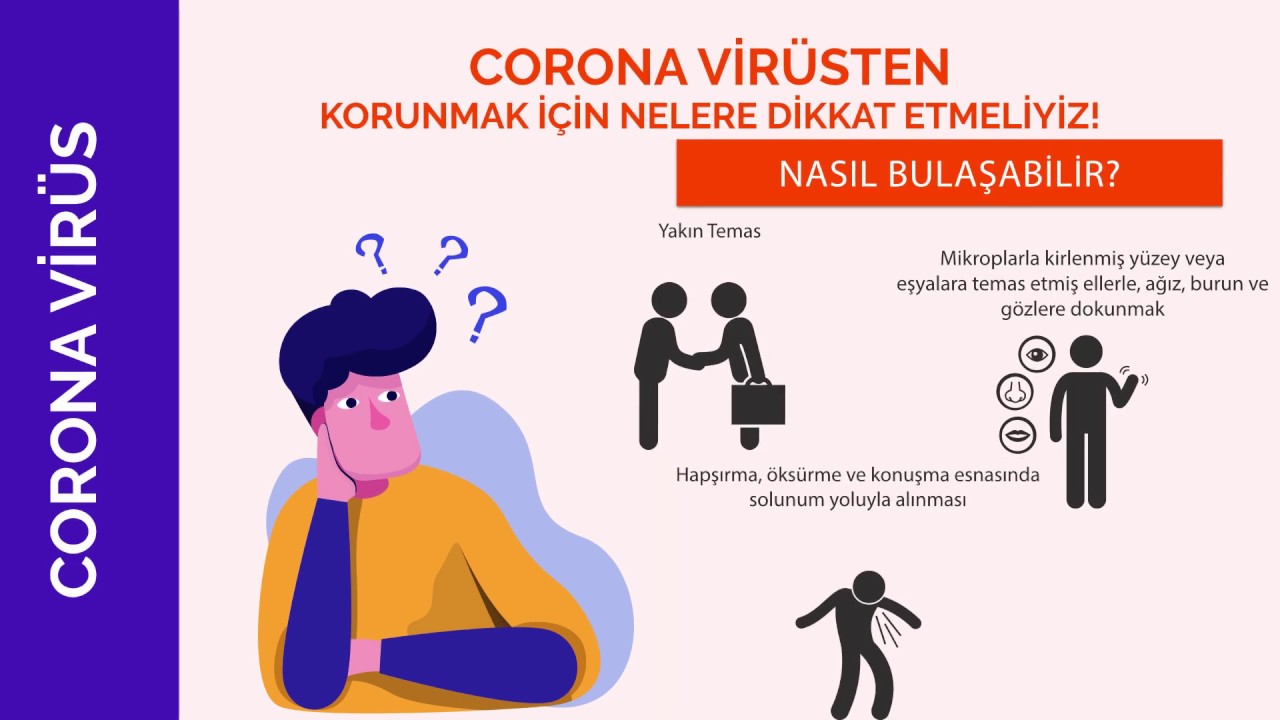
What Should We Pay Attention to in Order to Protect Ourselves from the Coronavirus?
 1:01
Ways to Protect Yourself from Coronavirus
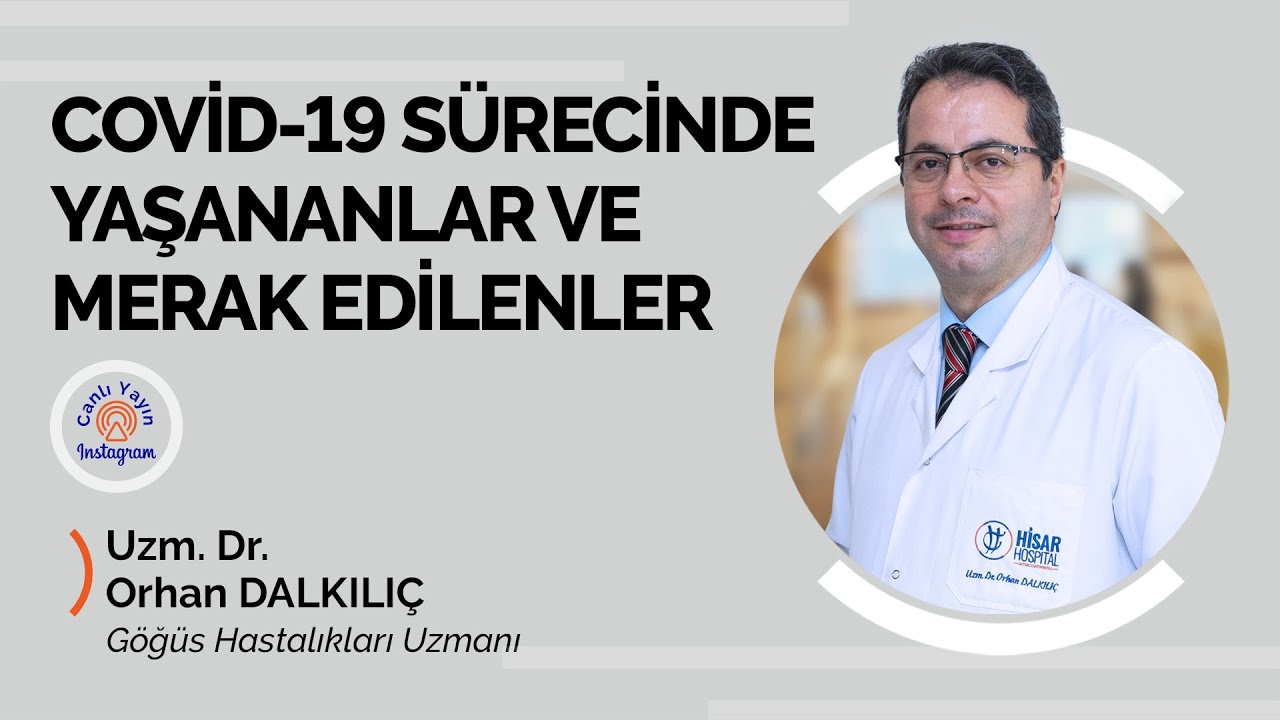 43:58
The Covid-19 Period: Experiences and Frequently Asked Questions
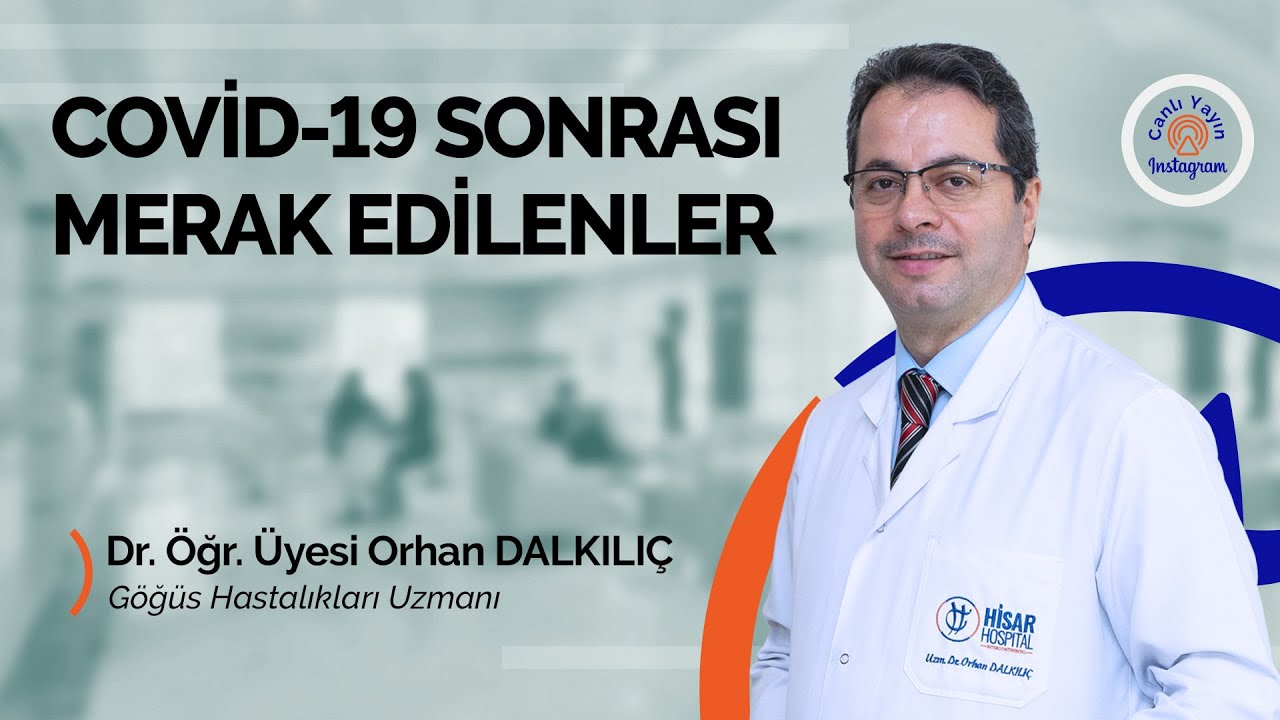 51:20
What You Want to Know After Covid-19
 2:44
Frequently Asked Questions About Viral Infections
 2:45
Common Viral Infections I Spec. Dr. Selami AYDIN
Locations
At Which Hospitals?
The Infectious Diseases department is available at the following locations.

Author
Web and Medical Editorial BoardReviewed by a specialist
 Assoc. Prof. Dr. Ramazan GözüküçükInfectious DiseasesReview date: 31 October 2026
Contact
Infectious Diseases Department — Get in Touch
Fill out the form with your questions; our team will call you back as soon as possible.
The Hisar Hospital Web and Medical Editorial Board contributed to the development of this content. All content on this website is provided for general informational purposes only. Please consult a physician for the evaluation, diagnosis and treatment of your condition.
Last Updated: