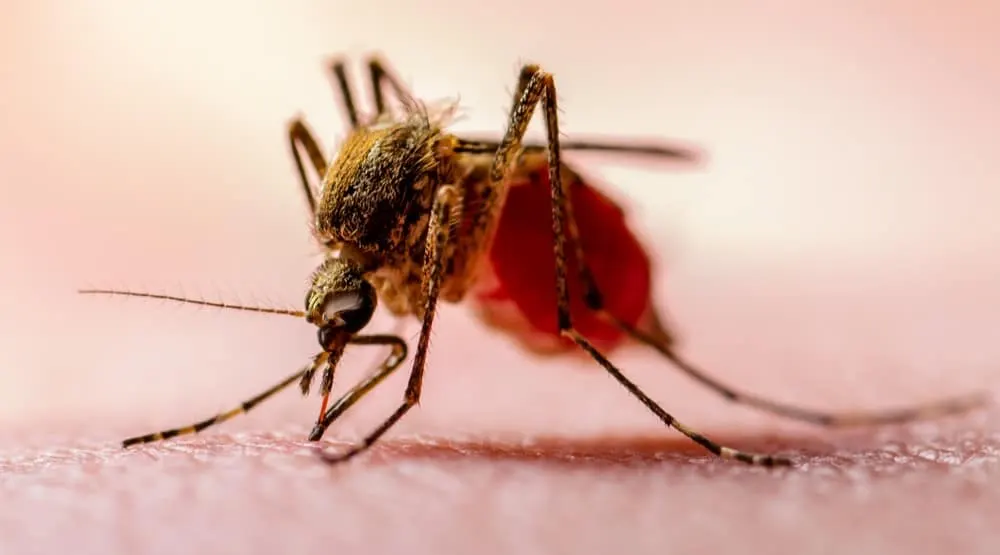
Malaria is a type of disease caused by a parasite. Parasites that enter the human body through the bite of infected mosquitoes cause various health problems in the body. Parasites waiting in the liver can remain dormant for up to a year in some cases. When they mature, the parasites leave the liver and attach to red blood cells, entering the bloodstream. Symptoms begin to develop in such cases. People with malaria generally develop high fever and chills and feel severe weakness. Malaria is an important disease that should not be neglected. If the disease progresses, it can cause anemia, respiratory problems or brain damage. If cerebral malaria, also known as brain malaria, develops, people may fall into a coma.
What Is Malaria?
Malaria is a serious and sometimes fatal disease caused by a parasite that infects a certain species of mosquito that feeds on humans. The question “What causes malaria?” can be answered by infection with one of four different parasite species. Plasmodium falciparum, P. vivax, P. ovale and P. malariae parasites cause malaria. In addition, there is a type of malaria that naturally affects macaques in Southeast Asia. In this type too, malaria is transmitted from animals to humans. Among the types of malaria, P. falciparum is the parasite species that is most likely to cause serious infections and must be treated immediately. In these infections, the disease can end in death.
The World Health Organization determined that 241.000.000 people had malaria in 2020. Most of these people were in Africa, and 627.000 of the cases ended in death. It has been reported that 2000 malaria cases are diagnosed in the United States every year.
What Are the Symptoms of Malaria?
A person infected with malaria may not show symptoms immediately. Malaria parasites that complete their development in the liver can wait there for up to a year. Symptoms begin to appear when the parasites start spreading into the bloodstream. High fever and chills are the first of the symptoms of malaria. In addition to these symptoms, the following may also be encountered:
General feeling of malaise
Headache
Nausea and vomiting
Diarrhea
Abdominal pain
Muscle or joint pain
Rapid breathing
Rapid heartbeat
Cough
If, within the last year, one has traveled to or lived in a region where malaria is widespread, such as South Africa, and these symptoms are observed, this may be a sign that malaria has begun. To prevent symptoms from progressing and causing organ damage, one should go to a healthcare facility without delay.
How Is Malaria Treated?
Malaria is a disease that must not be neglected and must be treated immediately. Malaria is a disease that can be treated with medication. Various drugs have been developed for the treatment of malaria. If drug treatment is started in the early stages of the disease, it is possible to cure the disease. The type of medication and duration of treatment vary according to the parasite species, the area where the person was infected, age, whether the person is pregnant, and how ill the person is at the start of treatment. When the right drugs are used, malaria parasites can be completely cleared from the body. However, if the wrong drug is used or treatment is interrupted, the parasites may continue to persist in the body and the disease may continue.
Some drugs used in malaria treatment may not be effective. Parasites have developed resistance to many drugs over time. For this reason, finding the right drug is extremely important.
What Are the Methods of Malaria Prevention?
In regions such as Africa, South and Southeast Asia, the Pacific Islands, Central America and South America, or when traveling to these regions, various precautions against malaria should be taken. To protect against malaria, people need to protect themselves from mosquito bites. Mosquitoes are most active between dusk and dawn. For this reason, precautions should be increased especially during nighttime hours. When in the mentioned regions, the skin should be covered. Trousers or long-sleeved shirts can be worn. Care should be taken to keep exposed skin to a minimum by tucking trouser legs into socks and shirts into trousers. Various health organizations have produced protective clothing. Protective garments containing permethrin can be worn, or such sprays can be applied to clothing.
Apart from clothing measures, insect repellents can also be applied to the skin. Products such as lemon eucalyptus oil, DEET, picaridin and para-menthane-3,8-diol (PMD) can be applied to the skin. Such products should not be applied directly to the face and may not be suitable for use in children under 3 years of age.
To protect against malaria, sleeping under a net such as a mosquito net is recommended. Bed nets, especially those treated with permethrin spray, can have a protective effect against bites at night.
Taking precautions against infection before traveling can prevent encountering serious symptoms. If traveling to an area where malaria is common, antimalarial drugs may be used to protect against malaria parasites. Medications that can be started directly in case of a suspicious mosquito bite can be obtained.
A malaria vaccine is still a topic on which studies are being carried out today. However, the World Health Organization recommends the use of the malaria vaccine for children living in countries where malaria cases are common.
Precautions against mosquito bites can be vitally important. Therefore, one must definitely be careful when going to such regions.
Is Malaria Contagious?
When the seriousness of malaria is learned, the question “Is malaria contagious?” arises. Malaria is not a disease transmitted from person to person through contact or through the air. For malaria to be transmitted, blood contact is required. Malaria is generally transmitted by Anopheles mosquitoes. After biting an infected person, mosquitoes begin to carry the parasites in their own bodies. Malaria parasites that grow and develop inside the mosquito are passed on to a different person when the mosquito bites. This occurs most frequently in Africa, large areas of South Asia, and some parts of Central and South America. Malaria transmission can also occur in the Caribbean and Southeast Asia.
Apart from mosquito bites, the disease can also be transmitted by transferring blood taken from a person already infected with the parasite to another person. In addition, a person infected during pregnancy can transmit malaria to their baby during childbirth or during pregnancy.
For Which Diseases Is Embolization Performed?
Embolization is a minimally invasive procedure that blocks or closes off a specific blood vessel. Although most often a planned procedure, embolization can sometimes be performed urgently. Blood flow is stopped in the vessels of the treatment area by means of small particles or objects called embolic agents, in order to stop blood flow. It is a method that can generally be used in the treatment of various diseases such as brain aneurysms, cancers or tumors that cause bleeding, recurrent nosebleeds, stomach ulcers and diverticula, traumatic injuries causing serious damage to the spleen, liver and lungs, and uterine fibroids.
The embolization procedure is also a method that can be applied in some malaria cases. Especially if a symptom such as splenic rupture is encountered, embolization may be performed on the relevant vessels to prevent the bleeding from spreading.
Frequently Asked Questions About Malaria
Malaria is generally known to enter the human body through the bite of a mosquito carrying a parasite known as Plasmodium. The malaria transmission cycle develops when a mosquito bites a person infected with Plasmodium and then bites a healthy person, transferring the parasites to that person. Because malaria parasites constantly change their surface, they are able to evade the immune system, and therefore an effective vaccine has still not been found today. The medical world continues to work on an effective vaccine. Apart from vaccination, special clothing may be worn in high-risk areas to prevent mosquito bites in order to protect against malaria. Malaria is not transmitted by every mosquito bite. Generally, the parasite enters the human body when a female Anopheles mosquito bites after it has become a carrier. Anopheles mosquitoes first acquire the parasites into their own bodies by biting a different infected person. Then, when they bite another person, these parasites are passed on to that person. If a mother becomes infected during pregnancy, the parasites can also be transferred to the baby before or during birth. If a pregnant woman contracts a malaria infection and she previously had no immunity to malaria, the person may face a life-threatening risk due to the disease. Antimalarial drugs are used for the treatment and prevention of malaria infection. Antimalarial drugs consist of artemisinin types. Artemisinin formulations include artemether, arteether, dihydroartemisinin and artesunate. The ideal dose and method of administration for the patient is determined by the doctor. Among malaria prevention methods, world health programs distribute drugs to protect against bites and insecticide-treated mosquito nets. Protecting the skin from bites can also be achieved by wearing covered clothing. In addition, protection is possible by taking preventive medications before travel to malaria-risk countries such as African countries. Malaria is a type of disease that can affect every age group. Especially children under the age of 5 may experience more serious symptoms if they contract malaria. In cases occurring south of the Sahara Desert, in Africa, the number of children who die from malaria is quite high. If a symptom of malaria is observed and such findings appear after travel to malaria-risk countries such as African countries, this should not be delayed and a healthcare facility should be consulted. Otherwise, the progression of the disease may pose a life-threatening risk.
Start with the right assessment for Malaria: What Is It? What Are Its Symptoms and Treatment Methods?
Share your symptoms with our specialist physicians; let us determine the right diagnosis and treatment plan together.
Warning
If your symptoms started suddenly, are progressing rapidly, or significantly restrict your daily life, consult a physician without delay.
Plan your Malaria: What Is It? What Are Its Symptoms and Treatment Methods? journey with our specialists.
Fill in the form or book an appointment to learn about treatment options, the process and preparation.