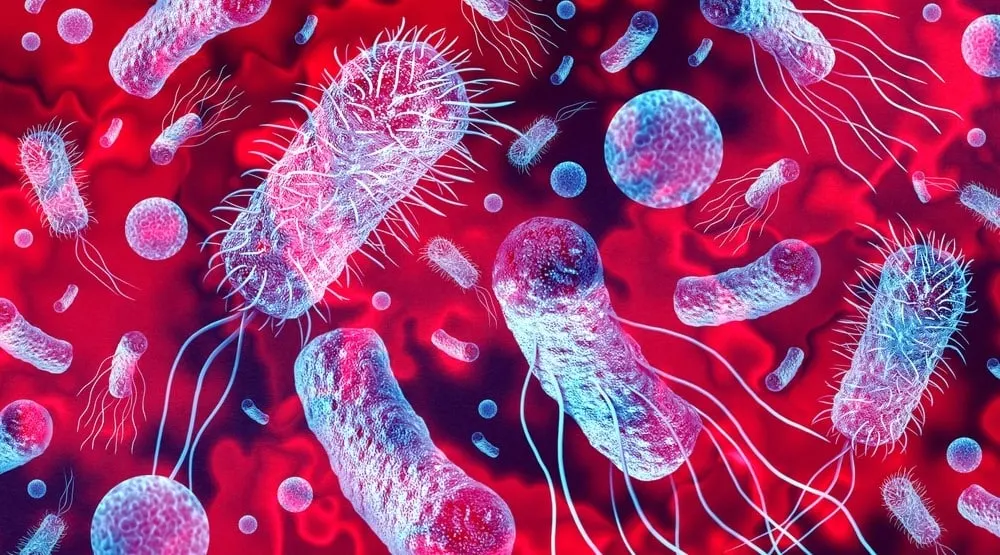
Sepsis is a condition in which the body has an excessive response to infection and vital organ functions are severely impaired. Sepsis usually occurs as a result of bacterial infections, but other microorganisms such as viruses, fungi and parasites can also cause it. Sepsis is a common health problem that causes serious illness and death worldwide.
What Is Sepsis? What Causes It?
Sepsis is a potentially life-threatening condition in which a serious infection triggers a systemic inflammatory response that leads to organ dysfunction. Sepsis usually arises from bacterial infections, but other microorganisms such as viruses, fungi and parasites can also cause sepsis. The spread of infection leads to excessive inflammation triggered by the immune system and can cause serious damage to tissues and organs in the body.
Sepsis can develop as a result of the interaction of many factors. A weakened immune system (old age, chronic diseases, immunodeficiency), severe injuries, surgical operations, catheter use and similar risk factors can increase the risk of sepsis. In addition, common infections such as hospital-acquired infections, urinary tract infections, pneumonia and intra-abdominal infections can also lead to the development of sepsis. Sepsis is an emergency condition that requires early diagnosis and treatment.
The diagnosis of sepsis is usually made using clinical signs and laboratory tests. Rapid and accurate diagnosis plays an important role in providing appropriate treatment and supportive care. Treatment is usually given in hospital and includes measures such as antibiotic therapy, fluid replacement, vasopressor drugs and respiratory support. In severe cases of sepsis requiring monitoring and treatment in the intensive care unit, supportive treatments are applied to save the patient's life.
Sepsis is a condition that arises from a complex pathophysiological process. When an infection is encountered, the body's immune system rapidly mobilizes and a series of response mechanisms come into play. These include the inflammatory response, activation of the coagulation (clotting) system, increased vascular permeability and tissue damage.
The inflammatory response begins with the release of cytokines (inflammatory molecules) produced by the immune system to fight microorganisms. These cytokines activate vascular endothelium (the inner lining of blood vessels) cells and cause increased vascular permeability. As a result, fluid, proteins and cells can leak out of blood vessels, edema can develop in tissues and organ functions can be impaired.
At the same time, during infection and inflammation, the coagulation (clotting) system is also activated. This leads to excessive production of clotting factors and formation of clots. Clots can cause blockages within microvessels and reduced tissue oxygenation. This can contribute to progression of organ damage and organ failure.
Increased vascular permeability and tissue damage are among the most important features of sepsis. Inflammation and clotting processes, in addition to the body's efforts to fight the infection, can also damage its own tissues. Tissue damage and loss of function can occur in organs. This can lead to multiple organ failure, one of the most serious consequences of sepsis.
Sepsis is a condition that can arise as a result of infections caused by various microorganisms. Bacterial infections are one of the most common causes of sepsis. In particular, urinary system infections, pneumonia (lung infection), intra-abdominal infections and skin infections increase the risk of sepsis. There are viruses, fungi and parasites that can lead to sepsis. For example, among viral infections, diseases such as influenza, HIV and herpes can increase the risk of sepsis. Sepsis resulting from fungal infections is seen more frequently, especially in individuals with immunodeficiency, while parasitic infections, although rare, can also cause sepsis.
There are many risk factors for the development of sepsis. Old age, a weakened immune system, chronic diseases (diabetes, kidney disease, liver disease), patients receiving cancer treatment, individuals who have undergone organ transplantation, those taking high-dose corticosteroids and those who have suffered severe trauma are among the factors that increase the risk of sepsis. In addition, conditions such as surgical operations and invasive medical procedures (such as catheterization and mechanical ventilation) can also increase susceptibility to sepsis.
What Are the Symptoms of Sepsis?
In sepsis, the body responds excessively to infection and the condition progresses very rapidly. The main symptoms of sepsis are:
Fever and hypothermia: A marked rise (fever) or drop (hypothermia) in body temperature may occur. High fever may be a sign of a widespread infection.
Difficulty breathing: Increased breathing rate, difficulty breathing or rapid breathing are among the symptoms of sepsis. Shortness of breath may be a sign that a lung infection has developed or that acute respiratory distress syndrome has occurred.
Rapid heartbeat: An increase in pulse rate (tachycardia) may be a symptom of sepsis. A heart rate much higher than normal may indicate the severity of the infection and the progression of sepsis.
Severe weakness and restlessness: General weakness, fatigue, a feeling of exhaustion and restlessness are among the symptoms of sepsis. These symptoms may be a sign of energy depletion as the body fights the infection.
Severe muscle and joint pain: Sepsis can cause muscle and joint pain due to widespread inflammation. The pain may be a result of the inflammatory response the body develops to cope with the infection.
Decreased urine output: Involvement of the kidneys may cause decreased urine output or difficulty urinating in the later stages of sepsis.
Pallor or bluish discoloration of the skin: Pallor or bluish discoloration of the skin is a sign of decreased tissue oxygenation and may be a symptom of sepsis.
Symptoms of sepsis may vary from person to person and may progress rapidly depending on the course of the disease. For this reason, anyone showing potential signs of sepsis should seek emergency medical care.
What Are the Types of Sepsis?
Types of sepsis may vary according to the source of infection, the type of causative microorganism and the organ system affected. These are:
Bacterial Sepsis: It is the most common type of sepsis and results from bacterial infections. For example, infections caused by bacteria such as urinary system infections, pneumonia, intra-abdominal infections and skin infections can lead to sepsis.
Viral Sepsis: It is a type of sepsis that results from infections caused by viruses. For example, viral infections such as influenza, HIV and herpes can lead to sepsis. Viral sepsis is associated with an excessive immune response and inflammation.
Fungal Sepsis: It is a type of sepsis that results from infections caused by fungi. It tends to occur particularly in individuals with weakened immune systems. For example, Candida species can lead to sepsis.
Parasitic Sepsis: It is a type of sepsis that occurs when infections caused by parasites lead to sepsis. Although this type of sepsis is rare, some parasites (for example, the malaria parasite) can cause sepsis.
Infection-Related Sepsis: Types of sepsis may vary according to the source of infection. For example, there are types of sepsis caused by infections such as hospital-acquired infections, urinary tract infections and postoperative infections.
Types of sepsis vary depending on the type and source of infection. Each type of sepsis may require different approaches in terms of treatment and management.
What Are the Treatment Methods for Sepsis?
The first step in treating sepsis is rapid diagnosis and bringing the infection under control. Before starting treatment, it is important to identify the source of infection and select appropriate antibiotics. Antibiotic therapy ensures effective treatment of the bacterial infection causing sepsis. In addition, supportive treatments are also important in managing sepsis. Fluid therapy is given to correct fluid losses in the body and improve tissue oxygenation. Vasopressor drugs may be used to regulate low blood pressure and ensure adequate blood flow to organs. Respiratory support is applied to support lung functions and increase oxygenation. Clot-preventing treatments may be used to prevent clotting problems associated with sepsis. A multidisciplinary approach should be adopted in the treatment of sepsis. Appropriate follow-up and monitoring should be provided in the intensive care unit. In addition, early recognition and management of complications of sepsis is also important. Especially in the case of development of multiple organ failure, advanced supportive treatments are planned.
Frequently Asked Questions
Yes, certain signs appear in blood tests in sepsis. These are:
White blood cell (leukocyte) count: In sepsis, an increase (leukocytosis) or decrease (leukopenia) in white blood cell count may be seen. This change may reflect the extent of the infection and the severity of inflammation.
C-reactive protein (CRP): CRP levels are a biomarker that indicates the presence of infection and inflammation. CRP levels may increase in sepsis.
Procalcitonin: Procalcitonin levels are another biomarker that rises in bacterial infections. Procalcitonin levels may rise in sepsis.
Blood gas analysis: Sepsis can affect the oxygenation of body tissues. For this reason, changes may be seen in oxygen (PaO2) and carbon dioxide (PaCO2) levels on blood gas analysis.
Blood clotting tests: The coagulation (clotting) system may be affected in sepsis. For this reason, abnormalities may appear in blood clotting tests (for example, prothrombin time, activated partial thromboplastin time).
Yes, hospital admission is usually necessary in sepsis. Sepsis is a life-threatening serious disease. Rapid intervention is required once diagnosis is made. Hospital admission is important for close monitoring, treatment of the sepsis patient and management of complications. The decision to hospitalize may vary depending on factors such as the patient's clinical condition, the extent of the infection, the state of organ functions and the severity of sepsis. Sepsis is managed by the Infectious Diseases department. Support from intensive care specialists may be obtained if necessary. Depending on the patient's condition and response to treatment, the recovery period may vary from person to person. The duration of sepsis treatment may vary depending on factors such as the type of infection, the severity of sepsis, the presence of organ failure, the patient's general health status and early response to treatment. In addition, early intervention with treatment, appropriate antibiotic therapy, effective use of supportive treatments and management of complications can also affect the recovery period.
In mild cases of sepsis, with appropriate treatment, the patient's condition can usually improve within a few days. In moderate sepsis cases, the recovery period may usually be several weeks. However, in severe cases of sepsis and severe sepsis with development of multiple organ failure, the recovery process may take longer. In addition, in individuals with complications due to sepsis or underlying chronic health problems, the recovery process may be longer. Sepsis is a condition that arises from the excessive and dangerous spread of infection in the body. Sepsis can cause damage in various organ systems; however, the following organs are generally the ones most affected by sepsis:
Lungs: Sepsis can develop as a result of lung infections such as pneumonia (lung infection). The lungs are exposed to the effects of microorganisms spreading from the initial source of infection into the body.
Kidneys: Sepsis can cause impairment of kidney function and kidney failure. This condition is related to the kidneys' response to factors such as inflammation caused by the infection or low blood pressure.
Liver: Sepsis can affect liver function and lead to hepatic failure. The liver undertakes important tasks such as fighting infection and clearing toxins, so sepsis can adversely affect liver function.
Heart: Sepsis can have an adverse effect on the heart muscle and lead to heart failure. Infection and inflammation can reduce the pumping capacity of the heart and cause impairment of cardiac function.
Brain: In severe cases of sepsis, brain functions can be affected. Sepsis can cause conditions such as inflammation in brain tissue and hypoxia (lack of oxygen), and as a result neurological problems may arise.
Sepsis is a serious condition that can be life-threatening and, if left untreated, may result in death. With early diagnosis and treatment, it is possible to recover from sepsis. No, sepsis is not a contagious disease. Sepsis is a condition that arises from the spread of an infection in the body and the body's excessive inflammatory reaction. Sepsis is caused by bacteria that can be transmitted, but sepsis itself is not contagious. An advanced case of sepsis can lead to various complications. Possible complications of sepsis include:
Septic Shock: As sepsis progresses, blood pressure may drop due to the infection and inflammation in the body. This can cause organs to be unable to obtain sufficient oxygen and nutrients and lead to organ failure. Septic shock is a serious condition affecting the functions of vital organs and can lead to death.
Respiratory Problems: Severe sepsis can damage the lungs and cause respiratory problems. Lung infection, inflammation of the lung lining (pneumonia) or infection spreading directly to the lungs may be associated with sepsis. Respiratory failure may develop and ventilators or oxygen therapy may be required.
Organ Failure: Sepsis can affect the functions of organs in the body. In particular, organs such as the kidneys, liver, heart and brain can be affected by sepsis. Organ failure may vary depending on the severity of sepsis and how early a response to treatment is given.
Blood Clotting Problems: Sepsis can have adverse effects on blood clotting. It can lead to hemorrhagic complications while also increasing blood clotting, which increases the risk of thrombosis. Deep vein thrombosis or pulmonary embolism may develop.
Neurological Complications: Severe sepsis can affect brain functions and cause neurological complications. These may include delirium (impairment of cognitive functions), changes in consciousness, seizures and neuromuscular problems.
Wound Healing Problems: Sepsis can cause damage to skin tissue and prevent wound healing. Necrosis (tissue death) or widespread rashes may be seen on the skin. Wound healing after sepsis may be problematic.
Start with the right assessment for Sepsis: Symptoms and Treatment
Share your symptoms with our specialist physicians; let us determine the right diagnosis and treatment plan together.
Warning
If your symptoms started suddenly, are progressing rapidly, or significantly restrict your daily life, consult a physician without delay.
Plan your Sepsis: Symptoms and Treatment journey with our specialists.
Fill in the form or book an appointment to learn about treatment options, the process and preparation.