What is Syphilis?
Syphilis is a sexually transmitted disease caused by bacteria. It develops with the same frequency in both genders and is generally seen in the young age group. Syphilis is an infectious disease that can be treated with medication, but it can cause serious health problems if left untreated. It can lead to permanent damage to the patient's heart, brain, muscles, bones, and eyes. Therefore, life-threatening complications may occur. For this reason, it is very important to use condoms during sexual intercourse, to understand the symptoms well, and to consult a specialist physician for early diagnosis.
An infectious disease called syphilis occurs when a bacterium called Treponema pallidum enters the body through various ways. The disease is usually transmitted through sexual activity and can remain in the body for a long time before causing any symptoms. The World Health Organization estimates that 7.1 million adults between the ages of 15-49 contracted syphilis in 2020. According to the Centers for Disease Control and Prevention, there were approximately 134,000 cases of syphilis in 2020. Congenital syphilis develops if a pregnant woman transmits the infection to the fetus during pregnancy. Syphilis that develops in infants and young children causes serious health problems, including death. For this reason, women should be subjected to screening tests for sexually transmitted diseases before their first pregnancy and treated if syphilis is present. This is because if syphilis is not treated, or is treated late or incorrectly during pregnancy, negative outcomes occur in 50-80% of births.
What Are the Symptoms of Syphilis?
In babies born with syphilis, that is, babies with congenital syphilis, rashes, anemia, bone and joint problems, inflammation of organs, blindness, deafness, neurological conditions such as meningitis, developmental delay, and seizures may develop. Syphilis can show more serious symptoms if left untreated.
Syphilis disease develops in four different stages in adults. The symptoms of syphilis are different at each stage, but the stages can overlap and the symptoms do not occur in the same order in every case. Infections are highly contagious in the first and second stages and can easily be transmitted to the patient's partner. The symptoms seen in the stages of syphilis can be briefly mentioned as follows:
Primary Syphilis: Occurs 2-12 weeks after exposure to someone with syphilis. At this stage, soft or hard sores develop on the genitals, rectum, or mouth. They are usually small and painless, so they may go unnoticed. If not treated with medication, the infection may progress to the second stage.
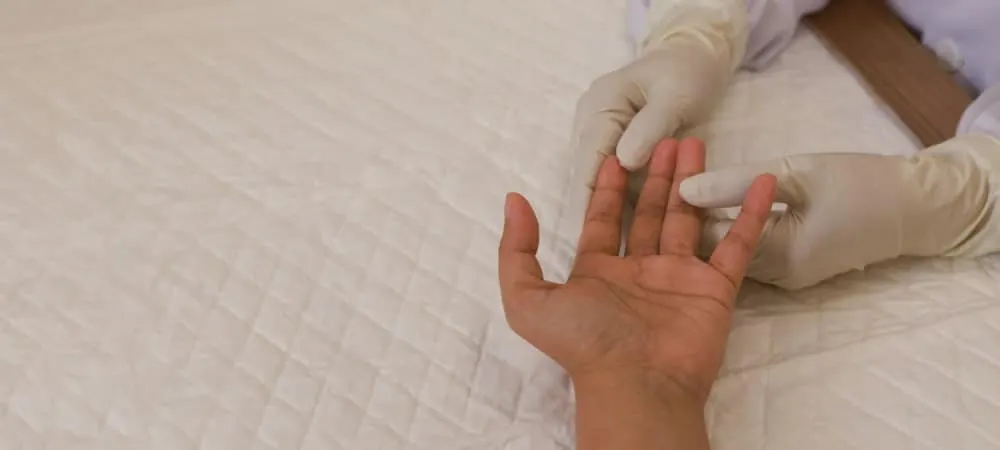
Secondary Syphilis: A rough, bumpy syphilis rash appears 1-6 months after the chancre heals. These rashes can cover the entire body, including the palms of the hands and soles of the feet. Although the rashes do not itch, they can cause symptoms such as fever, wart-like sores, hair loss, swollen lymph nodes, weight loss, and muscle aches. Additionally, raised, gray-white lesions may develop in moist and warm areas of the body such as the mouth, genitals, anus, and armpits. These symptoms can develop and disappear over long periods. The disappearance of symptoms does not mean that the disease has disappeared; medication is still required. If left untreated, the infection progresses to the latent stage.
Latent Syphilis: When primary and secondary syphilis are not treated, it progresses to the latent stage. At this stage, no external symptoms develop. In some cases, mild flare-ups may occur periodically. In latent syphilis, the infection can damage the heart, bones, nerves, and organs. This stage can last for many years. Transmission to a partner is usually rare in the latent stage.
Late (Tertiary) Syphilis: In most patients, this phase is not reached. This is because the infection resolves on its own or the symptoms are mild. In some patients, it progresses to the late syphilis stage, which causes serious health problems. These health problems can include heart disease, nerve damage, vision disorders including blindness, heart diseases, brain damage, dementia, and cognitive health problems.
Small bumps and tumors on the skin, bones, liver, or other organs,
Neurological problems such as paralysis, headache, meningitis, personality changes, and focus problems, loss of memory and decision-making skills,
Eye problems such as ocular syphilis, eye pain, blindness, and redness,
Ear problems such as otosyphilis, hearing loss, tinnitus, and vertigo,
Cardiovascular problems such as swelling of the aorta (the main artery) and other blood vessels, and heart valve damage,
Pregnancy and birth complications such as miscarriage, stillbirth, and the death of the baby within a few days after birth.
How Does Syphilis Occur?
Syphilis develops due to a bacterial infection; transmission occurs if there is contact with a syphilis sore on another patient's body. Bacteria can also enter the body through skin cuts and mucous membranes. This usually happens during sexual activity; transmission also occurs if the same needle is shared with an infected patient during intravenous drug administration. Transmission via congenital (birth) syphilis and breastfeeding is also possible. Syphilis does not spread through toilet seats, door handles, swimming pools, hot tubs, bathtubs, clothing, or eating utensils. Every sexually active individual has the possibility of contracting syphilis. However, in some cases, the risk of developing the disease is higher:
Engaging in unprotected sexual intercourse,
Having multiple partners,
Having the HIV virus that causes AIDS,
Patients with other sexually transmitted diseases such as gonorrhea, chlamydia, or herpes,
Being male.
How is Syphilis Diagnosed?
Syphilis diagnosis is based on the person's medical and sexual history, physical examination, laboratory tests, and sometimes radiological methods. During the examination, the physician asks the patient whether they have engaged in safe sexual intercourse and what symptoms have developed. It is important to be as open and honest as possible in the discussions held with the physician at this stage. Doctors may request the following tests for syphilis diagnosis:
Blood Tests: Two types of blood tests can be requested: treponemal tests and non-treponemal tests. Non-treponemal tests check for antibodies produced in syphilis patients. They usually need to be confirmed with treponemal tests because these antibodies can also be produced due to other diseases. Treponemal tests detect specific antibodies that the body produces in response to the Treponema pallidum bacterium.
Examination of Fluid from the Sore: Fluids from the sore are taken with the help of a cotton swab and examined under a microscope.
Examination of the Fluid Surrounding the Brain and Spinal Cord: Cerebrospinal fluid is examined when neurological problems related to syphilis develop.
How is Syphilis Treated?
Syphilis is a disease that can be treated with antibiotics. For this reason, it is recommended to consult a healthcare professional immediately after noticing symptoms, so that diagnosis and treatment can be carried out as early as possible. Antibiotics are drugs that provide treatment for bacterial infections. Penicillin-derivative drugs are most commonly used in treatment. This is usually the preferred treatment procedure for the early stage of syphilis. Other antibiotic drugs can also be used in advanced stages. The dose of the drug and the duration of its application are determined by the physician according to the developing syphilis symptoms. Congenital syphilis can also be prevented with treatment. If the expectant mother's treatment has been successful, the syphilis disease is not transmitted to the baby. After the treatment is completed, they should avoid situations such as sexual activity and breastfeeding until it is determined through various tests that the infection has completely passed.
Frequently Asked Questions About Syphilis
Syphilis is transmitted through contact with infectious syphilis sores during vaginal, oral, and anal sexual intercourse. It can rarely spread through kissing or touching body parts such as the lips, tongue, mouth, and breasts. It can be transmitted through the placenta during pregnancy or through milk during breastfeeding. Syphilis patients are typically highly contagious in the early stages of the disease. In some cases, syphilis can spread through needle sticks, injuries, or contaminated injection equipment. In some cases, syphilis can also be transmitted through blood transfusions, but this risk is very low. This is because donors who will donate blood are subjected to detailed screening tests. Syphilis disease can be diagnosed and treated by urologists, dermatologists, gynecologists, and infectious disease specialists. There is no itching among the symptoms caused by the syphilis infection. Rashes that spread throughout the body usually occur, but these rashes do not cause itching. The complaint of itching may be a harbinger of other diseases, so it is recommended to consult a dermatologist. Syphilis disease is extremely contagious, especially in the first and second stages. The disease can be transmitted through direct contact with sores, and lesions formed inside the vagina and rectum. Syphilis is a treatable disease caused by a bacterial infection. If left untreated, it can lead to many serious complications. For this reason, it is recommended to take the necessary precautions during sexual intercourse, to understand the symptoms of syphilis well, and to consult a physician as soon as possible if symptoms appear. If you have noticed symptoms related to sexual health in recent days or think you are at risk for syphilis, you can make an appointment with our specialist Infectious Diseases physicians without delay.
Make an Appointment Now
Start with the right assessment for What is Syphilis? Symptoms, Treatment, and Transmission Routes
Share your symptoms with our specialist physicians; let us determine the right diagnosis and treatment plan together.
Warning
If your symptoms started suddenly, are progressing rapidly, or significantly restrict your daily life, consult a physician without delay.
Plan your What is Syphilis? Symptoms, Treatment, and Transmission Routes journey with our specialists.
Fill in the form or book an appointment to learn about treatment options, the process and preparation.