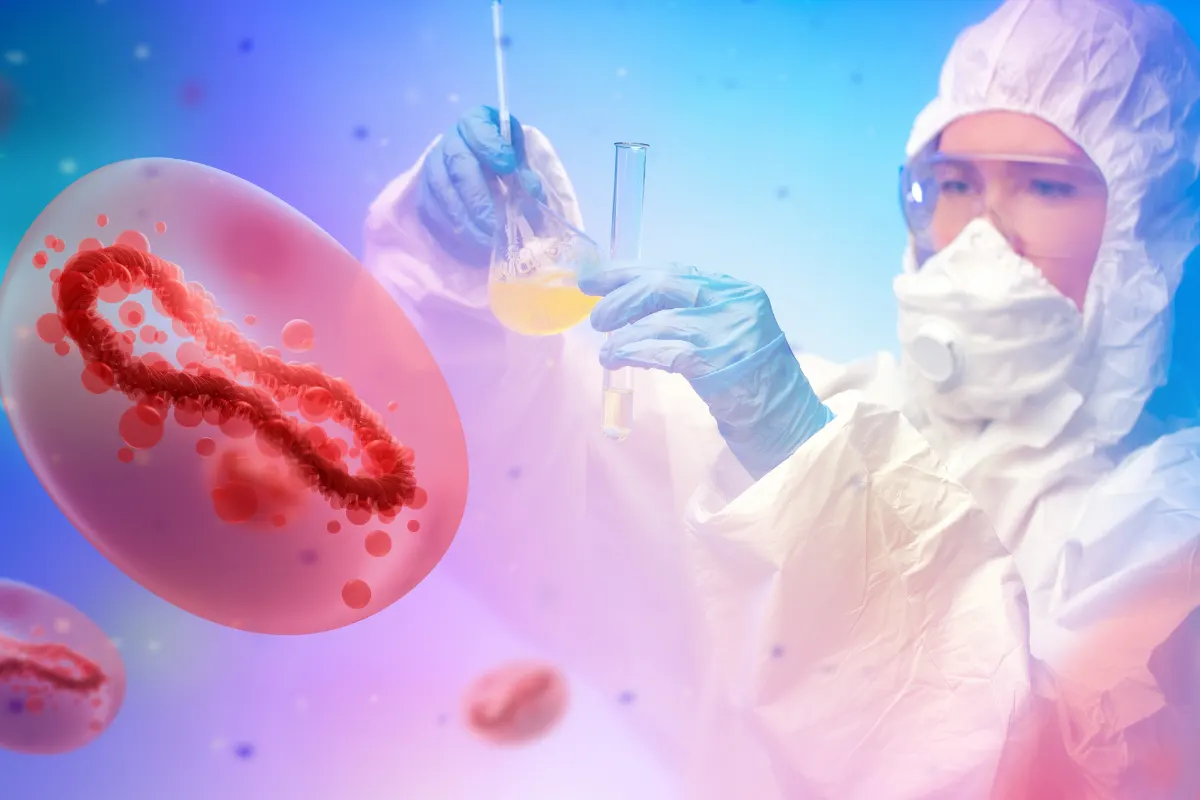
Monkeypox virus disease is a rare disease caused by infection with the monkeypox virus. Monkeypox virus is part of the same virus family as the variola virus, which causes smallpox. Monkeypox symptoms are similar to smallpox symptoms, but milder, and monkeypox is rarely fatal.
Monkeypox is not a new disease. It was first identified in monkeys in 1958, and in humans it was first seen in 1970 in the Democratic Republic of the Congo.
It is estimated that several hundred cases occur each year in Africa. The disease is occasionally carried to other continents through infected animals or people, where it has been seen to affect a small number of people. Monkeypox symptoms may include:
Fever
Headache
Muscle aches and back pain
Swollen lymph nodes
Chills
Fatigue
Respiratory symptoms (e.g., sore throat, nasal congestion or cough). The rash will go through several stages before healing, including scabs.
The rash may look like pimples or blisters and may be painful or itchy. You may experience all or only some of the symptoms. Sometimes people first develop redness, followed by other symptoms.
Others only experience redness. Some people have developed a rash before (or without) other symptoms.
Monkeypox symptoms usually begin within 3 weeks after exposure to the virus. If someone has flu-like symptoms, a rash usually develops 1–4 days later. Monkeypox virus symptoms usually begin within 3 weeks after exposure to the virus.
If someone has flu-like symptoms, a rash usually develops 1–4 days later. Monkeypox virus can spread from the time symptoms begin until the rash heals, all scabs have fallen off and a new layer of skin has formed.
The disease typically lasts 2–4 weeks. Although monkeypox is a newly emerging disease, it is recommended that you monitor changes in your body and consult the infectious diseases department if you notice anything abnormal.
How Does Monkeypox Virus Spread?
Monkeypox can spread to anyone, generally through skin-to-skin contact, including through the following means:
Direct contact with the monkeypox rash, scabs or body fluids of a person who has monkeypox.
Touching objects, fabrics (clothing, pillowcases, sheets or towels, etc.) and surfaces that have been touched by a person with monkeypox.
Contact through the upper respiratory tract.
Hugging, handshakes, massage and kissing.
Face-to-face contact over a long period of time.
Touching bedding, towels and other undisinfected fabrics and objects used by a person with monkeypox.
Always wear a mask, gloves or other protection when caring for someone with monkeypox or with signs of the disease.
So far, a low fatality rate of 3–6% has been recorded for monkeypox.
The majority of these are young patients with secondary illnesses. Is monkeypox fatal? The less severe West African clade is causing the current worldwide outbreak (2022).
Monkeypox can lead to pneumonia and infections of the brain (encephalitis), as well as other complications that can be fatal. People can transmit it from animals to humans when infected animals scratch or bite them. It is also possible for people to get the monkeypox virus by preparing or eating meat from an infected animal.
A person who has contracted monkeypox virus can spread it to others from the moment symptoms begin until the rash on the body has completely healed and a new layer of skin has formed. The disease typically lasts 2–4 weeks.
A person showing signs of monkeypox may be more likely to spread the virus through respiratory secretions from the upper airways.
Although there is no direct antiviral treatment for monkeypox, patients are monitored with symptomatic treatment, and supportive medications such as fever reducers and pain relievers may be used.
Are There Ways to Protect Yourself from Monkeypox Virus?
To prevent the spread of monkeypox, follow these steps:
Avoid close, skin-to-skin contact with people who have a rash that looks like monkeypox.
Do not touch the rash or scabs of a person with monkeypox.
Do not kiss or hug a person with monkeypox.
Avoid contact with objects and surfaces used or touched by a person with monkeypox.
Do not share eating utensils or cups with a person who shows signs of monkeypox.
Do not handle or touch the bedding, towels or clothing of a person with monkeypox.
Wash your hands frequently with soap and water, especially before eating and before touching your face, or use a hand sanitizer with a high alcohol content.
How Is Monkeypox Virus Treated?
There is currently no specific treatment for monkeypox virus. However, because of its similarities to smallpox and monkeypox disease, smallpox antiviral treatments may be effective in treating monkeypox.
Although monkeypox is a newly emerging disease, it is recommended that you monitor changes in your body and consult the infectious diseases department if you notice anything abnormal.
What Should You Do If You Are Exposed to Monkeypox Virus?
Persons who have come into contact with an infected person or animal should monitor their health for three weeks after this exposure. As long as you have no symptoms, you can continue your normal activities. During this three-week period, it is recommended that you do not donate blood, cells, tissue, breast milk or organs.
If you have come into contact with an infected person or animal, you can take the following steps:
Check your temperature at least twice a day.
If you develop a high fever, chills, swollen lymph nodes or a new rash, isolate yourself immediately and contact your local or state health department for further guidance.
If you only have chills and swollen glands, but no fever or rash, isolate yourself at home for 24 hours. If you have a fever during this time, be sure to contact the health department.
If you do not develop a fever, but still have chills or swollen glands after 24 hours, be sure to consult your doctor for diagnosis.
What You Need to Know About Monkeypox Disease
Monkeypox spreads through close contact and exposure to the respiratory droplets, skin lesions or other body fluids of an infected person.
Monkeypox symptoms include swollen lymph nodes, fever, and a rash that initially appears on the genital or anal area and may be confused with chickenpox or a sexually transmitted disease.
The infection can be fatal, but in most cases it clears up on its own.
Monkeypox can be severe in young children.
Because transmission risk factors require close personal contact, a pandemic like the one caused by SARS-CoV-2 (the coronavirus that causes COVID-19) is not expected, although the infection is spreading.
Does Chickenpox Vaccine Help Against Monkeypox Virus?
It is also known that the smallpox vaccine developed against smallpox provides 85 percent protection against monkeypox. On the other hand, it has been reported that antiviral drugs are also effective.
Start with the right assessment for What Is Monkeypox Virus?
Share your symptoms with our specialist physicians; let us determine the right diagnosis and treatment plan together.
Warning
If your symptoms started suddenly, are progressing rapidly, or significantly restrict your daily life, consult a physician without delay.
Plan your What Is Monkeypox Virus? journey with our specialists.
Fill in the form or book an appointment to learn about treatment options, the process and preparation.