What Is a Viral Infection? What Are Its Symptoms?
Contrary to popular belief, people live alongside microorganisms in their daily lives. Most microorganisms persist without harming human health, but some can cause various infections when they enter the body. Infectious diseases are health problems that arise when microorganisms that harm the human body enter and multiply within it. Microorganisms are divided into 7 classes, namely fungi, bacteria, parasites, archaea, protozoa, algae and viruses . Each can enter the body through different mechanisms and cause various diseases. Detailed information on topics such as “causes, symptoms, diagnosis and treatment methods of viral infections” is provided later in this article.
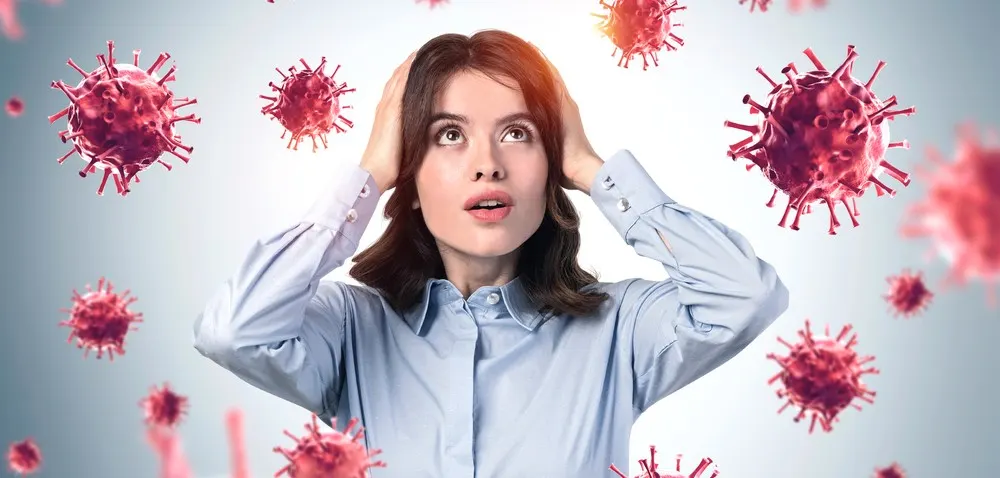
Viral infections are diseases caused by the entry into the body of microorganisms called viruses, which can be seen under a microscope. Viruses are tiny organisms that can multiply using the cells of the body. Viruses, a type of microscopic pathogen that carries genetic information (DNA or RNA) within a protective capsule, need a host in order to multiply and survive. For this reason, they enter the cells of the host and use the cell's mechanisms.
Viral infections can affect different regions of the body, primarily the respiratory system. The main infectious diseases caused by these microorganisms can be listed as follows:
Respiratory tract infections are diseases that affect the upper and lower respiratory tracts, that is, organs such as the nose, throat and lungs. Diseases such as the common cold, influenza, pneumonia and COVID-19 can arise as a result of infections caused by viruses. The main symptoms of respiratory tract infections include coughing, sneezing, runny nose, sore throat, shortness of breath and similar symptoms.
Digestive system infections affect the stomach, intestines and liver. Viruses such as norovirus, rotavirus and hepatitis viruses can lead to digestive problems such as nausea, vomiting, diarrhea and abdominal pain.
In addition, infections called viral hemorrhagic fevers may also be seen. Hemorrhagic fevers are characterized by viruses affecting blood clotting, leading to weakening of blood vessels and severe bleeding. Diseases such as Ebola, Hantavirus , severe dengue and yellow fever can be given as examples of these types of infections.
Sexually transmitted viruses also form an important group of infections. Viruses such as HIV (human immunodeficiency virus), HPV (human papillomavirus) and hepatitis B can spread through sexual contact and cause infectious diseases.
Viral infection symptoms may vary depending on factors such as the part of the body where the infection occurs, the person's immune system, the way the virus enters the body, the amount of virus taken in, and the person's age. Some symptoms commonly seen in viral infectious diseases are as follows :
High fever,
Headache and body aches,
Fatigue,
Sore throat, cough, sneezing,
Nausea, vomiting, diarrhea,
Skin rash and sores.
In addition to those listed above, the vast majority of viral infections resolve on their own without showing any symptoms.
Infection symptoms generally appear as a reaction of the body's immune system. The immune system recognizes viruses and fights to neutralize them. During this fight, inflammation and some other side effects may occur in the body. As part of the immune response, complaints such as high fever, body aches and weakness may be seen in the person.
Viral infection symptoms generally appear a few days after infection with the virus and may last several weeks. While some infections present with mild symptoms, others may be more serious and life-threatening. Therefore, if you are experiencing problems such as high fever, body aches, sore throat or cough, do not neglect to make an appointment with a doctor specialized in the field and have your check-ups without delay.
Antibiotic Use in Viral Infections
Although there is a common belief among the public that antibiotics should be used for viral infectious diseases such as influenza and the common cold, this belief is not correct. Viruses form a separate class among microbes, which include bacteria. Antibiotics are drugs developed to treat bacterial infections. One of the important differences between viruses and bacteria is that bacteria have their own cells. In other words, bacteria do not need any host to reproduce . Viruses, on the other hand, are very different microorganisms from bacteria, and the structure, survival and reproduction characteristics of viruses are different. Also, unlike bacteria, they have no cell walls and are surrounded by a protective coat.
Antibiotics are one of the main treatment methods for bacterial infections. Antibiotics stop the growth of bacteria or impair their ability to reproduce and spread. They can act against infections by preventing the spread of microorganisms and/or damaging their cell walls. In viral infections, however, antibiotic use is ineffective, because viruses have properties different from those of bacteria .
Research shows that one of the important causes of the development of resistance to antibiotics is the incorrect use of antibiotics. Therefore, if you have any infectious disease, do not neglect to consult a specialist doctor and have the necessary check-ups before using antibiotics.
How Is Viral Infection Treated?
In the treatment of viral infections, it is important first to identify the virus that causes the infection. For this purpose, certain diagnostic methods are used today. In the past, diagnosing viral diseases was a time-consuming process, but today, thanks to rapid tests such as ELISA and molecular methods such as PCR, the diagnostic process has become faster and safer.
With positive developments in health technology, it is now possible to diagnose newly emerging viruses as well. The treatment of viral infectious diseases may vary depending on the virus that is the source of the infection. The main treatment methods used for viral infections are as follows :
Antiviral drugs: Antiviral drugs can help treat viral infections by preventing viruses from making copies of themselves. However, antiviral drugs often act only on one specific type of virus. For example, there are some antiviral drugs developed specifically for viruses such as influenza (flu), Covid-19 and herpes.
Plasma therapy: Plasma therapy involves treating people with some life-threatening viral infections through blood transfusion. In this treatment method, blood containing antibodies taken from a person who has been infected by the same virus and recovered is given to the infected person.
Post-exposure prophylaxis: Post-exposure prophylaxis is a treatment method applied after exposure to a virus in order to prevent the disease from developing. In case of suspected contact with a virus, antiviral drugs may be given to the person by healthcare professionals to prevent symptoms from starting and the infection from spreading.
Some viral infections resolve on their own without requiring any treatment, while some infections can cause serious complications, especially in people whose immune systems are weakened for various reasons and/or in children and the elderly. Therefore, preventing viral infections before they start is important. Today, vaccines are available against viral infections such as chickenpox, hepatitis A and B, Covid-19, HPV, influenza and rotavirus.
Frequently Asked Questions
Viral infections are among the common health problems that can affect every age group in society. Some of the questions frequently asked about viral infections are addressed below. Not every viral infection requires a hospital visit. Mild viral infections can often resolve on their own with rest at home, drinking plenty of fluids, and healthy, balanced nutrition. However, it is important to consult a health professional when symptoms are more severe, such as high fever, shortness of breath or signs of serious complications. In addition, people in risk groups such as the elderly, those with chronic diseases or those with weakened immune systems may need to receive medical care early. Therefore, an assessment by a healthcare professional regarding the seriousness of the infection and the course of symptoms is considered the most accurate approach. Some viruses can attack cells in the digestive system and cause infection in the stomach and intestines. Accordingly, nausea and vomiting may occur. Vomiting and nausea that arise due to viral infections are usually seen together with some other complaints. These may include symptoms such as diarrhea, abdominal pain, loss of appetite and high fever. The duration of recovery from an infection may vary depending on factors such as the type of virus, the severity of the infection, the person's age, immune system, and whether they have any other health problem. While mild viral infections such as the common cold usually resolve on their own within a few days, viral diseases such as influenza (flu) may take 1-2 weeks to pass. In addition, chronic viral infections such as HIV and hepatitis B and C may require longer-term treatment. When symptoms of infection are noticed, some methods applied at home can help alleviate symptoms. First of all, it is important to take care to get adequate rest. Also, the body may lose fluids during infection. For this reason, it is important to consume fluids in the recommended amounts during the illness, especially water, as well as herbal teas. If symptoms such as headache are present, applying a warm compress can also provide relief. In addition, if symptoms such as sore throat are present, gargling with salt water can also provide relief. Home-based methods can help alleviate symptoms and make the course of the infection easier to get through.
If you notice symptoms such as high fever, sore throat or nausea in yourself, do not neglect to apply to the nearest healthcare facility without delay and have the necessary check-ups.
Start with the right assessment for What Is a Viral Infection? What Are Its Symptoms?
Share your symptoms with our specialist physicians; let us determine the right diagnosis and treatment plan together.
Warning
If your symptoms started suddenly, are progressing rapidly, or significantly restrict your daily life, consult a physician without delay.
Plan your What Is a Viral Infection? What Are Its Symptoms? journey with our specialists.
Fill in the form or book an appointment to learn about treatment options, the process and preparation.