



Fill Out the Form to Get Information About Scintigraphy
What is Scintigraphy?
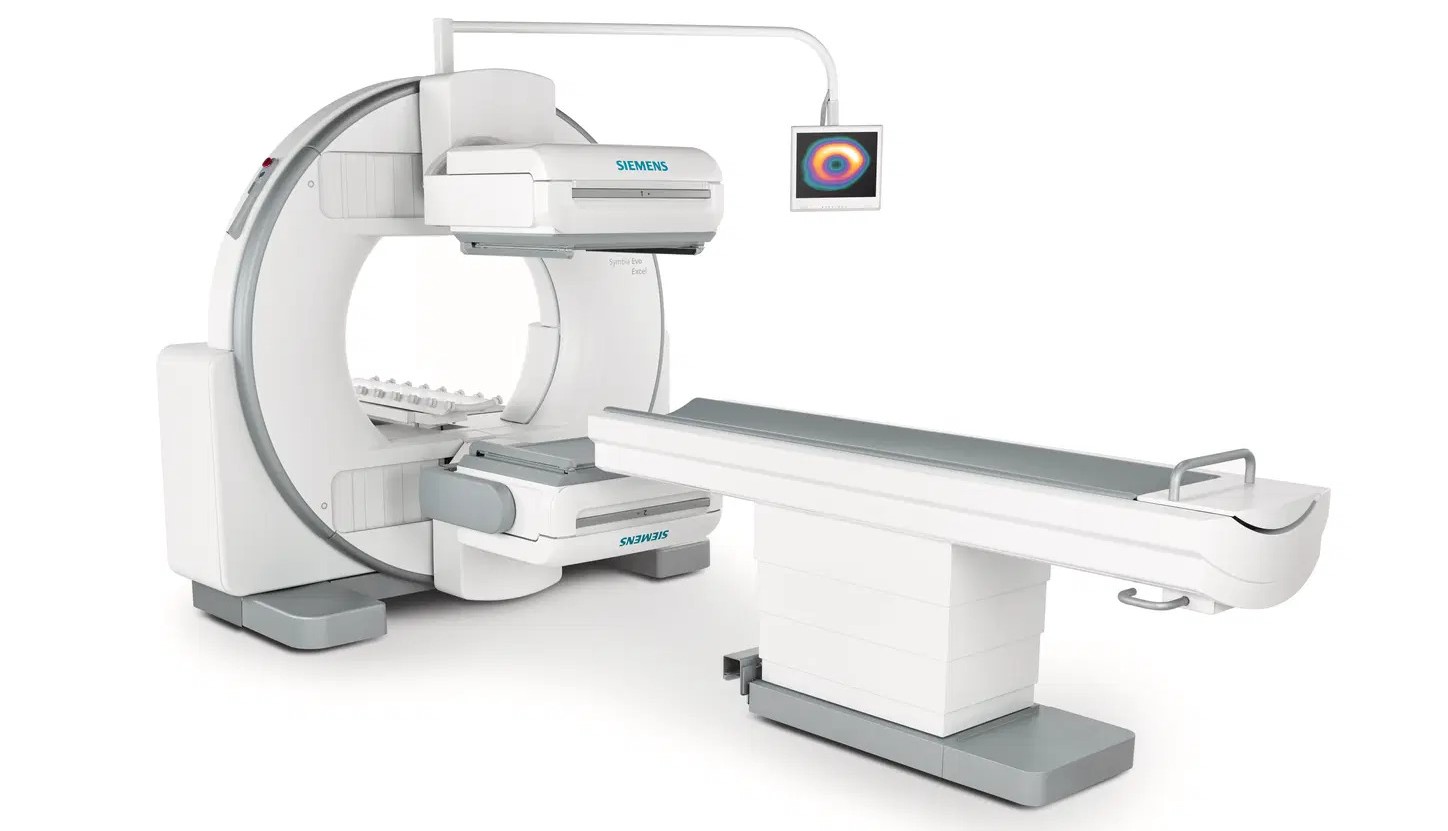
Scintigraphy is a medical imaging method used to examine the functions of organs and tissues in the body at the molecular level. In this method, a radioactive substance is injected into the patient’s body or inhaled or swallowed by the patient. A separate radioactive substance is used for each organ to be examined in the scintigraphy method. The radioactive substance distributes in the targeted organ or tissue in the body, and the weak radiation emitted from these areas is detected by a special scanning device called a gamma camera. Scintigraphy is one of the methods used in the diagnosis of various medical conditions, evaluation of treatment effectiveness, and monitoring. It plays an important role in assessing the functioning of organs such as bones, thyroid, kidneys, lungs, and heart.
Scintigraphy is considered a non-invasive imaging method and is regarded as safe for patients. The amount of radioactive substance is kept at low levels in accordance with safety standards. However, in some special situations such as pregnancy and breastfeeding, caution should be exercised regarding radiation exposure, and consultation with a doctor is recommended.
In Which Diseases is it Requested?
Scintigraphy is most commonly used in the diagnosis and treatment of the following diseases:
- Thyroid Diseases: Scintigraphy is used to evaluate the size, shape, and function of the thyroid gland. It plays an important role in diagnosing thyroid diseases such as thyroid nodules, goiter (enlargement of the thyroid gland), hyperthyroidism (overactive thyroid), and hypothyroidism (insufficient thyroid hormone). Thyroid scintigraphy can help determine whether thyroid nodules are benign or malignant (cancerous).
- Bone Diseases: Bone scintigraphy is used to detect tumors, metastases (cancer cells spreading from another organ), infections, fractures, and inflammatory processes in the bones. It can also be used in the diagnosis and monitoring of bone diseases such as avascular necrosis (damage due to interruption of blood flow to bone tissue).
- Lung Diseases: Lung scintigraphy is used to determine whether there is a blockage or clot in the lung vessels. It can assist in detecting pulmonary embolism (clots in the lung arteries) and other problems in lung vessels.
- Heart Diseases: Heart scintigraphy evaluates blood flow and oxygenation of the heart muscle. It can be used in the diagnosis of coronary artery disease, detection of damage to the heart muscle after heart attacks, and evaluation of heart functions.
- Kidney Diseases: Kidney scintigraphy evaluates the functions of the kidneys and is used in the diagnosis of conditions such as obstruction in the urinary tract, scar tissue in the kidney, or infection. It can also be used in the monitoring of kidney transplants and evaluation of kidney functions.
- Liver Diseases: Liver scintigraphy is also used to evaluate the function of the liver. It can assist in the diagnosis of liver tumors and in planning their treatment.
Scintigraphy is a more sensitive method compared to other imaging techniques and is effective in the early diagnosis of certain diseases. However, since it is a technique that involves radiation, it should be used cautiously in special situations such as pregnancy and breastfeeding. Scintigraphy is preferred by specialist physicians for diagnosing diseases.
Scintigraphy in Oncology
In oncology, scintigraphy is a valuable imaging method that plays an important role in cancer diagnosis and monitoring. This method helps to detect the distribution and metastases of cancerous cells in the body. Scintigraphy can be used to detect cancerous tissues by using a radioactive substance, determining the location and approximate size of these tissues. Scintigraphy can provide critical information for the treatment of cancer patients. Cancer is a serious health problem that occurs as a result of the abnormal and uncontrolled proliferation of cancer cells. The success of treatment depends on the early detection of cancerous cells and the determination of the potential for tumor spread. Scintigraphy plays an important role in this regard with the precise information it provides.
Scintigraphy is commonly used to detect the pattern of cancer spread in the body. Especially in metastatic cancers, scintigraphy is quite effective in determining the spread of cancer cells in the body. Metastasis is the formation of new tumors in a different area from the original tumor of cancer. This situation indicates a more advanced and serious stage of cancer. The scintigraphy procedure can be used to detect metastases in the body and map the locations of these areas. This makes it easier to create a treatment plan and determine the appropriate treatment method. Additionally, scintigraphy can assist in the diagnosis of lymphatic system cancers such as lymphoma and in planning their treatment. It is useful in detecting areas with high metabolic activity and determining the pattern of disease spread.
Scintigraphy also plays an important role in detecting bone metastases. Cancer cells can spread to the bones in certain types of cancer. This situation is often seen in advanced stages of cancer. Scintigraphy is an effective method for detecting metastases in bones and guiding the treatment process. Additionally, scintigraphy can be used in the diagnosis and monitoring of thyroid cancer.
Thyroid cancer occurs due to the abnormal growth of cells in the thyroid gland and their uncontrolled proliferation. Scintigraphy can help identify thyroid cancer cells and detect metastases using radioactive iodine. This way, important information about the stage of thyroid cancer and treatment methods can be obtained. Scintigraphy is a valuable tool used in conjunction with other imaging methods in cancer diagnosis and treatment guidance. In oncology, scintigraphy plays an important role in providing better diagnosis, treatment, and care for patients with the advancements in cancer diagnosis and treatment.
How is Scintigraphy Performed?
It is important to move carefully and follow your doctor’s instructions during scintigraphy. Here are the basic steps of the scintigraphy process:
- Preparation: Before scintigraphy, your doctor usually gives you preparation instructions. It is important to carefully follow these instructions. Generally, a special diet or medication may not be required for scintigraphy. However, in some cases, the patient may need to be fasting or not fasting for the administration of the radioactive substance.
- Application of Radioactive Substance: The radioactive substance for scintigraphy can be injected into the patient, taken orally, dripped, or inhaled. After the radioactive substance is administered, it distributes to the targeted organ or tissue and provides physiological functional information.
- Waiting Period: The radioactive substance requires time to reach and accumulate in the target organs in the body. Therefore, in some cases, you may need to spend a certain waiting period after the application. During this time, the patient’s movement may be limited.
- Imaging: When the radioactive substance settles and accumulates in the targeted organ, imaging is performed using a gamma camera, which is the scintigraphy device. This camera detects the weak radiation emitted from the body and processes it into an image with the help of a computer.
- Duration of Imaging: During scintigraphy, the gamma camera may need to remain in certain positions. During this time, the patient should remain still and calm. In some cases, multiple images may be taken in different positions.
- Post-Procedure: The scintigraphy procedure is generally painless and completed in a short time. After the procedure, patients are usually allowed to return to their normal daily activities. However, it is important to drink plenty of water and urinate frequently to eliminate the radioactive substance from the body.
Scintigraphy is generally considered a safe imaging method for patients. However, as with any medical procedure, the special circumstances of individuals undergoing scintigraphy should be taken into account, and they should be appropriately guided by a doctor.
Frequently Asked Questions
To learn frequently asked questions and answers about the scintigraphy procedure, you can read the continuation of the text.
What to Consider Before Scintigraphy?
Some important points to consider before scintigraphy are as follows:
- Health status and medical history: You should share your health status and medical history in detail with your doctor to determine whether you are a suitable candidate for scintigraphy. Information such as pregnancy or breastfeeding, allergies, and previous radiation treatments is particularly important.
- Medications and supplements: The radionuclide substances used during scintigraphy can interact with certain medications and supplements. Therefore, you should share all the medications and supplements you are taking with your doctor. It should be noted that some medications, especially blood thinners and thyroid medications, can affect scintigraphy results.
- Pregnancy and breastfeeding status: It is known that the radionuclide substances used during scintigraphy can pass to the fetus or breast milk. Therefore, if you are pregnant or breastfeeding, you should discuss this situation with your doctor and inquire about alternative imaging methods.
- Allergies: If you have an allergy to the radionuclide substances or other contrast agents to be used for scintigraphy, you should inform your doctor. This may lead to the preference for an alternative imaging method or the implementation of allergy precautions.
- Other medical conditions: Certain medical conditions such as diabetes, kidney diseases, or thyroid diseases are other factors to consider before scintigraphy.
- Procedure process and preparation: You should obtain information from your doctor about the preparation process and details of the scintigraphy procedure. You may need to follow guidelines such as coming fasting or not fasting, and restricting fluid or food intake for certain periods before the procedure.
How Long Does the Scintigraphy Procedure Take?
The duration of the scintigraphy procedure may vary depending on the individual’s health status and which organ is being examined. Generally, the scintigraphy process can take between 1 to 4 hours. The procedure involves administering the radionuclide substance to the body and waiting for a certain period. During this time, the body absorbs the radionuclide substances, and the radiation emissions of the organ or region are imaged using a camera. The preparation process for scintigraphy can also affect the duration of the procedure. For example, it may be necessary to restrict fluid or food intake for certain periods before the administration of the radionuclide substance. These preparation steps can extend the duration of the procedure.
Specialist doctors at Hisar Hospital Intercontinental can perform comprehensive examinations for patients by conducting scintigraphy when necessary. You can apply immediately to have scintigraphy performed or to gain more information about this topic.
Scintigraphy is most commonly used in the diagnosis and treatment of the following diseases:
- Thyroid Diseases: Scintigraphy is used to evaluate the size, shape, and function of the thyroid gland. It plays an important role in diagnosing thyroid diseases such as thyroid nodules, goiter (enlargement of the thyroid gland), hyperthyroidism (overactive thyroid), and hypothyroidism (insufficient thyroid hormone). Thyroid scintigraphy can help determine whether thyroid nodules are benign or malignant (cancerous).
- Bone Diseases: Bone scintigraphy is used to detect tumors, metastases (cancer cells spreading from another organ), infections, fractures, and inflammatory processes in the bones. It can also be used in the diagnosis and monitoring of bone diseases such as avascular necrosis (damage due to interruption of blood flow to bone tissue).
- Lung Diseases: Lung scintigraphy is used to determine whether there is a blockage or clot in the lung vessels. It can assist in detecting pulmonary embolism (clots in the lung arteries) and other problems in lung vessels.
- Heart Diseases: Heart scintigraphy evaluates blood flow and oxygenation of the heart muscle. It can be used in the diagnosis of coronary artery disease, detection of damage to the heart muscle after heart attacks, and evaluation of heart functions.
- Kidney Diseases: Kidney scintigraphy evaluates the functions of the kidneys and is used in the diagnosis of conditions such as obstruction in the urinary tract, scar tissue in the kidney, or infection. It can also be used in the monitoring of kidney transplants and evaluation of kidney functions.
- Liver Diseases: Liver scintigraphy is also used to evaluate the function of the liver. It can assist in the diagnosis of liver tumors and in planning their treatment.
- Bone Diseases: Bone scintigraphy is used to detect tumors, metastases (cancer cells spreading from another organ), infections, fractures, and inflammatory processes in the bones. It can also be used in the diagnosis and monitoring of bone diseases such as avascular necrosis (damage due to interruption of blood flow to bone tissue).
Scintigraphy is a more sensitive method compared to other imaging techniques and is effective in the early diagnosis of certain diseases. However, since it is a technique that involves radiation, it should be used cautiously in special situations such as pregnancy and breastfeeding. Scintigraphy is preferred by specialist physicians for diagnosing diseases.
Scintigraphy in Oncology
In oncology, scintigraphy is a valuable imaging method that plays an important role in cancer diagnosis and monitoring. This method helps to detect the distribution and metastases of cancerous cells in the body. Scintigraphy can be used to detect cancerous tissues by using a radioactive substance, determining the location and approximate size of these tissues. Scintigraphy can provide critical information for the treatment of cancer patients. Cancer is a serious health problem that occurs as a result of the abnormal and uncontrolled proliferation of cancer cells. The success of treatment depends on the early detection of cancerous cells and the determination of the potential for tumor spread. Scintigraphy plays an important role in this regard with the precise information it provides.
Scintigraphy is commonly used to detect the pattern of cancer spread in the body. Especially in metastatic cancers, scintigraphy is quite effective in determining the spread of cancer cells in the body. Metastasis is the formation of new tumors in a different area from the original tumor of cancer. This situation indicates a more advanced and serious stage of cancer. The scintigraphy procedure can be used to detect metastases in the body and map the locations of these areas. This makes it easier to create a treatment plan and determine the appropriate treatment method. Additionally, scintigraphy can assist in the diagnosis of lymphatic system cancers such as lymphoma and in planning their treatment. It is useful in detecting areas with high metabolic activity and determining the pattern of disease spread.
Scintigraphy also plays an important role in detecting bone metastases. Cancer cells can spread to the bones in certain types of cancer. This situation is often seen in advanced stages of cancer. Scintigraphy is an effective method for detecting metastases in bones and guiding the treatment process. Additionally, scintigraphy can be used in the diagnosis and monitoring of thyroid cancer.
Thyroid cancer occurs due to the abnormal growth of cells in the thyroid gland and their uncontrolled proliferation. Scintigraphy can help identify thyroid cancer cells and detect metastases using radioactive iodine. This way, important information about the stage of thyroid cancer and treatment methods can be obtained. Scintigraphy is a valuable tool used in conjunction with other imaging methods in cancer diagnosis and treatment guidance. In oncology, scintigraphy plays an important role in providing better diagnosis, treatment, and care for patients with the advancements in cancer diagnosis and treatment.
How is Scintigraphy Performed?
It is important to move carefully and follow your doctor’s instructions during scintigraphy. Here are the basic steps of the scintigraphy process:
- Preparation: Before scintigraphy, your doctor usually gives you preparation instructions. It is important to carefully follow these instructions. Generally, a special diet or medication may not be required for scintigraphy. However, in some cases, the patient may need to be fasting or not fasting for the administration of the radioactive substance.
- Application of Radioactive Substance: The radioactive substance for scintigraphy can be injected into the patient, taken orally, dripped, or inhaled. After the radioactive substance is administered, it distributes to the targeted organ or tissue and provides physiological functional information.
- Waiting Period: The radioactive substance requires time to reach and accumulate in the target organs in the body. Therefore, in some cases, you may need to spend a certain waiting period after the application. During this time, the patient’s movement may be limited.
- Imaging: When the radioactive substance settles and accumulates in the targeted organ, imaging is performed using a gamma camera, which is the scintigraphy device. This camera detects the weak radiation emitted from the body and processes it into an image with the help of a computer.
- Duration of Imaging: During scintigraphy, the gamma camera may need to remain in certain positions. During this time, the patient should remain still and calm. In some cases, multiple images may be taken in different positions.
- Post-Procedure: The scintigraphy procedure is generally painless and completed in a short time. After the procedure, patients are usually allowed to return to their normal daily activities. However, it is important to drink plenty of water and urinate frequently to eliminate the radioactive substance from the body.
Scintigraphy is generally considered a safe imaging method for patients. However, as with any medical procedure, the special circumstances of individuals undergoing scintigraphy should be taken into account, and they should be appropriately guided by a doctor.
Frequently Asked Questions
To learn frequently asked questions and answers about the scintigraphy procedure, you can read the continuation of the text.
What to Consider Before Scintigraphy?
Some important points to consider before scintigraphy are as follows:
- Health status and medical history: You should share your health status and medical history in detail with your doctor to determine whether you are a suitable candidate for scintigraphy. Information such as pregnancy or breastfeeding, allergies, and previous radiation treatments is particularly important.
- Medications and supplements: The radionuclide substances used during scintigraphy can interact with certain medications and supplements. Therefore, you should share all the medications and supplements you are taking with your doctor. It should be noted that some medications, especially blood thinners and thyroid medications, can affect scintigraphy results.
- Pregnancy and breastfeeding status: It is known that the radionuclide substances used during scintigraphy can pass to the fetus or breast milk. Therefore, if you are pregnant or breastfeeding, you should discuss this situation with your doctor and inquire about alternative imaging methods.
- Allergies: If you have an allergy to the radionuclide substances or other contrast agents to be used for scintigraphy, you should inform your doctor. This may lead to the preference for an alternative imaging method or the implementation of allergy precautions.
- Other medical conditions: Certain medical conditions such as diabetes, kidney diseases, or thyroid diseases are other factors to consider before scintigraphy.
- Procedure process and preparation: You should obtain information from your doctor about the preparation process and details of the scintigraphy procedure. You may need to follow guidelines such as coming fasting or not fasting, and restricting fluid or food intake for certain periods before the procedure.
How Long Does the Scintigraphy Procedure Take?
The duration of the scintigraphy procedure may vary depending on the individual’s health status and which organ is being examined. Generally, the scintigraphy process can take between 1 to 4 hours. The procedure involves administering the radionuclide substance to the body and waiting for a certain period. During this time, the body absorbs the radionuclide substances, and the radiation emissions of the organ or region are imaged using a camera. The preparation process for scintigraphy can also affect the duration of the procedure. For example, it may be necessary to restrict fluid or food intake for certain periods before the administration of the radionuclide substance. These preparation steps can extend the duration of the procedure.
Specialist doctors at Hisar Hospital Intercontinental can perform comprehensive examinations for patients by conducting scintigraphy when necessary. You can apply immediately to have scintigraphy performed or to gain more information about this topic.
It is important to move carefully and follow your doctor’s instructions during scintigraphy. Here are the basic steps of the scintigraphy process:
- Preparation: Before scintigraphy, your doctor usually gives you preparation instructions. It is important to carefully follow these instructions. Generally, a special diet or medication may not be required for scintigraphy. However, in some cases, the patient may need to be fasting or not fasting for the administration of the radioactive substance.
- Application of Radioactive Substance: The radioactive substance for scintigraphy can be injected into the patient, taken orally, dripped, or inhaled. After the radioactive substance is administered, it distributes to the targeted organ or tissue and provides physiological functional information.
- Waiting Period: The radioactive substance requires time to reach and accumulate in the target organs in the body. Therefore, in some cases, you may need to spend a certain waiting period after the application. During this time, the patient’s movement may be limited.
- Imaging: When the radioactive substance settles and accumulates in the targeted organ, imaging is performed using a gamma camera, which is the scintigraphy device. This camera detects the weak radiation emitted from the body and processes it into an image with the help of a computer.
- Duration of Imaging: During scintigraphy, the gamma camera may need to remain in certain positions. During this time, the patient should remain still and calm. In some cases, multiple images may be taken in different positions.
- Post-Procedure: The scintigraphy procedure is generally painless and completed in a short time. After the procedure, patients are usually allowed to return to their normal daily activities. However, it is important to drink plenty of water and urinate frequently to eliminate the radioactive substance from the body.
Scintigraphy is generally considered a safe imaging method for patients. However, as with any medical procedure, the special circumstances of individuals undergoing scintigraphy should be taken into account, and they should be appropriately guided by a doctor.
Frequently Asked Questions
To learn frequently asked questions and answers about the scintigraphy procedure, you can read the continuation of the text.
What to Consider Before Scintigraphy?
Some important points to consider before scintigraphy are as follows:
- Health status and medical history: You should share your health status and medical history in detail with your doctor to determine whether you are a suitable candidate for scintigraphy. Information such as pregnancy or breastfeeding, allergies, and previous radiation treatments is particularly important.
- Medications and supplements: The radionuclide substances used during scintigraphy can interact with certain medications and supplements. Therefore, you should share all the medications and supplements you are taking with your doctor. It should be noted that some medications, especially blood thinners and thyroid medications, can affect scintigraphy results.
- Pregnancy and breastfeeding status: It is known that the radionuclide substances used during scintigraphy can pass to the fetus or breast milk. Therefore, if you are pregnant or breastfeeding, you should discuss this situation with your doctor and inquire about alternative imaging methods.
- Allergies: If you have an allergy to the radionuclide substances or other contrast agents to be used for scintigraphy, you should inform your doctor. This may lead to the preference for an alternative imaging method or the implementation of allergy precautions.
- Other medical conditions: Certain medical conditions such as diabetes, kidney diseases, or thyroid diseases are other factors to consider before scintigraphy.
- Procedure process and preparation: You should obtain information from your doctor about the preparation process and details of the scintigraphy procedure. You may need to follow guidelines such as coming fasting or not fasting, and restricting fluid or food intake for certain periods before the procedure.
How Long Does the Scintigraphy Procedure Take?
The duration of the scintigraphy procedure may vary depending on the individual’s health status and which organ is being examined. Generally, the scintigraphy process can take between 1 to 4 hours. The procedure involves administering the radionuclide substance to the body and waiting for a certain period. During this time, the body absorbs the radionuclide substances, and the radiation emissions of the organ or region are imaged using a camera. The preparation process for scintigraphy can also affect the duration of the procedure. For example, it may be necessary to restrict fluid or food intake for certain periods before the administration of the radionuclide substance. These preparation steps can extend the duration of the procedure.
Specialist doctors at Hisar Hospital Intercontinental can perform comprehensive examinations for patients by conducting scintigraphy when necessary. You can apply immediately to have scintigraphy performed or to gain more information about this topic.
Some important points to consider before scintigraphy are as follows:
- Health status and medical history: You should share your health status and medical history in detail with your doctor to determine whether you are a suitable candidate for scintigraphy. Information such as pregnancy or breastfeeding, allergies, and previous radiation treatments is particularly important.
- Medications and supplements: The radionuclide substances used during scintigraphy can interact with certain medications and supplements. Therefore, you should share all the medications and supplements you are taking with your doctor. It should be noted that some medications, especially blood thinners and thyroid medications, can affect scintigraphy results.
- Pregnancy and breastfeeding status: It is known that the radionuclide substances used during scintigraphy can pass to the fetus or breast milk. Therefore, if you are pregnant or breastfeeding, you should discuss this situation with your doctor and inquire about alternative imaging methods.
- Allergies: If you have an allergy to the radionuclide substances or other contrast agents to be used for scintigraphy, you should inform your doctor. This may lead to the preference for an alternative imaging method or the implementation of allergy precautions.
- Other medical conditions: Certain medical conditions such as diabetes, kidney diseases, or thyroid diseases are other factors to consider before scintigraphy.
- Procedure process and preparation: You should obtain information from your doctor about the preparation process and details of the scintigraphy procedure. You may need to follow guidelines such as coming fasting or not fasting, and restricting fluid or food intake for certain periods before the procedure.