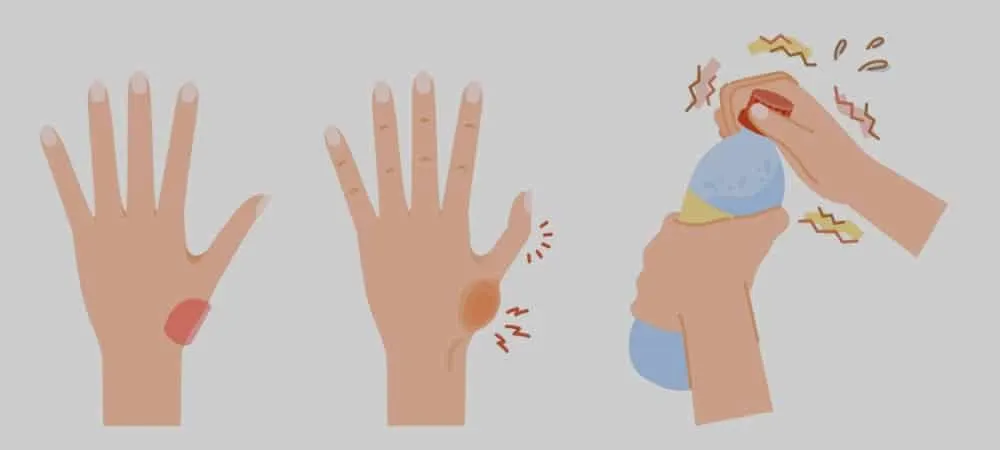
Trigger finger, known in medical literature as stenosing tenosynovitis, is a health condition that causes finger pain and restricted movement due to swelling of the tendon sheaths surrounding the fingers. Although stenosing tenosynovitis mostly affects women over the age of 50, it can occur in any age group due to various reasons. Trigger finger is a health condition that can negatively affect daily life. This condition, which restricts the movement of the fingers, can lead to loss of function in the fingers over time. Thanks to our hospital's expertise in the field of orthopedic treatment, especially orthopedic surgery, trigger finger treatment can be planned appropriately for the patient, and patients can become able to perform tasks they previously struggled with in their daily lives due to stiffness in their fingers more easily.
What is Trigger Finger?
Trigger finger is a health condition characterized by difficulty and locking during the movement of the fingers. On the outside of the flexor tendons that allow the fingers to bend, there is a lining called the tenosynovium. Flexor tendons are long, cord-like structures that connect the forearm muscles to the bones of the fingers. When the relevant muscles contract, the flexor tendons pull the finger bones, causing them to bend. Outside the tendon and the lining, there is a sheath that helps the tendons glide without friction. When there is inflammation in the tendons for any reason, the tendons cannot glide comfortably within the sheath. This condition, also called tendinitis, can make it difficult to bend the fingers.
In some cases, small nodules may also appear on the surface of the flexor tendon due to the progression of inflammation. As a result, pain may be felt more intensely during finger movement, and clicking or popping sounds may be heard while bending the fingers. Nodules are benign in most cases. However, they can cause pain. Our specialists utilize advanced technological methods in the diagnosis of tumors seen in bones and soft tissues, allowing for early detection of the tumor. Thus, an appropriate treatment plan can be prepared for the patient at an early stage.
Trigger finger disease mostly affects women over the age of 50, with the most common age range being 40-60. In addition, health problems such as diabetes, rheumatoid arthritis, osteoarthritis, rheumatic joint inflammation, gout, amyloidosis, hypothyroidism (underactive thyroid gland), tuberculosis, or activities that may cause hand fatigue such as constant computer use, working in professions like farming, engaging in sports activities involving rackets, or playing musical instruments can increase the risk of developing trigger finger. If trigger finger is not diagnosed and treated early, it can make it difficult to perform the aforementioned activities and complicate daily life.
What Are the Symptoms of Trigger Finger?
When it comes to trigger finger symptoms, the first things that come to mind are locking and difficulty in moving the fingers. Accordingly, the main symptoms of stenosing tenosynovitis are as follows:
A sensation of catching, especially when moving the thumb,
Pain while bending the fingers toward the palm,
Pain felt in the part of the palm close to the fingers, especially when holding something,
Swelling or a lump in the palm,
Using the other hand to lock and unlock the fingers when bending them.
The symptoms listed above are usually felt more intensely when waking up in the morning. As the fingers begin to be used, the locked fingers begin to open.
How is Trigger Finger Diagnosed?
Patients who present to healthcare institutions with complaints of finger locking and pain are physically examined by a specialist doctor in the field. During the physical examination, doctors can easily diagnose trigger finger. In addition, specialists may also utilize imaging methods such as ultrasound and X-rays when necessary.
What Are the Treatment Methods for Trigger Finger?
Trigger finger treatment may vary depending on the severity of the disease and the affected finger. Physical therapy and exercise play an important role during the treatment of stenosing tenosynovitis. These exercises can help the tendons regain their flexibility. The main treatment options used in trigger finger treatment are as follows:
Rest plays an important role in treatment. Taking a break from activities that strain the fingers can help the tendons relax.
Utilizing splints that help keep the finger immobile can allow the finger to return to its normal shape.
In treatment, specialists may prescribe medications that help reduce pain and inflammation. Doctors may also recommend injections to reduce inflammation in the tendons.
In cases where positive results cannot be obtained from the treatment methods listed above, specialists may resort to finger surgery procedures. Thanks to our hospital's expertise in the field of orthopedic surgery, surgeries can be performed using closed surgical methods as well as open surgical methods.
When is Surgical Intervention Necessary for Trigger Finger?
Surgical intervention may be necessary in cases where other treatment options remain insufficient. Through surgical intervention, the tendon sheath can be released, eliminating finger locking. During the surgical operation, our expert physician staff takes detailed images of the finger with the help of advanced technologies. Then, they numb the affected finger using local anesthesia. Subsequently, they make a small incision in the sheath around the affected tendon to allow the tendon to move more comfortably. After trigger finger surgery, patients are usually discharged on the same day.
After operations performed by our expert orthopedic surgeons, our patients can easily adapt to their daily lives. This is one of the most important reasons why our patients go home with high satisfaction.
What Are Non-Surgical Treatment Methods?
Stenosing tenosynovitis surgery is usually preferred in cases where other treatment options do not yield positive results or the disease is severe. For this reason, doctors may first recommend non-surgical treatment methods to patients. The main non-surgical treatment methods for trigger finger are as follows:
Splints: Splints that ensure the fingers remain in the correct position can help reduce pressure on the tendons, thereby helping the healing process to be faster.
Finger exercises: Moving the fingers regularly as recommended can help strengthen the muscles. Specialists may recommend some exercise methods that the patient can easily apply in their daily life.
Physical therapy and finger rehabilitation: Our physical therapy and rehabilitation unit's expert staff can increase the mobility of the fingers by utilizing various treatment options such as massage and stretching exercises in patients who present with finger locking problems. Additionally, physical therapy applications can produce effective results in the pain management of trigger finger patients.
Our physical therapy and rehabilitation unit's expert physician staff offers special programs in trigger finger treatment, helping to accelerate our patients' healing process. Furthermore, thanks to the guidance and psychological counseling services offered during and after treatment, they can cope more easily with the psychological effects brought about by the disease.
What is the Recovery Process Like After Trigger Finger?
Following the diagnosis of finger locking, specialists determine the appropriate treatment process for the patient. After patients begin non-surgical treatment programs, symptoms usually begin to subside gradually. At this stage, doctors can provide information to patients about how long the treatment will continue. In cases where surgical treatment of the disease is necessary, it may take a few weeks for patients to start using their affected fingers completely after surgery, and a few months to return to their daily activities.
Frequently Asked Questions
Trigger finger can be seen in anyone, especially women over 50. Those engaged in professions such as farming and gardening, those who play musical instruments, and those with health problems such as thyroid, diabetes, and gout may be at higher risk for the disease. The cause of trigger finger is the inflammation of the sheaths around the tendons for various reasons and the inability of the tendons to move comfortably within the sheath. Additionally, a nodule occurring in the tendon can also cause finger locking. The most important symptom of stenosing tenosynovitis is the feeling of difficulty and pain when bending and straightening the fingers, especially in the mornings. For this reason, specialists can easily make a diagnosis with a physical examination. However, in some cases, imaging methods such as ultrasound and X-rays may also be resorted to in order to be certain. Non-surgical treatment methods such as physical therapy and wearing splints can contribute to the healing process as they help increase the flexibility of finger muscles. If stenosing tenosynovitis is not diagnosed and treated at an early stage, loss of function may be seen in the fingers. As a result, it may become difficult to perform simple daily activities such as writing, holding a spoon or fork, or buttoning pants. The most effective way to prevent the disease is to avoid overusing the thumb and index finger. Additionally, learning exercises that can help strengthen the fingers and taking breaks while engaged in work that requires using the fingers can also help prevent the disease. Trigger finger is a health condition that develops as a result of inflammation of the sheaths around the tendons. It is possible to treat the disease with a treatment plan appropriate for the patient. However, if necessary precautions such as resting the fingers are not taken in the later stages, the disease may recur. Physicians specializing in orthopedics are experts in the diagnosis and treatment of the disease. Following the diagnosis of the disease, they plan the appropriate treatment process for the patient according to the affected finger and the severity of the symptoms.
Trigger finger is a serious health condition that manifests itself with locking, pain, and restricted movement in the fingers. If not diagnosed and treated early, it can lead to difficulty in daily life activities and permanent loss of function. If you also have difficulty moving your fingers, especially in the mornings, contact our expert orthopedic physicians without delay. Do not postpone your health; protect your quality of life with professional support.
Start with the right assessment for What is Trigger Finger? Symptoms, Causes, and Effective Treatment Methods
Share your symptoms with our specialist physicians; let us determine the right diagnosis and treatment plan together.
Warning
If your symptoms started suddenly, are progressing rapidly, or significantly restrict your daily life, consult a physician without delay.
Plan your What is Trigger Finger? Symptoms, Causes, and Effective Treatment Methods journey with our specialists.
Fill in the form or book an appointment to learn about treatment options, the process and preparation.