


Orthopaedics & Traumatology
Bone, joint and musculoskeletal care.
About the Department
The scope, approach and highlighted services of the department.
Orthopedics and traumatology is a medical specialty concerned with the human skeletal system and muscles. The orthopedic specialists in this department also work as orthopedic surgeons. This medical department deals with the diagnosis, treatment and rehabilitation of various diseases related to bones, joints and muscles.
What Is Orthopedics and Traumatology?
Orthopedics and traumatology is a medical specialty. It focuses on injuries and diseases of the musculoskeletal system of the human body. Although an orthopedic doctor is a surgeon, they also plan treatment for conditions that do not require surgery. Today, with ongoing technological advances, orthopedics and traumatology is an important branch of medicine that works to improve the quality of life people need in their daily lives. Patients most often see an orthopedic doctor because of pain, swelling or deformities caused by damage to the joints, muscles, ligaments and other supporting skeletal structures. When treatment is required, the orthopedic specialist examines the patient's condition and symptoms and can recommend the appropriate option among surgical and non-surgical treatments. In addition, if surgery is found to be necessary after the examinations, the orthopedic surgeon can perform it and manage the postoperative recovery process.
Which Conditions Does Orthopedics and Traumatology Treat?
Orthopedic specialists help treat various muscle, bone or tissue injuries. Accurate and effective treatment by an orthopedic specialist can help prevent problems caused by the following injuries:
Fractures and dislocations: Bone fractures and joint dislocations resulting from traumatic events are conditions that orthopedics and traumatology specialists frequently encounter.
Joint diseases: Degenerative and autoimmune diseases such as osteoarthritis and rheumatoid arthritis are associated with joint inflammation and damage and arise from the wear and inflammation of the joint cartilage.
Spinal disorders: Spinal problems such as lumbar and cervical disc herniations, scoliosis, spinal stenosis and vertebral fractures are among the conditions encountered.
Muscle, tendon and ligament injuries: Sports-related strains, overuse or trauma can cause injuries to muscles, tendons, the meniscus and ligaments.
Congenital Disorders: Congenital anomalies and disorders of joint and bone development can affect the development of joints and bones and lead to long-term health problems.
Sports injuries: Various injuries that occur during sports activities, especially joint, muscle and tendon injuries, are among the most common conditions.
Joint inflammation: Joint inflammation (arthritis) occurs with damage to and inflammation of the joint cartilage.
Bone tumors: Benign or malignant bone tumors are abnormal growths in bone tissue and may require treatment.
What Causes Orthopedic and Traumatology Conditions?
If you have musculoskeletal pain such as joint pain, back pain or neck pain, or an injury that limits your daily activities, you may need to be examined by a specialist, associate professor or professor. Orthopedic specialists examine the patient and try to identify possible conditions. Some of the causes of orthopedic and traumatology conditions are:
Trauma and accidents: Car accidents, sports injuries, falls and collisions can cause fractures, dislocations, tendon injuries and similar conditions.
Strain: Repetitive movements or excessive physical activity, especially in athletes, can cause such injuries.
Genetic and congenital factors: Spinal disorders such as scoliosis can be influenced by genetic factors, and congenital bone anomalies can affect bone development.
Aging: With age, degenerative joint diseases such as osteoarthritis can develop and cause joint inflammation or pain.
Metabolic disorders: Metabolic disorders can cause bones to weaken or become brittle.
Inflammatory diseases: Autoimmune diseases such as rheumatoid arthritis occur when the body mistakenly targets its own tissues and can seriously affect joint health.
What Are the Treatment Methods in Orthopedics and Traumatology?
Specialists, associate professors and professors working in orthopedics and traumatology can treat the patient's conditions with non-surgical treatments or surgical methods. In addition, some orthopedic doctors specialize in the diagnosis and treatment of orthopedic conditions in children. Pediatric orthopedists diagnose and treat bone growth problems in children such as scoliosis, as well as congenital developmental problems such as clubfoot or hip dysplasia. Some of the treatment methods in orthopedics and traumatology may include:
Medication: Medications can be used to relieve pain, reduce inflammation or strengthen bone tissue. Medication is prescribed by orthopedics and traumatology specialists depending on the patient's specific condition and complaint.
Physical therapy and Rehabilitation: Physical therapy and rehabilitation programs are used to strengthen muscles, increase joint mobility, correct posture and improve balance.
Joint injections: Steroid or hyaluronic acid injections into the joint can help reduce joint inflammation and pain.
Casting: Casts can be used to stabilize fractures or dislocations and support healing.
Surgical interventions: In some cases, surgery may be required. Procedures such as fracture fixation, joint replacement, tendon or ligament repair, spinal surgery and surgical removal of bone tumors may be performed.
Minimally invasive surgery: Minimally invasive procedures such as arthroscopic surgery can be effective in treating joint injuries and certain joint problems.
Frequently Asked Questions
What Does an Orthopedic Doctor Treat?
Orthopedic doctors diagnose and treat various health problems affecting patients' bones, joints and muscles. They assess patients' conditions using methods such as physical examination, imaging studies and analysis of the patient's history. The aim of orthopedic doctors is to restore patients' mobility, quality of life and functional recovery.
Which Doctor Should I See for Joint and Leg Pain?
The most appropriate doctor to see for joint and leg pain is an orthopedics and traumatology specialist. Specialists at public hospitals or adequately equipped private orthopedic outpatient clinics can treat joint and leg pain.
Which Doctor Should I See for Hip and Leg Pain?
The most appropriate specialty to consult for hip and leg pain is orthopedics and traumatology. Patients can start the treatment process by making an orthopedic appointment.
Which Doctor Should I See for Bone Pain in the Body?
The most appropriate doctors to see to determine the causes of bone pain in the body are orthopedics and traumatology doctors. These specialists carry out the necessary examinations to determine the causes of bone pain and create appropriate treatment plans.
Does Orthopedics and Traumatology Treat Rheumatism?
Orthopedics and traumatology specialists can also treat conditions such as rheumatism that cause joint inflammation and pain. However, rheumatic diseases are usually managed by rheumatology specialists.
What Is an Orthopedic Specialist?
An orthopedist is also known as an orthopedic surgeon. This specialist treats pain and mobility problems caused by musculoskeletal disorders.
Orthopedics or Physical Therapy?
Orthopedics and physical therapy are different but complementary medical fields. While orthopedics covers surgical interventions and treatments related to bones, joints and muscles, physical therapy uses exercises and rehabilitation programs to improve restricted movement, relieve pain and support functional recovery.
The orthopedics and traumatology department is a medical specialty department that deals with injuries and diseases of the musculoskeletal system. It is important for people with symptoms of skeletal or muscle disorders to make an appointment at the orthopedics and traumatology outpatient clinic and start treatment.
Our Orthopedics and Traumatology department provides diagnosis and treatment for all traumatic, congenital or acquired diseases and injuries of the bones, joints and related soft tissues of the musculoskeletal system.
Spine Surgery Center
Congenital and acquired spinal curvatures and hunchback (scoliosis, kyphosis), spondylolisthesis, spinal fractures and dislocations, and spinal infections and tumors are successfully treated at our center. In surgery, safe operations are provided through experience, knowledge and modern technology (spinal cord monitoring).
Sports Traumatology and Joint Surgery
With our experienced team, closed (arthroscopic) surgery of the shoulder, knee and ankle, as well as hip and knee replacements, are performed with a high level of success using the latest modern techniques.
Trauma
All fractures and dislocations of the musculoskeletal system, muscle, tendon and nerve injuries, and all hand surgery procedures are performed.
Pediatric Orthopedics
Our department diagnoses and treats all congenital and acquired musculoskeletal diseases in children, such as developmental dysplasia of the hip and clubfoot (PEV).
Tumor Surgery
We work in coordination with our Oncology department on musculoskeletal tumors.
Orthopedics and traumatology is a medical specialty concerned with the human skeletal system and muscles. The orthopedic specialists in this department also work as orthopedic surgeons. This medical department deals with the diagnosis, treatment and rehabilitation of various diseases related to bones, joints and muscles.
Sub-departments & Units
Clinics, centers and units within this department.
Pay Attention to Lower Back Pain in Young People!
Lower back pain is a very common problem worldwide and is becoming more frequent over time. At least 10% of the adult population may develop chronic lower back pain due to various causes…
Spine Surgery Center
Spine Surgery Center Spinal diseases, particularly deformities such as scoliosis and kyphosis, and back pain are very common in our country; however, in this field…
Treatment Methods
The main treatments and procedures performed in our department.

Dissolving Implants Eliminate the Need for a Second Surgery!
Orthopaedics & Traumatology
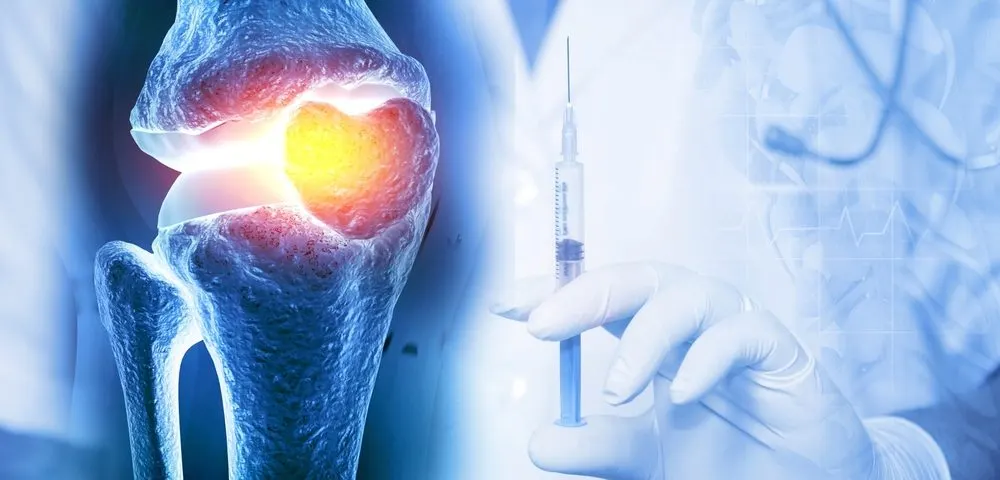
What Is PRP Treatment in Orthopedic Conditions?
Orthopaedics & Traumatology
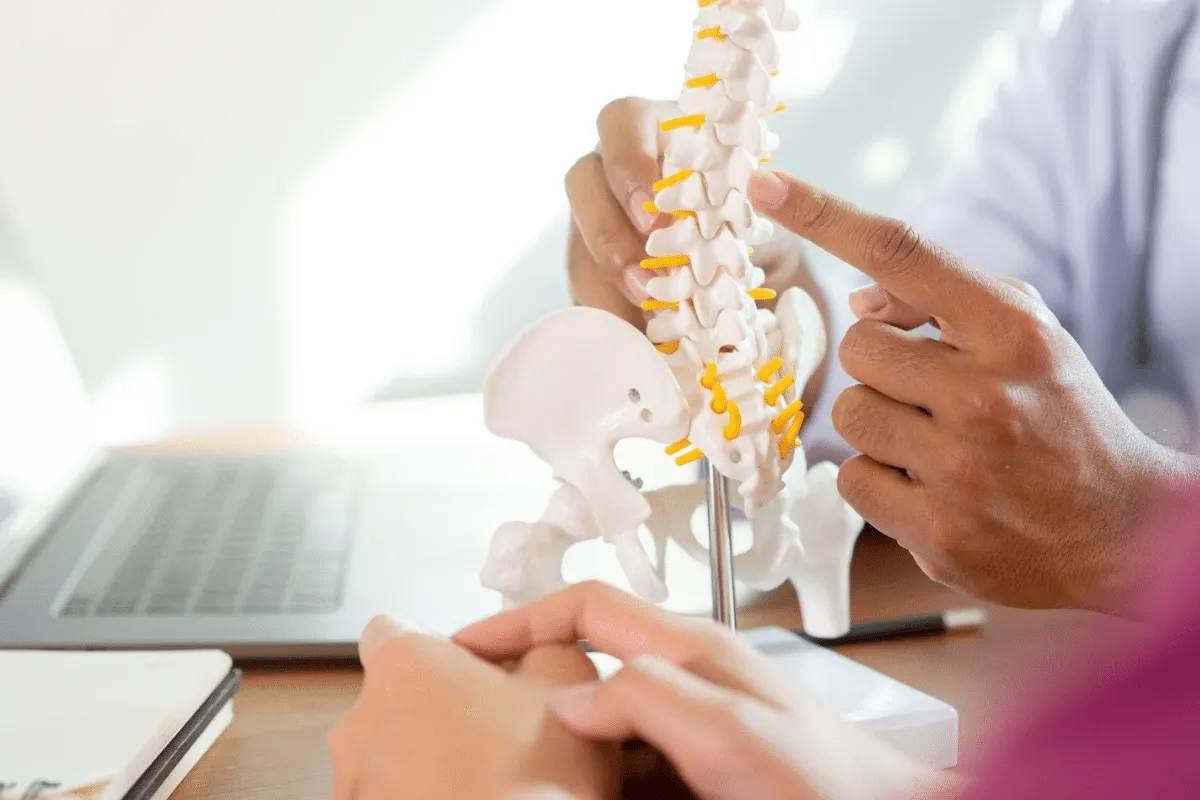
Fully Closed (Full Endoscopic) Lumbar Disc Herniation Surgery
Orthopaedics & Traumatology
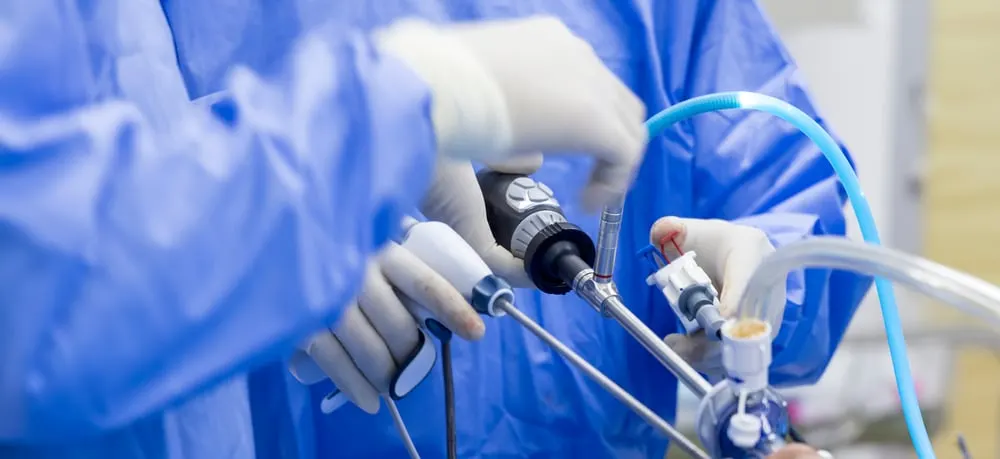
What Is a Meniscus Transplant?
Orthopaedics & Traumatology
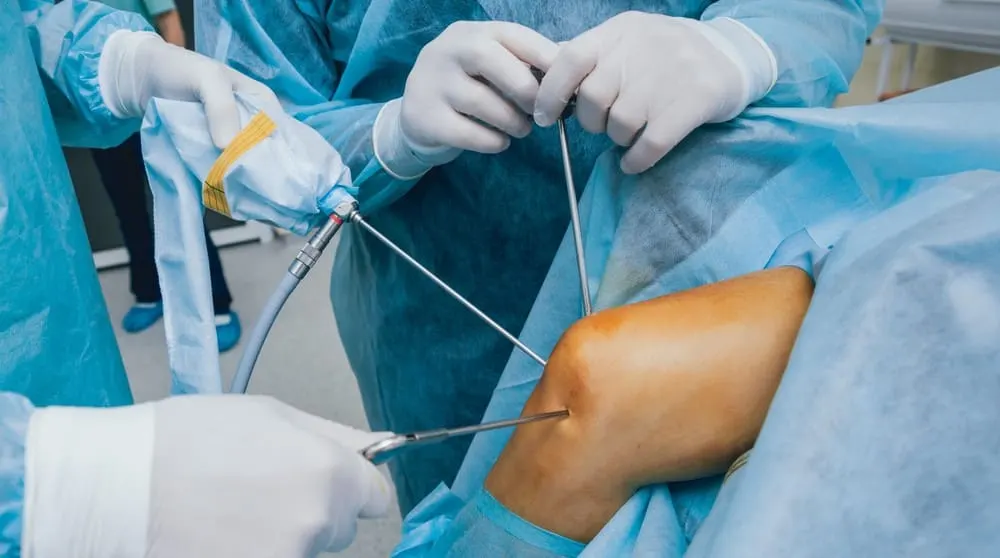
Arthroscopic (Closed) Knee Surgery
Orthopaedics & Traumatology
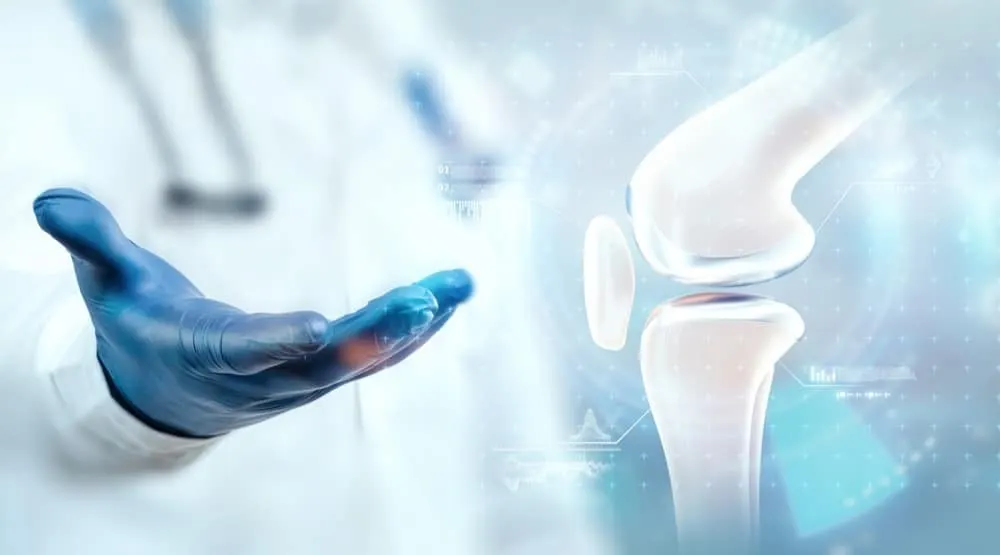
Non-Surgical Knee Treatment Method “Stem Cell”
Orthopaedics & Traumatology
What Is Amputation? In Which Cases Is It Performed?
Orthopaedics & Traumatology

What Are the Treatment Methods for Hip Fracture?
Orthopaedics & Traumatology

Hip Arthroscopy
Orthopaedics & Traumatology
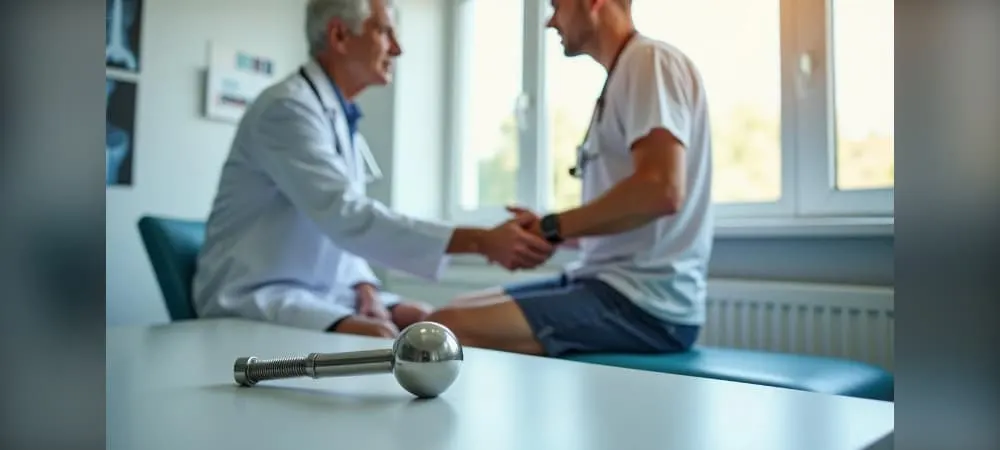
What Is Total Hip Replacement? Who Is It For and In Which Situations Is It Performed?
Orthopaedics & Traumatology
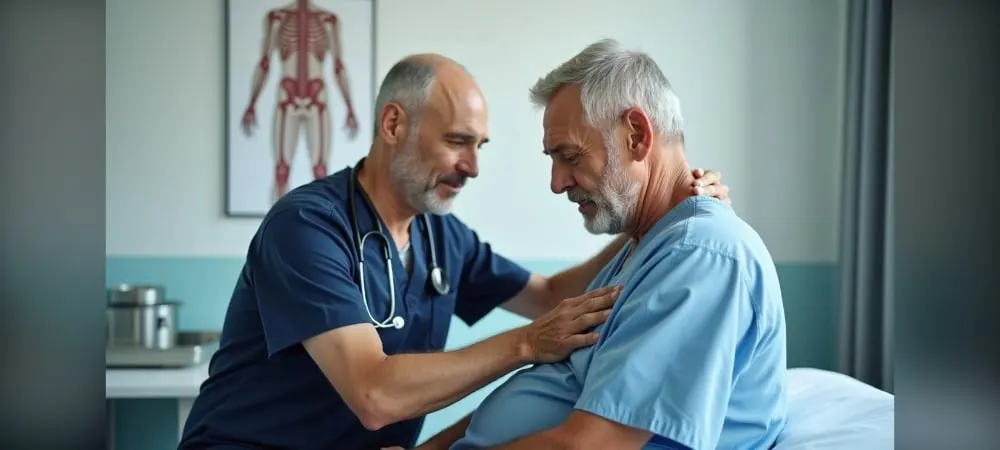
What is Shoulder Prosthesis? In Which Situations is it Applied?
Orthopaedics & Traumatology
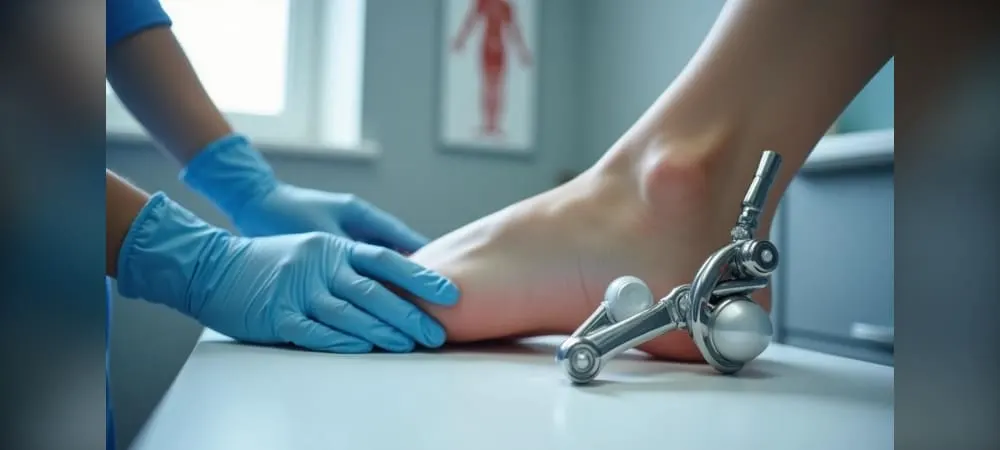
What Is an Ankle Replacement? Who Is It For and When Is It Performed?
Orthopaedics & Traumatology
Conditions Covered
The main conditions within the department’s diagnosis and treatment scope.
- Meniscus Tear
- Assoc. Prof. Dr. Gürsel SAKA 'Informs About KYPHOSIS'
- Watch Out for Back Pain in Young People!
- Knee Diseases and Arthroscopy
- Pseudosciatica or Piriformis Syndrome?
- Every Back Pain May Not Be a Hernia — It Could Be a Sign of a Rheumatic Disease (Ankylosing Spondylitis)!
- If Your 1-5 Year Old Child Is Limping, a Flu-Like Infection May Be the Cause!
- Don't Overlook Neck Tilt in Babies!
- Does Your Child Walk on Tiptoes?
- You Don't Need to Be an Athlete to Have This Problem!
- My Child Can’t Stand Up Straight! Or Is It a Hunchback?
- Do You Feel Numbness in Your Hands at Night?
Department Doctors
Our specialist team working in the Orthopaedics & Traumatology department.
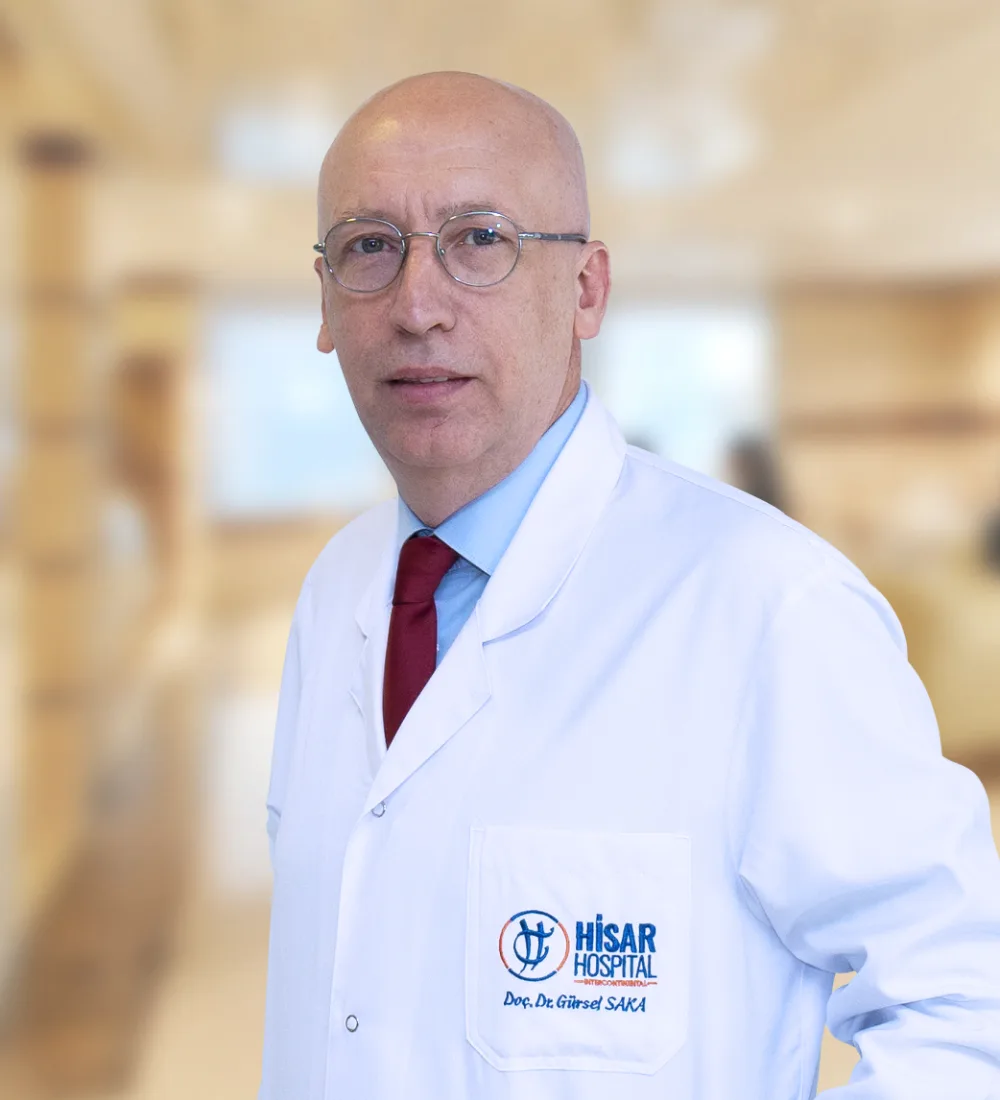
Prof. Dr. Gürsel Saka
Orthopaedics & Traumatology
Spine Surgery
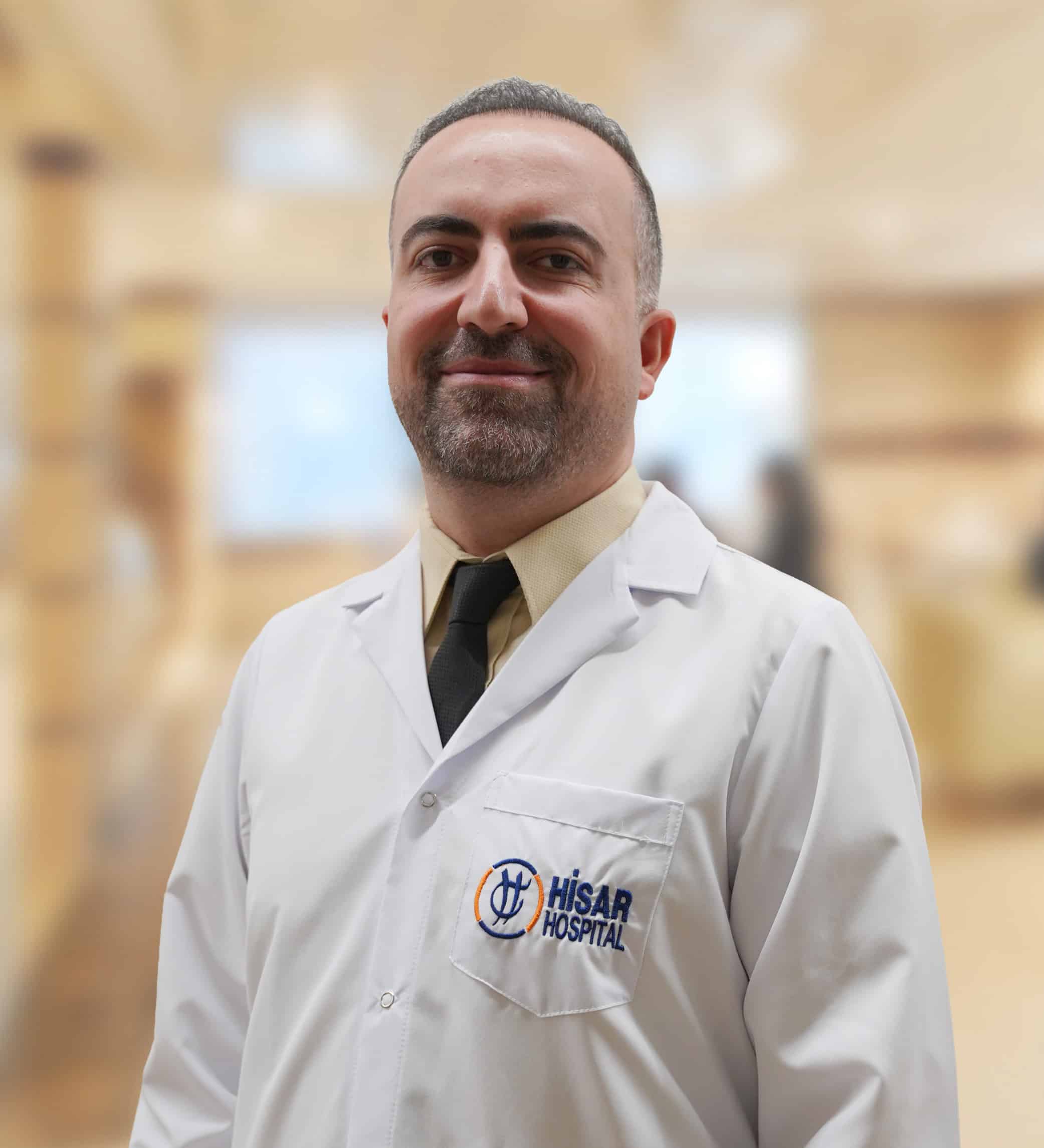
Assoc. Prof. Dr. Servet İğrek
Orthopaedics & Traumatology
Sports Surgery
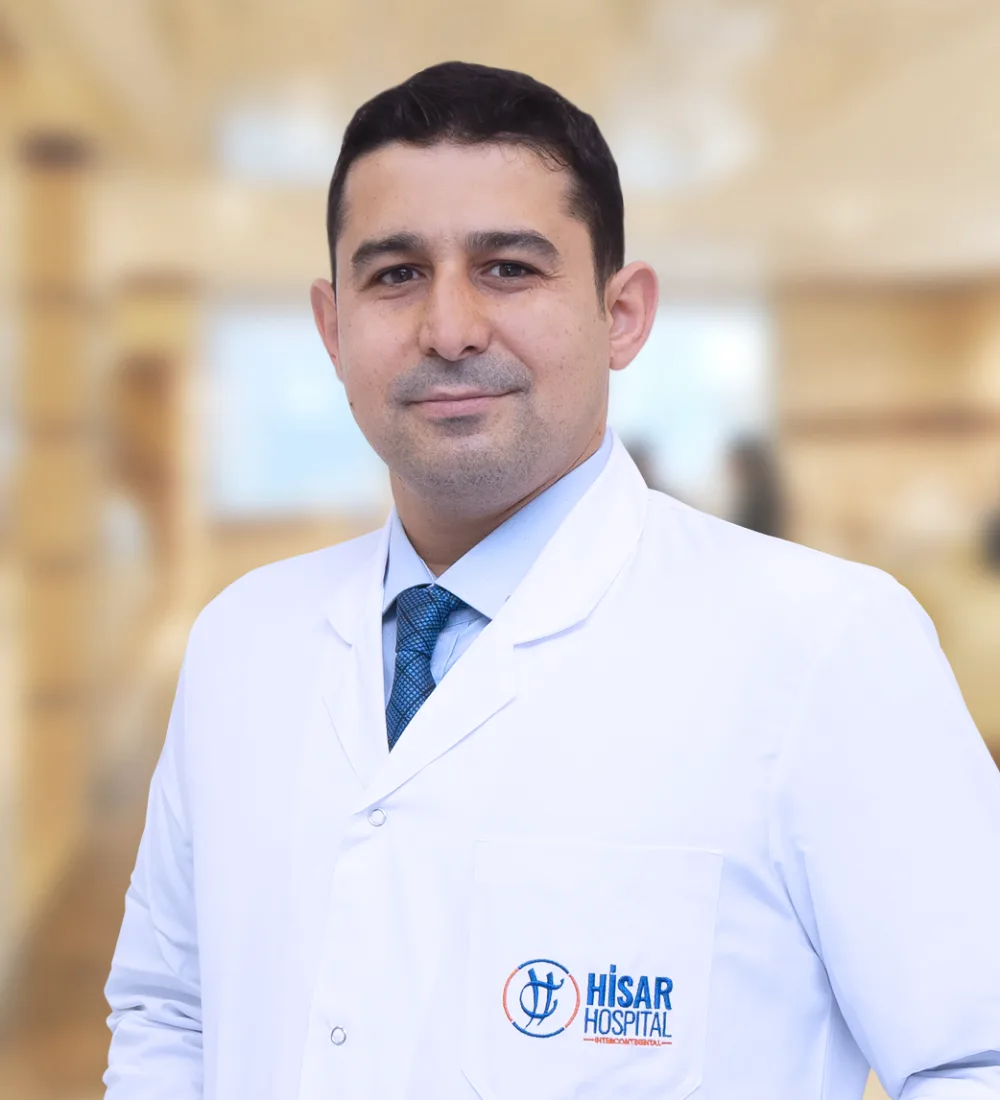
Op. Dr. Selman Doğan
Orthopaedics & Traumatology
Lower and Upper Extremity Trauma Surgery
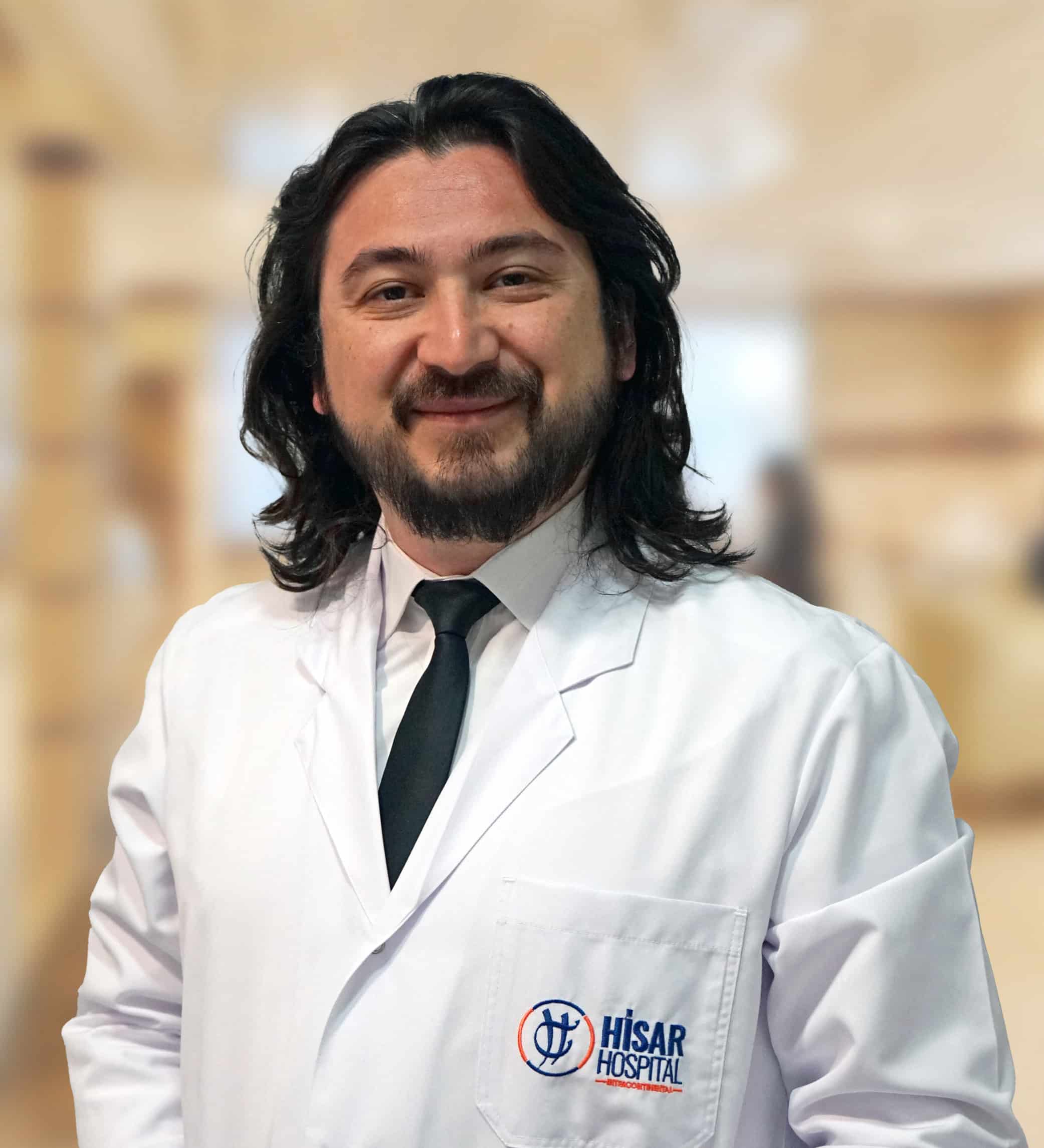
Op. Dr. Yusuf Bayram
Orthopaedics & Traumatology
Spine Surgery
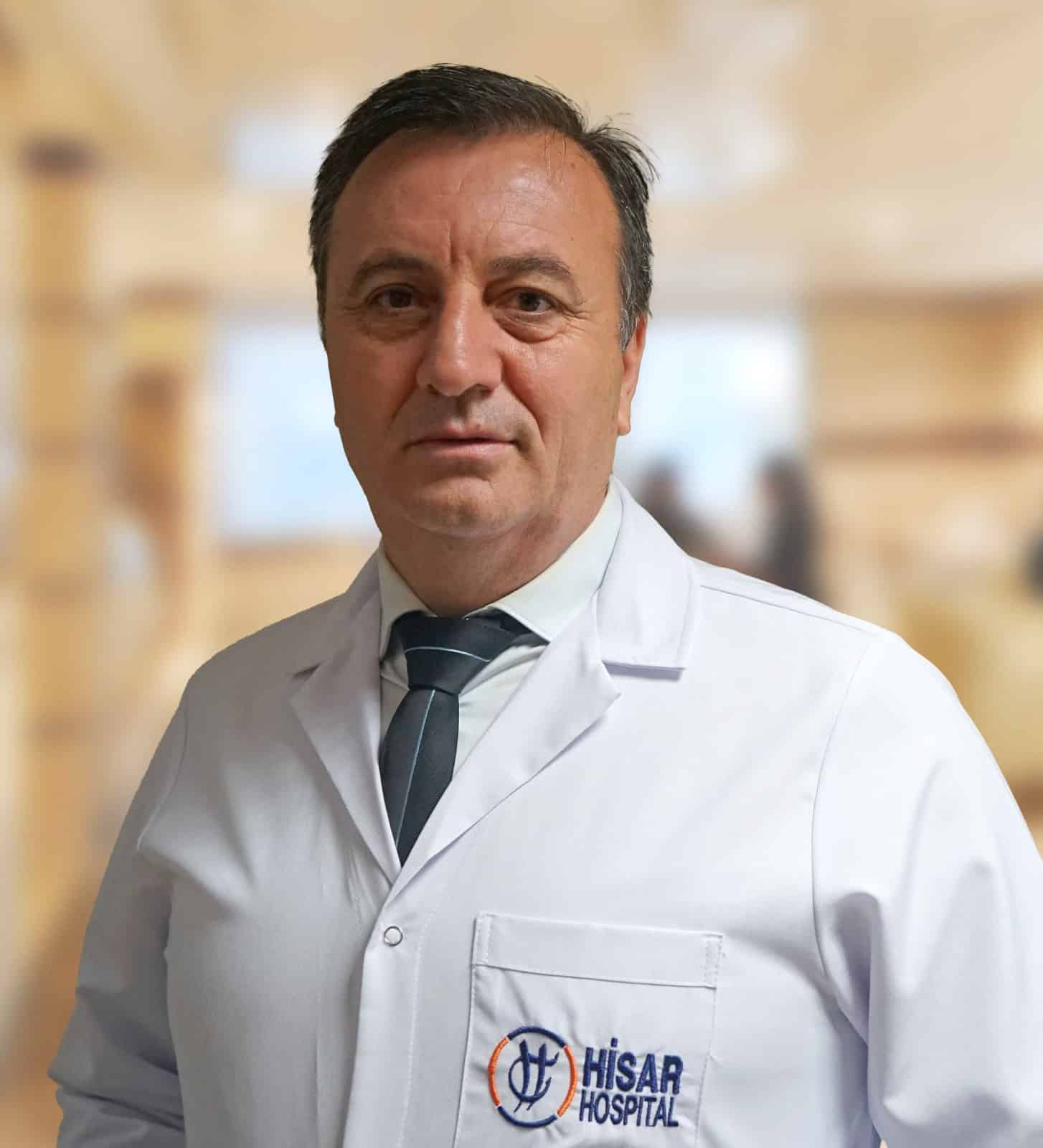
Op. Dr. Erol Ertürk
Orthopaedics & Traumatology
Knee and Hip Prosthesis Surgeries
Related Videos
Informative videos from our specialists related to the Orthopaedics & Traumatology department.
 2:56
Assoc. Prof. Dr. Gürsel SAKA "Informs About KYPHOSIS"
 1:35
Total Hip Replacement Surgery
 34:32
📌 Orthopedics and Traumatology Specialist Op. Dr. Selman DOĞAN talks about "Knee Pain and Its Treatment".
 2:01
Op. Dr. Selman DOĞAN / Knee Osteoarthritis and Its Treatment
 27:52
Shoulder Ligament Injuries – What Is Impingement Syndrome? What Are the Treatments? / Instagram Live
 2:54
What Is a Meniscus Tear? How Is It Treated Without Surgery? I Orthopedic Surgeon Dr. Selman DOĞAN
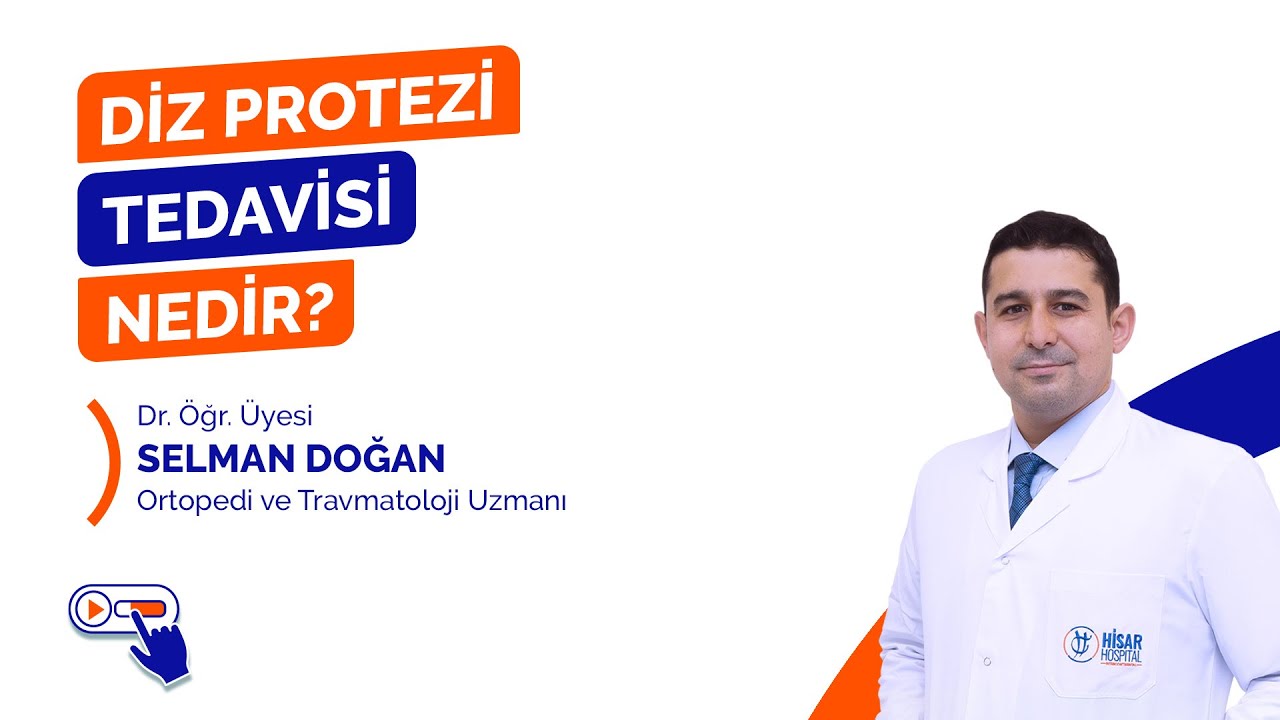 1:52
Knee Replacement Treatments | Asst. Prof. Dr. Selman Doğan
Locations
At Which Hospitals?
The Orthopaedics & Traumatology department is available at the following locations.

Author
Web and Medical Editorial BoardReviewed by a specialist
Prof. Dr. Gürsel SakaOrthopaedics & TraumatologyReview date: 31 October 2026Contact
Orthopaedics & Traumatology Department — Get in Touch
Fill out the form with your questions; our team will call you back as soon as possible.
The Hisar Hospital Web and Medical Editorial Board contributed to the development of this content. All content on this website is provided for general informational purposes only. Please consult a physician for the evaluation, diagnosis and treatment of your condition.
Last Updated: