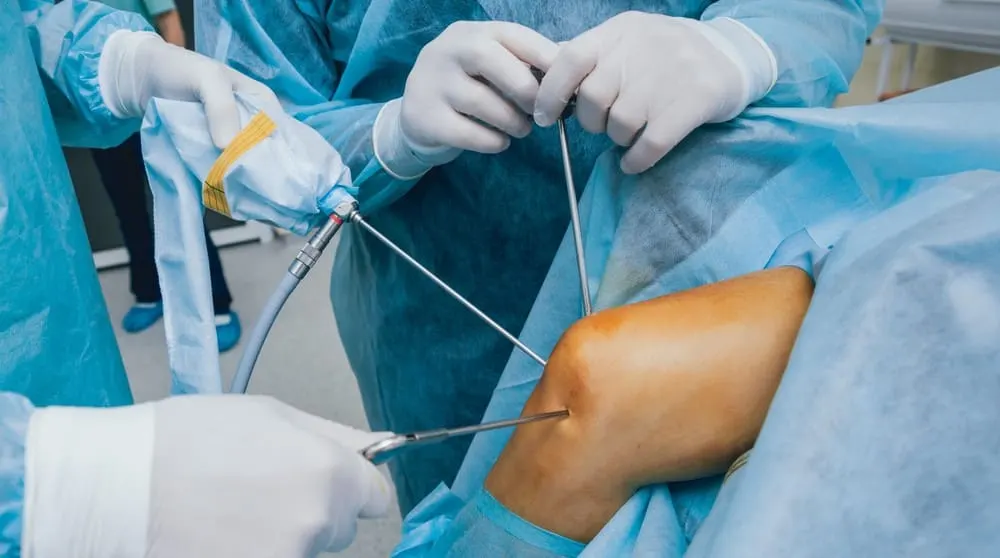
The cartilage-like structure in the knee joint, located between the femur and the tibia, is called the meniscus. This structure provides stability to the knee joint and protects the joint surfaces by absorbing shocks. The meniscus also plays an important role in load distribution and enables the joint to perform its movements smoothly. However, from time to time, various injuries may occur to the meniscus. If these injuries are not treated, more serious problems can develop and they may become impossible to treat. In situations like these, meniscus transplantation can be an effective treatment option. You can read the rest of the text for further details about meniscus transplantation.
What Is a Meniscus Transplant?
Meniscus transplantation is the surgical procedure in which a damaged or removed meniscus is replaced with a donor meniscus. This procedure aims to restore the stability and function of the knee joint. A meniscal tear or damage may occur as a result of conditions such as trauma, sports injuries, or degenerative disease. If the entire meniscus has to be removed or if the likelihood of healing is low, meniscus transplantation may be an option.
Meniscus transplantation can help restore the stability and shock-absorbing function of the knee joint. However, this procedure is a complex surgical procedure and a number of criteria must be met for it to be performed. These criteria include the availability of a suitable donor meniscus, the patient's general health condition, and the knee joint having a suitable structure.
Meniscus transplantation requires a recovery process for patients. Postoperative rehabilitation and physiotherapy allow the knee to gradually regain strength and range of motion. During this process, it is important for patients to follow the instructions set by their doctors.
In Which Diseases Is Meniscus Transplantation Performed?
Meniscus transplantation is generally a surgical procedure used in the treatment of meniscal tears. Menisci are cartilaginous structures located in the knee joint that provide stability to the knee and absorb shock. However, menisci may sometimes be damaged as a result of sports injuries, aging, or degenerative diseases. If meniscal tears are left untreated, they can cause symptoms such as pain, swelling, stiffness, and locking in the knee. In this case, complete removal of the meniscus (meniscectomy) may be an option. However, removing the meniscus is not an ideal solution for the long-term health of the knee. For this reason, preserving and repairing the meniscus is important. Meniscus transplantation is a treatment option used in cases where the meniscus has been completely removed. This procedure involves placing a healthy meniscus, previously obtained from a donor, in place of the damaged meniscus. Meniscus transplantation is generally preferred for treating meniscal tears causing knee pain and functional disorders in young and active individuals. Meniscus transplantation is generally performed in the following conditions:
Meniscal Tears: Tears that occur in the menisci due to sports injuries or the aging process may be an important indication for transplantation. If the meniscus is to be completely removed, placement of a donor meniscus may be preferred.
Advanced Meniscal Damage: In cases of severe meniscal degeneration or wear, meniscus transplantation may be considered. In this case, a donor meniscus may be used to restore the function of the menisci and to provide stability to the knee.
Meniscus transplantation is a treatment option used in these conditions to relieve symptoms, reduce knee pain, and restore normal knee function. However, it may not be suitable for every patient, and an assessment by a specialist is required to decide on surgery.
How Is Meniscus Transplant Surgery Performed?
Meniscus transplantation consists of several stages. These stages can be listed as follows:
General Anesthesia: General anesthesia is administered so that the patient does not feel pain during the operation.
Access: Before starting surgery, an incision is made to reach the inner part of the knee. This incision is usually made through a cut in the front part of the knee.
Removal of the Damaged Meniscus: The damaged meniscus is completely removed. If the meniscus is to be completely removed, the donor meniscus will be placed afterward.
Placement of the Donor Meniscus: The donor meniscus is placed in position of the damaged meniscus. The donor meniscus is appropriately shaped by the surgeon and either sutured or fixed with screws or special implants. The placement procedure ensures that the meniscus is positioned correctly and stably.
Wound Closure: After the meniscus is placed, the surgical incisions are closed using sutures or surgical tapes.
Rehabilitation: After meniscus transplantation, a rehabilitation program is applied to support the patient's recovery process. This program helps the patient regain knee movement and strengthen the muscles. Physical therapy may include exercises and certain restrictions.
Meniscus transplantation may vary depending on the patient's condition, and different techniques may be used according to the surgeon's preference. For this reason, it is important for patients to communicate with their doctors and follow pre- and post-operative instructions.
Frequently Asked Questions About Meniscus Transplant
You can find answers to frequently asked questions about meniscus transplantation in the rest of the text. Meniscus transplantation may be applied in the following situations.
After Total Meniscectomy: In cases where the meniscus has been completely removed, meniscus transplantation may be considered to relieve pain and functional impairment in the knee.
Meniscal Tears in Young and Active Individuals: In individuals with a young and active lifestyle, meniscus transplantation may be preferred for the treatment of meniscal tears. It can be performed to restore the stability and function of the knee and to support long-term knee health.
After Preservative Arthroscopic Surgery: In some cases, even if part of the meniscus is repaired with preservative arthroscopic surgery, meniscus transplantation may be considered for the parts that cannot be repaired.
Meniscal Damage Associated with Knee Osteoarthritis: Meniscal damage is a common condition in patients with knee osteoarthritis (joint arthritis). In this case, meniscus transplantation can be used to relieve the patient's symptoms and improve knee function.
Meniscus transplantation is evaluated according to each patient's condition and the nature of the meniscal damage. For this reason, a detailed assessment must be made by an orthopedic specialist and the right treatment option determined. Meniscus transplantation may vary depending on the patient's general health condition and the surgeon's expertise. In general, meniscus transplantation takes approximately 1 to 2 hours. However, this duration may vary depending on the surgeon's experience, the patient's anatomical features, and other factors accompanying treatment.
Preoperative preparation, administration of anesthesia, making the surgical incision, removal of the damaged meniscus, and placement of the donor meniscus are part of the surgical duration. In addition, closing the sutures after surgery and the patient waking up also take time.
After meniscus transplantation, patients are usually kept under observation for several hours. After surgery, a hospital stay of several days may generally be required. The recovery process may vary from person to person and may change depending on factors such as the patient's general health, the effectiveness of the rehabilitation program, and compliance with postoperative instructions. Yes, you can play sports after meniscus transplant surgery. However, you need to get your doctor's approval to do sports. Your doctor will give you the best advice to determine when you can start sports after surgery and which sports you can do.
After meniscus transplant surgery, a rehabilitation process is generally required. This process works toward goals such as strengthening the knee, regaining range of motion, and increasing the flexibility of the muscles. Your physiotherapist will determine your postoperative program and teach you exercises suitable for you before you start sports. The return to sports may generally take several months. By starting slowly and following the guidance of your doctor and physiotherapist, you can reduce risks. The return to daily life after meniscus transplant surgery may vary depending on the patient's general health and the successful completion of the surgery. Since the recovery process may differ for each patient, it is important to follow your doctor's instructions. In the postoperative period, you may need to rest for several weeks and avoid overloading your knee. To heal the wound, you should follow the dressing and care instructions recommended by your doctor. It is also important to take the painkillers prescribed by your doctor regularly.
Your doctor may recommend a physical therapy or rehabilitation program in the postoperative period. These programs include exercises aimed at strengthening your knee, increasing range of motion, and regaining muscle flexibility. Your physiotherapist can inform you about which activities you can do after surgery and how you can return to daily life activities. In addition, to support the healing process, it is important to pay attention to the following points in the postoperative period:
Limiting knee load: You should avoid activities that may put excessive pressure on the knee. Activities such as prolonged standing or lifting heavy loads may strain your knee.
Exercising regularly: You should perform the exercises recommended by your physiotherapist regularly. These exercises will strengthen your knee and help you regain normal range of motion.
Remaining under doctor supervision: You should attend postoperative check-ups regularly. Your doctor will monitor your knee's healing process and give you the necessary instructions.
Eating well and maintaining a healthy lifestyle: Good nutrition helps support your body's healing process.
Meniscus transplantation surgery has some advantages compared to other methods. These advantages are:
Long-lasting solution: Meniscus transplantation is a treatment option used in cases where the meniscus has been completely lost. The transplant provides a long-term solution, allowing the patient to return to activities and regain joint stability.
Joint protection: In cases where the natural meniscus has been lost, meniscus transplantation protects the joint, reduces damage to the articular cartilage, and prevents future joint problems.
Reduction of pain and symptoms: A meniscal tear can cause symptoms such as pain, swelling, locking, or catching in the knee. Meniscus transplantation can help reduce these symptoms by replacing the meniscus with a healthy one. Patients generally experience improvement in pain and knee function after surgery.
Return to activity and sports: Many people with a meniscal tear are forced to avoid strenuous activities and may have to stop sports. Meniscus transplantation enables patients to return to their activities and sports by replacing the meniscus with a healthy one. This surgical method may be particularly advantageous for young, active individuals who enjoy sports.
Meniscus transplantation must be performed by doctors who are experts in the field. In addition, it is aimed to minimize postoperative complications by using state-of-the-art equipment. The expert doctors at Hisar Hospital aim to treat patients with meniscal damage in the best possible way. If you wish to have a meniscus transplant or want more information on this subject, you can contact Hisar Hospital Intercontinental.