Shoulder Dislocations and Recurrent Shoulder Dislocations: Symptoms and Treatment Methods
Shoulder dislocations are a commonly encountered type of traumatic injury in which the shoulder joint comes out of place. They usually occur as a result of physical trauma such as a fall, a sports accident or a sudden blow. After the first dislocation, the shoulder joint may lose its stability and become more prone to recurrent dislocations. Recurrent shoulder dislocation in particular can significantly affect daily life, this is because the shoulder joint is used in many activities. This condition can limit even simple daily activities and may cause pain.
What Is a Shoulder Dislocation?
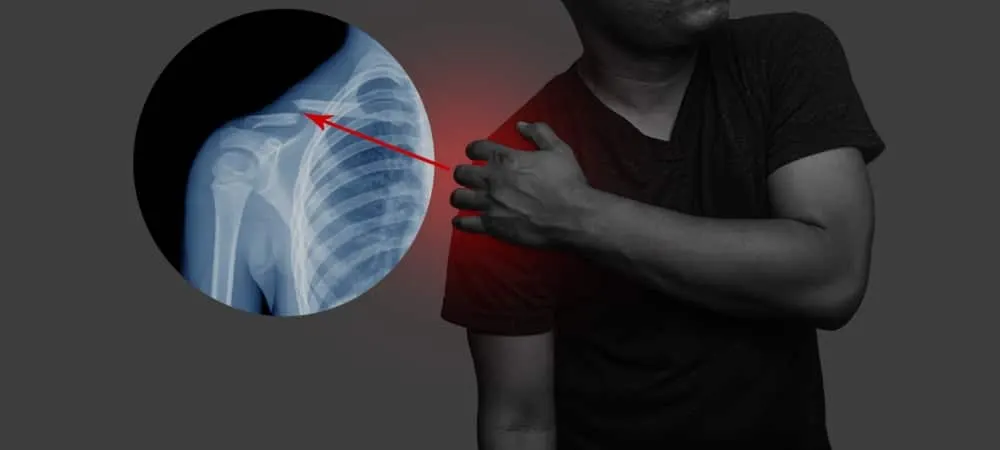
A shoulder dislocation is a condition that occurs when the bones of the shoulder joint are pushed out of their normal position or fractured. A joint is any place in the body where two bones meet. Joints are part of the skeletal system. The shoulder joint is the place where the rounded ball at the top of the humerus sits in the socket of the scapula. A shoulder dislocation is an injury in which the ball-and-socket connection between the bones is separated. In addition, a dislocation may also damage tissues around the shoulder joint, such as muscles, nerves, tendons and ligaments. A shoulder dislocation requires urgent medical intervention. Attempts by individuals to treat it on their own may lead to serious problems.
What Are the Symptoms of a Shoulder Dislocation?
The most common symptoms of a shoulder dislocation may include:
Severe pain: At the moment of the dislocation, sudden and intense pain is felt in the shoulder area. The pain may increase when the arm is moved.
Deformity of the shoulder: Because the shoulder joint has come out of place, the normal contour of the shoulder is disrupted and it remains in an abnormal position.
Limited movement: After a dislocation, the ability to move the shoulder is greatly reduced. The patient may be unable to raise or rotate the arm.
Swelling and bruising: Swelling and bruising occur in the dislocated area due to soft tissue injury.
Tenderness: The shoulder area becomes sensitive to touch. Even light contact can cause pain.
Muscle spasms: After a dislocation, spasms and contractions may occur in the muscles around the shoulder, which increase pain and discomfort.
Feeling of looseness in the joint: Due to loss of stability in the shoulder joint, a feeling of emptiness or looseness in the joint may develop.
Nervous system symptoms: As a result of nerve compression or injury, neurological symptoms such as numbness, tingling or weakness in the arm and hand may occur.
What Are Recurrent Shoulder Dislocations?
Dislocations may occur due to loosening of the ligaments, tendons and muscles around the shoulder. In recurrent shoulder dislocations, the tissues lose their ability to hold the arm firmly centered in the shoulder socket. The first shoulder dislocation usually occurs as a result of a traumatic injury and causes damage to the structure of the shoulder joint. This damage disrupts the stability of the shoulder joint and makes the joint dislocate more easily and more often. In addition, failure to undergo adequate rehabilitation after the first dislocation, or re-injury of the shoulder, can also lead to recurrent dislocations.
How Is a Shoulder Dislocation Diagnosed?
To diagnose a shoulder dislocation, doctors usually examine the affected area physically for tenderness, swelling or deformity, and check for signs of nerve or blood vessel injury. To identify the damage caused by the dislocation, the doctor may request some of the following tests:
X-ray: X-rays are used to visualize the bony structures of the shoulder joint. An X-ray is taken to determine the type of dislocation (anterior, posterior or inferior dislocation) and any bone fractures in the joint. This is a basic imaging method for checking the correct position of the shoulder joint.
Magnetic resonance imaging (MRI): MRI provides detailed images of soft tissues and is used to evaluate the ligaments, muscles, tendons and cartilage around the shoulder joint. It is used to detect soft tissue injuries that may accompany a shoulder dislocation, such as rotator cuff tears and labral tears.
Computed tomography (CT): CT scanning can be used to obtain three-dimensional images of the shoulder joint and may help evaluate complex fractures or detailed structures within the joint.
Ultrasonography: Ultrasonography can be used for dynamic evaluation of the shoulder joint. Ultrasound helps visualize fluid accumulation in the joint, tendon tears and muscle injuries. It can also provide doctors with information about the structural condition of the shoulder joint during movement.
What Are the Treatment Methods for a Shoulder Dislocation?
A shoulder dislocation requires urgent intervention. The goal of treatment is to return the arm to its socket. This is called closed reduction. During this non-surgical procedure, the doctor physically pushes the body outward and then pulls it back to realign the shoulder. During the intervention, the doctor may perform local anesthesia to numb the area around the shoulder, or give a sedative to relax the whole body. This procedure must be performed by a specialist doctor. If people try to put a dislocated shoulder back in place on their own, they may worsen the injury and damage the surrounding tissue. After the joint has been returned to its place by a doctor, other treatments may be recommended, including the following:
Immobilization: After reduction, the shoulder is immobilized for a period of time to maintain its stability and support healing. For this purpose, a sling or shoulder brace is used. Immobilization usually lasts several weeks, but the duration may vary depending on the severity of the injury.
Pain management: In shoulder dislocation, pain management is usually planned by the doctor to reduce pain and improve the patient's quality of life. Painkillers and anti-inflammatory drugs can help control pain and reduce inflammation. In addition, ice applications can also be effective in relieving pain and may help reduce pain after a shoulder dislocation.
Physiotherapy and rehabilitation: A physiotherapy program may be prescribed to regain the mobility and strength of the shoulder joint. The rehabilitation process includes exercises that strengthen the shoulder muscles and increase joint mobility. Physiotherapy is important for reducing the risk of recurrent dislocation.
Surgical intervention: Surgery may be recommended for people with recurrent shoulder dislocations despite strengthening and rehabilitation, or for those with weak shoulder joints or ligaments. In rare cases, damaged nerves or blood vessels may require surgery. Types of surgical intervention include procedures such as arthroscopic surgery, open surgery and Bankart repair.
When Is Surgery Necessary for a Shoulder Dislocation?
Surgery is not needed in most cases of shoulder dislocation. However, surgery may be needed in the following situations:
Recurrent dislocations: If a person has experienced shoulder dislocations more than once, surgical intervention may be necessary to ensure the stability of the shoulder joint. Recurrent dislocations can cause continuous damage to the joint structures.
Severe tissue damage: If serious soft tissue injuries occurred during the first shoulder dislocation, surgical repair may be required. Such injuries may be treated to ensure joint stability.
Bone fractures: If bone fractures accompany the shoulder dislocation, surgery may be required to ensure the fracture heals correctly and joint function is preserved.
Failure of conservative treatment: If shoulder stability cannot be achieved despite conservative treatment methods (reduction, immobilization, physiotherapy), or if persistent pain and loss of function continue, surgical treatment may be applied.
What Are the Non-Surgical Treatment Methods?
For shoulder dislocations, doctors usually use closed reduction, a non-surgical method. In this method, the shoulder joint is usually returned to its place in the emergency department of a hospital. Before this is done, the patient is usually given sedatives or painkillers. Severe pain usually stops immediately once the shoulder joint is back in place.
What Are the Treatment Methods for Recurrent Shoulder Dislocations?
Treatment methods for recurrent shoulder dislocations include conservative and surgical options. Conservative treatment methods include physiotherapy, rehabilitation exercises and activity modification. Surgical interventions include methods such as arthroscopic surgery, Bankart repair and the Latarjet procedure. The treatment plan is determined according to the patient's condition, age and shoulder stability. Early intervention and appropriate choice of treatment can help keep recurrent shoulder dislocations under control and restore joint function.
What Is the Recovery Process After a Shoulder Dislocation?
Recovery after a shoulder dislocation usually takes several months. Generally, within the first few weeks, pain and swelling decrease and mobility increases. Physiotherapy and rehabilitation programs play an important role in strengthening the shoulder and increasing its stability. The full recovery process can often take several months, and it may take time for the patient to return to their lifestyle and activities. It is important to carefully follow the instructions given by your doctor to prevent the shoulder dislocation from recurring.
Frequently Asked Questions
Shoulder dislocation can often be seen in young adults, especially active athletes and those who play contact sports such as basketball or football. It can also be frequently encountered in older adults who have a high risk of falls. Common causes of shoulder dislocation include sudden force applied to the shoulder area, falls and trauma. In addition, shoulder dislocation may be more common in people who engage in high-risk activities such as sports requiring close contact. Among the ways to protect against recurrent shoulder dislocations, it is important to perform exercises that strengthen the shoulder muscles under a doctor's supervision. It is also necessary to avoid heavy lifting and activities that place excessive load on the shoulder. Special training programs for athletes and exercises that increase shoulder joint stability can help prevent recurrent dislocations. Using appropriate protective equipment during activities can also help prevent shoulder injuries. A shoulder dislocation can be recognized by symptoms such as sudden severe pain, visible deformity of the shoulder joint and limited movement. A person with a shoulder dislocation may find shoulder movements restricted and may have difficulty raising the arm. A shoulder dislocation can usually heal with non-surgical treatment methods. Reduction is the commonly used non-surgical treatment method. However, depending on the severity of the injury, surgical intervention may be necessary. If a shoulder dislocation is left untreated, serious complications may occur. Loss of movement may be seen in the affected limb, and this may become permanent. A shoulder dislocation can recur. Problems may arise especially if appropriate treatment and a rehabilitation program are not carried out or if risk factors persist. Orthopedic specialists are consulted for shoulder dislocation treatment. These doctors are specialists trained in the field of the shoulder joint. In addition, physiotherapists generally take part in the treatment process to manage the rehabilitation process and create the physiotherapy program.
If you suspect a shoulder dislocation or have recurring shoulder problems, consult our Orthopedics and Traumatology specialists at Hisar Hospital without delay. Early intervention speeds up your recovery and reduces the risk of recurrent dislocation. To make an appointment, click here.
Start with the right assessment for Shoulder Dislocations and Recurrent Shoulder Dislocations: Symptoms, Causes and Treatment Methods
Share your symptoms with our specialist physicians; let us determine the right diagnosis and treatment plan together.
Warning
If your symptoms started suddenly, are progressing rapidly, or significantly restrict your daily life, consult a physician without delay.
Plan your Shoulder Dislocations and Recurrent Shoulder Dislocations: Symptoms, Causes and Treatment Methods journey with our specialists.
Fill in the form or book an appointment to learn about treatment options, the process and preparation.