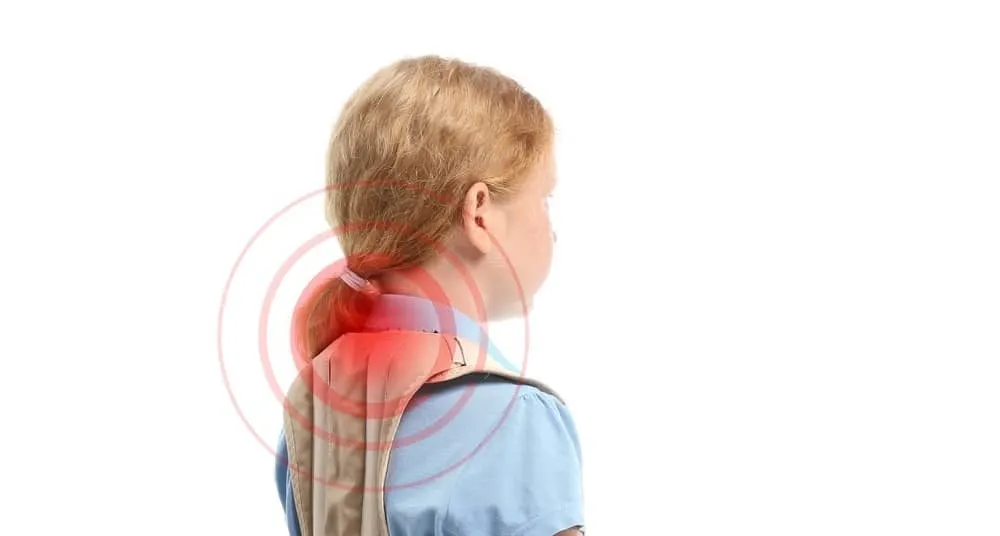
Wry neck, known in medical literature as torticollis, is a health condition characterized by the head being tilted to one side, particularly encountered in childhood. Wry neck is a disorder that can occur when one or both of the muscles on the sides of the neck are damaged for any reason. Wry neck may be present from birth, but it can also develop later. In addition to the head tilting to one side, symptoms such as swelling in the neck muscles and facial asymmetry may also be counted among the signs of wry neck.
Torticollis is usually the result of a problem occurring in the muscles; however, in some cases, more serious health problems such as neurological disorders can also cause wry neck. Wry neck can be easily diagnosed as a result of a physical examination by a doctor specialized in this field. In addition, imaging methods such as cervical X-ray and head and neck computed tomography (CT) are also commonly used in establishing a definitive diagnosis of the disease. Questions about wry neck, for which treatment begins primarily with physical therapy, are addressed in detail in the later sections of this article.
What Is Wry Neck Disease (Torticollis)?
Wry neck disease (torticollis), which manifests as spasm and stiffness in the neck muscles, is a health problem that can occur either congenitally or later in life. In people with wry neck, the head is generally tilted to one side and the chin is turned toward the other side. Although wry neck may resolve on its own in some cases, since there is a risk of recurrence, it is important that the treatment process be carried out under the supervision of a specialist doctor.
Wry neck can be present from birth, but it can also develop later (acquired). Although the cause is not known exactly (idiopathic torticollis), difficult deliveries may increase the risk of wry neck in babies. In addition, the baby's position in the mother's womb before birth may also cause wry neck. Wry neck seen at birth is called congenital torticollis. When all torticollis cases are examined, the most common type is seen to be congenital torticollis. Studies show that wry neck, a common neck deformity worldwide, is encountered in approximately 0.3 to 1.9 of every 100 births. However, wry neck can occur in anyone with muscle and nerve injury. In other words, wry neck, which is generally a health problem seen with birth, can appear in any age group. Some studies show that approximately 90% of people are at risk of encountering wry neck at some point in their lives.
What Are the Causes and Risk Factors of Wry Neck Disease?
The vast majority of wry neck cases are idiopathic, meaning cases whose cause is not known exactly. Some studies show that genetic factors may play a role in wry neck, but there is not sufficient evidence on this matter. Torticollis may be due to strain during birth, and it may also occur due to damage in the brain. For this reason, as soon as neck curvature is noticed in babies, it is important to make an appointment with a specialist doctor without losing time and to have the necessary checks done.
The neck muscles are examined in two main groups: superficial and deep. The sternocleidomastoid (SCM) muscle, located on the front of the neck and palpable by hand, is responsible for turning the head to the opposite side and bending it in the same direction. Wry neck can occur as a result of this muscle remaining contracted for various reasons. The causes may vary depending on the type of wry neck. The main types and causes of wry neck are as follows:
Congenital torticollis: Deformation of the neck muscles for any reason before and/or during birth is among the main causes of congenital torticollis. The baby being compressed in the womb and other prenatal positional factors, an anomaly of the SCM muscle, a difficult delivery, bleeding or blood collection in the baby's neck muscles (hematoma), fibrosis, a hardening of the baby's muscle tissue, and Klippel-Feil syndrome, a congenital anomaly characterized by the fusion of two or more of the baby's vertebrae, are among the main causes of congenital torticollis.
Trauma: Trauma such as burns or wounds in the neck region may cause damage to the neck muscles and, consequently, wry neck.
Ocular torticollis: Damage to some eye muscles for various reasons may result in wry neck.
Neurological problems: Neurological health problems such as paralysis may also lead to wry neck.
Spasmodic torticollis (dystonia): Emotional stress, excessive physical strain, or sudden movements may cause wry neck.
In addition to those listed above, one of the most common causes of acquired wry neck in children, which develops later, is swelling of the throat for any reason, such as infection or injury. Swelling in the throat may cause loosening of the tissue above the spine, displacement of the vertebrae, and contraction of the neck muscles. In addition, conditions such as digestive system disorders like reflux or an incorrect sleeping position may also be counted among wry neck risk factors.
What Are the Symptoms of Wry Neck Disease?
Spasm and stiffness in the neck muscles, and tilting or turning of the head to one side, are among the most important symptoms of the disease. In cases of congenital wry neck in newborns, parents may not notice the problem until the baby is several weeks old. Torticollis acquired after birth is usually noticed after the baby is 4-6 weeks old. However, specialist doctors can diagnose wry neck in babies through a physical examination. For this reason, it is important that babies be checked regularly from birth at the intervals recommended by doctors. Moreover, symptoms may vary depending on the type of the disease. The main symptoms of congenital wry neck can be listed as follows:
Restricted movement of the baby's head and/or back,
The baby's head being tilted to one side while the chin is tilted toward the other side,
One of the baby's shoulders being higher than the other,
A swelling or lump felt by hand in the neck muscle,
Facial asymmetry, such as one side of the face being smaller than the other.
Most of the symptoms listed above are also seen in acquired wry neck. In addition, in cases of torticollis that develop later, symptoms such as headache, severe neck pain, and trembling of the head may also be seen.
If you notice one or more of the wry neck symptoms listed above in your baby, such as a swelling, lump, or stiffness felt in the neck, do not neglect to make an appointment with a pediatrician specialized in this field.
How Is Wry Neck Disease Diagnosed?
The diagnosis of wry neck can be made through a physical examination by a pediatrician specialized in this field. During the examination, the doctor may ask parents questions such as how the birth took place and whether there was any problem before birth. After taking the medical history, the doctor examines the baby's neck muscles by hand and by eye. Under normal circumstances, findings such as swelling or stiffness in the neck muscles, restriction in neck movements, or the neck being tilted to one side can be easily noticed during the physical examination. However, in some cases, doctors may wish to examine the head and neck region with the help of imaging techniques such as cervical X-ray, CT (computed tomography), or MRI (magnetic resonance imaging) to confirm the diagnosis.
How Is Wry Neck Disease Treated?
After wry neck is diagnosed, doctors prepare a treatment plan according to the type and severity of the disease. Physiotherapy holds an important place in the treatment of the disease. The main goal of the treatment is to return the shortened neck muscle, for whatever reason, to its normal state. For this purpose, stretching and elongation exercises are used. Starting physiotherapy at an early stage can help achieve positive results in a shorter time. After diagnosis, doctors inform parents about stretching and elongation exercises. The exercises need to be repeated several times a day. During the exercises, it may be necessary to slowly and carefully push the baby's head toward the opposite side and then stretch it. In addition to stretching and elongation exercises, making position changes for the baby, such as placing the baby in a different position as recommended by the doctor, is also part of the treatment. In cases where these exercises that can be done at home are insufficient, treatment may need to continue in a hospital setting under doctor supervision. In the treatment of wry neck, a multidisciplinary approach is adopted, and treatment may continue with a physical medicine and rehabilitation specialist, an orthopedist, and/or a pediatric neurologist. In severe cases of torticollis, stretching and elongation exercises may be insufficient. In this case, the problematic SCM muscle may need to be lengthened through surgery performed by a specialist orthopedic surgeon.
How Is Long-Term Treatment and Follow-Up Done for Wry Neck Disease?
Starting treatment early in wry neck significantly increases the chance of treatment success; improvement usually begins to appear in babies within a few months. However, especially after treatments started late and/or in cases of severe torticollis, the disease may recur in the long term. For this reason, even if treatment is successful, it is important that babies be taken for check-ups at regular intervals as recommended by doctors and that the exercises recommended by doctors be performed at home.
Frequently Asked Questions
Wry neck disease is a health problem frequently encountered especially in infancy. Some of the frequently asked questions about wry neck disease are addressed below. In babies with wry neck, the head is tilted to one side. In addition, there may be stiffness, spasm, and swelling in the neck muscle. If treatment is started early in wry neck, a visible improvement can be achieved in babies within a few months. One of the main treatment options for people with wry neck is physiotherapy. Starting physiotherapy especially at an early stage is effective in the treatment of the disease. In cases where no positive result is obtained from physiotherapy and/or in cases of severe torticollis, surgical intervention may be necessary. After treatment, it is important to continue stretching and elongation exercises as recommended by doctors and to attend regular doctor check-ups. Early diagnosis and treatment are important in preventing the progression of wry neck. Starting treatment at an early stage can help prevent the progression of the disease.
Start with the right assessment for Wry Neck Disease
Share your symptoms with our specialist physicians; let us determine the right diagnosis and treatment plan together.
Warning
If your symptoms started suddenly, are progressing rapidly, or significantly restrict your daily life, consult a physician without delay.
Plan your Wry Neck Disease journey with our specialists.
Fill in the form or book an appointment to learn about treatment options, the process and preparation.