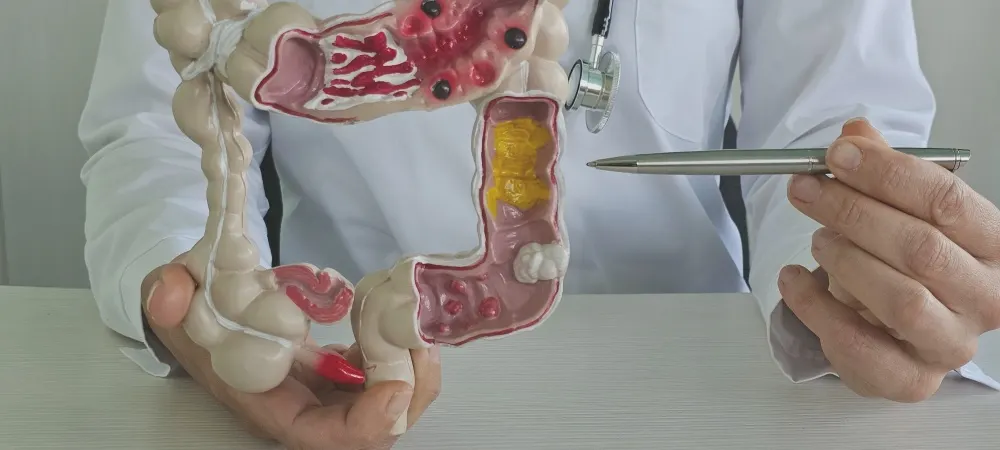
Diverticulitis
Diverticulitis is a health condition caused by the inflammation of small pouches located in the colon region of the large intestine. The inner wall of the large intestine is normally smooth. The formation of irregular swellings on the colon wall is defined as diverticulosis. Diverticulosis can mean that the smooth structure of the intestine is compromised and has become susceptible to inflammation. It can show symptoms when the pouches, which usually affect the lower part of the colon, begin to become inflamed. Diverticulosis often does not cause any problems, but when infection and inflammation begin, uncomfortable symptoms may arise.
Inflammation can alter the gut microbiota and its normal functions. Infections and leaks that can spread to the gastrointestinal system can lead to serious health problems. Diverticulitis may be mild enough not to require medical intervention. It can often be managed with home care recommendations and lifestyle changes. In some cases, complications can be treated with surgery.
What is Diverticulitis?
Diverticulitis is a medical condition characterized by the inflammation of diverticula formed in the colon. Small pouches can form on the large intestine wall due to various reasons. These pouches are called "diverticula." The presence of diverticula in the large intestine without complications is explained as "diverticulosis." These pouches form as a result of the weak areas of the colon wall being pushed outward. Although the exact cause of diverticulosis is not yet fully understood, nutritional problems that trigger an increase in intra-intestinal pressure may be held responsible for their formation. The formation of pouches, the incidence of which increases with aging, is rarely seen in people under 30 years of age.
Diverticulum formation usually does not show signs and symptoms. However, inflammation of the diverticula can create uncomfortable symptoms. Diverticulitis, which is the inflammation of the pouches, is one of the most common complications of diverticulosis. The rupture and spread of an inflamed pouch can be effective in the emergence of cases. It can cause serious complications in some individuals. Therefore, medical intervention is needed. This health problem can manifest itself in the form of attacks. The frequency and severity of the attacks can be related to the person's age, general health status, and the severity of the first attack. In individuals who develop chronic diverticulitis, attacks may occur continuously or an attack period may last for a long time.
What Are the Symptoms of Diverticulitis?
The most common symptom of diverticulitis cases is pain that appears in the lower left region of the abdomen. The pain usually tends to appear suddenly and is severe. In some individuals, the pain starts mild and gradually worsens. Once the pain starts, it can last for several days. Other prominent findings may include:
Fever,
Painful burning,
Chills,
Abdominal bloating,
Tenderness in the abdominal region,
Nausea and vomiting,
Sudden changes in stool (constipation or diarrhea),
Rectal bleeding.
Whether the inflammation is acute or chronic can affect the symptoms. In acute diverticulitis, one or more attacks may occur. In the chronic profile, inflammation may decrease, but complete recovery is not observed. Chronic forms can cause additional symptoms. These additional symptoms usually include:
Intestinal obstruction,
Diarrhea or constipation,
Bloating,
Thin stools.
Acute pain attacks can occur suddenly, but the development of chronic attacks can take days. Generally, the pain is similar in both cases. Left lower quadrant pain can radiate to the back and pelvis (pelvic region).
How Does Diverticulitis Occur?
Pouches that open outward from the weakened wall of the colon form diverticula. The causes responsible for diverticulum formation are not yet known. However, inflammation of the pouches can develop as a result of damage or tearing in the intestinal lining. The formed pouches can be favorable for bacteria to settle and multiply. With the rupture of the diverticula, the area can be infected by the bacteria living there. Hard-structured feces passing through the intestine can stretch these pouches and cause them to tear. The bacterial infection that may occur can support inflammation in the pouches, and the diverticula can swell. Risk factors for the inflammation of diverticula are as follows:
Genetics,
Diet low in fiber,
Excessive red meat consumption,
Smoking and tobacco use,
Excessive alcohol use,
Obesity,
Lack of physical activity,
Medications such as NSAIDs and steroids,
Immune system problems,
Vitamin D deficiency,
Changes in gut microbiota,
Problems with nerves and muscles in the colon,
Intestinal obstruction.
Additionally, the hardening of feces formed in the intestines may be related to insufficient fluid intake. Consuming plenty of fluids is effective in improving constipation problems. Hard-structured feces can cause diverticula to tear and pave the way for infection development.
How is Diverticulitis Diagnosed?
Diverticulitis diagnosis is provided as a result of multiple evaluations. The presence of signs and symptoms alone may not provide a diagnosis. Furthermore, symptoms may have a profile similar to other health problems. The methods followed for a definitive diagnosis are as follows:
Medical history: The person's current health problems, medications used, surgical history, diet, and symptoms are evaluated.
Physical examination: Whether there is swelling and tenderness in the abdomen, fever and blood pressure values, and abdominal and bowel sounds can be examined. Additionally, a digital rectal examination may be necessary.
Blood test: Blood tests may be requested to explain diverticulitis perforation and the underlying cause.
Stool test: Examination may be required by taking a stool sample for the diagnosis of diverticular disease, irritable bowel syndrome, and other intestinal diseases.
Computed tomography (CT): It is possible to image the intestines using X-rays and a computer. It can provide information about the extent of inflammation and complications.
Ultrasound: Images of internal organs can be obtained using sound waves.
MRI: It is a method used to image soft tissues and organs.
Colonoscopy: The rectum and colon can be examined with the help of a colonoscope device with a small camera and light at the tip. Colonoscopy can be applied in the diagnosis of diverticulitis, colon cancer, etc.
In addition to these methods, liver enzyme tests, pregnancy tests, urine tests, etc., can also be examined to differentiate other conditions.
How is Diverticulitis Treated?
Diverticulitis treatment is planned according to the course of the disease. In cases with mild symptoms and no complications, treatment usually includes home care recommendations. In mild cases, prescribed medications may be limited to painkillers; the use of antibiotics and NSAIDs is not recommended. Small abscesses may require antibiotic treatment in some cases. Diverticulitis may require changes in the diet. A clear liquid diet may be recommended to alleviate symptoms in the colon and allow it to rest. As uncomfortable symptoms begin to improve, solid foods are gradually added to the diet. With recovery, a transition to a normal diet rich in dietary fiber can be achieved.
Complicated diverticulitis is a condition that creates one or more complications. In the treatment of the complicated form, it is checked whether there is bleeding. Rectal bleeding may stop on its own or continue. In the presence of ongoing bleeding, colonoscopy, angiogram, and surgery may be required. In colonoscopy application, rectal bleeding can be stopped by placing special tools with the help of a colonoscope. Blood vessels in the colon can be detected with an angiogram, and drugs or other substances can be injected. In the complicated form of the disease, if there is bleeding, tears, and tissue damage, if the immune system has begun to weaken, and if more than one diverticulitis attack has been observed, surgery may be necessary. With surgery, the damaged part of the colon is removed, and the remaining normal colon is joined. It is usually applied in the form of laparoscopic surgery with devices placed in the body through small incisions. Additional surgical procedures may be required for other serious complications such as peritonitis and fistula. Please consult your doctor for diet and care recommendations after diverticulitis surgery.
Frequently Asked Questions
Diverticulitis occurs as a result of the inflammation of pouches formed in the large intestine for various reasons. However, the exact cause of the diverticulosis condition and the etiology of the inflammation are not yet known. Nutritional errors, certain medications, aging, smoking and alcohol use, and genetic factors can contribute to the development of diverticulosis and, consequently, diverticulitis. Acute diverticulitis is the form in which pain and other symptoms develop suddenly. Typical findings of the acute form can be small abscesses in the colon, thickening of the intestinal wall, and fistula formation. Complications develop in approximately 15% of acute cases. These complications are often fistula formation, colon abscess, and intestinal perforation. The acute form can be treated on an outpatient basis, and the likelihood of recurrence can be reduced. Diverticulitis surgery is usually performed with laparoscopic surgical techniques. In laparoscopic surgery, instead of open surgery, the procedure is performed through small openings made in the skin. Two methods can be followed in diverticulitis bowel resection surgery. In the first method, the part of the intestine where inflammation occurs and causes complications is removed with the help of devices sent to the colon, and the remaining healthy tissues are joined. In the other procedure, the affected part of the colon and the healthy intestine are separated from each other. The healthy intestine is directed to the spaces near the abdominal wall. In addition, a colostomy bag is placed in this part, and waste is collected here. When the intestine heals, the two parts are rejoined. Sigmoid diverticulitis is inflamed diverticula formed in the last part of the colon called the sigmoid. The sigmoid colon, located just before the rectum, is where pouches where the intestinal wall protrudes outward are frequently seen. The sigmoid colon is located in the left part of the large intestine and turns to the right to meet the rectum. For this reason, pain can usually occur in the left lower quadrant. Diverticulum inflammation is not in the group of infectious diseases. Although the factors that lead to the formation of inflamed pouches and the infection condition are not known for certain, it is not contagious. In cases where it is seen in more than one person in the same family, it can usually be associated with genetic factors, the same nutritional conditions, etc. Diverticulosis can often remain in the body without showing symptoms. Individuals with diverticulosis can develop without causing complications. However, depending on some situations, inflammation and complications can develop. It can be risky when it shows serious symptoms and medical treatment is not provided. These risks can manifest as abscesses, bleeding, fistulas, bladder infections, and peritonitis. Diverticulum is a condition that can be seen in the weakened parts of the small and large intestine walls. Although pouch-like protrusions can form along the gastrointestinal system, it is frequently seen in the large intestine. The region of the large intestine where diverticulosis is seen is called the sigmoid colon. Those with diverticulitis may experience symptoms in the lower abdominal region. Diverticulitis pain can usually manifest itself in the lower left part of the abdomen. According to data reported in Asian countries, pain can also occur in the right lower quadrant. In severe forms, pain can radiate towards the pelvis and back. The pain may subside from time to time and appear suddenly in a severe way. Diverticulitis is a health problem that can lead to life-threatening consequences if left untreated. This condition, which usually does not show complications, can cause intestinal obstruction, gastrointestinal bleeding and anemia, peritonitis, fistula formation, abscess, and bladder inflammation if treatment is not provided. It can be a risky situation in terms of complications, especially when it develops severely and chronically. Diverticulitis complications can commonly be intestinal obstructions, colon inflammation (colitis), gastrointestinal bleeding, intra-abdominal infection (peritonitis), and abscesses (wounds filled with pus). Tears and holes that occur in the intestinal wall due to diverticulitis can cause leakage. Leakage of intestinal contents into other organs can lead to life-threatening results. Surgery may be necessary when diverticulum inflammation causes bleeding in the gastrointestinal system or when a serious abscess occurs. Stopping the bleeding and draining the abscess can be achieved with surgery. Additionally, surgical techniques can be used to treat fistula, peritonitis, intestinal obstruction, and intestinal perforations.
If you have complaints about your bowel health, you can consult a specialist Gastroenterology doctor without delay.
You can get detailed information about diverticulitis diagnosis and treatment services by contacting the Hisar Hospital Gastroenterology Department or making an appointment.
Start with the right assessment for What is Diverticulitis? Symptoms, Causes, and Treatment Methods
Share your symptoms with our specialist physicians; let us determine the right diagnosis and treatment plan together.
Warning
If your symptoms started suddenly, are progressing rapidly, or significantly restrict your daily life, consult a physician without delay.
Plan your What is Diverticulitis? Symptoms, Causes, and Treatment Methods journey with our specialists.
Fill in the form or book an appointment to learn about treatment options, the process and preparation.