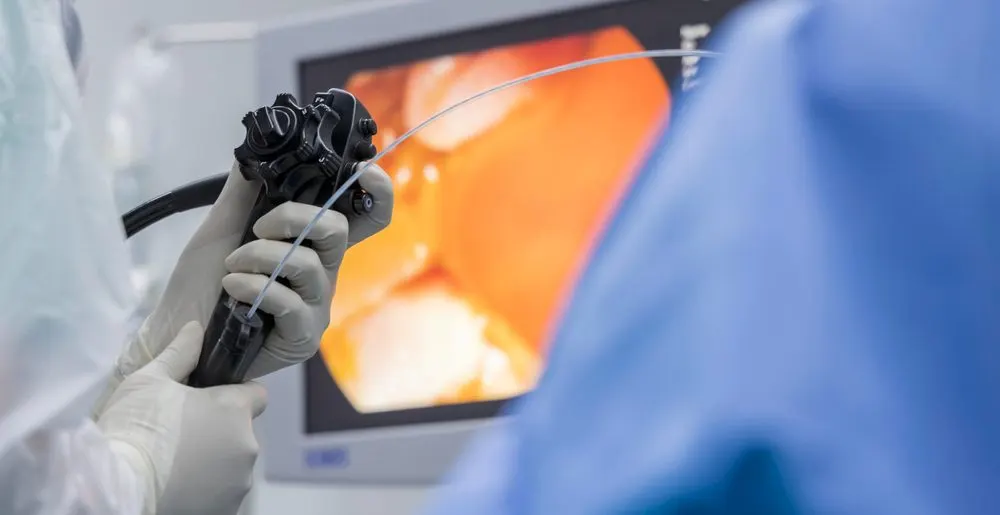
ERCP (endoscopic retrograde cholangiopancreatography) is a medical procedure used to examine the bile ducts and pancreatic ducts, diagnose related diseases, and carry out certain treatments. This procedure can be preferred as an alternative to surgery in bile duct diseases, and it is accepted as an effective method for the diagnosis and treatment of bile duct diseases such as gallstones, bile duct obstructions or strictures.
ERCP may have some advantages over conventional surgery. Because the procedure is generally less invasive, it does not require a large surgical incision. Instead of surgery, it is sufficient to pass the endoscope (a flexible tube with a camera and lighting system at its tip) through the mouth into the digestive tract. This method generally requires a shorter recovery period and can shorten the length of hospital stay.
What Is ERCP?
ERCP, full name endoscopic retrograde cholangiopancreatography, is a medical method used to examine the bile ducts and pancreatic ducts, diagnose certain diseases, and carry out some treatments. This procedure is usually performed by a gastroenterologist and is carried out using an endoscope and an X-ray device. One of the main purposes of the method is to diagnose problems occurring in the bile ducts or pancreatic ducts. These problems may include gallstones, obstructions, inflammation, tumors or other abnormalities.
During the procedure, the endoscope is passed through the mouth into the digestive tract, first reaching the stomach and the duodenum. Then a contrast agent is injected and the bile ducts and pancreatic ducts are visualized by X-ray. These images help the doctor diagnose the problems and determine the appropriate treatment plan, and they can also be used to carry out some treatments. For example, if there are gallstones, these stones can be removed through the endoscope during the procedure. This method can also be used to open obstructions in the bile ducts or to correct strictures.
For Whom and in What Situations Is ERCP Performed?
The situations in which ERCP is generally performed can be listed as follows:
Detection, removal or fragmentation of stones in the gallbladder or bile duct,
Detection of pancreatic inflammation or pancreatitis,
Opening of strictures or obstructions in the bile ducts, or placement of a stent,
Diagnosis of bile duct infections and bile duct inflammation,
Determining the location and size of a pancreatic cancer or pancreatic tumor, or taking a sample from it.
Whether this treatment method is necessary can be determined by a specialist as a result of evaluations made according to the condition of the patient and the disease.
What Are the Advantages of ERCP Compared to Other Methods?
Thanks to its direct imaging and intervention capability, ERCP is a preferred option with advantages such as the removal of gallstones, opening of bile duct obstructions, and evaluation and treatment of pancreatic diseases. In general, this procedure has some advantages over other methods, which are as follows:
Minimally invasive: The procedure is an endoscopic procedure that does not require a surgical incision. Therefore, compared with conventional open surgery, less tissue damage, less bleeding, less pain and a shorter recovery period can be achieved.
Diagnosis and treatment in the same session: During the procedure, doctors can identify various problems and also treat them. For example, after detecting gallstones, the stones can be removed in the same session. With this method, patients do not need to return to the hospital for a separate procedure.
High-quality imaging: During the procedure, high-resolution images can be obtained thanks to the camera on the endoscope. These images make it possible to observe the bile ducts, pancreatic ducts and other digestive system structures in detail. This can help doctors make accurate diagnoses and perform precise treatment procedures.
Although ERCP has advantages, it may not be suitable for everyone. Therefore, when the procedure is needed, it is important to consult the relevant doctor to learn about the advantages and risks.
How Is ERCP Performed?
ERCP takes place in a clinic or hospital setting, and the procedure begins with the insertion of the endoscopic instrument into the digestive system area (2). The procedure is usually performed with sedation, but in some cases local or general anesthesia may also be used. In general, the stages of the method are as follows:
Preparation: Before the procedure, eating and drinking are usually avoided for at least 6 hours. The relevant doctor informs the patient about the necessary preparations and special instructions.
Anesthesia: During the procedure, sedation (numbing) is usually applied. This can help the patient relax and not feel discomfort during the procedure.
Endoscope placement: A thin and flexible tube, the endoscope, is passed through the patient's mouth. It is advanced with the help of the endoscopic camera while the necessary imaging is performed.
Visualization of the bile and pancreatic ducts: The endoscope is positioned in the area called the ampulla of Vater, where the bile duct and pancreatic duct join. A contrast agent (dye) is injected into the ducts through the endoscopic instruments, and the internal structure of the ducts is visualized with an X-ray or endoscopic imaging device.
Intervention: During the procedure, various interventions may be performed to treat problems such as stones, strictures or obstructions detected in the ducts. These interventions may include sphincterotomy (cutting or widening of the sphincter), stone removal, stent placement or dilation (widening of the duct).
What Procedures Can Be Performed With ERCP?
ERCP can be used for different procedures in line with the doctor's clinical assessment and according to patients' needs. Some of these procedures can be described as follows:
Sphincterotomy: Sphincterotomy is the surgical cutting or dilation (widening) of the muscles called sphincters located in the bile duct or pancreatic duct. This procedure may help relieve blockages in the ducts and may be preferred for removing obstacles such as bile stones and pancreatic stones, or for draining bile.
Stent placement: A stent can be placed in the bile duct with ERCP. Stents are used to keep strictures of the bile duct open or to relieve obstructions.
Removal of gallstones: During the procedure, stones in the bile duct can be removed using endoscopic instruments.
Frequently Asked Questions About ERCP
Patients for whom the doctor has decided on ERCP may have some questions and answers they are curious about. Here are some frequently asked questions and their answers about the method: The procedure generally does not cause any significant side effects or complications. However, in some patients, rare complications may occur. These include pancreatitis (pancreatic inflammation), infection, bleeding, perforation (rupture), and the risk of injury to the bile duct or pancreatic duct. The risks and benefits of the procedure are evaluated individually for each patient. Following the doctor's instructions after the procedure and being careful can help the recovery process progress effectively and safely. Points to pay attention to may include eating light, liquid-based food, regularly taking the medications prescribed by the doctor, avoiding heavy physical activity and resting, and not missing follow-up appointments. Therefore, it is necessary for the procedure to be performed by an experienced healthcare team and for its risks and benefits to be carefully evaluated. In general, this method can be used for the removal of gallstones, opening of bile duct obstructions, pancreatic duct obstructions, and acute or chronic pancreatitis.
ERCP is not a surgery. Surgeries are interventions performed by gaining access to the body through surgical incisions. This method, however, is a less invasive procedure and does not involve the same operations as surgery. ERCP is generally an intervention performed by gastroenterologists. Gastroenterologists are medical doctors who deal with digestive system diseases and specialize in performing endoscopic procedures. In some cases, this procedure may also be performed by general surgeons. The duration of the method varies depending on the patient's condition and the procedures performed during the examination, but it can generally last between 30 and 60 minutes. After the procedure, patients are generally kept under observation for a short period, such as 1–2 hours, and discharged the same day. However, in some rare cases, patients may need to stay in the hospital overnight. After endoscopic retrograde cholangiopancreatography, patients are generally advised to rest for a few days. After the procedure, mild to moderate pain may occur, which may affect the time it takes to return to social activities. As pain and discomfort decrease, and as allowed by the doctor, the process of returning to social life can begin. In addition, to ensure a better recovery, avoiding physical activity, heavy lifting or strenuous exercise may be helpful. Some symptoms requiring urgent medical attention may appear during or after the procedure. Symptoms generally occur within an average of 72 hours, and in such a case one should contact a healthcare facility without delay. Situations requiring medical help include severe abdominal pain, persistent cough, fever, chills, blood in the stool, chest pain, vomiting and nausea. If you would like more information about the ERCP method, you can contact a healthcare facility.