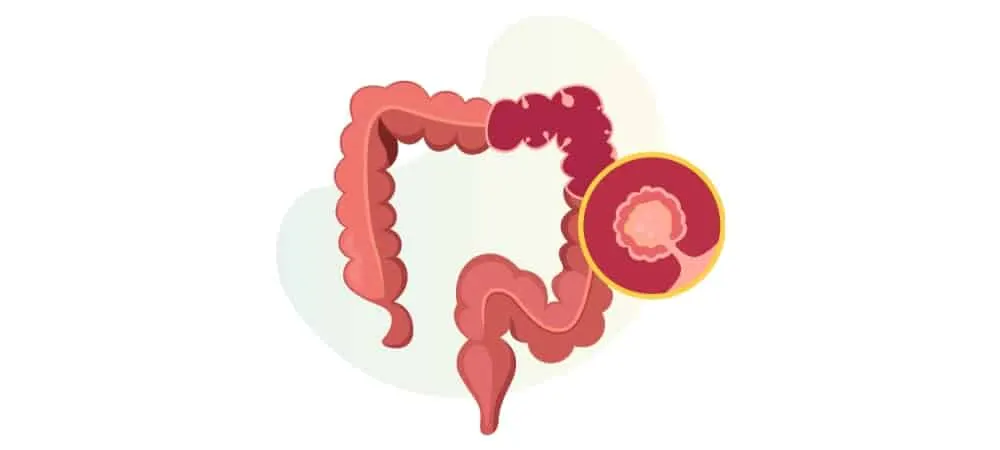
Intestinal Polyps
Intestinal polyps are a common health issue affecting millions of people worldwide, particularly those over the age of 50. Although polyps developing on the inner lining of the intestinal wall are generally benign, they can sometimes turn into cancer if left untreated. Understanding the nature, causes, symptoms, and treatment options of this condition is crucial for maintaining digestive health and preventing potentially serious complications. Early diagnosis and appropriate medical intervention can significantly improve outcomes for individuals affected by intestinal polyps.
What Are Intestinal Polyps?
Intestinal polyps are abnormal growths of tissue that protrude from the inner wall of the intestines. Their size can range from smaller than a pea to several centimeters. While these growths can occur anywhere in the digestive tract, they are most commonly found in the large intestine and rectum. There are several types. The most common ones are adenomatous polyps (adenomas) and hyperplastic polyps.
Adenomatous polyps are considered precancerous and account for about two-thirds of all colon polyps. Although not all adenomas turn into cancer, almost all colon cancers develop from this type. On the other hand, hyperplastic polyps are usually smaller and have little to no potential to become cancerous. The shape of polyps can also vary; some may be flat and broad-based (sessile), while others may be attached to the intestinal wall by a thin stalk (pedunculated). The size, type, and number of polyps can significantly affect their potential health impacts and the recommended treatment approach.
What Causes Intestinal Polyps?
Although the exact cause of intestinal polyps is not fully known, they are thought to develop due to DNA changes or mutations in the cells of the inner lining of the large intestine and rectum. These genetic alterations can cause cells to grow abnormally, leading to polyp formation. There are several factors contributing to the formation of polyps, which can be listed as follows:
Age: Age is a fundamental risk factor, and individuals over 50 are more prone to developing polyps.
Genetic predisposition: Family history also plays a significant role. If you have a history of colon polyps or colorectal cancer in close relatives, your risk is higher. Inherited conditions such as familial adenomatous polyposis (FAP) or Lynch syndrome can cause individuals to develop numerous polyps at an early age.
Lifestyle factors: A diet rich in processed foods, red meat, and unhealthy fats may contribute to the development of polyps. Conversely, a diet rich in fruits, vegetables, and fiber can reduce the risk. Smoking, excessive alcohol consumption, and obesity are other contributing factors.
Inflammatory conditions: Chronic inflammatory bowel diseases, such as ulcerative colitis or Crohn's disease, can increase the likelihood of developing polyps.
Sedentary lifestyle: A lack of regular physical activity is another factor that increases the risk of polyps and colorectal cancer.
What Are the Symptoms of Intestinal Polyps?
Intestinal polyps do not cause any symptoms, especially when they are small; however, as they grow or their number increases, various symptoms may appear. Common symptoms include:
Rectal bleeding: One of the most common symptoms is blood in the stool or rectal bleeding. Blood may be visible to the naked eye or detected with a fecal occult blood test.
Changes in bowel habits: Polyps can cause persistent changes in bowel movements, such as diarrhea, constipation, or changes in stool consistency lasting longer than a week.
Abdominal pain or discomfort: Large polyps can lead to cramping or pain, especially if they cause an obstruction in the intestine.
Iron deficiency anemia: Slow, chronic bleeding originating from polyps can cause iron loss and consequently anemia. Symptoms of anemia include fatigue, weakness, and pale skin.
Mucus in the stool: In some cases, excess mucus may be noticed in the stool, which can be an indicator of polyps or other intestinal issues.
How Are Intestinal Polyps Diagnosed?
Diagnosing intestinal polyps begins with a detailed medical history and physical examination. If polyps are suspected or if there is a higher risk group, one or more of the following diagnostic methods may be recommended:
Colonoscopy: Colonoscopy is the most effective and widely used method to diagnose polyps. In this procedure, a long, flexible tube with a camera at the end is passed through the rectum and guided into the colon. If polyps are detected, they can usually be removed immediately and sent for biopsy.
Sigmoidoscopy: Similar to a colonoscopy, this procedure examines only the lower part of the large intestine. It is less invasive, but since it does not provide a full view of the entire colon, it may miss growths in other areas.
Stool tests: Tests such as the fecal occult blood test (FOBT) or fecal immunochemical test (FIT) check for the presence of hidden blood in the stool. While this may indicate the presence of polyps, it does not detect them directly.
CT colonoscopy (virtual colonoscopy): CT colonoscopy is a non-invasive imaging test that uses CT scans to provide detailed views of the colon and rectum. If polyps are detected, a traditional colonoscopy may be required to remove them.
Barium enema: In this test, barium sulfate is injected into the rectum, which coats the inner lining of the colon to provide clearer X-ray images, though it is used less commonly than colonoscopy.
How Are Intestinal Polyps Treated?
The most common method in the treatment of intestinal polyps is their removal, as this eliminates the risk of them turning into cancer. Different treatment methods are used depending on the size, type, and location of the polyps. Common treatment options include:
Polypectomy during colonoscopy: Most polyps can be removed using small instruments passed through the colonoscopy. Small ones are usually cut off, while larger ones can be removed using techniques such as a snare (using a wire loop) or burning (cauterization).
Endoscopic mucosal resection (EMR): If a polyp is larger or difficult to remove with standard polypectomy, EMR may be used. In this technique, fluid is injected beneath the polyp to lift it away from the colon wall, making it easier to remove.
Surgical removal: Rarely, surgical intervention may be necessary when polyps are very large, numerous, or difficult to reach with a colonoscopy. This may include procedures such as a partial colectomy (removal part of the colon). Surgical intervention may also be required if cancer is detected.
Surveillance: Regular follow-up screenings are recommended after polyps are removed. Screenings are particularly important for individuals who have had adenomatous or serrated polyps, as these carry a risk of recurrence or progression to colorectal cancer.
Frequently Asked Questions
Intestinal polyps generally do not cause pain when they are small in size, but large ones can lead to abdominal pain by causing stretching and obstruction in the intestinal wall. Some patients may experience cramp-like pain, bloating, and a feeling of discomfort. The size and location of the polyp are factors that determine the severity and type of the pain. The duration of the surgery varies depending on the size, number, and location of the polyp. A simple polypectomy performed during a colonoscopy usually takes 15-30 minutes. Endoscopic mucosal resection for more complex or larger polyps can take 45-60 minutes. In cases requiring open surgery, the procedure can be completed in 1-3 hours. Adenomatous polyps are riskier because they carry the potential to turn into cancer over time. Hyperplastic polyps are generally less dangerous. With regular screening and early diagnosis, most polyps can be treated before they turn into a serious problem. Careful follow-up is especially important for those with a family history. The process of adenomatous polyps turning into cancer usually ranges from 5 to 10 years, but this duration can vary depending on the polyp type, size, and genetic factors. While some aggressive polyps may turn into cancer in a shorter time, others may never become cancerous. Individuals with intestinal polyps should avoid processed meats, fried foods, and high-fat foods. Excessive red meat consumption, refined sugars, and alcohol are also risk factors. Instead, fibrous foods, fresh vegetables and fruits, and whole grains should be preferred. Healthy fats such as fish rich in omega-3 and olive oil can be consumed. Intestinal polyps can recur after they are removed. The risk of recurrence depends on the number and type of initial growths and the patient's risk factors. The risk of recurrence is higher in individuals with a history of adenomatous polyps. Therefore, regular follow-up colonoscopies are important. Healthy lifestyle changes can reduce the risk of recurrence. The frequency of colonoscopy is determined based on the number, size, and type of polyps found. While follow-up at intervals of 5-10 years may be sufficient for small hyperplastic polyps, follow-up at intervals of 1-3 years may be required for multiple or large adenomatous polyps. Family history and genetic risk factors also affect the frequency of follow-up. Polyp surgeries are generally safe procedures. The risk of complications in polypectomies performed during a colonoscopy is low (1-2%). The most common risks are bleeding and perforation. The risk may be slightly higher in the surgical removal of large ones, but experienced specialists can minimize these risks. Polyps become riskier especially when they are larger than 1 cm. Adenomatous type polyps, particularly those with a villous structure or showing high-grade dysplasia, are more dangerous in terms of cancer risk. Additionally, multiple polyps, those showing rapid growth, and polyps seen in individuals with a family history of colon cancer are also considered more dangerous. Risk assessment is made based on the size and type of the polyp and the general health status of the patient. Intestinal polyps are primarily dealt with by the gastroenterology department. Gastroenterologists are doctors specialized in digestive system diseases. They perform diagnostic and therapeutic procedures such as colonoscopy. In some cases, especially when surgical intervention is required, the general surgery department is also involved in the treatment process. Additionally, the medical genetics department may be collaborated with for genetic evaluation in patients with a family history. If you are over 50 or have a history of polyps in your family, you can make an appointment for a check-up for early diagnosis and treatment.
Early Diagnosis Saves Lives in Intestinal Polyps
Intestinal polyps can often progress without showing symptoms and can lead to serious health problems if left untreated. If you are over 50 years old or have a family history of colon polyps or colon cancer, regular check-ups are of great importance.
Hisar Hospital Gastroenterology Department safely performs colonoscopy, polypectomy, and follow-up processes with its advanced diagnostic technologies and experienced specialist staff.
Make your appointment now for early diagnosis and proper treatment.
Start with the right assessment for What Are Intestinal Polyps? Symptoms, Causes, and Treatment Methods
Share your symptoms with our specialist physicians; let us determine the right diagnosis and treatment plan together.
Warning
If your symptoms started suddenly, are progressing rapidly, or significantly restrict your daily life, consult a physician without delay.
Plan your What Are Intestinal Polyps? Symptoms, Causes, and Treatment Methods journey with our specialists.
Fill in the form or book an appointment to learn about treatment options, the process and preparation.