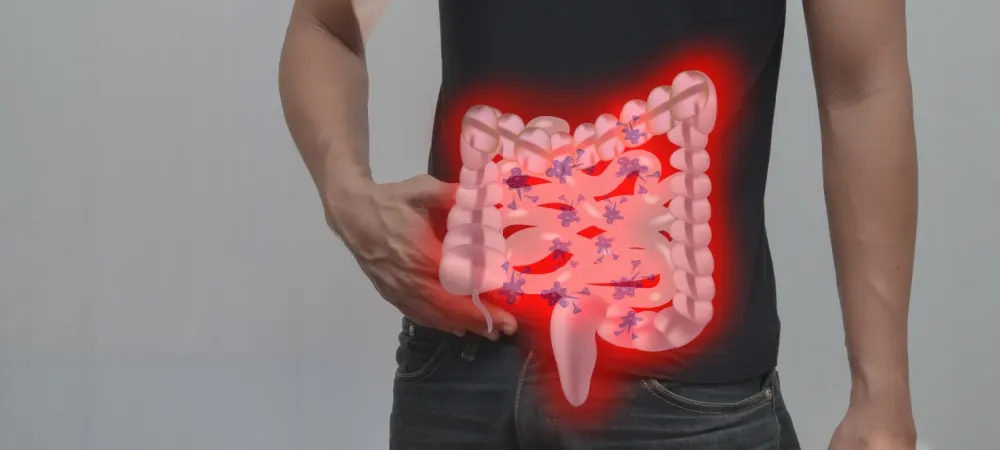
Intestinal Infection
An intestinal infection occurs due to microorganisms that settle in the intestine and multiply uncontrollably. Gastrointestinal infections can also be referred to by various names such as gastroenteritis. It usually occurs when consuming water and food contaminated with microorganisms. It may manifest with complaints such as nausea, vomiting, and fever. In patients with mild symptoms, it can be treated with solutions such as consuming probiotic foods and increasing water intake. However, in cases where problems such as diarrhea and vomiting are severe, antibiotic treatments and intravenous fluid supplementation may be required.
What is an Intestinal Infection?
An intestinal infection is a digestive system problem that occurs through the consumption of food contaminated with viruses, bacteria, and parasites. Patients usually experience problems such as vomiting, nausea, and diarrhea. In patients with mild symptoms, the complaints may be confused with ailments like a stomach flu. During intestinal infections, symptoms of dehydration may be seen due to diarrhea and vomiting. High levels of fluid loss can lead to serious problems such as low blood pressure, fainting, and weakened heart rate. Therefore, when such symptoms are observed, one should apply to the nearest healthcare institution without delay to begin treatment. Intestinal infections in infants can have a faster and more severe effect compared to adults.
How Does an Intestinal Infection Occur?
An intestinal infection occurs as a result of microorganisms taken into the body orally settling in the intestine and multiplying beyond normal levels. The factors causing intestinal infections can be viral, bacterial, or parasitic in origin. Some of the causes of intestinal infection can be listed as follows:
Bacterial causes: Bacteria such as Campylobacter, Salmonella, Shigella, and Clostridium difficile can multiply in the intestine and cause infections. While some of these bacteria originate from animal products, others are taken into the body through the consumption of contaminated water and food.
Viral causes: Rotavirus and norovirus are the most common viruses that cause intestinal infections. While rotavirus is transmitted among young children due to contact with substances such as vomit and feces, norovirus spreads in areas of communal living such as childcare centers and nursing homes.
Parasitic causes: Parasite-borne problems such as Giardia, cryptosporidiosis, and amoebiasis can lead to intestinal infections.
Diseases: Diseases such as Crohn's disease, ulcerative colitis, and irritable bowel syndrome can make the intestines more susceptible to infections.
What Are the Symptoms of an Intestinal Infection?
People experiencing an intestinal infection may suffer from various digestive system problems such as abdominal pain, nausea, and vomiting. Some of the symptoms that appear in people with an intestinal infection are as follows:
Stomach cramps and abdominal pain,
Constipation or diarrhea,
Nausea and associated loss of appetite,
Vomiting,
Gas buildup and gas pains,
High fever.
Symptoms may begin to appear immediately after the consumption of contaminated food and liquids, but in some cases, complaints may occur within a 3-day period. Intestinal infections can lead to more serious problems in children compared to adults. If a newborn experiences an intestinal infection, a serious clinical picture that can even lead to death may occur if necessary precautions are not taken. Patients with severe intestinal infections experience fluid loss due to diarrhea and vomiting. Depending on dehydration, complaints such as fatigue, low blood pressure, and fainting may be encountered.
How is an Intestinal Infection Diagnosed?
Although monitoring symptoms in patients with an intestinal infection is important, it may not be sufficient for diagnosis. The symptoms seen in people with the disease can be confused with different digestive system diseases. For a definitive diagnosis in case of suspected infection, stool and blood samples can be taken and examined. In addition, imaging methods such as colonoscopy can be used to check for the presence of any anomalies within the intestine. Although the use of rapid diagnostic kits is common in viral infections, such a test is not possible for viral intestinal infections. For this, a stool sample must be taken.
How is an Intestinal Infection Treated?
Intestinal infection treatment can be grouped under headings such as improving symptoms and correcting underlying causes. As a first step, if signs of dehydration are seen in the patient, it is aimed to return the patient's levels to normal with intravenous fluid supplementation. After this procedure, the symptoms seen in the patient are examined and their improvement is ensured. If the intestinal infection has led to constipation, laxatives and similar drugs that soften the stool are used. If the intestinal infection causes diarrhea, an anti-diarrheal treatment is preferred, and oral rehydration solutions may be recommended. Painkillers can be used for abdominal pain and cramps. After the underlying cause is determined, a treatment procedure is planned accordingly. For example, the use of antibacterials is preferred for bacterial intestinal infections.
Frequently Asked Questions
In addition to drug treatments, the process can be accelerated by taking some precautions for the recovery of an intestinal infection. Especially since fluid loss increases, daily water consumption should be increased. Consumption of foods with probiotic content can be effective in alleviating complaints by ensuring the increase of beneficial intestinal bacteria. For this purpose, the consumption of foods such as kefir, yogurt, and pickles can be increased. Intestinal infections frequently lead to abdominal pain. The excessive multiplication of microorganisms that can be described as harmful within the intestine can cause gas accumulation and pain in the stomach and intestines. The use of painkillers may be preferred to alleviate this pain. Stomach cramps and pain can be seen in people with an intestinal infection. Severe pain may manifest as a result of diarrhea and gas accumulation caused by the infection. Since abdominal pain and gas pain are common problems in children, they may be ignored. However, intestinal infections in children and infants can lead to more serious problems. For example, in a 2-year-old child with an intestinal infection, diarrhea continues for a long time, and if not treated, it can lead to serious fluid loss and cause life-threatening problems. Problems in the intestine usually manifest themselves through digestive system issues. For example, a patient with a small intestine infection experiences vomiting, nausea, and diarrhea. Since no intestinal problem occurs without symptoms, it can be understood from the outside. However, different intestinal problems can cause similar symptoms. Therefore, especially for persistent symptoms, a doctor's examination should be sought to begin treatment. Although an intestinal infection does not cause fatigue on its own within its symptoms, it can indirectly lead to complaints of fatigue. Vomiting and diarrhea symptoms experienced due to an intestinal infection can cause serious fluid loss in the body. Dehydration experienced with persistent intestinal infections and severe infections is effective in the emergence of problems such as fatigue, low blood pressure, and headaches. Stress is not a factor for an intestinal infection on its own. However, the immune system weakens in people experiencing intense stress. While the immune system can easily destroy microorganisms entering the body when it works effectively, a weak immune system may not be sufficient in this regard. When the body becomes susceptible to infections, intestinal infections can be seen if food or liquid that does not contain a high density of microorganisms is taken into the body. Groin pain arises with kidney problems, prostate infection, testicular infection and cancer, and hip problems. In patients with an inguinal hernia, the experience of complaints such as nausea, vomiting, constipation, and fever in addition to groin pain can cause it to be confused with intestinal infection symptoms. However, the absence of groin pain in intestinal infections can show that this symptom has a distinguishing feature. Intestinal infection is specifically the area of expertise of the gastroenterology department. However, a referral from the internal medicine department is required to be examined by gastroenterology. In addition, it may be necessary to get the opinion of an obstetrician for patients experiencing an intestinal infection during pregnancy. When intestinal infection symptoms are seen in infants, the baby should first be examined by a pediatrician by their parents, and then the necessary referrals should be made. Colitis is a digestive system disease experienced due to Crohn's disease and ulcerative colitis. Inflammation problems are seen because these diseases constantly irritate intestinal cells. Problems can occur in any part of the large intestine. People with colitis experience symptoms such as abdominal pain, diarrhea, rectal bleeding, fever, anemia, and stress problems. Over time, it can lead to the formation of abscesses, intestinal strictures, and fistulas in the intestine. In colitis experienced in children, developmental and growth retardation can be seen in addition to these symptoms. Chills are not among the common symptoms of an intestinal infection. However, serious fluid loss experienced due to watery diarrhea and severe vomiting can cause problems in keeping body temperature stable. In addition, a feeling of chills may arise in the patient due to the high fever caused by the infection. Symptoms appear within a 1-3 day period after contact with factors that may cause an intestinal infection. These symptoms usually show improvement in a 1 or 2-day period. However, in some patients, the recovery time for an intestinal infection can last up to 14 days. After symptoms begin to appear, some precautions can be taken at home. If blood is seen in the patient's stool and vomit, if diarrhea lasts longer than 24 hours, or if there is a high fever, it is necessary to apply to the nearest healthcare institution without delay.
If you are experiencing symptoms of an intestinal infection, you should consult a specialist without delay. You can create your appointment immediately for accurate diagnosis and treatment by contacting Hisar Hospital Gastroenterology specialists.
Start with the right assessment for What is an Intestinal Infection?
Share your symptoms with our specialist physicians; let us determine the right diagnosis and treatment plan together.
Warning
If your symptoms started suddenly, are progressing rapidly, or significantly restrict your daily life, consult a physician without delay.
Plan your What is an Intestinal Infection? journey with our specialists.
Fill in the form or book an appointment to learn about treatment options, the process and preparation.