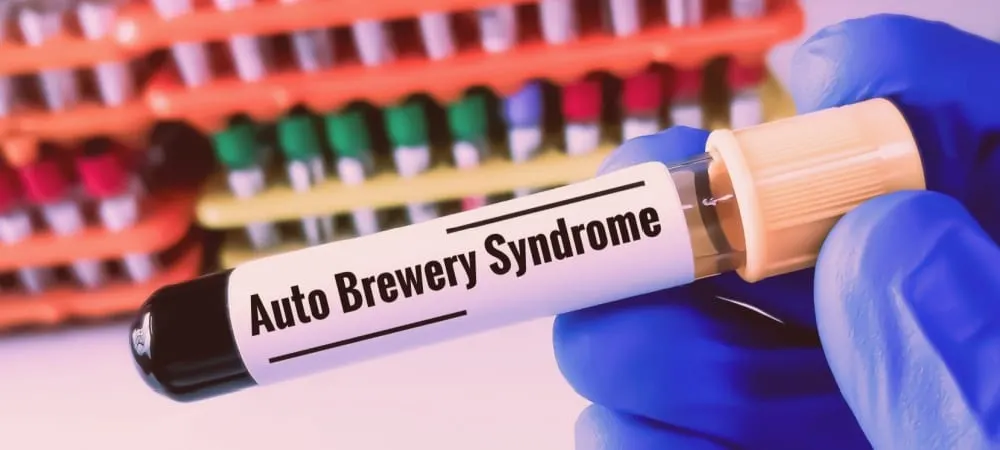
Auto-Brewery Syndrome
Auto-Brewery syndrome is a condition where alcohol is produced by certain microorganisms in the body, leading to elevated blood alcohol levels. An individual may exhibit symptoms of intoxication without direct alcohol consumption. The human digestive system flora contains a large number of microorganisms. Bacteria and fungi responsible for fermenting nutrients in the intestines cause the production of ethanol from carbohydrates.
Ethanol can be produced by bacteria and fungi in the oral cavity, digestive system, and bladder. In a healthy metabolism, the small amount of ethanol produced is cleared before it reaches the bloodstream. When the number of bacteria and fungi increases significantly, they produce more ethanol than the body can clear, resulting in an excessive alcohol load in the bloodstream.
Blood alcohol content can reach intoxication levels, and the individual may show signs of alcoholism. A diet rich in carbohydrates and refined foods, excessive medication use, overgrowth of flora, and metabolic disorders can contribute to the development of Auto-Brewery syndrome. It is a rare condition globally and is thought to be underdiagnosed. Endogenous alcohol fermentation can affect children and adults of both genders. People with this syndrome may become involved in legal cases because they exhibit symptoms of intoxication. Consequently, it can lead to various social and societal problems.
What is Auto-Brewery Syndrome?
Auto-Brewery syndrome, or gut fermentation syndrome, is the production of alcohol in the body by bacteria and fungi through fermentation. Carbohydrates ingested into the body are fermented into ethanol as a normal activity of the digestive system. A very small amount of ethanol production is seen in all humans, but this does not affect the person symptomatically. The microorganisms in the digestive system are generally harmless and play a role in supporting digestive activities.
In some cases, an abnormal increase in this microorganism population can occur. These bacteria and fungi, which become pathogenic, can ferment large amounts of carbohydrates, leading to excessive ethanol production. Ethanol can be absorbed by the digestive system epithelium, leading to an increase in blood alcohol levels.
Although blood alcohol levels vary depending on carbohydrate consumption, fasting, and physiological status, they can reach approximately 400 mg/dL. These individuals tend to have high blood alcohol levels even when they consume very little or no alcohol. It is often associated with underlying gut problems but can also occur in completely healthy individuals. Diseases accompanying the syndrome can commonly include obesity, diabetes, steatohepatitis, and gastrointestinal disorders such as Crohn's disease.
What Are the Symptoms of Auto-Brewery Syndrome?
Auto-Brewery syndrome symptoms can mimic signs seen in alcohol consumption. When blood alcohol levels are lower, vague or mild symptoms develop. As the blood alcohol level increases, a profile similar to intoxication may emerge. Auto-Brewery symptoms in a milder profile may include:
Slowed reaction time,
Brain fog,
Drowsiness,
Dizziness,
Loss of coordination,
Clumsiness,
Memory problems.
Over time, additional physical findings may also be seen. These are generally:
Balance problems,
Speech impairment,
Blurred vision,
Dilated pupils,
Facial flushing,
Mood swings,
Nausea and vomiting.
Changes in the gastrointestinal system can vary from person to person. Even if the person does not have symptoms of intoxication, there may be certain gastrointestinal complaints. Abdominal pain, bloating and gas accumulation, fatigue, food sensitivities, changes in stool structure and color, cough, and runny nose can be directly or indirectly among the findings of Auto-Brewery syndrome. Symptoms tend to appear when high-carbohydrate diets are consumed. These effects can manifest within 24 hours, but undiagnosed individuals may think this condition occurs suddenly.
What Causes Auto-Brewery Syndrome?
Auto-Brewery syndrome can occur due to various factors. Excessive ethanol production by the flora can be influenced by internal and external causes. The main factors contributing to the development of gut fermentation syndrome are:
Overgrowth of yeast fungi such as Saccharomyces cerevisiae, Saccharomyces boulardii, Candida albicans, Candida glabrata, Candida kefyr, and Candida parapsilosis,
Overgrowth of bacteria such as Enterococcus faecium, Enterococcus faecalis, Klebsiella pneumoniae, and Citrobacter freundii,
Digestive system diseases that lead to slowing of gastrointestinal system motility,
Blood sugar levels remaining higher than normal,
A diet rich in carbohydrates and refined sugar,
Frequent and long-term antibiotic use,
Weakened immune system due to medications and medical conditions,
Disorders in the liver's alcohol metabolism pathway or liver diseases.
One or more factors can support gut fermentation syndrome. Additionally, having past or current health problems can also be a risk factor. Factors that may increase the likelihood of developing Auto-Brewery syndrome may include:
Alcohol intolerance,
Metabolic syndrome,
Candidiasis,
Diabetes,
Small Intestinal Bacterial Overgrowth (SIBO),
Steatotic liver disease associated with metabolic dysfunction.
How is Auto-Brewery Syndrome Diagnosed?
Auto-Brewery patients may not have obvious findings at first, but over time, neurological symptoms such as mood swings and coordination problems may be seen. Anyone who does not consume alcohol but has high alcohol in their blood may be at risk for Auto-Brewery syndrome and must be examined. Additionally, it should be checked whether the person has hidden alcohol use, head injuries and trauma, or psychological disorders. During evaluation and diagnosis, the following criteria are considered:
Medical history, medication use, and physical examination,
Family history of diet and alcohol use, unexplained intoxication and drunkenness,
Blood and breathalyzer tests to measure blood alcohol content,
Oral glucose tolerance test to measure the body's response to carbohydrates,
Hydrogen breath test to detect the increase in bacterial population,
Stool culture to detect the increase in fungal population,
Endoscopy to obtain fluid samples from the gastrointestinal tract.
In addition to physical evaluations, psychological findings can also be important.
How is Auto-Brewery Syndrome Treated?
Auto-Brewery syndrome treatment is carried out through the coordination of several applications. The symptoms shown by the person, the severity of the disease, and other existing health problems are important factors in creating the treatment plan. Treatment can be urgent or long-term. Treatment approaches mainly include:
Emergency medical intervention: Patients with excessive alcohol in their blood are provided with intervention for acute alcohol poisoning, and their condition is stabilized.
Drug therapy: Antifungal or antibiotic medications are prescribed for the fungal or bacterial strains identified in the case.
Dietary therapy: Eliminating simple and complex sugars in nutritional therapy helps reduce the level of alcohol fermented in the body. High-protein and lower-carbohydrate diets may be recommended until symptoms are brought under control.
Supplementation: Multi-strain probiotic supplements may be recommended and can help balance the digestive system flora. Although its long-term effect is not definitively known, it may be preferred for improving general health.
Frequently Asked Questions
Although Auto-Brewery syndrome, characterized by endogenous alcohol production, is rarely seen, it is a medically defined and valid condition. The first recorded case report belongs to a child in 1948. The definition of the disease in medical literature occurred in 1952 in Japan. Auto-Brewery syndrome is defined by high alcohol in the blood even without alcohol intake or with very limited alcohol intake. Depending on the level of alcohol in the blood, the person may show symptoms just as if they had consumed alcohol. While low levels of alcohol give more vague symptoms, excessive alcohol values can give symptoms of “intoxication.” Auto-Brewery syndrome is triggered by some bacteria and fungi in the normal flora of the digestive system. Enterococcus faecium, Enterococcus faecalis, Klebsiella pneumoniae, and Citrobacter freundii are bacteria that can cause endogenous alcohol production. In addition to bacteria, yeast fungi such as Saccharomyces cerevisiae, Saccharomyces boulardii, Candida albicans, Candida glabrata, Candida kefyr, and Candida parapsilosis can also contribute to this process. Basically, carbohydrates, which are sugars and starchy foods, can trigger Auto-Brewery syndrome. These are foods that feed microorganisms in the intestines and undergo fermentation. It may be necessary to avoid white rice, potatoes, pasta, white bread, fruit juices, packaged products such as crackers, milk, and all foods with added sugar. Gut fermentation syndrome reflects on alcohol tests and can give measurements as if alcohol had been consumed. Also, measurement with a breathalyzer during the diagnosis of Auto-Brewery syndrome can help with the diagnosis. For this reason, undiagnosed individuals should not drive when they do not know when symptoms appear, but patients who are diagnosed and know their trigger times can better evaluate when to drive. Gut fermentation syndrome is a condition that can be held responsible for being drunk while driving, but this rarely seen metabolic disorder can bring about different judicial decisions. As a precaution, after diagnosis, driving may be recommended provided that meals are regulated and consumption is controlled. Because it can show a high amount of alcohol in the blood in a breathalyzer test, it may be subject to loss of driver's license or other criminal proceedings. Auto-Brewery is not a contagious disease. Indeed, there are fewer than 100 diagnosed cases in the world. Although the gastrointestinal flora is similar in humans, it is distributed in a person-specific manner. Therefore, endogenous alcohol production and bacterial population growth are health problems caused by internal reasons. Tests preferred for diagnosis include physical examination, blood tests, breathalyzer test, hydrogen breath test, stool culture, oral glucose tolerance test (OGTT), and endoscopy. Auto-Brewery cannot be completely eliminated with treatment, but the lifelong application of treatment approaches helps to alleviate symptoms. When the conditions that trigger the syndrome reappear, symptoms can recur and worsen. It is possible to live with Auto-Brewery, but it may require strict follow-up. Every risk factor that warns of the worsening of the syndrome and the formation of symptoms should be eliminated or limited. For this reason, diseases that contribute to the development of the syndrome should be treated, and the diet should be changed. Under the expertise of a doctor and dietitian, the syndrome can be brought under control, and findings can be alleviated.
Auto-Brewery Syndrome is a disease that is often overlooked because it is rare and its symptoms mimic alcohol use. With the multidisciplinary approach of gastroenterology specialists, the diagnosis of the disease is evaluated in detail.
With advanced laboratory infrastructure, endoscopic diagnostic facilities, and personalized nutrition plans, it is aimed to bring Auto-Brewery Syndrome under control.
If you are experiencing intoxication-like symptoms but do not consume alcohol, you can make an appointment with Hisar Hospital Gastroenterology and Hepatology specialists for early diagnosis and correct treatment.
Start with the right assessment for What is Auto-Brewery Syndrome? Symptoms, Causes, and Treatment
Share your symptoms with our specialist physicians; let us determine the right diagnosis and treatment plan together.
Warning
If your symptoms started suddenly, are progressing rapidly, or significantly restrict your daily life, consult a physician without delay.
Plan your What is Auto-Brewery Syndrome? Symptoms, Causes, and Treatment journey with our specialists.
Fill in the form or book an appointment to learn about treatment options, the process and preparation.