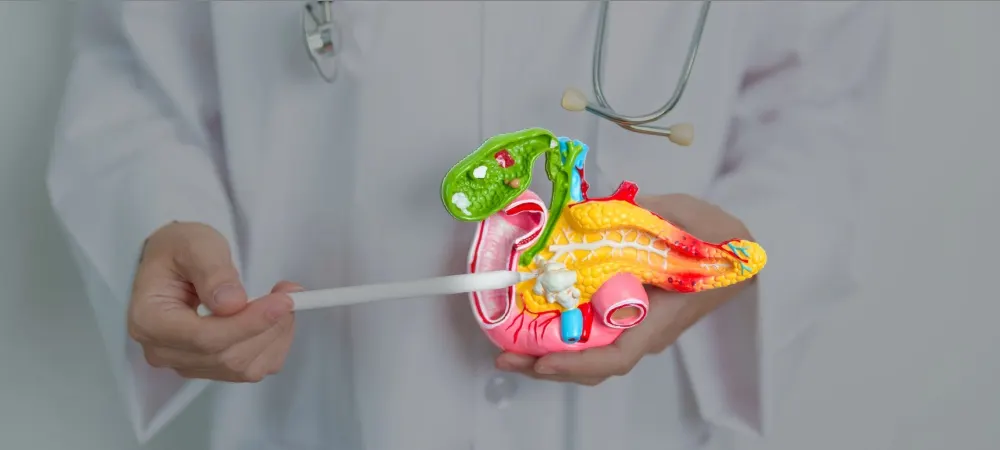
Acute Pancreatitis
Inflammation developing in the pancreas is called "pancreatitis." Pancreatitis is an immune response that shows effects such as functional changes, swelling, and pain in the pancreatic tissues. Located between the stomach and the spine, the pancreas plays a role in digestion and the regulation of blood sugar. As part of digesting nutrients, pancreatic enzymes are transferred to the small intestine, ensuring the breakdown of large food components. The elevation or lowering of blood sugar occurs through the effect of insulin and glucagon hormones. Depending on various factors, the pancreas can become damaged and inflamed. Inflammation can be an acute condition and manifest itself suddenly.
Acute pancreatitis may heal on its own, or medical intervention may be necessary. Severe acute pancreatitis can lead to life-threatening serious complications and necessitate hospitalization. Factors such as obesity, gallstones, alcoholism, and smoking can increase pancreatic damage and the risk of pancreatitis. In the management of acute pancreatitis, there is generally a risk of organ failure in the first two weeks, while sepsis and its complications may arise in later periods.
What is Acute Pancreatitis?
Acute pancreatitis is an inflammatory disease characterized by high pancreatic enzymes in the blood and frequently abdominal pain. When pancreas inflammation occurs suddenly and for a short duration, it is named acute pancreatitis. The pancreas is a digestive accessory gland located on the posterior abdominal wall. It is divided into 4 parts: head, neck, body, and tail. The primary function of the pancreas is to produce endocrine and exocrine secretions. Endocrine secretions are mainly insulin and glucagon hormones. Insulin and glucagon hormones are tasked with blood sugar regulation. Exocrine secretions, on the other hand, are enzymes produced from aciner cells.
The pancreas can become inflamed due to reasons such as gallbladder stones and chronic alcoholism. Acute pancreatitis can follow a severe course giving rise to mild or serious complications. According to its severity, it can be divided into three as mild, moderate, and severe. In mild pancreatitis, inflammation is limited to the pancreas and its surroundings. In moderately severe pancreatitis, regional or systemic complications affecting the entire body can be seen. Transient organ failure that corrects within 48 hours may be observed. In the clinical picture of severe acute pancreatitis, single or multiple organ failure occurs persistently. According to the Atlanta classification, acute pancreatitis is divided into two types:
Interstitial edematous acute pancreatitis: It is the observation of enlargement as a result of the inflammation of the pancreas and surrounding tissues.
Acute necrotizing pancreatitis: It is characterized by the death of the pancreas and surrounding tissues. It is responsible for approximately 5-10% of cases.
What Are the Symptoms of Acute Pancreatitis?
The most prominent symptom of acute pancreatitis is severe upper abdominal pain. Upper abdominal pain can sometimes radiate towards the back. In acute pancreatitis caused by gallbladder stones, the pain appears suddenly and is felt quite intensely within a few minutes. Pancreatitis pain caused by alcohol use develops within a few days, is severe yet constant, and can last for days. The pain may worsen during deep breathing, coughing, and intense movement. Pancreatitis caused by alcohol may not give any symptoms other than mild-moderate pain in some individuals. However, in general, acute pancreatitis symptoms include:
Nausea and vomiting,
Fatigue,
High pulse,
Sweating,
Rapid and shallow breathing,
Swelling in the upper abdomen,
Tenderness in the abdominal region,
Decreased bowel sounds,
Fever,
Tachycardia (palpitations),
Postural hypotension,
Inflammation in the lungs,
Pancreatic ascites,
Pleural effusion (fluid accumulation in the chest cavity),
Atelectasis (Collapsed lung tissue),
Low oxygen in the blood,
Grey-Turner sign,
Cullen sign,
Yellowing of the whites of the eyes.
Not all of these symptoms may be seen in every patient. Additionally, complications may vary depending on the severity of pancreatitis.
What Causes Acute Pancreatitis?
The most common causes of acute pancreatitis are gallbladder stones, alcohol use, and hypertriglyceridemia. Approximately 80% of pancreatitis cases originate from gallbladder stones and alcohol use. The gallbladder and pancreas empty their secretions into the small intestine via the same duct. If this duct is blocked by a gallstone, the passage of pancreatic secretion is prevented, and enzymes are trapped in the pancreas. With the blockage and the pressure of accumulated enzymes, the enzymes accumulated in the pancreas become active and begin to digest the tissue. This condition can trigger inflammation in the pancreas. Alcohol, another cause, can initiate inflammation in the pancreas via toxic byproducts in the blood or trigger tissue damage by activating digestive enzymes. Hypertriglyceridemia is the 3rd most common cause, affecting approximately 1-4% of patients. Blood triglyceride levels of 1000 mg/dl and above are considered a significant risk for acute pancreatitis. Less commonly seen acute pancreatitis causes include:
Drug use,
Autoimmune pancreatitis,
Hereditary gene mutation,
Ampullary stenosis,
Viral infections such as Hepatitis A, B, C, HIV, rubella, chickenpox, mumps, Coxsackie, cytomegalovirus, Epstein-Barr virus,
Bacterial infections,
Parasitic infections,
Smoking,
Hypercalcemia (High blood calcium levels),
Congenital anomalies,
Traumatic injuries of the pancreas,
Cystic fibrosis,
Kidney disease,
Vasculitis.
In addition, toxins such as organophosphate poisoning, scorpion stings, and surgeries such as abdominal surgery can be risk factors.
How is Acute Pancreatitis Diagnosed?
Acute pancreatitis diagnostic criteria have been established according to the Atlanta classification, and meeting at least two criteria provides the diagnosis. These criteria are:
Abdominal pain compatible with acute pancreatitis,
Lipase or amylase being three times the upper limit of the accepted normal range,
Presence of acute pancreatitis findings in contrast-enhanced imaging techniques.
The diagnosis of acute pancreatitis includes a detailed medical history, family history, presence of symptoms, laboratory tests, and imaging methods. In the detailed medical history, factors such as unexplained weight loss, newly onset diabetes, drug and alcohol use, previous surgical procedures, trauma and injury status, and history of autoimmune disease are examined. Other methods resorted to during diagnosis are as follows:
Blood tests: Covers serum triglyceride, calcium, amylase and lipase levels, immune system components, liver and pancreas biochemical tests.
Urine and stool tests: Searching for trypsinogen-2 in urine and evaluating fat metabolism activities in stool.
Blood glucose test: It is helpful in determining the production and activities of insulin hormones produced by the pancreas.
Imaging techniques: Ultrasound and computed tomography (CT) can show gallbladder stones and the extent of inflammation. MRI scanning allows the examination of abnormal tissues in the pancreas, gallbladder, and ducts.
When acute pancreatitis cannot be diagnosed, further endoscopic ultrasound or MRCP may be recommended.
How is Acute Pancreatitis Treated?
There is no specific method for the treatment of acute pancreatitis. Pain control, fluid hydration, bowel rest, nutritional therapy, endoscopy, or surgical applications can be carried out simultaneously. The main treatment of uncomplicated and non-severe acute pancreatitis cases of known origin includes:
Pain relievers: Acute pancreatitis pain affects almost all patients. Controlling severe pain may be a priority in treatment
Intravenous fluids: Providing fluid replacement therapy via a vascular access.
Nutritional therapy: Acute pancreatitis nutritional therapy is an important issue affecting the recovery process. When patients begin to tolerate symptoms of loss of appetite, nausea and vomiting, and abdominal pain, they can consume low-fat, soft-textured, and low-residue foods. As the patient responds to treatment, a transition to a normal diet can be made.
When symptoms and complications are brought under control, treatments directed at the underlying cause can be applied. If acute pancreatitis is caused by gallbladder stones, the removal of the gallbladder procedure, "cholecystectomy," can be applied. Endoscopic retrograde cholangiopancreatography may be preferred to find and remove gallbladder stones. In addition, endoscopic surgery can be used to drain fluids accumulated in the pancreas and remove damaged tissues. Additional treatment programs may be recommended within the scope of regulating drug use and improving alcohol addiction. The duration of acute pancreatitis treatment may be related to whether the case is complicated or not.
Frequently Asked Questions
Acute pancreatitis is most frequently seen in the middle and advanced age group, individuals with hypertriglyceridemia, a history of gallstones, consuming excessive alcohol, and those who have recently undergone surgery. However, it can affect individuals of all ages and lead to serious complications. Acute pancreatitis is a dangerous health problem in terms of complications. Advanced level and very severe acute pancreatitis complications can be fatal. If acute pancreatitis is not treated with rapid and appropriate intervention, it can lead to multiple organ failure, shock, and sepsis. There is no specific treatment or medication for a pancreatitis attack. However, attacks can be prevented or alleviated with certain practices. Analgesic medications can be used for intense pain during a pancreatitis attack, and rest may be recommended. The underlying cause of pancreatitis should be determined and its treatment provided. Daily nutrition should be low in fat and balanced. Gallstones are at the beginning of pancreatitis causes. The gallbladder and pancreas organ connect to the small intestine via a common duct and pour their secretions. Gallstones can block this duct and prevent pancreatic secretions from flowing. The accumulation of secretions in the pancreas can initiate tissue damage and trigger inflammation. Alcohol use is the second common cause triggering pancreatitis. Using high amounts of alcohol may not be the cause of pancreatitis on its own. The presence of other stimulating factors besides alcohol can lead to the development of acute pancreatitis. In addition, consuming low or moderate levels of alcohol can cause acute pancreatitis to become chronic. Various tests can be applied in the diagnosis of acute pancreatitis. Multiple tests may need to be performed to make a definitive diagnosis. These tests are imaging tests such as Atlanta classification, blood, urine and stool tests, hormone tests, genetic tests, blood glucose tests, ultrasound, MRI, and computed tomography. The acute pancreatitis diet aims to stay away from full-fat, fried, and high-sugar foods. In this case, organ meats, potato chips and fries, margarine, butter, mayonnaise, cream, full-fat milk and dairy products, sugary foods and beverages, fried pastries, fatty red meat and poultry meat are not recommended. Acute pancreatitis can recur depending on the cause it is associated with. However, recurrent attacks are seen in approximately 25% of patients. Therefore, the possibility of relapse cannot be mentioned in every patient. The state of relapse can mostly arise from dietary habits. The acute pancreatitis recovery process can last a few days with supportive care practices. Painkiller, fluid intake, rest, and nutritional therapy help in the complete recovery of acute pancreatitis. Acute pancreatitis lifespan can be improved with the management of the disease. However, a severe pancreatitis profile can be a condition that can lead to life-threatening risks and become chronic. Most pancreatitis cases are acute in onset and transient. However, chronic and persistent factors such as genetic disorders can lead to the development of chronic pancreatitis. When acute pancreatitis attacks recur, inflammation can begin to become chronic. Recurrent attacks, stress, and traumas can continue to become chronic even when the risk factor is eliminated.
If you are experiencing acute pancreatitis symptoms, consult a Gastroenterology Specialist without wasting time.
Hisar Hospital is by your side in your diagnosis and treatment process with its experienced physician staff. Click to create an appointment.
Start with the right assessment for What is Acute Pancreatitis?
Share your symptoms with our specialist physicians; let us determine the right diagnosis and treatment plan together.
Warning
If your symptoms started suddenly, are progressing rapidly, or significantly restrict your daily life, consult a physician without delay.
Plan your What is Acute Pancreatitis? journey with our specialists.
Fill in the form or book an appointment to learn about treatment options, the process and preparation.