

Paediatrics
Infant and child health.
About the Department
The scope, approach and highlighted services of the department.
Our mission as the Department of Pediatrics is
To prioritize preventive child health services,
To diagnose and treat illnesses,
To follow current medical developments and offer them to our patients,
To conduct scientific research or contribute to research,
To inform and educate patients and their families.
To provide care in the light of evidence-based medicine,
To carry out regular well-child check-ups under the theme "A Healthy Child Is a Healthy Adult",
To take a holistic approach by caring for mothers' health as well as children's health.
Pediatric services are provided at our hospital 24 hours a day, 7 days a week by specialist physicians.
Before discharge, our newborns undergo hypothyroidism, biotinidase deficiency and phenylketonuria tests, cystic fibrosis screening and a hearing test in line with the national screening program.
After the first month, our babies are followed up with hip ultrasound and age-appropriate vaccinations.
In our general pediatrics and children's outpatient clinics, well-child monitoring, vaccinations, screenings and nutritional planning are carried out, as well as the diagnosis, treatment and follow-up of illnesses.
Patients in the Department of Pediatrics who, following examination and tests, are found to require inpatient treatment are admitted to private rooms accompanied by their mother. Nursing care for these children is provided by staff specially trained in pediatric care. In addition to the attending specialist, ward physicians also assist with treatment.
Our department is organized as follows:
Pediatric Emergency Clinic, providing 24-hour service
Pediatrics Outpatient Clinic,
Pediatric Cardiology Outpatient Clinic
Pediatric Neurology Outpatient Clinic
Child and Adolescent Psychiatry Outpatient Clinic
Pediatric Surgery Outpatient Clinic
Child Psychologist
Neonatal Unit.
These services are also supported by our other departments (Pediatric Surgery outpatient clinic), the hospital infrastructure and diagnostic units (biochemistry, hematology and microbiology laboratories, radiology, pathology, nuclear medicine, etc.).
What Is Pediatrics (Child Health and Diseases)?
The department of pediatrics (child health and diseases) is a medical specialty dedicated to the diagnosis, treatment and follow-up of health problems in children, including infectious diseases such as hand, foot and mouth disease, fifth disease and measles, as well as muscle diseases, skin rashes, metabolic diseases and allergic diseases.
In other words, child health and disease physicians, also called pediatricians, closely manage congenital (present at birth) or acquired health problems seen in children from the newborn period through adolescence.
Pediatrics, derived from "paedo", meaning child, and the Greek "iatros", meaning physician, can generally be defined as the branch of medicine concerned with childhood diseases. Under normal circumstances, childhood lasts until adolescence. However, it is not always easy to set an age limit for pediatrics. For this reason, it is common today for pediatricians to also manage health problems seen during adolescence.
Pediatricians may specialize in different fields. Accordingly, the main subspecialties of pediatrics are as follows:
Specializing in both pediatrics and emergency medicine: pediatric emergency medicine,
Specializing in hormonal problems such as growth and development disorders, thyroid diseases and puberty-related issues: pediatric endocrinology,
Specializing in infectious diseases such as meningitis, diarrhea and pneumonia: the pediatric infectious diseases department,
Closely concerned with digestive system problems: pediatric gastroenterology,
Dealing with the diagnosis and treatment of genetic disorders such as lupus (butterfly disease), Down syndrome, cystic fibrosis and spina bifida: pediatric genetic diseases,
Specializing in health problems such as pneumonia, asthma, lung problems of prematurity and respiratory failure: pediatric pulmonology,
Dealing with the diagnosis and treatment of blood diseases such as leukemia, anemia and Mediterranean anemia (thalassemia): pediatric hematology and oncology,
Dealing with the diagnosis and treatment of allergic diseases such as allergic rhinitis, food allergy and atopic dermatitis: pediatric immunology and allergy,
Specializing in cardiovascular diseases such as congenital heart failure, Kawasaki disease (inflammation of the blood vessels), rhythm disorders and rheumatic heart disease: pediatric cardiology,
Specializing in metabolic disorders that can cause health problems such as muscle disease, eye disease and intellectual development problems: pediatric metabolic diseases,
Dealing with conditions such as recurrent urinary tract infections, kidney stones and non-bacterial kidney inflammation: pediatric nephrology,
With knowledge and experience in the diagnosis, treatment and follow-up of diseases of the brain, spinal cord, nerves and muscles: pediatric neurology,
Concerned with rheumatic diseases: pediatric rheumatology,
Managing the treatment and follow-up of children requiring intensive care: pediatric intensive care specialists,
Dealing with vision defects: pediatric ophthalmology specialists.
What Are Childhood Diseases?
Childhood diseases generally refer to various health problems seen during childhood and, in some cases, adolescence. Foremost among these are infectious diseases. Particularly in underdeveloped countries and/or countries where access to vaccines is difficult, communicable diseases such as malaria, pneumonia, diarrhea, HIV and tuberculosis pose a serious threat to children's health.
The main childhood diseases are as follows:
Hand, Foot and Mouth Disease: A viral infection, usually caused by certain viruses such as the coxsackievirus, with symptoms such as mouth sores and red spots on the hands and feet. It presents with symptoms such as high fever and sore throat.
Measles: A disease caused by the morbillivirus, transmitted through the respiratory tract and characterized by red, rash-like lesions. It can be prevented by vaccination.
Scarlet Fever: An infectious disease caused by group A Streptococcus bacteria that leads to a red skin rash and can cause serious complications if left untreated.
Fifth Disease: A viral infection caused by parvovirus B19, which presents with a redness on the cheeks resembling a slap mark. Although it is usually mild, it can cause complications in children with weakened immunity.
Asthma: A respiratory disease, common especially in children under 5, characterized by inflammation and narrowing of the airways.
Diabetes (Diabetes Mellitus): A chronic disease that develops when insulin production is insufficient or insulin cannot be used effectively. It may cause symptoms such as frequent urination, thirst and sudden weight loss.
Mumps: An infectious disease affecting the salivary glands, transmitted by droplets. It presents with symptoms such as neck swelling, pain and difficulty swallowing. It can be prevented by vaccination.
In addition, dermatological problems such as psoriasis and rosacea, linked to genetic or environmental factors, can also be common in children.
What Are the Symptoms of Childhood Diseases?
Symptoms vary depending on the type of disease. For example, scabies may present with itchy blisters on the skin, while urinary tract infections may present with high fever and frequent urination.
If any of the following symptoms occur, a healthcare facility should be consulted without delay:
Fever that does not go down despite medication,
High fever in babies younger than 8 weeks,
Unusual quietness and lethargy,
Rapid or wheezing breathing,
Bluish or pale skin color,
Difficulty waking up,
Green vomiting,
Reduced urination.
With early diagnosis and treatment, many childhood diseases can ease within a short time.
How Are Childhood Diseases Diagnosed?
The pediatrician first takes the patient's detailed medical history. Where necessary, laboratory tests such as blood tests and urinalysis may be requested. Imaging methods such as X-ray and computed tomography (CT) may also be used.
Since children are more sensitive to radiation, care is taken to use the lowest possible dose in such procedures.
How Are Childhood Diseases Treated?
The treatment method varies according to the underlying cause.
Premature birth or low birth weight may require respiratory support.
Pneumonia, urinary tract infections and dysentery can be treated with antibiotics.
Children with nutritional deficiency (malnutrition) can be supported with special nutrition programs.
Pediatricians create the appropriate treatment plan with a multidisciplinary approach.
Frequently Asked Questions
What Diseases Are Seen in Children?
As in adults, many diseases can be seen in children. The most common include contagious infectious diseases such as hand, foot and mouth disease, measles, mumps and fifth disease; chronic health problems such as diabetes; lung diseases such as asthma and bronchitis; and skin diseases with rashes such as psoriasis and scabies.
What Are Rash Diseases in Children?
Diseases with rashes are common in children. Most of them heal on their own within a short time without any treatment. Chickenpox, fifth disease, measles, ringworm, scabies, urticaria (hives) and psoriasis are among the first conditions that come to mind when skin diseases in children are mentioned.
What Are the Contagious Diseases Seen in Children?
Infectious diseases such as the common cold, flu, hand, foot and mouth disease, fifth disease, conjunctivitis (pink eye) and gastroenteritis (stomach flu) are among the most common contagious childhood diseases.
What Should Nutrition Be Like During Childhood Illnesses?
Healthy nutrition during childhood illnesses is important for the child's growth and development. A balanced nutrition plan followed under the supervision of a doctor and dietitian provides the nutrients the child's body needs, strengthens the immune system and increases resistance to disease. Children's diets should contain a balanced mix of fresh fruits and vegetables, whole grains, dairy products, protein sources and healthy fats.
What Is Hand, Foot and Mouth Disease in Children?
In children, hand, foot and mouth disease is a highly contagious viral infection that causes blister-like rashes on the hands and feet and painful sores in the mouth. The disease mostly affects babies and children under 5. Hand, foot and mouth disease is usually mild in children and is expected to resolve on its own within 7 to 10 days under a doctor's supervision.
Up to What Age Does Pediatrics Cover?
Pediatrics covers the period from birth to adolescence and generally addresses the health problems of children aged 0 to 18. This period includes the time when the child's physical, emotional, social and cognitive development is at its fastest.
What Is Fifth Disease in Children?
Fifth disease (erythema infectiosum) is a childhood illness that appears as a bright red rash on the child's cheeks. It is caused by a virus called parvovirus B19. This virus is common and highly contagious. Infected people can spread the virus by coughing or sneezing.
What Are the Common Chronic Diseases in Children?
Some of the chronic diseases that frequently occur in childhood are:
Asthma
Diabetes (Type 1)
Obesity
Chronic sinusitis
Congenital heart diseases
Rheumatoid arthritis
Chronic lung disease
OUR DEPARTMENT DOCTORS
To prioritize preventive child health services,
Sub-departments & Units
Clinics, centers and units within this department.
Pediatric Emergency Polyclinic (24 Hours)
Services are provided 24 hours a day for patients with emergency problems. In this unit, the emergency problems of pediatric patients are addressed, with support from the relevant departments when needed…
Pediatric Nephrology
Our Pediatric Nephrology Department provides services for all health problems related to the kidneys and urinary tract that occur in childhood. These include: Kidney enlargement detected in utero…
Child Mental Health and Disorders
Child psychiatry is a branch of medicine concerned with areas such as assessing the mental health of children and adolescents, taking preventive measures, and planning diagnosis and treatment…
Conditions Covered
The main conditions within the department’s diagnosis and treatment scope.
- Fever in Children
- Pediatric Heart Diseases and Treatment
- Have You Heard of Hand, Foot and Mouth Disease?
- Neonatal Jaundice
- Specific Learning Disorder
- Cough
- Causes and Treatment of Persistent Cough in Children
- Short Stature in Children
- What Is Neonatal Atelectasis?
- Poor Weight Gain in Children
- What Is Surfactant Deficiency? What Are the Treatment Methods?
- What Is Fifth Disease (Slapped Cheek Syndrome)?
Department Doctors
Our specialist team working in the Paediatrics department.
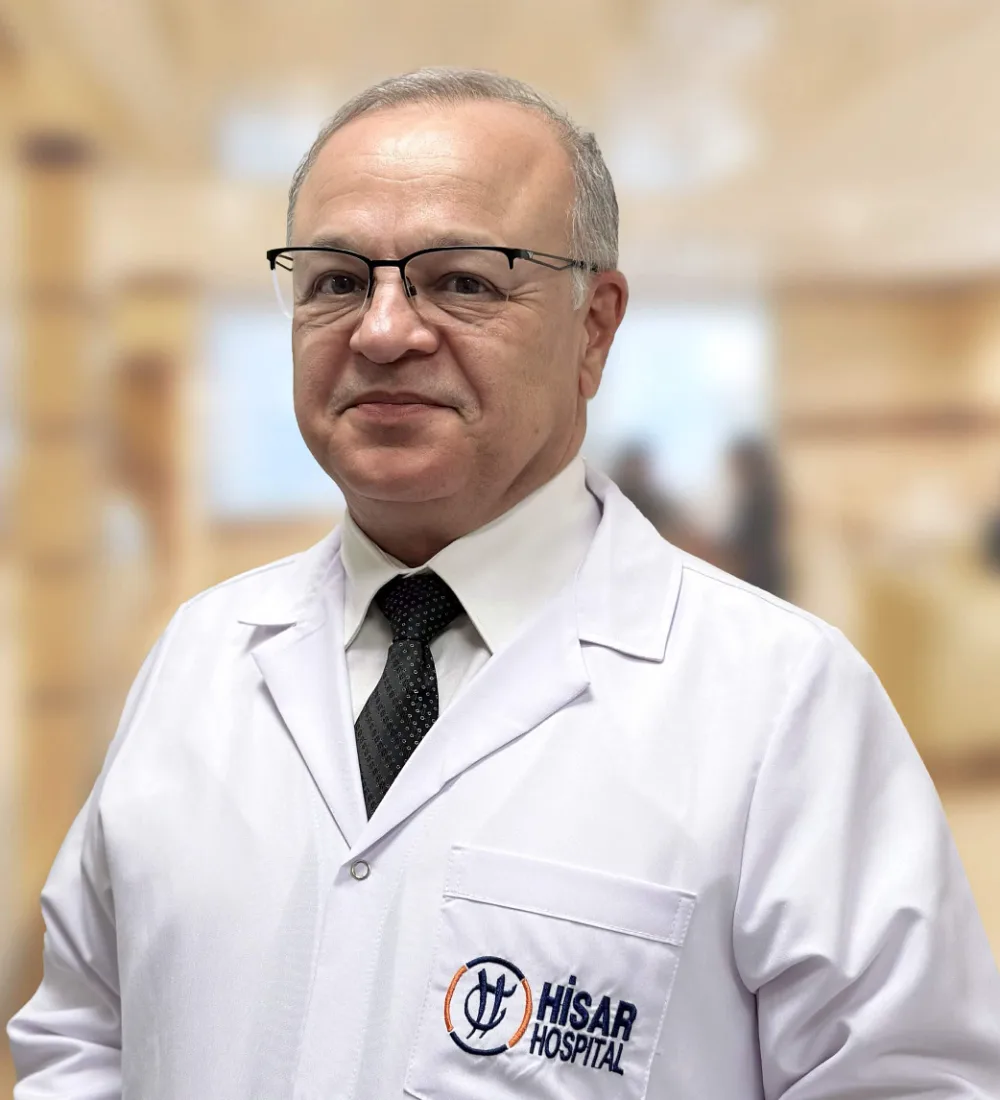
Prof. Dr. Engin Tutar
Pediatric Gastroenterology, Hepatology and Nutrition
Healthy child monitoring

Assoc. Prof. Dr. Ali Gözüküçük
Pediatric Surgery
Pediatric Surgery
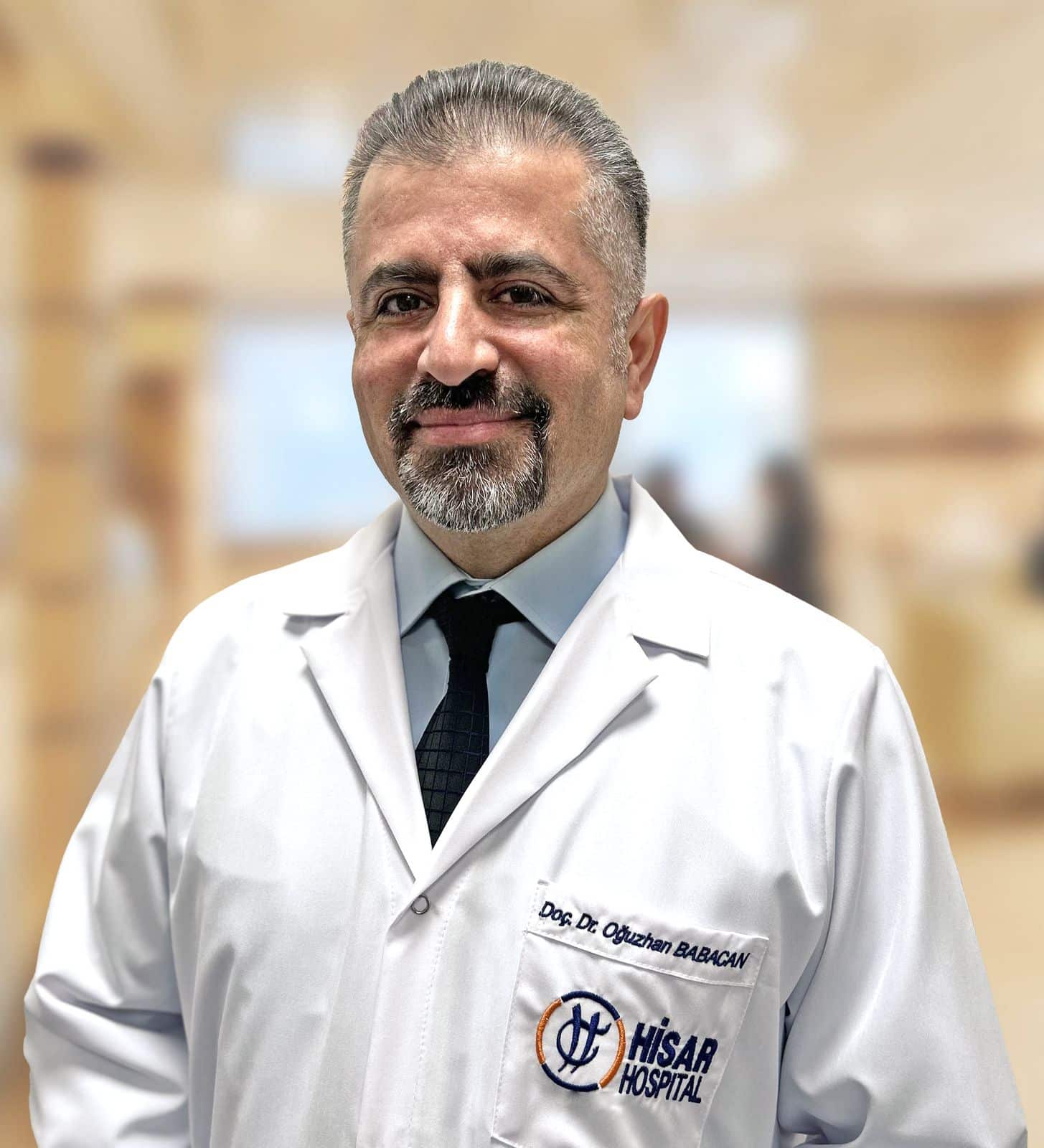
Assoc. Prof. Dr. Oğuzhan Babacan
Paediatrics
Healthy baby monitoring and vaccinations

Asst. Prof. Dr. Yunus Nas
Paediatrics
Neonatal Intensive Care

Specialist Dr. Nuh Duman
Paediatrics
Well Child Follow-up and Nutrition
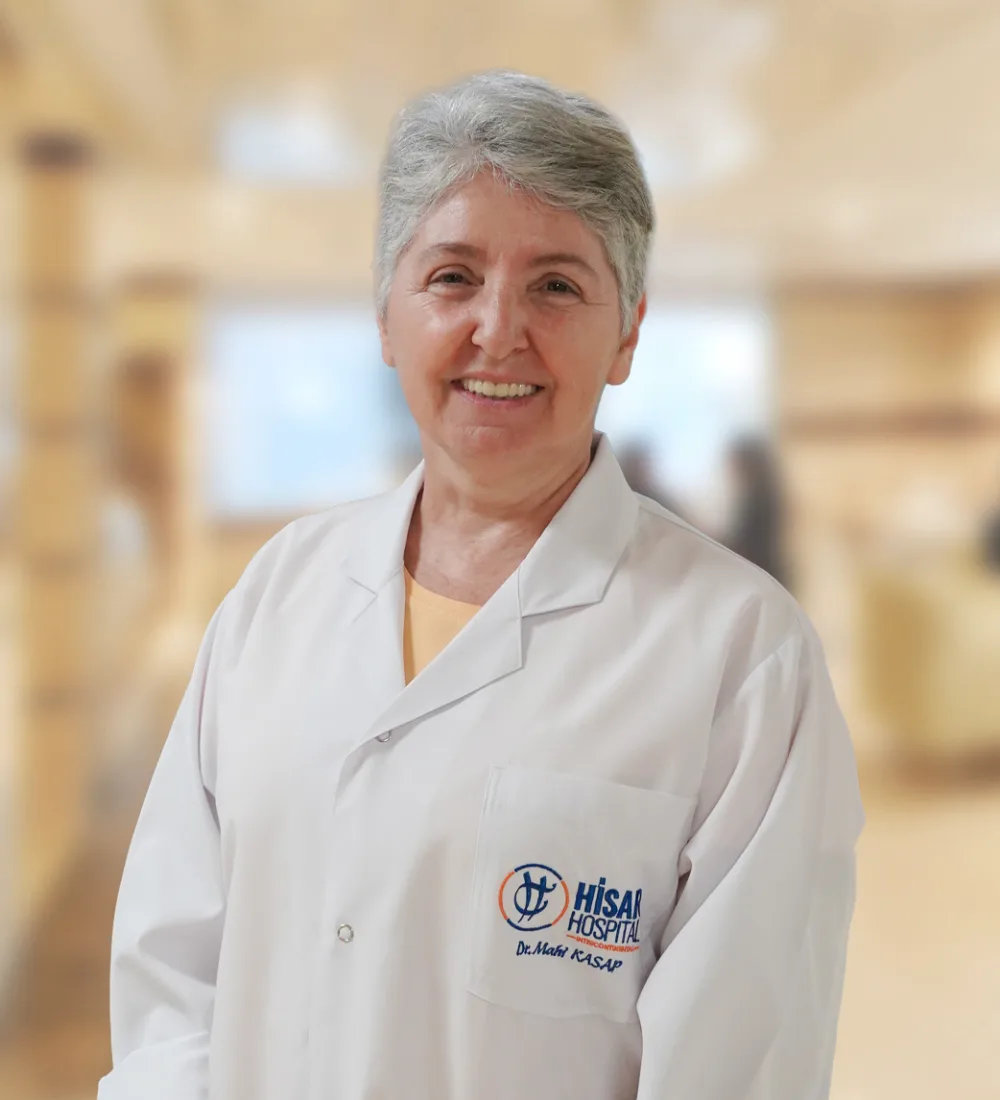
Specialist Dr. Mahi Kasap
Paediatrics
Monitorizarea și Nutriția Copiilor Sănătoși

Specialist Dr. Hilmi Bayırlı
Check-Up
Premature Infant Care and Follow-up
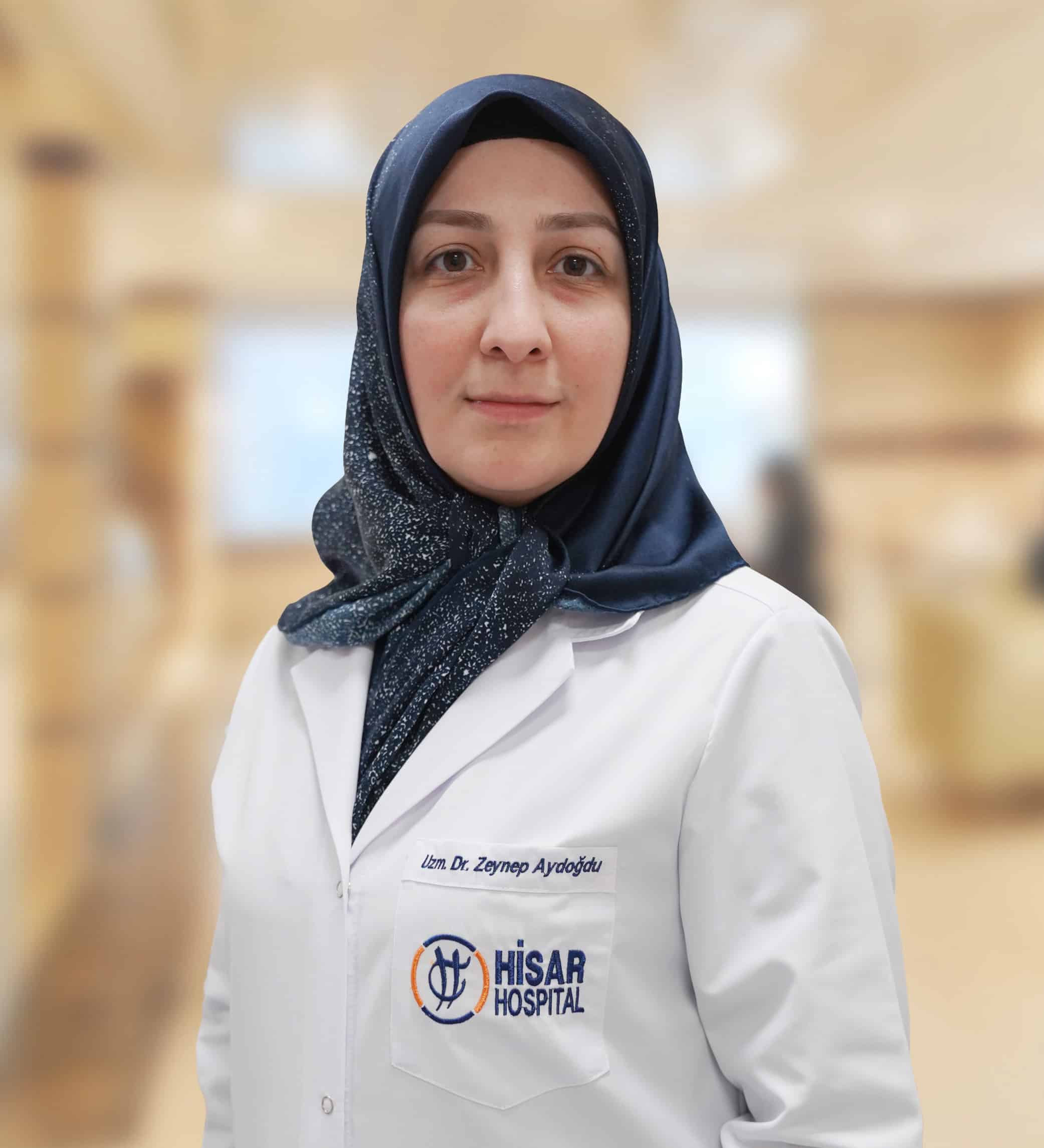
Specialist Dr. Zeynep Aydoğdu
Paediatrics
Neonatal Intensive Care
Related Videos
Informative videos from our specialists related to the Paediatrics department.
 6:07
How Is a Baby's First Bath Given?
 47:13
Pneumonia in Infants and Children
 25:12
Pneumonia in Infants and Children
 0:27
What Is Croup Syndrome in Children?
 0:59
How Is Croup Syndrome Recognized in Children?
 1:11
How Is Croup Syndrome Treated?
 0:31
What Is Summer Diarrhea in Children?
 0:38
How to Protect Yourself from Summer Diarrhea?
 1:17
How Is Summer Diarrhea Treated in Children?
 2:39
How Do We Protect Children from the Harmful Effects of the Sun? I Specialist Dr. Hilmi Bayırlı
 1:48
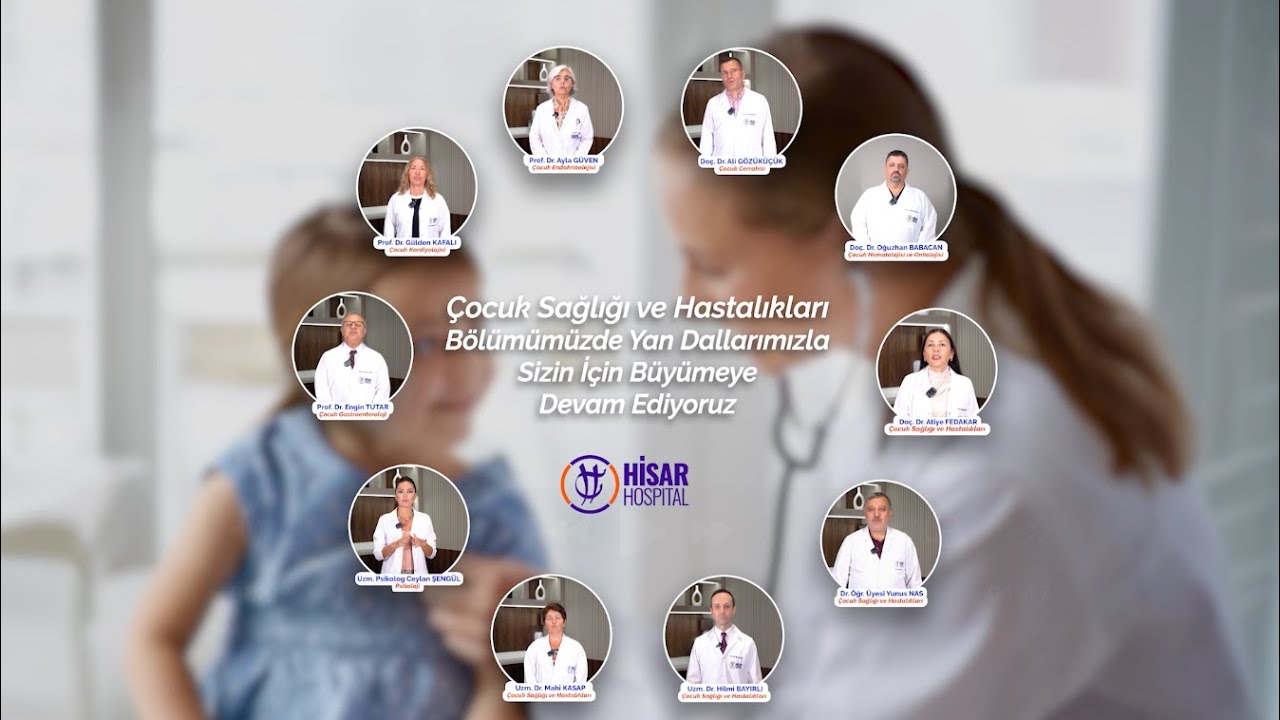
We Continue to Grow for You with Our Subspecialties in Our Pediatrics Department
Locations
At Which Hospitals?
The Paediatrics department is available at the following locations.

Contact
Paediatrics Department — Get in Touch
Fill out the form with your questions; our team will call you back as soon as possible.
The Hisar Hospital Web and Medical Editorial Board contributed to the development of this content. All content on this website is provided for general informational purposes only. Please consult a physician for the evaluation, diagnosis and treatment of your condition.
Last Updated: