What Is Fifth Disease (Slapped Cheek Syndrome)?
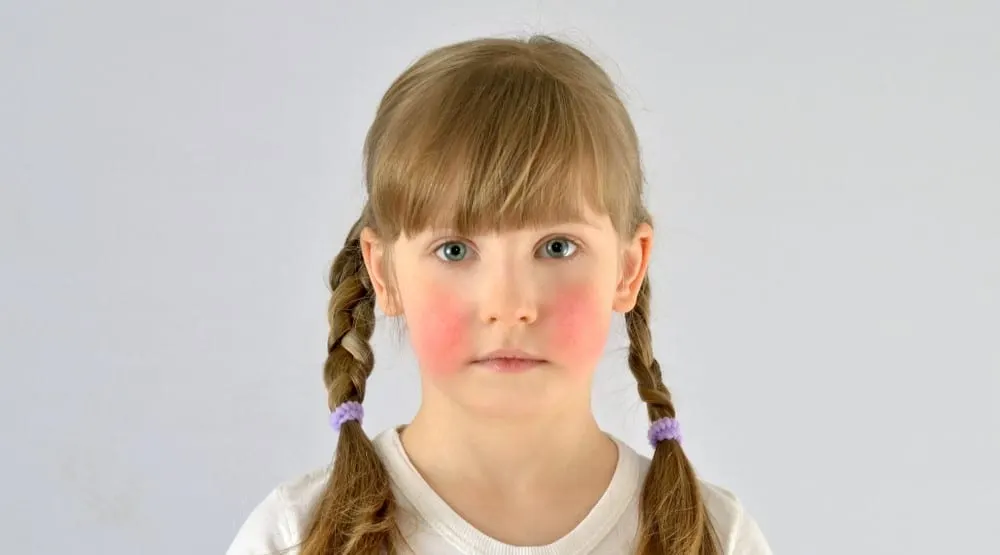
Fifth disease, commonly known as slapped cheek disease, is a viral infection with a rash, characterized by redness and rash on the cheeks that resembles a slap mark.
This disease, caused by a virus called Parvovirus B19, is one of the most common rash-causing viral infections in infants and children. Slapped cheek syndrome usually resolves on its own without requiring any treatment, but it can cause serious complications in patients with any blood disorder or a weakened immune system.
What Causes Fifth Disease?
The vast majority of viruses in the Parvovirus family infect animals such as cats and dogs but do not cause infection in humans. However, Parvovirus B19, a member of this family, can also cause infection in humans. Erythema infectiosum is caused by Parvovirus B19 entering the body through the respiratory tract.
After Parvovirus B19 enters the body through the respiratory tract, it transfers its genetic material into the cell nucleus in order to copy its genetic information and multiply in the host. As the virus multiplies, it breaks down the cell nucleus and enters the bloodstream, causing the early signs of the disease to appear.
About eight to ten days after the virus spreads into the bloodstream, the immune system produces antibodies called IgM to fight the virus. Parvovirus B19 multiplies particularly in cells found in the bone marrow that are precursors of red blood cells. Therefore, during this period, lasting about 7 to 10 days, red blood cell production may temporarily decrease. One week after IgM antibodies appear, the immune system begins to produce antibodies called IgG. During this period, symptoms such as cheek redness, rash and joint pain begin to appear in children and infants.
Parvovirus B19 is a highly contagious infection. However, the disease is not spread by the rash on the skin. Slapped cheek syndrome is transmitted by inhaling droplets released into the air when an infected person coughs, sneezes or talks. Once skin rashes appear, the infected person is no longer contagious.
What Are the Symptoms of Fifth Disease?
Redness of the cheeks in babies and children is the first symptom that comes to mind when fifth disease symptoms are mentioned. Parvovirus B19 infection symptoms appear within approximately 4 to 14 days after a person is infected with the virus. During the period when the virus enters the bloodstream, also called viremia in medical literature, that is, in the initial phase, symptoms such as headache, muscle and joint pain, and fever may occur. In children and infants, one to one and a half weeks after fifth disease symptoms appear, redness and skin rash begin to appear on the child's or infant's cheeks. During this process, an appearance closely resembling a “slapped cheek" may develop on the cheeks.
In children and infants, redness of the cheeks and an appearance resembling a slapped cheek is the most characteristic symptom of fifth disease. After the cheeks of the baby or child become red, in some cases rashes resembling lace may appear on the arms and legs, which usually last one to three weeks. During this period, exposure to heat and sunlight may increase symptoms. Accordingly, the main fifth disease symptoms are as follows:
Headache,
Fatigue,
Mild fever,
Sore throat,
Nausea,
Runny nose and nasal congestion,
Redness of the cheeks in children and infants,
Lace-like lesions on the arms, legs and other areas of the body following cheek redness.
In children and infants with fifth disease, muscle and joint pain is rare. Some studies show that muscle and joint pain is found in about 10% of infected children. However, in adults, especially women, Parvovirus B19 infection may present with muscle and joint pain rather than facial redness.
How Is Fifth Disease Diagnosed?
A one-year-old baby who is too young to explain what they are feeling may cause concern for parents when their cheeks are red. However, especially in 1- and 2-year-old babies, cheek redness can occur for many reasons other than slapped cheek syndrome, such as teething, dry skin, eczema and skin infections. Therefore, although symptoms such as a facial appearance resembling a slap and skin rash are common in Parvovirus B19 infection, specialists examine the patient in detail to confirm the diagnosis.
Following the physical examination, specialists may use blood tests. Blood tests can help detect Parvovirus B19 antibodies in the blood. Antibodies are proteins produced by the immune system when the body encounters an internal or external threat. The most abundant antibody in the human body is immunoglobulin G (IgG). The presence of IgG antibodies in a person's blood test indicates that they have previously encountered the pathogen and developed an immune response against it.
For this reason, when infectious diseases are suspected, specialists may use the IgG test to detect pathogens such as bacteria or viruses. In blood tests performed when Parvovirus B19 infection is suspected, the finding of “Parvovirus B19 IgG positive” shows that the person is infected with Parvovirus B19 and allows specialists to confirm the diagnosis.
How Is Fifth Disease Treated?
There is currently no medication that can be used to treat slapped cheek syndrome. Symptoms in children and infants such as cheek redness, lace-like skin lesions or fatigue usually resolve on their own within a few weeks. However, people with weakened immune systems and pregnant women may need close monitoring. Pregnant women who become infected with fifth disease may transmit the virus to their baby. As a result, complications such as miscarriage, preterm birth and stillbirth may occur. Since no medication has been developed specifically for fifth disease, specialists may prescribe certain medications that can help keep symptoms under control during treatment.
Frequently Asked Questions
Fifth disease (slapped cheek syndrome) is the most common rash-causing viral infection among infants and children. Some of the frequently asked questions about Parvovirus B19 infection are addressed below. Fifth disease symptoms are generally mild and go away on their own within a few days. Some medications prescribed by specialist doctors can help relieve symptoms. Fifth disease is a contagious infection. However, contrary to popular belief, the Parvovirus B19 virus is spread through breathing, not through contact with skin rashes. Fifth disease can occur in any season. However, research shows that the disease is more common at the end of winter, in the spring months and at the beginning of summer, and that it can cause regional outbreaks every 3-4 years. Fifth disease can affect people of any age and gender. However, the disease is especially common in school-age children. The disease usually progresses without symptoms in adults. Research shows that the worldwide prevalence of Parvovirus B19 is 2-10% in children under five years old, 40-60% in adults over 20, and 85% or more in people aged 70 and over. Parvovirus B19 is a non-enveloped DNA virus belonging to the Parvoviridae family. Viruses of the Parvoviridae family can cause disease in both humans and animals. Humans do not become infected with the Parvoviridae species that affect animals. Parvovirus B19, on the other hand, causes infection in humans but does not affect animals. The primary route of transmission of fifth disease, one of the infectious diseases spread through the respiratory tract, is inhaling the droplets released into the air when an infected person talks, coughs or sneezes. Cheek redness in babies can have many different causes, such as teething, dry skin and skin infections. One of these causes is fifth disease, also known as slapped cheek syndrome. Parvovirus B19 diseases usually progress with mild symptoms, but they can cause serious complications in people with weakened immune systems, people with any blood disorder and pregnant women. Therefore, if symptoms such as a slap-like lesion on the cheek, fatigue or fever are present, it is important to consult a doctor who specializes in the field.
Start with the right assessment for What Is Fifth Disease (Slapped Cheek Syndrome)?
Share your symptoms with our specialist physicians; let us determine the right diagnosis and treatment plan together.
Warning
If your symptoms started suddenly, are progressing rapidly, or significantly restrict your daily life, consult a physician without delay.
Plan your What Is Fifth Disease (Slapped Cheek Syndrome)? journey with our specialists.
Fill in the form or book an appointment to learn about treatment options, the process and preparation.