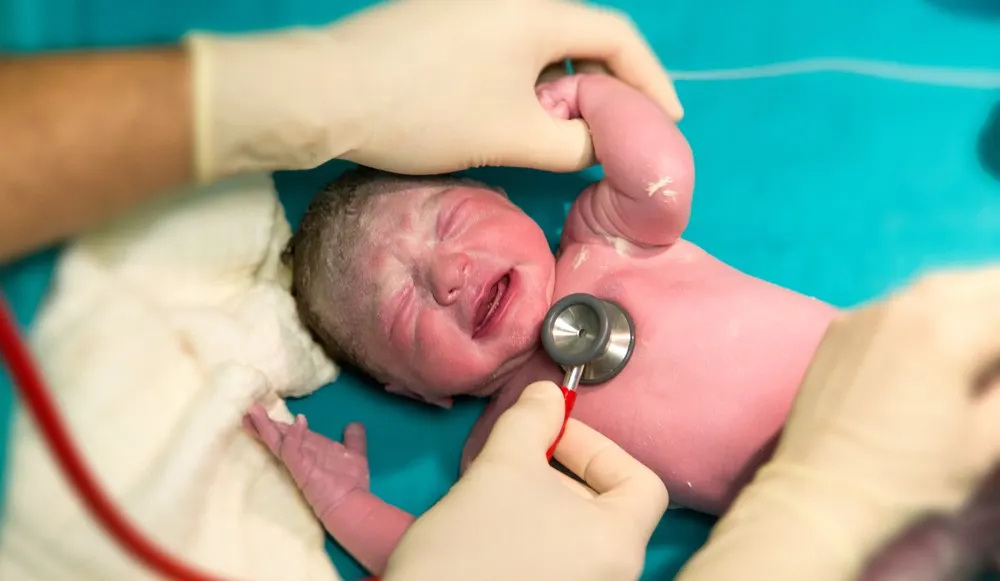
Neonatal atelectasis refers to a condition in which the lungs do not fully expand after birth in babies. Atelectasis occurs when the air sacs (alveoli) and airways in the lungs partially or completely collapse or close. This also prevents air, which is necessary for normal lung development, from reaching the lungs. If neonatal atelectasis is left untreated, it can lead to breathing difficulty and low oxygen levels, so treatment should not be delayed. Treatment usually brings rapid improvement, but in more severe cases, long-term treatment may sometimes be required.
Is Atelectasis Treatable?
Treatment of atelectasis aims to address the underlying cause and to allow the lungs to expand. Treatment may vary depending on the cause of atelectasis, the patient's condition and the severity of the symptoms. There are treatment approaches that address the condition from its different aspects in the treatment of atelectasis. These treatment approaches include classic treatments such as medication and physiotherapy, as well as treatments such as respiratory therapy, physiotherapy and surfactant therapy. With proper monitoring by a good healthcare professional and correct treatment, neonatal atelectasis can usually be managed successfully.
What Causes Atelectasis?
Atelectasis can occur for various reasons and may be associated with different diseases. Some diseases and conditions that can cause atelectasis can be listed as follows:
Respiratory Distress Syndrome (RDS): Insufficient surfactant production due to prematurity, or immature lungs, can lead to breathing difficulty and atelectasis in newborn babies.
Lung Infections: Pneumonia or lung infections can cause inflammation and narrowing of the airways, leading to atelectasis.
Mucus Plugging: Accumulation of mucus or fluid can block the airways and cause atelectasis. This risk increases especially when mucus cannot be cleared.
Lung Surgery or Injuries: Lung surgery, trauma or injuries can lead to blockage of the airways or collapse of lung tissue.
Lung Tumors: Lung tumors can lead to atelectasis by blocking the airways or lung tissue.
Foreign Body: A foreign body that enters the lungs can block the airway and lead to atelectasis.
Inadequate Development of Respiratory Muscles: Inadequate development of congenital respiratory muscles can prevent effective and deep breathing and increase the risk of atelectasis.
Genetic Anomalies: Congenital structural anomalies of the lungs or airways can impede normal airflow and increase the risk of atelectasis.
What Are the Symptoms of Atelectasis?
Symptoms of atelectasis may vary depending on the patient's age, underlying health conditions and the factors triggering atelectasis. Common symptoms of atelectasis are as follows:
Breathing Difficulty: Since the most prominent symptom is usually breathing difficulty, patients may breathe faster or more frequently than normal. Difficulty breathing can lead to insufficient oxygen intake and a drop in oxygen levels in the body.
Shortness of Breath: Shortness of breath may develop due to atelectasis. This may appear as a feeling of difficulty or discomfort when breathing in or out.
Cough: Factors causing atelectasis can make it harder to clear mucus or foreign material from the lungs. Therefore, cough may be a sign of atelectasis.
Wheezing: Wheezing may occur as a result of narrowing or blockage of the airways. This occurs when airflow becomes difficult due to narrowing of the respiratory passages.
Chest Pain: Atelectasis may cause pain in the chest area due to collapse or compression of lung tissue.
Increased Heart Rate: The body may increase heart rate in response to oxygen deficiency. Therefore, an increased heart rate may be seen in association with atelectasis.
Low Oxygen Levels: Since atelectasis prevents the lungs from expanding, there may not be adequate oxygen intake in the body. This can lead to low oxygen levels (hypoxemia).
Fatigue and Lethargy: Due to breathing difficulty and low oxygen levels, patients may experience fatigue, lethargy and a general feeling of weakness.
How Is Atelectasis Diagnosed?
Diagnosis of atelectasis is usually made using clinical evaluations, imaging methods and, when necessary, laboratory tests. Which tests are required is determined depending on the severity of symptoms, the patient's condition and the physician's clinical assessment. The main methods used to diagnose atelectasis:
Medical History and Physical Examination: The doctor listens to the patient's or baby's symptoms, reviews their medical history and performs a physical examination. Detailed information is gathered about breathing difficulty, shortness of breath, cough and other symptoms.
X-ray (Chest Radiograph): Chest X-ray is a frequently used method for seeing atelectasis and other abnormalities in the lungs. A chest radiograph can help with diagnosis by showing collapsed or narrowed areas of the lung.
Computed Tomography (CT): CT scan provides more detailed and precise images of the lungs. It can help to better visualize areas of atelectasis in the lung.
Measurement of Oxygen Levels: The patient's oxygen levels are measured to determine low oxygen levels (hypoxemia). This may indicate that airflow and gas exchange in the lungs are impaired.
Pulmonary Function Tests: Pulmonary function tests are used to evaluate how the lungs work. These tests measure lung capacity, airflow rate and other respiratory parameters.
Blood Gas Analysis: Blood gas analysis helps evaluate lung function by measuring oxygen and carbon dioxide levels in the blood.
Laboratory Tests: If there is an infection causing atelectasis, markers of infection may be sought in the blood or other body fluids.
What Is Done in the Treatment of Atelectasis?
Atelectasis is treatable; with early diagnosis and appropriate treatment, atelectasis is generally successfully resolved. Treatment aims to address the underlying cause and to allow the lungs to re-expand. Treatment methods for atelectasis can be listed as follows:
Physiotherapy: Physiotherapy helps babies or patients open the airways in the lungs and resolve atelectasis by performing breathing exercises.
Respiratory Therapy: If atelectasis is caused by factors such as respiratory distress and lung infection, oxygen support or ventilator-assisted breathing may be provided to patients.
Physical Therapy: Physical therapy may be needed to open airways in the lungs or relieve obstructions, especially in cases requiring surgical intervention.
Medication Treatment: In atelectasis caused by lung infections or fluid accumulation, medication may be given to treat the infection or remove the fluid.
Surfactant Therapy: In atelectasis associated with respiratory distress syndrome in newborns, lung expansion can be supported using a substance called surfactant.
Blood Clot Prevention Treatment: In some patients, blood clot prevention medications may be used to take precautions against blood clots caused by prolonged bed rest.
Frequently Asked Questions About Atelectasis
Since atelectasis is not a common disease, it is entirely natural for patients and their relatives to have questions. Some of the frequently asked questions about atelectasis can be answered as follows: Atelectasis is generally a condition that is present from birth, that is, from the moment of birth. In newborn babies, atelectasis may result from various factors and may sometimes cause the lungs of babies not to fully expand or the airways to partially or completely collapse. Congenital atelectasis is usually noticed in the neonatal period and may require treatment. However, there are also atelectasis conditions that are not congenital and can develop from many different causes. For example, it may develop later after a lung infection, when a foreign body enters the airway, in lung injuries, or in the presence of diseases such as asthma and COPD. Atelectasis is generally a condition related to lung function and can cause the lungs to be unable to maintain their normal function. It cannot be said that atelectasis has a direct negative effect on mental and physical development. However, the underlying causes that lead to atelectasis may be factors that can affect mental and physical development. For example, if respiratory distress syndrome (RDS) develops due to prematurity, insufficient oxygen intake and breathing difficulty can adversely affect the newborn's general health and physical development. If this condition continues for a long time, it may lead to some developmental delays or problems due to insufficient oxygen intake. However, when atelectasis is diagnosed and treated appropriately, these negative effects on development can be minimized. Atelectasis may cause different diseases or health problems. Diseases that atelectasis may cause can be listed as follows:
Hypoxemia: Since atelectasis reduces oxygen intake, it may lead to low oxygen levels called hypoxemia. Hypoxemia can cause various symptoms, including dizziness, weakness, loss of concentration and bluish discoloration of the skin.
Pneumonia: Atelectasis in a specific area of the lungs may cause fluid accumulation in that area, increasing the risk of pneumonia.
Lung Abscess: Infected atelectasis may lead to the development of a lung abscess, a cavity filled with pus in the lung tissue.
Respiratory Failure: Atelectasis may impair respiratory function, leading to chronic respiratory failure, which results in breathing difficulty and low oxygen levels.
Bronchiectasis: Atelectasis causing long-term airway obstruction may over time lead to a condition called bronchiectasis. Bronchiectasis means widening of the airways and formation of permanent blockages.
The causes and diseases that lead to atelectasis should be managed by a specialist with correct diagnosis and treatment. Treatment is determined depending on the underlying cause and the patient's general health condition. Particularly, treatment of the underlying disease by a specialist physician is important in the management of atelectasis.
Start with the right assessment for What Is Neonatal Atelectasis?
Share your symptoms with our specialist physicians; let us determine the right diagnosis and treatment plan together.
Warning
If your symptoms started suddenly, are progressing rapidly, or significantly restrict your daily life, consult a physician without delay.
Plan your What Is Neonatal Atelectasis? journey with our specialists.
Fill in the form or book an appointment to learn about treatment options, the process and preparation.