We learned the latest information about neonatal jaundice from Dr. Yunus Nas, Pediatrics Specialist at Hisar Hospital Intercontinental...
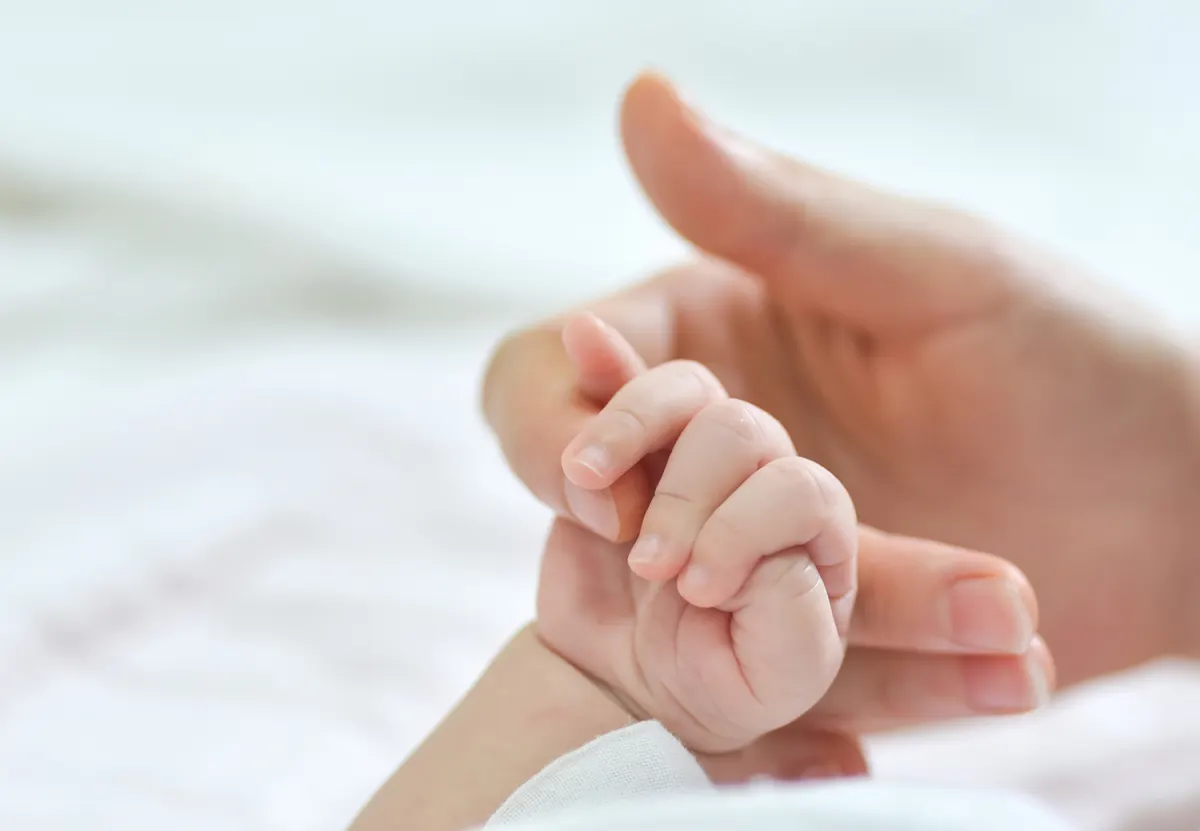
Jaundice is a condition characterized by a yellow colouration of the skin and the whites of the eyes, resulting from an increase in a substance called bilirubin in the body. Many causes can lead to jaundice. The severity of jaundice varies according to its causes and its level. Neonatal jaundice is jaundice that appears in the first month of life. It is seen in most babies during this period, although it is seen in 60-70% of full-term babies and in 80-85% of preterm babies. Although jaundice is very common in the newborn period, most cases are physiological (normal). Physiological jaundice does not exceed certain limits and resolves on its own within 2 weeks. Jaundice that lasts longer than 2 weeks in full-term babies, or longer than 3 weeks in premature babies, is defined as prolonged jaundice. The causes of prolonged jaundice differ from those seen in the first two weeks.
Neonatal jaundice is the failure to clear bilirubin produced in the body because the baby's liver has not matured sufficiently. Normal physiological jaundice usually begins on day 3, reaches its peak on days 5-6, and then decreases and disappears within 2 weeks.
Early detection and monitoring of jaundice in newborn babies is very important. Although jaundice usually resolves on its own, in rare and risky cases bilirubin may reach high levels and cause brain damage. Blood group incompatibility between mother and baby, premature births, low birth weight babies, poor feeding, infants of diabetic mothers, blood collections that may form in the body during birth, urinary tract infection, goitre and some congenital diseases pose a risk for jaundice in babies.
Jaundice first appears on the face and in the whites of the eyes; as the bilirubin level in the blood increases, it progresses in sequence to the chest, abdomen, arms and legs. Jaundice seen in the arms and legs indicates a greater severity. Jaundice in the baby is noticed by the family or is detected under a doctor's supervision. Skin jaundice is best seen in daylight or under a fluorescent lamp. When the skin is gently pressed with a finger and then released, the yellow colour can be detected more clearly. Jaundice is assessed by measuring bilirubin in the blood. Apart from jaundice, the baby may show decreased feeding and excessive sleepiness. When jaundice increases further, it can affect the brain and cause a high-pitched cry and seizures. Since it may cause deafness later on, a hearing test should be performed in those at risk of brain involvement. When the jaundice level is above the risk threshold, phototherapy (fluorescent light) treatment is applied. Apart from this, feeding is supported. Phototherapy rarely causes side effects. The baby's eyes are covered so that they are not affected by the light. Occasionally, as a side effect, it may cause red rashes on the skin, bronzing, or frequent and watery stools. After phototherapy, a rise in bilirubin level called rebound increase is seen one or two days later. The baby should be called back for a check-up and this situation should be evaluated. In blood group incompatibilities, medications that prevent the destruction of blood cells are used in suitable patients. In those with very high jaundice levels and suspected brain involvement, an exchange transfusion may be required. Many diseases can cause prolonged jaundice. For this reason, the causes of jaundice should be investigated. In most cases the cause is breast milk; however, breastfeeding should not be stopped and should continue. It usually resolves by decreasing within 2-3 months.
Start with the right assessment for Neonatal Jaundice
Share your symptoms with our specialist physicians; let us determine the right diagnosis and treatment plan together.
Warning
If your symptoms started suddenly, are progressing rapidly, or significantly restrict your daily life, consult a physician without delay.
Plan your Neonatal Jaundice journey with our specialists.
Fill in the form or book an appointment to learn about treatment options, the process and preparation.