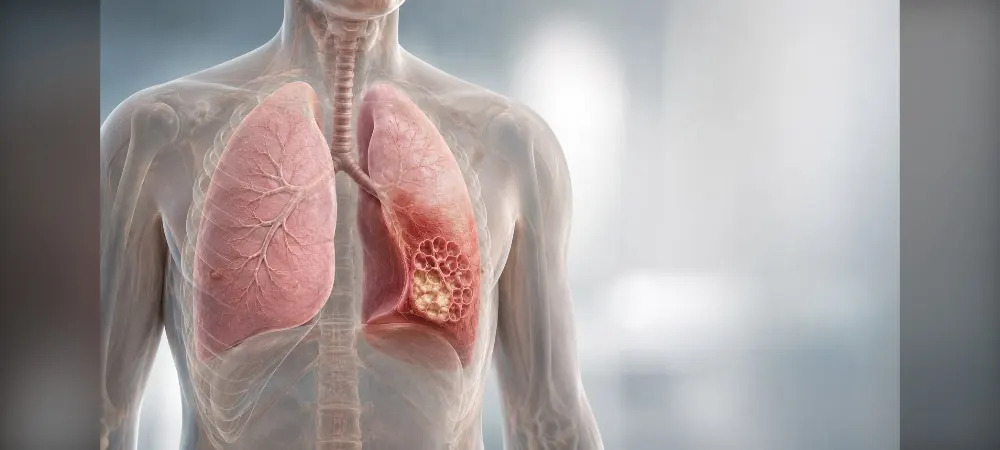
Pneumonia is a serious condition in which the air sacs in your lungs become inflamed due to bacteria, viruses, or fungi. When infection occurs, the air sacs fill with fluid or pus, making it difficult for you to breathe. You can find answers to questions such as what is pneumonia, what are pneumonia symptoms, and is pneumonia contagious in this article. You will also find detailed information about non-febrile pneumonia symptoms, causes of pneumonia, diagnostic methods, and treatment options.
What is Pneumonia?
How is Pneumonia Defined?
Pneumonia is medically defined as an infectious disease in which the air sacs in the lung tissue become inflamed with microorganisms. These sacs should normally be filled with air, but when you have pneumonia, they fill with fluid or pus. Thus, oxygen exchange becomes difficult and breathing becomes harder.
Worldwide, approximately 450 million people are diagnosed with pneumonia every year. Approximately 4 million of these patients lose their lives. In our country, approximately 90 thousand pneumonia patients are diagnosed annually. Especially about 50 percent of patients who are sick enough to be hospitalized and treated in intensive care lose their lives.
The answer to the question of what pneumonia is simple: it is a serious lung inflammation caused by microbes that exceed your lungs' defense system. The most common cause is bacteria, especially the pneumococcal bacterium named Streptococcus pneumoniae. In addition, viruses and rarely fungi can also lead to this disease.
What Are the Types of Pneumonia?
Pneumonia is divided into different types depending on where the infection develops and which microorganism is the causative agent:
Community-acquired pneumonia: It is the most common type that develops with microbes you encounter in daily life
Hospital-acquired pneumonia: It appears within 48 hours after being hospitalized and is generally caused by bacteria resistant to antibiotics
Ventilator-associated pneumonia: It develops in patients connected to a respiratory device and occurs as a result of respiratory tubes being contaminated with bacteria
Aspiration pneumonia: It occurs when mouth, throat, or stomach contents escape into the airways
Atypical pneumonia: It is a milder form that does not show classic symptoms
Fungal pneumonia: It is a rare but serious type that occurs in individuals with a weak immune system
Viral pneumonia: These are infections caused by viruses such as flu, RSV, and coronavirus
Who is at Risk?
Although pneumonia is seen in all age groups, some groups carry a higher risk. The disease is seen more frequently especially in children under 5 years old and adults over 65 years old. In our country, pneumonia is among the leading causes of death in children aged 0-4 years.
Those with chronic illnesses are also in the high-risk group. Lung diseases such as COPD, lung cancer, heart failure, kidney diseases, liver problems, and diabetes increase the risk of pneumonia. Smokers, those who have recently undergone surgery with anesthesia, and individuals with a weak immune system are also at risk.
Pneumococci are commonly found in the nose and throat, especially in nursery and school-age children. Even if children are not sick themselves, they can carry them to family members and cause pneumonia within the household.
What Causes Pneumonia?
Pneumonia is a contagious disease, and microorganisms mostly spread from person to person through the respiratory tract. When you breathe in droplets sprayed into the air while an infected person coughs, sneezes, or talks, microbes reach your lungs. In closed environments with inadequate ventilation, small particles hang in the air for a long time, increasing the risk of transmission.
Bacterial Causes
Bacteria are the most common agents leading to pneumonia in adults. Streptococcus pneumoniae causes infection in 50% of patients seen in the community. This bacterium can lead to serious complications especially in individuals over 65 years of age.
Haemophilus influenzae and Mycoplasma pneumoniae are other important bacterial agents. Mycoplasma causes atypical pneumonia and generally progresses with milder symptoms. Legionella pneumophila is a bacterium that lives in air-conditioned environments. Klebsiella pneumoniae is seen more frequently in individuals who use alcohol.
Viral Causes
Viruses are important causes of pneumonia, especially in children. In the first two years, the frequency of virus-sourced pneumonia is at a very high level such as 80%. Even in children older than five years, viruses are responsible for one-third of pneumonia.
Influenza (flu) virus, RSV (respiratory syncytial virus), rhinovirus, and adenovirus are the most frequently seen viral agents. The SARS-CoV-2 virus, which causes COVID-19, can also lead to pneumonia. Viruses alone are responsible for 14-35% of childhood pneumonias.
Fungal Infections
Fungal-induced pneumonias are quite rare and generally seen in individuals with weakened immune systems. Pneumocystis jirovecii is a fungal type frequently encountered in AIDS patients. Histoplasma capsulatum and Aspergillus species are among other fungal agents.
Risk Factors
The development of pneumonia requires the lung defense mechanisms to be overcome. Smoking disrupts this defense system and reduces mucus clearance. Smoking 10-20 cigarettes a day increases the risk of pneumonia by 2.3 times, and smoking more than 20 increases it by 2.9 times.
Advanced age is an important risk factor for pneumonia. Among adults aged 65, the frequency of hospitalizations due to pneumonia is approximately 2000 per 100,000 population. Chronic diseases such as COPD, asthma, diabetes, and heart failure elevate the risk. Excessive alcohol use (more than 80 grams per day) increases the risk of aspiration and suppresses immunity.
Crowded living conditions, poor air quality, indoor fuel use, and cold-humid climates are environmental risk factors. Poverty, limited access to healthcare services, and lack of vaccination are also socioeconomic factors increasing the frequency of pneumonia.
What Are the Symptoms of Pneumonia?
Symptoms vary from person to person and appear in different ways depending on the type of infection, your age, and the strength of your immune system. While symptoms start suddenly in some patients, they progress insidiously in others.
General Symptoms
High fever is the most prominent finding of pneumonia. Your body temperature rises above 38°C and this is accompanied by chills and shivering. Cough can be dry initially, but becomes phlegmy in following days. Yellow, green, or brown-colored phlegm indicates a bacterial infection.
Shortness of breath develops because the air sacs in your lungs fill with fluid. Oxygen passage decreases and you breathe faster than normal. Chest pain is felt in a stabbing manner especially while taking a deep breath or coughing. This pain shows that the pleura is also affected.
Weakness and fatigue are seen in almost all patients. Your body expends energy while fighting the infection and you experience a noticeable drop in performance in your daily chores. In addition to this, headaches, muscle and joint pains, and loss of appetite are also frequently encountered symptoms.
Non-Febrile Pneumonia Symptoms
You can also experience pneumonia without fever. Especially in advanced age, individuals with weakened immune systems, or those using cortisone, the clinical picture progresses without fever. A deep cough lasting for days, getting tired easily while breathing, and feeling out of breath when climbing stairs are signs of this condition.
A feeling of pressure in the chest region, pronounced weakness, and a tendency to sleep more than normal can be observed. In the elderly, confusion, lethargy, and loss of appetite may be the only findings. You need to consult a doctor without saying "I don't have a fever, it is unimportant."
Pneumonia Symptoms in Children
Pneumonia progresses faster in children compared to adults. Since small children cannot express their complaints, you need to monitor behavioral changes carefully. Rapid breathing is the most important finding and the first symptom of pneumonia.
Indrawing in the lower parts of the rib cage, and the opening and closing of the nasal wings with breathing require emergency intervention. Refusing to suckle in babies, continuous drowsiness, or excessive restlessness are important warning signs. Bluish discoloration on the lips or fingertips indicates an advanced condition.
Digestive system-related symptoms such as abdominal pain and diarrhea are generally seen in children. Feeding difficulty and vomiting are also frequently encountered problems.
Pneumonia Symptoms in the Elderly
Symptoms in the elderly differ compared to young people. Due to the suppression of the immune system, typical symptoms may not appear. A state of drowsiness, clouding of consciousness, and color changes in the skin can be observed.
Pneumonia is among the most frequent causes of death especially in patients over 65 years of age. The only finding may be a change in consciousness or general weakness. On the other hand, classic fever, cough, and phlegm symptoms are also encountered.
How is Pneumonia Diagnosed?
Your doctor diagnoses pneumonia by evaluating your clinical symptoms, physical examination findings, and imaging-laboratory tests together. Early diagnosis significantly increases treatment success.
Physical Examination
First of all, your doctor inquires about your complaints such as fever, duration of cough, phlegm color, shortness of breath, and chest pain. Then, by listening to your lung with a stethoscope, they evaluate sounds specific to pneumonia such as wheezing and crepitant rales. These sounds point to fluid accumulation in infection areas.
Physical examination findings generally reveal problems on the surface up to a depth of approximately 2.5 centimeters. Examination findings may not be detected in deeper pneumonia areas. In addition to this, crepitant rales during lung listening may not always be heard depending on the location and size of the involvement in the lung. The absence of a physical examination finding does not mean that there is no pneumonia.
Blood Tests
Inflammation markers and your oxygenation status are evaluated with blood tests. CRP and leukocyte count measure the infection level and inflammation degree. These tests show how much your body is fighting the infection. When necessary, your oxygen-carbon dioxide levels are measured with blood gas analysis and intensive care requirement is evaluated.
Imaging Methods
A chest X-ray is mostly requested to clarify the diagnosis. A chest X-ray images fluid accumulation and infiltration areas in the alveoli. The rate of chest X-rays catching pneumonia varies between 60 percent and 80 percent. Chest X-rays give results in only 2/3 of patients diagnosed with pneumonia by computed tomography.
Computed tomography may be required in some complex cases. CT scans detect small lesions that are not visible on X-rays. CT can be ordered to confirm the diagnosis in patients whose findings suggest pneumonia but whose chest X-ray is normal.
Phlegm Test and Other Laboratory Tests
An attempt is made to detect the causative microorganism by performing a culture on samples taken from phlegm. This is important in terms of selecting the appropriate antibiotic, especially in severe and hospital-acquired cases. Bacterial growth is generally completed in 48-72 hours.
PCR tests rapidly detect viral infections and atypical agents. Oxygen saturation measurement investigates the presence of hypoxemia. Physicians consider the start time of symptoms, your age, and your risk factors while making a diagnosis.
How is Pneumonia Treated?
Your treatment plan is determined according to the cause of the infection, your age, additional diseases, and the severity of your symptoms. Your doctor decides on outpatient treatment or hospitalization by evaluating your blood pressure, pulse values, and involvement areas on the chest X-ray.
Antibiotic Treatment
Antibiotics constitute the main treatment in bacterial pneumonia. Early intervention saves lives. Treatment must be started within the first 4-6 hours after diagnosis is made. Treatment started late increases the risk of complications and death.
Amoxicillin, ceftriaxone, and azithromycin are commonly used antibiotics. Macrolide group drugs are preferred in atypical pneumonia cases. Treatment duration is generally between 5 and 10 days. Your doctor examines blood and phlegm cultures and switches to stronger antibiotics if necessary.
It is extremely important that you use the antibiotic at the exact dose and not quit the treatment halfway even if symptoms decrease. Treatment cut halfway causes bacteria to become resistant.
Antiviral and Antifungal Drugs
Antiviral drugs are used for viral pneumonia. In infections caused by the flu virus, oseltamivir can shorten the duration of the disease. However, antibiotics have no effect whatsoever in viral infections.
Antifungal drugs are prescribed in fungal-induced pneumonias. Such infections are rarely seen and generally appear in individuals with weak immunity.
Hospital Treatment
Hospitalization is required in serious cases. If your oxygen level is low or you have severe shortness of breath, you need hospital care. Intravenous antibiotics, fluid therapy, and oxygen support are administered.
The life risk in outpatient-treated pneumonia cases is approximately 5%. In situations requiring hospitalization, this rate increases to 10-15%, and in those requiring intensive care, it exceeds 40%. Respiratory device support may be required in intensive care.
Home Care and Recovery Process
Mild pneumonia can be treated at home. Consuming plenty of fluids, resting, and using your medications regularly speed up recovery. Fever reducers and pain relievers alleviate your symptoms.
The recovery process progresses gradually. Your high fever should have passed after a week. Chest pain and phlegm production decrease significantly after four weeks. Most people return completely to normal after six months.
How is Pneumonia Prevented?
Vaccination is the most effective protection method. Pneumococcal vaccines (PCV13, PCV15, PCV20) and the flu vaccine reduce the risk of pneumonia. Especially individuals over 65 years of age and those with chronic diseases should get vaccinated.
Washing your hands frequently, quitting smoking, and eating a balanced diet strengthen your immune system. Avoiding crowded environments and regularly ventilating the spaces you live in reduce the risk of transmission.
Frequently Asked Questions About Pneumonia
Is Pneumonia Contagious?
Yes, pneumonia is contagious. Types of pneumonia caused by viruses and bacteria pass from person to person through droplets spread into the air during coughing, sneezing, and talking. These droplets hang in the air for a while and the disease can be transmitted when inhaled.
Transmission does not only happen through the airway. Microbes on the hand of a sick person are transmitted to commonly used objects such as glasses, forks, spoons, and door handles. If you touch your mouth or nose after touching these surfaces, microbes enter your body. However, not everyone who catches the microbe gets pneumonia. In individuals with a strong immune system, it can pass in the form of a mild upper respiratory tract infection.
In How Many Days Does Pneumonia Pass?
The recovery duration varies according to your age, general health status, and the severity of the disease. In a young adult receiving appropriate antibiotic treatment, fever starts to drop within 2-3 days. Cough and fatigue gradually decrease within 1-2 weeks.
The process prolongs in the elderly and those with chronic diseases. Recovery in this group can find a few weeks and intense fatigue continues. Radiological recovery, meaning chest X-ray findings returning to normal, happens later than clinical improvement and sometimes finds 4-6 weeks. Therefore, you must not neglect the control examinations recommended by your physician.
Does Pneumonia Result From Cold?
Cold alone does not cause pneumonia, but it weakens your immunity and sets the stage for diseases. Especially in winter months, people spend more time in indoor spaces. In this case, close contact with microbes increases and transmission becomes easy.
Cold air also negatively affects your immune response, reducing your ability to fight infections. Bacteria and viruses find more breeding grounds in winter months. Similarly, after respiratory tract infections such as the flu virus, your immunity weakens and bacterial pneumonia can develop.
Where Does Pneumonia Pain Radiate?
Chest pain is the most prominent finding of pneumonia. It is felt in the rib cage while taking a deep breath or coughing. This pain is especially stabbing in style and indicates that the pleura is involved.
Pain frequently radiates to the back region, between or under the shoulder blades. In some cases, referred pain can be seen in the shoulder region. If there is involvement in the lower lobes, pain radiates to the abdominal region and can be confused with digestive system problems.
Is Pneumonia Dangerous?
Pneumonia is a serious disease and poses a life threat if left untreated. Worldwide, approximately 2.5 million people lose their lives due to pneumonia every year. Especially the elderly, babies, and those with chronic diseases are at risk.
The disease progresses more severely in risk groups. Respiratory failure, blood poisoning, and organ failure can develop. Early diagnosis and treatment are critical to protect from these complications.
What is the Pneumonia Vaccine?
The pneumococcal vaccine is a protective vaccine that provides immunity against the Streptococcus pneumoniae bacterium causing pneumonia. There are two main types. The PCV13 vaccine provides protection against 13 pneumococcal bacterial types and prevents invasive diseases up to 75%. The PPSV23 vaccine protects against 23 different bacterial types and provides protection at a rate of 60-70%.
Although the vaccine does not prevent pneumonia one hundred percent, it ensures that the infection progresses milder, and the risk of complications and hospitalization decreases. It is recommended especially for individuals over 65 years of age, those with chronic diseases, and individuals with suppressed immunity. The decision for vaccination is made by your physician according to your age, additional diseases, and previous vaccination status.
In Summary Pneumonia
Pneumonia is a serious disease, but it can be largely prevented with early diagnosis and correct treatment. Do not ignore symptoms such as cough, high fever, and shortness of breath. Especially if you are in the risk group, regular vaccination, hand hygiene, and staying away from smoking protect you.
Consult your doctor immediately when symptoms start. Do not quit antibiotic treatment halfway and do not neglect your control examinations. Strengthening your immunity, eating a balanced diet, and resting regularly speed up the recovery process. Taking preventive measures for your health is always more effective than treating it.
Start with the right assessment for What is Pneumonia? What Are Its Symptoms? How Is It Diagnosed and Treated?
Share your symptoms with our specialist physicians; let us determine the right diagnosis and treatment plan together.
Warning
If your symptoms started suddenly, are progressing rapidly, or significantly restrict your daily life, consult a physician without delay.
Plan your What is Pneumonia? What Are Its Symptoms? How Is It Diagnosed and Treated? journey with our specialists.
Fill in the form or book an appointment to learn about treatment options, the process and preparation.