COPD Balloon Therapy
COPD balloon therapy is a treatment method applied especially in cases of chronic obstructive pulmonary disease (COPD) and the pulmonary hypertension that occurs along with it. This method aims to widen narrowed or blocked pulmonary vessels by placing a balloon catheter in them. In this way, blood flow in the lungs improves, oxygenation increases and the patient's breathing becomes easier. Generally recommended for advanced COPD patients who do not respond to alternative treatments, this therapy can help improve the person's quality of life.
What Is COPD Balloon Therapy?
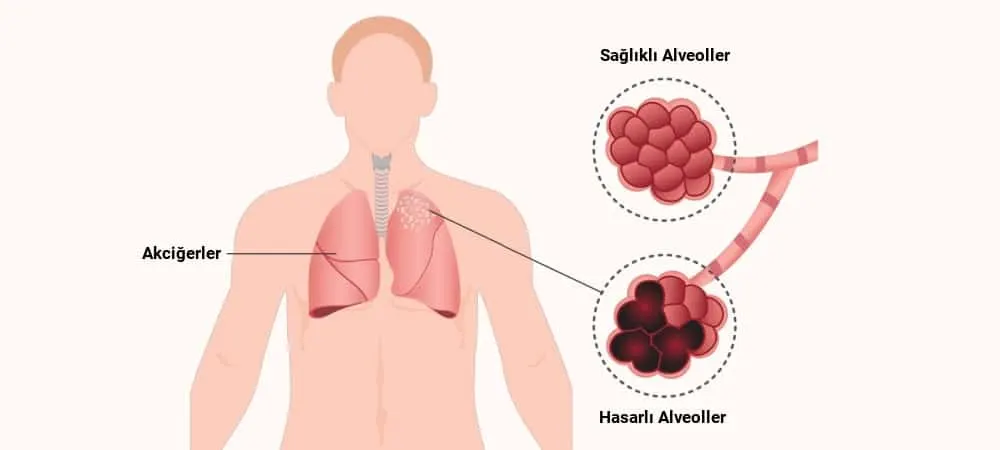
COPD, or chronic obstructive pulmonary disease, is a disease that causes permanent damage to the lungs, narrowing the airways and making breathing difficult. It is usually caused by smoking, air pollution or genetic factors. In COPD, the bronchi narrow, lung tissue is damaged and sufficient oxygen cannot be taken into the body. This manifests as symptoms such as shortness of breath, cough and phlegm. If left untreated, it may follow a progressive course and significantly reduce quality of life.
COPD is a disease that permanently narrows the airways in the lungs and makes breathing difficult. Balloon therapy is an application aimed at widening these narrowed vessels and is used especially in advanced COPD cases accompanied by vascular blockage. With this treatment, narrowed vessels are opened with the help of a balloon, increasing blood flow and oxygenation. As a result, patients may notice that their shortness of breath has eased, that they can perform physical activities more comfortably and that their quality of life has improved. COPD balloon therapy is a method applied in cases where pulmonary vascular blockages, such as pulmonary hypertension, are commonly seen along with chronic obstructive pulmonary disease (COPD). In this therapy, narrowed pulmonary vessels are widened with a balloon catheter. This widening aims to increase blood flow to the lungs and oxygen levels, making it easier for the patient to breathe. This method, which is preferred when no response is obtained from alternative treatment options, has the potential to relieve symptoms and improve quality of life.
How Is COPD Balloon Therapy Performed?
The COPD balloon therapy process requires detailed preparation and attention. Before the procedure, a comprehensive evaluation is made for the patient, and the condition of the pulmonary vessels is analyzed using pulmonary function tests and vascular imaging methods. Following this preparation stage, mild sedation is given to the patient and the catheter is advanced to the lungs, usually through a vein in the groin or arm area. The small balloon at the tip of the catheter is placed inside the narrowed vessel and then carefully inflated. This inflation widens the vessel wall and aims to eliminate the blockage. At this stage, the balloon remains inflated only for a short time and is then deflated again. If there is narrowing in different parts of the vessels, this procedure may need to be repeated several times. After the procedure, the patient is kept under observation and closely monitored for possible complications. The purpose of this procedure is to increase blood flow and oxygen levels, relieve the patient's shortness of breath and make daily life easier.
What Conditions Is COPD Balloon Therapy Performed For?
COPD balloon therapy is applied in cases of chronic obstructive pulmonary disease (COPD
) that frequently occur together with and cause serious pulmonary
vascular blockage. It is especially preferred in patients with advanced COPD and in conditions such as chronic thromboembolic pulmonary hypertension. These diseases increase pressure inside the vessels, preventing sufficient oxygen flow to the lungs and can cause serious shortness of breath in patients. Balloon therapy is considered for patients who do not respond to standard treatment methods and have severe narrowing of the pulmonary vessels.
How Long Does COPD Balloon Therapy Ne
Take?
The COPD balloon therapy procedure generally takes 1-2 hours, but this duration may vary depending on the number of vessels treated and the degree of narrowing. After the procedure, the patient is kept under observation for a while. If more than one vessel is to be widened during treatment, the procedure time may be extended. After the procedure, most patients are discharged on the same day or the next day. However, additional observation may be needed in line with the recovery process and the doctor's recommendations.
Points to Consider After COPD Balloon Therapy
What Are the Points to Consider?
There are some important points to consider after COPD balloon therapy in order to support recovery and prevent complications:
Physical Rest: After the procedure, heavy physical activity should be avoided for the first few days, and the body should be allowed to recover.
Care of the Vascular Entry Site: Signs of bleeding or infection should be watched for at the catheter entry site; if redness, pain or swelling is noticed, a doctor should be consulted immediately.
Regular Check-ups: Doctor check-ups should continue throughout the recovery process, and the condition of lung function should be monitored.
Healthy Lifestyle: In addition to treatment, not smoking, a balanced diet and adequate fluid intake speed up recovery.
Breathing Exercises: Increasing lung capacity can be supported by performing breathing exercises recommended by the doctor.
Frequently Asked Questions
COPD balloon therapy is generally a procedure that lasts 1-2 hours. The duration may vary depending on the number of vessels treated and the level of blockage. After the procedure, the patient is kept under observation for a short time and, if no complication develops, may be discharged on the same day or the next day. COPD balloon therapy is generally applied to advanced COPD patients who do not respond to standard treatments. It is especially preferred in COPD cases accompanied by vascular blockages such as chronic thromboembolic pulmonary hypertension. This treatment aims to relieve complaints such as shortness of breath and oxygen deficiency by improving blood flow. However, it may not be suitable for every COPD patient. For this reason, the patient undergoes a detailed evaluation, and whether the treatment is appropriate is determined by specialists. COPD balloon therapy aims to improve blood flow by widening narrowed or blocked areas of the pulmonary vessels with a balloon. In this procedure, the balloon placed inside the vessel inflates and widens the blocked vessel, thereby increasing the amount of blood reaching the lungs. Thanks to this mechanism, the patient's lung oxygenation and overall breathing capacity improve, and complaints such as shortness of breath decrease. It can provide particularly effective results in COPD patients with pulmonary hypertension. COPD balloon therapy gives the most effective results generally in patients with advanced COPD, and especially in conditions accompanied by vascular blockages such as chronic thromboembolic pulmonary hypertension. In the early stages of the disease, treatment can usually be provided with medication and lifestyle changes, whereas in advanced stages, when complications such as vascular blockages and severe shortness of breath occur, balloon therapy is recommended. In these stages, it has the potential to relieve shortness of breath by increasing blood flow and oxygenation. Thyroid ablation is accepted as a less invasive and safer alternative to surgery, especially in the treatment of benign thyroid nodules. However, thyroid ablation alone may not be sufficient for all thyroid diseases. Some of the situations that may require surgery after thyroid ablation are as follows:
Large and Widespread Nodules: Surgical treatment may be required for very large nodules or nodules covering a large part of the thyroid gland.
Malignant Tumors: Surgical treatment is generally preferred for cancerous thyroid nodules.
Recurrent Nodules: If a nodule recurs after ablation, surgery may be required. In addition, ablation can also be performed in a second and third session.
Although thyroid ablation holds an important place in the treatment of thyroid diseases, it does not mean that surgical methods will be completely eliminated. Since each patient's condition is different, the treatment method is determined according to the patient's characteristics and the doctor's assessment. A comprehensive evaluation is performed before balloon therapy is applied to COPD patients. This evaluation is very important for understanding the patient's suitability for treatment and minimizing risks. First, pulmonary function tests are performed to determine respiratory capacity. Then, oxygen and carbon dioxide levels are evaluated with blood gas analysis. A detailed image of the vascular structure is obtained with radiological imaging (CT angiography) and possible blockages in the vessels are detected. If necessary, cardiac function is examined with echocardiography. Unlike the classical methods used in COPD, balloon therapy improves blood flow and increases oxygenation by physically widening narrowed pulmonary vessels. While classical treatment methods generally focus on opening the airways with medications and inhalers, balloon therapy improves blood circulation by directly widening the vessels. In this way, symptoms such as shortness of breath and low oxygen levels in patients may improve. It offers a particularly effective option in advanced COPD and pulmonary hypertension. Significant improvements in quality of life are expected in COPD patients after balloon therapy. In particular, reductions in symptoms such as shortness of breath, fatigue and low oxygen levels may be observed, which enables patients to carry out their daily activities more comfortably. These improvements appear in most patients within the first few weeks following treatment. However, the degree and speed of improvement may vary depending on the patient's general health condition and response to treatment. Significant improvements in quality of life are expected in COPD patients after balloon therapy. In particular, reductions in symptoms such as shortness of breath, fatigue and low oxygen levels may be observed, which enables patients to carry out their daily activities more comfortably. These improvements appear in most patients within the first few weeks following treatment. However, the degree and speed of improvement may vary depending on the patient's general health condition and response to treatment. Balloon therapy is not suitable for all COPD patients; it is generally recommended for patients with advanced COPD and vascular blockage such as chronic thromboembolic pulmonary hypertension. This treatment may be more effective in patients who do not respond to standard treatments and have high levels of complaints such as shortness of breath. Since each patient's vascular structure, lung capacity and general health condition differ, a detailed evaluation is performed before treatment and suitability is determined by the doctor. For more information about COPD balloon therapy or to create a treatment plan suitable for you, you can consult our specialist physicians at the Chest Diseases Department. You can easily schedule an appointment by applying to Hisar Hospital for a suitability assessment and detailed examination. Let us take the right step together for your health.