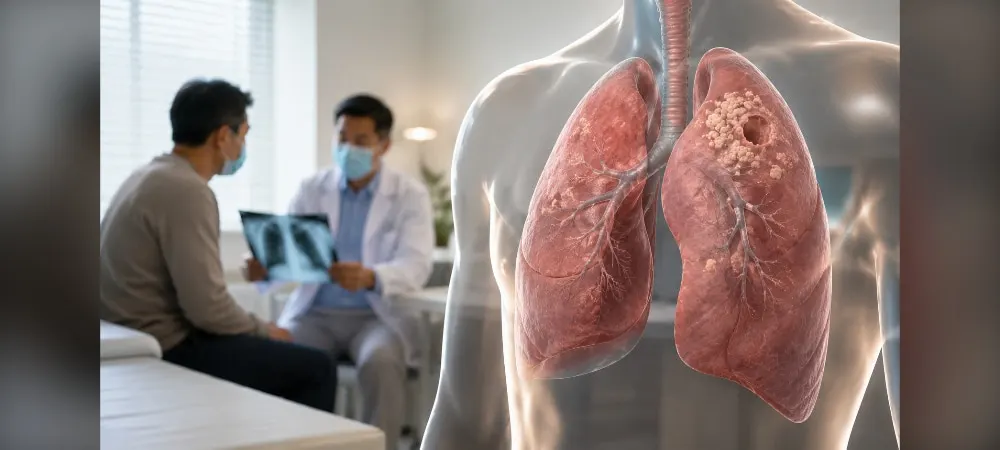
According to the World Health Organization, tuberculosis accounts for 2.5% of all diseases worldwide and 26% of preventable deaths. Each year 9.2 million people are affected. TB can be rapidly fatal in individuals with weakened immune systems, but it is fully curable with early diagnosis and appropriate treatment. In this article, we will explain in detail the symptoms of tuberculosis, how TB spreads, testing methods, and the tuberculosis treatment process for you.
What Is Tuberculosis (TB) and How Does It Develop?
Tuberculosis, known as TB, is a contagious infectious disease caused by the bacterium Mycobacterium tuberculosis. The bacterium enters the body through the air and primarily settles in the lungs, but it can also spread to other parts of the body through the bloodstream.
Mycobacterium tuberculosis Bacterium
The bacterium that causes tuberculosis was discovered by Robert Koch on March 24, 1882. This bacterium is a very slow-growing microorganism. It divides approximately every 18 hours, and because of this characteristic it takes time to detect in the laboratory.
The bacterium’s cell wall contains a high proportion of lipids. This structure gives it resistance to acids and bases. It can also remain viable for long periods in dry sputum, a feature that increases its contagiousness. Because it is an oxygen-dependent bacterium, it readily multiplies in the lungs.
After the bacterium reaches the lungs via the respiratory tract, it is engulfed by macrophages, the immune system’s cells. However, the immune system cannot always completely eliminate the bacteria. The bacilli can continue to live inside macrophages, and this situation determines the course of the disease.
Differences Between Latent and Active Tuberculosis
After the tuberculosis bacterium enters the body it can progress in two different ways. If the immune system can keep the bacteria under control, latent tuberculosis infection develops. In this case the bacteria are present in the body but do not reproduce.
People with latent tuberculosis feel healthy and show no symptoms. They are not contagious and can continue their daily lives normally. The immune system traps the bacteria in small structures called granulomas to prevent their multiplication. About one third of the world’s population carries latent tuberculosis infection.
Five to ten percent of people with latent infection develop active disease at some point in their lives. When the immune system weakens, the bacteria become active and begin to multiply. At this stage, active tuberculosis disease emerges.
People with active tuberculosis show symptoms and are contagious. They can release bacteria into the air when coughing, sneezing, or speaking. If untreated, the disease progresses and can become life-threatening.
Types of Tuberculosis
Tuberculosis primarily affects the lungs, and this form is called pulmonary tuberculosis. It is the most common type of the disease and is the main source of contagion.
The bacteria can spread to other parts of the body through the blood and lymphatic systems. In this case, extrapulmonary tuberculosis develops. About one-third of tuberculosis cases in Turkey involve extrapulmonary manifestations. It can be seen in many organs such as lymph nodes, bones, joints, kidneys, meninges, intestines and skin.
Miliary tuberculosis is a severe form in which the bacteria spread throughout the body via the bloodstream. In drug-resistant tuberculosis, the bacteria have developed resistance to standard medications and treatment takes longer.
What Are the Symptoms of Tuberculosis?
When the tuberculosis bacterium enters the body it may not cause symptoms immediately. If the immune system is strong the infection does not become active, but if the person’s resistance is low symptoms can appear. Complaints start mildly and progress gradually.
Early-Stage Symptoms
A cough lasting more than two weeks is the most prominent sign of tuberculosis. The cough may start dry but becomes productive over time. It can be worse in the mornings.
Low-grade fever is common and tends to increase during the day. It persists as the body's response to the infection. Night sweats are a characteristic symptom of tuberculosis and can be severe enough to soak bed linens and clothing.
Loss of appetite and consequent weight loss are noticed early. Patients continue to lose weight despite normal eating. Weakness and fatigue make it difficult to carry out daily activities.
Swelling may be observed in the lymph nodes in the neck. These swellings are usually painless but can enlarge over time. Chest pain worsens especially with deep breathing or coughing.
Advanced Stage Symptoms
Bloody sputum is an important sign that tuberculosis is advancing. When the bacteria damage lung tissue, blood-tinged or rust-colored sputum appears with cough. This requires urgent medical evaluation.
Severe chest pain occurs due to inflammation and damage in the lungs. Shortness of breath becomes more pronounced as the disease progresses. The lungs’ ability to exchange oxygen is affected, making daily life difficult.
Shivering can occur with fever or independently. Hoarseness is a rare symptom and arises when the vocal cords are affected in laryngeal tuberculosis.
Extrapulmonary Tuberculosis Symptoms
Urinary tract infections, fever and fatigue are common in renal tuberculosis. Blood in the urine is a serious sign. Back pain and hematuria occur in one-third of patients with renal tuberculosis. Unexplained voiding disorders and infections not confirmed on urine culture can be indicative of this disease.
Bone tuberculosis causes joint pain. Spinal tuberculosis presents with severe, persistent back pain. As it progresses, it can lead to spinal cord damage and nerve compression.
Bladder tuberculosis causes bloody urine; peritoneal tuberculosis causes abdominal pain and abdominal distension. If it involves the meninges, signs of meningitis appear. Hepatic tuberculosis can cause jaundice.
Time to Onset of Symptoms
The time from bacterial entry to symptom onset varies according to the immune system. In people with weakened immunity, symptoms begin within two to four weeks.
In people with normal immune systems it can take four to twelve weeks. In some cases it may take months or years. Patients with weakened immune systems begin to experience symptoms in a shorter time.
How Tuberculosis Spreads and Risk Factors
Understanding how the disease spreads is important for taking preventive measures. The answer to the question of how tuberculosis spreads is the first step in combating the disease.
Transmission Routes
Tuberculosis spreads through the air. Patients with active pulmonary or laryngeal tuberculosis are contagious. When the patient coughs, sneezes or speaks, the microbe-laden droplets released into the air dry and form small particles called droplet nuclei.
These droplet nuclei can remain suspended in the air for hours. Healthy people become infected by inhaling these microbes. The chance of catching the TB bacillus from someone coughing on the street or in a minibus is low. Transmission usually requires living with the patient for a long time.
Those at highest risk are family members who spend long periods in the same environment as the patient and close coworkers. Transmission does not occur through utensils, clothing or bedding such as spoons, forks, cups, clothes or sheets. In closed, poorly ventilated and sunless environments the bacteria survive longer.
Patients with lymphatic, hepatic, splenic, osseous, or peritoneal tuberculosis are not contagious if they have no active disease in their lungs.
Duration of Infectiousness
An untreated tuberculosis patient can infect 3–10 people per year. However, contagiousness rapidly disappears after starting drug treatment. If effective medications are used, infectiousness is largely gone 2–3 weeks after beginning therapy.
Complete loss of infectivity is determined by laboratory test results. Transmission ends within weeks after treatment.
High-Risk Groups
People with weakened immune systems have a higher risk of developing the disease:
Children under 5 years old and infants
Elderly people over 65 years old
Patients with HIV/AIDS
Diabetic patients
People with chronic kidney disease
Cancer patients
Patients who have undergone organ transplantation
Healthcare workers
People living in crowded, poorly ventilated environments
The risk increases in people who are poorly nourished or who smoke and drink alcohol. Those living in communal settings such as prisons, dormitories, and nursing homes are at high risk.
Factors Affecting the Immune System
People who use corticosteroids for long periods have a higher risk of developing tuberculosis. Those taking anti‑TNF medications and individuals who have undergone bone marrow transplantation are also in the risk group.
In countries where the disease is common, the risk of transmission to healthy people is higher. Travelers to regions such as Africa, Eastern Europe, Russia and Asia should be especially cautious. Extreme fatigue, prolonged stress and the use of medications that suppress the immune system make the disease more likely to appear.
How Is Tuberculosis Diagnosed?
The specialist physician first performs a physical examination of the patient. Listening to the chest, checking for swollen lymph nodes and asking about symptoms are basic assessment steps. Various tests are performed after the physical examination.
Tuberculin Skin Test (PPD)
The PPD test is the most commonly used method for tuberculosis testing. A substance called tuberculin is injected under the skin on the inner part of the arm. 0.1 ml of PPD solution is administered intradermally with a 27-gauge needle.
The doctor evaluates the skin reaction at the test site 48 to 72 hours later. Redness and swelling may occur at the injection site, but this is temporary. The vaccinated area is examined to see whether any reaction to PPD has developed on the skin.
The PPD test measures a person’s immune response to tuberculosis and determines whether the body has produced antibodies. If results are positive, the person may have had a tuberculosis infection or may have active disease.
Wheals of 5 mm or more on the forearm indicate a positive test result. Reactions over 10 mm are considered positive. In children vaccinated with BCG, a reaction over 15 mm is recommended to be considered positive. However, the PPD test alone is not sufficient for a definitive diagnosis.
Sputum Tests and Culture
Sputum tests are among the most important methods for diagnosing patients suspected of pulmonary tuberculosis. The sputum sample taken from the patient is examined under a microscope in the laboratory and searched for tuberculosis bacteria.
Collecting three consecutive early-morning sputum samples is ideal. Bacilli are better demonstrated in sputum that has accumulated in the bronchi overnight. A sputum culture is performed to grow the bacteria and establish a definitive diagnosis.
The culture test is also important for determining the bacteria’s resistance to drugs. Culturing the bacterium is the gold standard diagnostic method. The culture result is obtained after 45 days.
The tuberculosis PCR test is a molecular diagnostic that detects Mycobacterium tuberculosis DNA in sputum or tissue samples and confirms active disease within hours. While conventional culture takes 4–8 weeks, the PCR result is ready in about 2 hours.
Chest X-ray and Imaging Methods
Chest X-ray is one of the primary imaging methods commonly used in the diagnosis of tuberculosis. It helps visualize lesions, inflamed areas, or cavitations in the lungs caused by tuberculosis.
Typical radiological findings may be seen in the lungs during active tuberculosis infection. However, a chest X-ray alone is not sufficient for a definitive diagnosis. Other pulmonary diseases can produce similar images. Therefore, it is usually evaluated together with other tests.
Computed tomography is used to evaluate nodules, cavitations, cysts and calcifications.
Diagnosis of Tuberculosis in Children
Diagnosing tuberculosis in children is a more challenging process than in adults. Children may not be able to fully express their symptoms and may have difficulty producing sputum samples.
Diagnosis uses contact history, physical examination and symptoms along with certain laboratory tests. Patients undergo a tuberculin skin test for diagnostic purposes and a chest X-ray is taken.
In children who can expectorate, a sputum sample is obtained; in those who cannot, fasting gastric aspirate is taken to attempt microbiological detection of the bacteria. Family screening must always be performed for a child suspected of having tuberculosis.
Tuberculosis Treatment and Prevention Methods
Tuberculosis is treated with potent antibiotics, and patient adherence to the treatment is vital for successful recovery.
Antibiotic Treatment Process
Four different drugs are used together in the treatment. Isoniazid, rifampicin, ethambutol and pyrazinamide constitute the standard treatment protocol. This combination ensures bacteria are affected through different mechanisms and prevents the development of drug resistance.
The treatment consists of two phases. The first two months are called the intensive phase and all four drugs are administered. During this period the majority of the bacteria are killed and infectivity rapidly decreases. Afterwards the continuation phase begins and typically lasts 4–7 months. In this phase the number of drugs is reduced.
The total treatment duration varies between six and nine months. In some special cases the treatment period may be extended. Central nervous system tuberculosis is treated for 12 months, bone and joint tuberculosis for 9 months.
Precautions During Treatment
Strict, complete adherence to medications is essential. Stopping treatment early or taking medications irregularly leads to bacterial resistance. Treatment for drug-resistant tuberculosis lasts two years, has many more side effects and is more costly.
Directly observed therapy involves a healthcare worker ensuring each dose is taken. This method improves treatment success. Medications should be taken once daily on an empty stomach.
Side effects may occur during treatment. Liver function disorders, skin rashes, nausea, and visual disturbances may develop. Any side effects should be reported to a healthcare professional.
Isolation Rules
Patients with active pulmonary tuberculosis should be isolated in rooms with special ventilation systems. Patients and visitors must wear N95 or FFP2/FFP3 masks. Patients should cover their mouth with a single-use tissue when coughing or sneezing.
Contagiousness decreases 2–3 weeks after effective treatment begins. Patients with three consecutive negative sputum tests are not considered infectious. Patient rooms should be ventilated frequently and natural air circulation ensured.
BCG Vaccine and Prevention
The BCG vaccine is administered at the end of the second month of infancy. It protects children against severe forms of tuberculosis. In particular, it provides approximately 70–80% protection against fatal types such as tuberculous meningitis and miliary tuberculosis.
The vaccine does not protect adults from the disease. Individuals in close contact with tuberculosis patients should be monitored with regular tests. Preventive treatment reduces the risk of developing the disease by 60–90%.
Treatment in Pregnant Women and Children
Tuberculosis treatment during pregnancy should be started as early as possible. All first‑line drugs except streptomycin can be used safely in pregnancy. Vitamin B6 supplementation can be given to pregnant women to reduce drug side effects.
All standard medications can be used safely by breastfeeding mothers. The amount of medication that passes into breast milk is not at a level that would harm the baby. Ethambutol should not be used in children who are too young to report visual disturbances.
Frequently Asked Questions About Tuberculosis
Patients and their relatives ask many questions about tuberculosis. Clear answers to these questions make coping with the disease easier.
Is tuberculosis contagious?
Yes, tuberculosis is a contagious disease. It is transmitted mainly via droplets expelled by patients with untreated active pulmonary tuberculosis through coughing, sneezing and speaking. Sputum and saliva particles released into the air by the infected person can reach healthy individuals by airborne transmission.
However, transmission generally requires prolonged close contact with the infected person. Infectiousness is substantially reduced 2–3 weeks after treatment begins. Once drug therapy is started, contagiousness declines rapidly.
How long does tuberculosis treatment last?
Standard tuberculosis treatment usually lasts 6–9 months. The duration may vary depending on the type of disease and the patient's condition. Typically, a course of at least 6 months is applied.
The treatment duration may be extended depending on the characteristics of the disease or the progress of recovery. It is vital to take medications regularly and not to discontinue treatment prematurely.
Can tuberculosis be cured?
Yes, tuberculosis can be completely cured with regular, long-term medication. With early diagnosis and proper treatment, patients fully recover. Tuberculosis patients are cured one hundred percent with drug therapy.
Treatment must be continued without interruption under physician supervision. Almost all patients who take their medications as recommended and for a sufficient duration are successfully treated. It is definitely a curable disease.
Is tuberculosis fatal?
Untreated tuberculosis cases can be deadly. If not treated promptly or if treatment is delayed, it can be fatal. It typically leads to severe respiratory failure, organ damage, and ultimately death.
However, with early diagnosis and consistent treatment, the disease can be completely cured. With early detection and appropriate therapy, the patient can recover. Miliary tuberculosis has a high risk of resulting in death if left untreated.
What should tuberculosis patients do?
The patient should take the medications prescribed by the doctor without interruption and attend regular check-ups. To protect those around them, they should wear a mask and follow hygiene rules.
Patients should pay attention to the following points:
Tuberculosis medications should be taken daily and regularly.
Regular follow-up appointments should be attended throughout the treatment.
If side effects from the medications occur, see your doctor as soon as possible.
Smoking and alcohol use should be avoided
Stay in a room with natural sunlight and good ventilation
Cover their mouth and nose when coughing, sneezing, or talking
Summary of Tuberculosis
Although tuberculosis is a serious disease, it can be completely cured with early diagnosis and regular treatment. See a doctor immediately if you notice symptoms. Treatment success depends on taking your medications without interruption.
Be patient during the treatment process and follow your doctor’s instructions exactly. Do not stop taking medications even if you feel well. Stopping treatment prematurely can lead to the development of resistant bacteria.
Remember that tuberculosis is no longer a fatal disease. With the right approach and regular follow-up, you can regain your health and return to your normal life.
Start with the right assessment for What Is Tuberculosis (TB)? What Are Its Symptoms? How Is It Diagnosed and Treated?
Share your symptoms with our specialist physicians; let us determine the right diagnosis and treatment plan together.
Warning
If your symptoms started suddenly, are progressing rapidly, or significantly restrict your daily life, consult a physician without delay.
Plan your What Is Tuberculosis (TB)? What Are Its Symptoms? How Is It Diagnosed and Treated? journey with our specialists.
Fill in the form or book an appointment to learn about treatment options, the process and preparation.