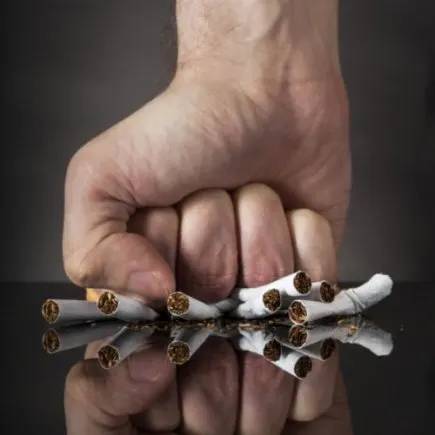
Bladder cancer is among the most common types of cancer in men, after prostate cancer. In this cancer, which is largely caused by cigarette smoking, painful and bloody urination is the first sign of the disease. We spoke with the Urology Department specialists at Hisar Hospital Intercontinental about what you need to know about bladder cancer, a disease in which early diagnosis is of great importance.
Blood in the urine and burning are the first signs of the disease!
Among the most common findings in bladder cancer is painless bleeding in the urine. Blood in the urine as the first symptom is seen in approximately 85% of patients. Bleeding almost always occurs intermittently, or on and off. Even if the patient has no visible bleeding, microscopic bleeding can be detected on a urinalysis.
Frequent urination, urgency and burning during urination together form the second most common presentation. Other signs and findings of bladder cancer include lower back pain caused by obstruction of the ureter, which connects the kidney to the bladder, swelling in the legs, and a mass in the abdomen. Very rarely, patients may present at the time of consultation with symptoms of advanced disease, such as weight loss, abdominal pain or bone pain.
Cancer risk increases with age
Although bladder cancer can occur at any age, including childhood, it is generally a disease of middle and older age. The average age at diagnosis of bladder cancer is 69 in men and 71 in women. The incidence of bladder cancer rises directly with age.
Although genetic factors play a role, environmental factors have a greater influence
There are many risk factors for a person to develop bladder cancer. At this point, genetic predisposition can play an important role, because those with a family history of bladder cancer are at greater risk. The environmental risk factors thought to play a role in the development and progression of bladder cancer are:
Long-term cigarette smoking
Occupational (industrial) exposure to chemicals (paint, textile, aluminum, leather, petroleum industries)
Chronic parasitic, bacterial, fungal and viral infections
Stones or foreign bodies in the bladder
Treatment methods such as chemotherapy and radiotherapy
Smoking increases the progression of the disease and the risk of recurrence
Smoking is the best-known major environmental risk factor for bladder cancer. Smokers have a 4-fold higher rate of developing bladder cancer than non-smokers. The risk is proportional to the number of cigarettes smoked, the duration of smoking and the amount of smoke inhaled. Not quitting smoking after a bladder cancer diagnosis worsens the clinical course and outcome of early-stage, non-muscle-invasive bladder cancer. Continuing to smoke also increases the risk of recurrence of the disease. As the number of cigarettes smoked increases, the aggressiveness of the bladder cancer that develops, its invasion of muscle tissue, its recurrence and its progression may increase. Smoking also reduces the effectiveness of intravesical chemotherapy and BCG immunotherapy used in the treatment of bladder cancer. In conclusion, quitting smoking plays an important role in the fight against the disease once a bladder cancer diagnosis has been made.
The disease is diagnosed through diagnostic methods
After blood in the urine is detected on urinalysis, diagnostic findings are obtained using radiological methods such as ultrasonography, computed tomography and magnetic resonance imaging.
Urine cytology, in which the cells in the urine are examined, can provide information about the grade of the disease; however, it is not always sufficient for a definitive diagnosis.
Surgical intervention is essential for diagnosis and treatment!
If bladder cancer is suspected, the procedure that must be performed at this stage is cystoscopy. Cystoscopy is the examination of the urinary tract and bladder by inserting a telescope-like illuminated instrument through the urethra under anesthesia. When cystoscopy reveals cancer or a lesion suspicious for cancer, it is removed by the closed method called transurethral resection (TUR), which is suitable for taking a biopsy and also has a cutting capability. The removed tissues are sent for pathological examination. In this way, both diagnosis and treatment are carried out. As a result of the pathologist's evaluation, the definitive cancer diagnosis and its characteristics are determined. The stage and grade of the cancer provide information about how rapidly the disease has the potential to progress.
Treatment is determined according to the stage of the patient's disease
If the cancer has not invaded the muscle, it is risk-classified as low, intermediate or high risk, and the treatment plan is determined accordingly. Adjuvant treatment is given in the form of intravesical chemotherapy or biological immune-inducing immunotherapy. The aim of treatment in these patients is to prevent the recurrence and progression of the disease. To determine the effectiveness of the treatment, a repeat examination with cystoscopy is necessary after 3 months.
Start with the right assessment for If You Smoke, Your Risk of Bladder Cancer Is High!
Share your symptoms with our specialist physicians; let us determine the right diagnosis and treatment plan together.
Warning
If your symptoms started suddenly, are progressing rapidly, or significantly restrict your daily life, consult a physician without delay.
Plan your If You Smoke, Your Risk of Bladder Cancer Is High! journey with our specialists.
Fill in the form or book an appointment to learn about treatment options, the process and preparation.