What Is Prostatitis (Prostate Inflammation)? What Are the Symptoms?
Prostatitis, characterized by inflammation (irritation) of the prostate gland, is one of the most common urological health problems in men. Prostatitis, accompanied by symptoms such as pain, restlessness, difficulty urinating and sexual dysfunction, mainly affects men between the ages of 30 and 50, although it can occur at any age. Prostatitis may be caused by various bacterial infections, but it can also occur without any source of infection. For this reason, the treatment of prostatitis requires first determining the cause and then planning a treatment suited to it. The answers to questions such as “What is prostatitis?” and “What are the diagnostic and treatment methods for prostatitis?” and other common questions about prostatitis are discussed later in this article.
What Is Prostatitis (Prostate Inflammation)?
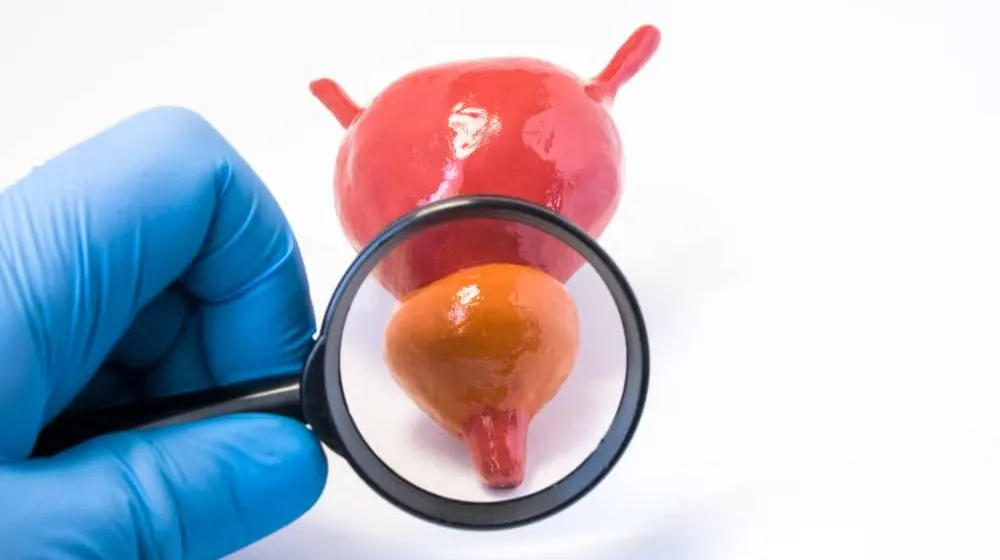
The prostate is one of the glands present in men from birth. It is a walnut-sized gland weighing about 30 grams, located at the base of the bladder and behind the penis. Another important function of the prostate gland is to produce the fluid within semen. In other words, the prostate gland is an organ essential for male reproductive health. As with other organs, health problems can also arise in the prostate gland. Prostatitis (prostate inflammation), benign prostatic enlargement and prostate cancer are the first conditions that come to mind when prostate gland diseases are mentioned.
Prostatic enlargement usually occurs in men of advanced age, whereas prostatitis can occur at any age. Studies show that more than 2 million men develop prostatitis every year. Inflammation of the prostate gland for any reason is defined as prostatitis. According to data from the National Institutes of Health, prostatitis is examined under 3 headings: acute bacterial prostatitis, chronic bacterial prostatitis and chronic non-bacterial prostatitis. In order to plan the treatment of prostate inflammation correctly, it is important to determine which type of prostatitis the patient has.
Acute Bacterial Prostatitis
Acute bacterial prostatitis is a sudden-onset infection of the prostate gland, presenting with symptoms of a urinary tract infection such as pain and burning during urination. Acute bacterial prostatitis usually occurs when bacteria normally present in the urinary tract reach the prostate gland and multiply there, causing infection. Bacteria of the Enterobacteriaceae family, such as E. coli, can be counted among the main causes of acute prostatitis. Acute bacterial prostatitis, whose symptoms include pain, fever, a burning sensation during urination and frequent urination, is seen more often in young men. It is important to treat acute bacterial prostatitis in its early stages.
Chronic Bacterial Prostatitis
In some cases of prostatitis, symptoms can last for 3 months or longer. Chronic bacterial prostatitis can be defined as an infection of the prostate gland that persists for a long time and/or recurs. Compared with acute bacterial prostatitis, the symptoms of chronic bacterial prostatitis are milder, and its main symptoms include pelvic pain, burning during urination and frequent urination. Another symptom of chronic bacterial prostatitis is pain during ejaculation. This may lead to sexual dysfunction in men. Complaints such as pain, burning and difficulty urinating that persist for a long time or recur may indicate the presence of chronic bacterial prostatitis in the patient. If an infection persists for a long time, it may spread over time. For this reason, if you are experiencing recurrent urinary tract problems, do not neglect to consult the nearest healthcare facility without delay.
Chronic Non-Bacterial Prostatitis
The large majority of chronic prostatitis cases are non-bacterial prostatitis. Like chronic bacterial prostatitis, non-bacterial prostatitis is a health problem manifested by symptoms that persist for a long time. Although the cause of chronic non-bacterial prostatitis is not known with certainty, factors such as a previous bacterial infection and exposure to certain chemicals are thought to be able to cause non-bacterial prostatitis.
What Causes Prostatitis (Prostate Inflammation)? What Are the Causes?
The causes of prostate inflammation, which is characterized by inflammation of the prostate gland, vary according to the type of disease. The main causes of prostatitis by type are as follows:
Acute/chronic bacterial prostatitis: Bacteria such as E. coli can cause infection in the urinary tract. One of the most important causes of prostate inflammation is urinary tract infection. Urine flowing back from the urethra can reach the prostate gland and cause infection there. Prostatitis that develops as a result of urinary tract infection is mostly acute bacterial prostatitis. However, since signs of infection are rare in cases of chronic prostatitis, it is also difficult to determine its exact cause. In addition, invasive procedures involving the use of a urinary catheter, prostatic stones, and health conditions that prevent the urinary tract from emptying completely can also cause bacterial infection of the prostate gland.
Chronic non-bacterial prostatitis: The cause of chronic non-bacterial prostatitis is not known with certainty. However, it is thought that factors such as some autoimmune diseases, stress and a previously experienced urinary tract infection can cause chronic bacterial prostate inflammation.
What Are the Symptoms of Prostatitis (Prostate Inflammation)?
There are different types of prostate inflammation, and the symptoms of prostatitis may vary according to the type of disease. Acute bacterial prostatitis, which results from a bacterial infection, frequently presents with symptoms such as pelvic pain, difficulty urinating and fever. In addition, pain during sexual intercourse is also a common occurrence in cases of acute bacterial prostatitis. Symptoms of acute bacterial prostatitis usually appear suddenly. Symptoms of chronic bacterial prostatitis, on the other hand, are often slower and milder compared with acute prostatitis. However, in cases of chronic inflammation, complaints such as lower back pain, groin pain, pain or burning during urination and frequent urination are also commonly seen. In the case of chronic non-bacterial prostatitis, there is no specific identifiable cause of the disease. Symptoms of chronic non-bacterial prostatitis include:
Pain during ejaculation,
Pain spreading across the pelvic region or felt in several areas at the same time,
Pain during or after urination,
Frequent urge to urinate,
Urgent need to urinate,
Weak or interrupted urinary flow,
Obstruction of the urinary tract.
How Is Prostatitis (Prostate Inflammation) Diagnosed?
Patients who consult a doctor with suspected prostatitis undergo various tests and examinations. First, the patient is physically examined by a urologist who is an expert in the field. During the physical examination, the doctor may check for swelling by performing a manual (digital) examination. In addition, blood, urine or semen samples may also be used in the diagnosis of prostatitis. Examining the samples taken from the patient in a laboratory may help determine the type of prostatitis and/or the bacterium causing the inflammation. In some cases, the doctor may recommend additional imaging tests to confirm the diagnosis. These imaging tests include computed tomography (CT) scan, magnetic resonance imaging (MRI) and transrectal ultrasound. Transrectal ultrasound is a method used to obtain images of the prostate gland through the rectum, which helps detect abnormalities, abscesses or stones in the prostate gland .
How Is Prostatitis (Prostate Inflammation) Treated?
Treatment of prostatitis may vary depending on the cause and type of the disease. In cases of bacterial prostatitis, the specialist doctor may recommend antibiotic treatment to the patient. In acute bacterial prostatitis, antibiotic treatment may be administered for 2 weeks to 1 month. However, treatment of chronic bacterial prostatitis may be more challenging. In some cases, antibiotic use for up to 3 months may be required in the treatment of chronic bacterial prostatitis.
There is no definitive cure for chronic non-bacterial prostate inflammation. In the treatment of non-bacterial prostatitis, specialists generally apply a treatment plan aimed at relieving symptoms. In the treatment of chronic bacterial prostatitis, it is also possible to use different treatment options together to treat different symptoms . If prostate inflammation is not treated in its early stages, the infection may progress later and lead to more serious health problems. If you notice any signs of prostatitis, do not neglect to consult the nearest healthcare facility.
Frequently Asked Questions
Prostate inflammation, that is, prostatitis, is a health problem commonly seen in men between the ages of 30 and 50. Some of the questions frequently asked about prostatitis are detailed below.
Prostate cancer or prostatic enlargement and prostatitis are different diseases. In other words, the risk of prostatitis developing into cancer is very low. Prostatitis is not a sexually transmitted disease. In prostatitis treatment, some medications that help eliminate the source of infection or relieve symptoms may be used. Acute and chronic prostatitis can be treated with medical (medication-based) therapy. PSA is an enzyme specific to the prostate gland. Increases in serum PSA levels may be seen in diseases affecting the prostate gland. In other words, prostate inflammation may cause an increase in the PSA value. The main symptoms of prostatitis include lower abdominal pain. In addition, in some cases pain may radiate to the back and the area around the back. Prostatitis is a common health problem affecting the urinary system in men. Early diagnosis of prostate inflammation may help prevent the spread of infection. If you experience complaints such as pain during urination or groin pain, do not neglect to make an appointment with a urologist who is an expert in the field.
Start with the right assessment for What Is Prostatitis (Prostate Inflammation)? What Are the Symptoms?
Share your symptoms with our specialist physicians; let us determine the right diagnosis and treatment plan together.
Warning
If your symptoms started suddenly, are progressing rapidly, or significantly restrict your daily life, consult a physician without delay.
Plan your What Is Prostatitis (Prostate Inflammation)? What Are the Symptoms? journey with our specialists.
Fill in the form or book an appointment to learn about treatment options, the process and preparation.