Primary Immunodeficiency
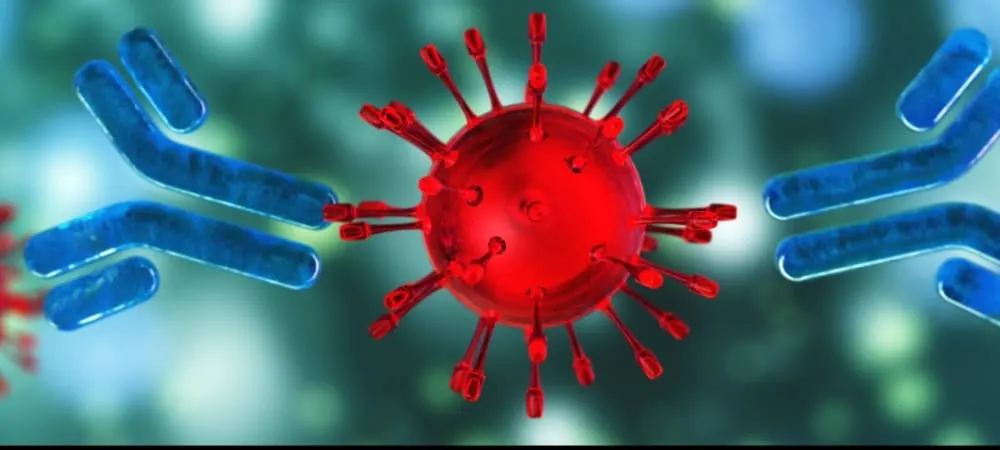
Primary immunodeficiency (PI) is a term used to describe more than 250 chronic disorders in which the immune system is unable to function as it should from birth. In primary immunodeficiency diseases, some immune system cells are either absent or dysfunctional. Given that the primary role of the immune system is to protect the body against internal and external threats, patients with primary immunodeficiency may experience recurrent, prolonged, or more severe infectious diseases than normal.
Furthermore, in some cases, the immune system may develop an abnormal response and attack its own tissues and organs. While some immune deficiency diseases do not show any symptoms until adulthood, others can cause serious symptoms from birth. Early diagnosis and initiation of treatment can significantly improve the quality of life for patients.
What is Primary Immunodeficiency?
Primary immunodeficiency refers to disorders encompassing hundreds of diseases characterized by the insufficient function or complete failure of one or more parts of the immune system. Immune system disorders can make people more vulnerable to recurrent and severe infections, autoimmune diseases, abnormal inflammation, and certain types of cancer. According to research, there are currently more than 250 genetic disorders evaluated under the umbrella of primary immunodeficiency, and the number of these disorders is increasing every day.
Primary immunodeficiency diseases can stem from defects in different structures of the immune system, such as B cells that produce antibodies, T cells that recognize and manage infections, and phagocytes. While some types of PI do not cause any complaints or present with very mild symptoms, others can lead to life-threatening, serious complications. There are many types of primary immunodeficiency. As a result of evaluations conducted by international experts every two years, new disorders are constantly being added to the list. Today, the most common primary immunodeficiency types can be listed as follows:
Common Variable Immunodeficiency (CVID): The most common type of primary immunodeficiency in adults is common variable immunodeficiency, characterized by low levels of antibodies in the blood, whose primary role is to fight against infection. Studies show that common variable immunodeficiency occurs in 1 out of every 25,000 people. In patients with common variable immunodeficiency, infections such as sinusitis and ear infections are frequently encountered due to antibody deficiency. Additionally, since the body cannot produce enough antibodies, vaccines may also remain ineffective in protecting against diseases.
Selective IgA Deficiency: This is a genetic disorder characterized by the body's inability to produce enough immunoglobulin A (IgA) antibodies, whose primary role is to protect the mucosal layer in systems such as the respiratory and digestive systems. People with IgA deficiency, which is the most common disorder among primary immunodeficiency syndromes, may be more susceptible to infections. However, although there is not enough IgA antibody in the bodies of these individuals, there is no problem in the production of other antibodies. For this reason, infections in people with selective IgA deficiency are often milder compared to other disorders.
Ataxia-Telangiectasia (A-T): Thought to develop as a result of mutations in the ATM gene, ataxia-telangiectasia can affect many systems in the body, such as the immune system and the nervous system. A-T, which is a progressive neurodegenerative health problem, can cause symptoms such as loss of balance (ataxia), dilation of blood vessels in the eyes and skin (telangiectasia), and susceptibility to infections.
Chronic Granulomatous Disease: Chronic granulomatous disease, one of the rare primary immune deficiency diseases, is a condition in which white blood cells such as neutrophils, monocytes, macrophages, and eosinophils cannot develop a defense response against fungi and bacteria. If immune system cells cannot reach and destroy a source of infection, more immune cells may migrate there. These cells can accumulate at the site of infection, leading to clusters of white blood cells called granulomas.
DiGeorge Syndrome: This is a genetic disease caused by a deletion in a part of chromosome 22, which can lead to various health problems ranging from heart diseases to immune system disorders.
In addition to those mentioned, many other primary immunodeficiency diseases such as severe combined immunodeficiency and Wiskott-Aldrich syndrome can be cited.
What Are the Symptoms of Primary Immunodeficiency?
Immune deficiency disorders are examined in two classes: primary and secondary immunodeficiency. Primary immunodeficiency develops when the immune system does not function as it should due to the influence of genetic factors from birth. For this reason, signs of primary immunodeficiency usually begin to appear in childhood in most patients.
Secondary immunodeficiency, on the other hand, develops as a result of factors such as infectious diseases or certain medications causing impairment in the immune system. Some people who have immune deficiency but do not show symptoms or show mild symptoms may not be aware that they have PI until adulthood. If primary immunodeficiency were to be described with 10 signs, the first place would be catching infectious diseases more often than normal. Accordingly, the main symptoms of primary immunodeficiency can be listed as follows:
Frequently recurring infectious diseases,
Experiencing more severe symptoms in infectious diseases,
Prolonged infections,
Taking longer to respond to antibiotics,
Enlarged spleen,
Swelling in lymph nodes,
Digestive system problems such as frequently recurring diarrhea,
Experiencing more side effects than normal after receiving live vaccines,
Blood disorders such as low platelet count or anemia,
Unexplained weight loss,
Autoimmune disorders such as lupus, rheumatoid arthritis, or type 1 diabetes.
The listed symptoms appear in most patients by the age of 20. However, there are also those who live with primary immunodeficiencies for a much longer time without showing any symptoms.
What Causes Primary Immunodeficiency?
Primary immunodeficiency diseases are mostly hereditary, meaning they are passed from parents to children genetically. If there is a defect for any reason in the DNA of the cells responsible for producing and functionalizing the body's immune system cells, the immune system may not be able to perform its function as it should. The only known clear risk factor for primary immunodeficiency is family history. Since primary immunodeficiency syndromes can show genetic transmission, having one of these diseases in the family before can increase the risk.
How is Primary Immunodeficiency Diagnosed?
For patients presenting with complaints such as frequently recurring infectious diseases, loss of appetite, and weight loss, family history and medical history are primarily taken. Experts begin the examination by asking questions such as whether the person experiences frequently recurring infections, how long the infectious diseases last, and whether there are similar immune system disorders in the family. During the physical examination, lymph nodes, tonsils, and whether there is growth and development retardation in the child are specifically examined.
Following the physical examination, immunoglobulin levels, which are responsible for fighting infection, can be examined with the help of blood tests. Additionally, blood tests can help examine antibody levels, which indicate whether the immune system is developing a response against infections. When necessary, experts may also resort to genetic diagnostic methods. In some cases, especially if there is a history of primary immunodeficiency in the family or if another child in the family has PI, primary immunodeficiency screening methods such as taking an amniotic fluid sample during pregnancy can also be used. Primary immunodeficiency tests applied during pregnancy make it possible to start treatment immediately after birth.
How is Primary Immunodeficiency Treated?
Although primary immunodeficiency treatment varies according to the type of deficiency, the main goal in treatment is to control infections and support the immune system. In the treatment of infectious diseases caused by bacteria, experts can start antibiotic treatment without delay. If necessary, antibiotic treatment may need to be administered intravenously in a hospital setting. In some patients, long-term low-dose antibiotic treatment may be required to prevent infectious diseases from leaving permanent damage in the respiratory tract, lungs, or ears.
In primary immunodeficiencies caused by a deficiency of immunoglobulin antibodies, such as selective IgA deficiency, intravenous immunoglobulin treatment can be applied. In addition to these treatment methods, stem cell transplantation may also be required for people with life-threatening immune system deficiency. Before transplantation, methods such as chemotherapy and radiotherapy are used to destroy the person's diseased immune cells. Then, stem cells taken from a person compatible with the patient are given to the patient. Additionally, there are some gene therapy methods today based on the principle of correcting certain genes in a laboratory environment and giving them back to the patient. However, these methods are currently applied to a limited number of patients.
Frequently Asked Questions
Primary immunodeficiency syndromes are genetic disorders that develop as a result of mutations in genes that affect the structure and functioning of immune system cells. The vast majority of primary immune deficiency diseases manifest themselves with various symptoms by the age of 20. However, disorders that progress with milder symptoms can also appear at older ages. Primary immunodeficiencies are genetic diseases. Therefore, they are not contagious to someone else. However, since PI patients catch infections more often, they can transmit infectious diseases to healthy people. The disease usually manifests itself with frequently recurring, more severe, and longer-lasting infections than normal. In particular, the late response of infectious diseases to treatments such as antibiotic therapy and findings such as growth retardation can also be a sign of PI. The diagnosis of primary immunodeficiency may vary depending on the type of disease. While the diagnosis of disorders such as selective IgA, which are common disorders, can be made with the help of a simple blood test, more detailed evaluations may need to be made in disorders such as DiGeorge syndrome. The vast majority of primary immune deficiency diseases are chronic, meaning they last a lifetime. However, today, treatment methods such as stem cell transplantation can allow PI diseases to be treated permanently. Most PI diseases can be detected with blood tests that help evaluate immune system cells and antibodies. Additionally, in some cases, experts may also resort to genetic tests. Although it is not always easy to completely cure primary immunodeficiency, it may be possible to prevent complications due to infectious diseases. Additionally, stem cell transplantation can be a definitive solution for life-threatening PI diseases. The diagnosis and follow-up of primary immunodeficiency diseases are usually managed by specialists in the immunology and allergy department. Immunology specialists usually work in a multidisciplinary approach with different branches such as hematology and rheumatology in such cases.
Primary Immunodeficiency Diagnosis and Treatment at Hisar Hospital
Primary immunodeficiency diseases can be brought under control with early diagnosis and correct treatment. Our experienced specialist staff, advanced laboratory infrastructure, and multidisciplinary approach comprehensively plan the diagnosis and treatment of immune system diseases.
If you are having frequent infections, responding late to antibiotic treatments, or have concerns about your immune system, you can make an appointment with our specialist physicians without delay.
Start with the right assessment for What is Primary Immunodeficiency? Symptoms, Causes, and Treatment
Share your symptoms with our specialist physicians; let us determine the right diagnosis and treatment plan together.
Warning
If your symptoms started suddenly, are progressing rapidly, or significantly restrict your daily life, consult a physician without delay.
Plan your What is Primary Immunodeficiency? Symptoms, Causes, and Treatment journey with our specialists.
Fill in the form or book an appointment to learn about treatment options, the process and preparation.