Kidney stones, small in size yet occupying a large place in our lives with the pain they cause, and what people wonder about regarding their treatment, were explained by Urology Department specialists on World Kidney Day, March 10.
The disease can be inherited genetically within families
Stone disease, which usually begins in the twenties and is seen 2-3 times more often in men than in women, is more common in our country than in other countries (average 15%). The most prominent factors in stone formation are genetic predisposition, age, sex, geographic factors, climate and dietary habits. Among the families of patients with stone disease, a history of stone disease is present at rates ranging between 10% and 40%.
Long and unbearable pain is the most important symptom
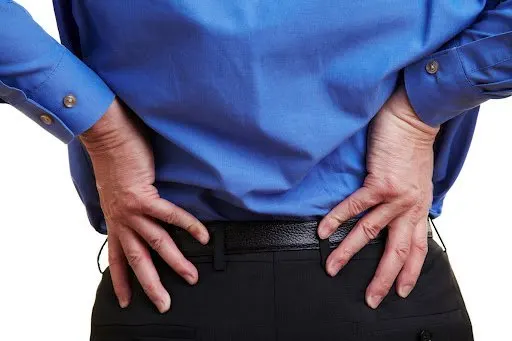
Flank pain on the side where the stone is located is the most important symptom. The pain may be severe, stabbing like a knife, or it may take the form of prolonged and bearable flank pain. Clinically, the second most common finding in patients is blood in the urine. Nausea and vomiting may also occur. In stone patients, infections due to obstruction are also common. An infection may be very simple in form, but it can also lead to kidney inflammation. In these cases, the patient complains of high fever and severe flank pain.
Advanced diagnostic methods can detect even the smallest stones
In patients with suspected stones, diagnosis can easily be made using radiological methods such as plain abdominal X-ray, ultrasonography and spiral computed tomography. Spiral computed tomography is the most advanced diagnostic method capable of detecting even millimeter-sized stones. If a stone is diagnosed but not treated, depending on its size, location and whether it causes obstruction, irreversible damage may occur in the kidneys, bladder and urinary tracts, and it may even lead to kidney failure and infections. Therefore, when the stone is small, it is diagnosed without causing any permanent damage, and if an effective result is achieved with a rapid treatment process, the urinary tract, especially the kidneys, is preserved.
Treatment methods tailored to the individual's condition are applied
In kidney stone disease, the treatment approach should be "personalized treatment" according to the patient. In some patients, depending on the size and location of the stone, the stone can pass spontaneously with conservative follow-up alone, while other patients require active treatment urgently. The treatment plan varies depending on where the stones are located in the urinary system, and on their number and size. Thanks to technological developments and modern approaches, today 99% of kidney stones can be treated with closed (endoscopic) methods. Thus, patients can return to work and daily activities in a short time without staying in the hospital for a long period.
If you are a stone patient…
Drink at least 2 liters of water every day.
If you have recurrent stone disease, create your nutrition program with the help of a nutrition and diet specialist, as directed by your physician.
Take regular walks and do exercise.
Try to maintain a lifestyle free of stress.
Keep the stones you pass so that they can be evaluated together with your physician at your regular follow-ups.
Repeat urine analysis and ultrasonography every 6 months.
If you have recurrent stone disease despite paying attention to all of these, undergo the necessary checks and tests to identify the causes leading to stone formation.
If stone disease is common in your family, consult your physician to undergo genetic testing.
Start with the right assessment for Small in Size, Great in Harm: Kidney Stones
Share your symptoms with our specialist physicians; let us determine the right diagnosis and treatment plan together.
Warning
If your symptoms started suddenly, are progressing rapidly, or significantly restrict your daily life, consult a physician without delay.
Plan your Small in Size, Great in Harm: Kidney Stones journey with our specialists.
Fill in the form or book an appointment to learn about treatment options, the process and preparation.