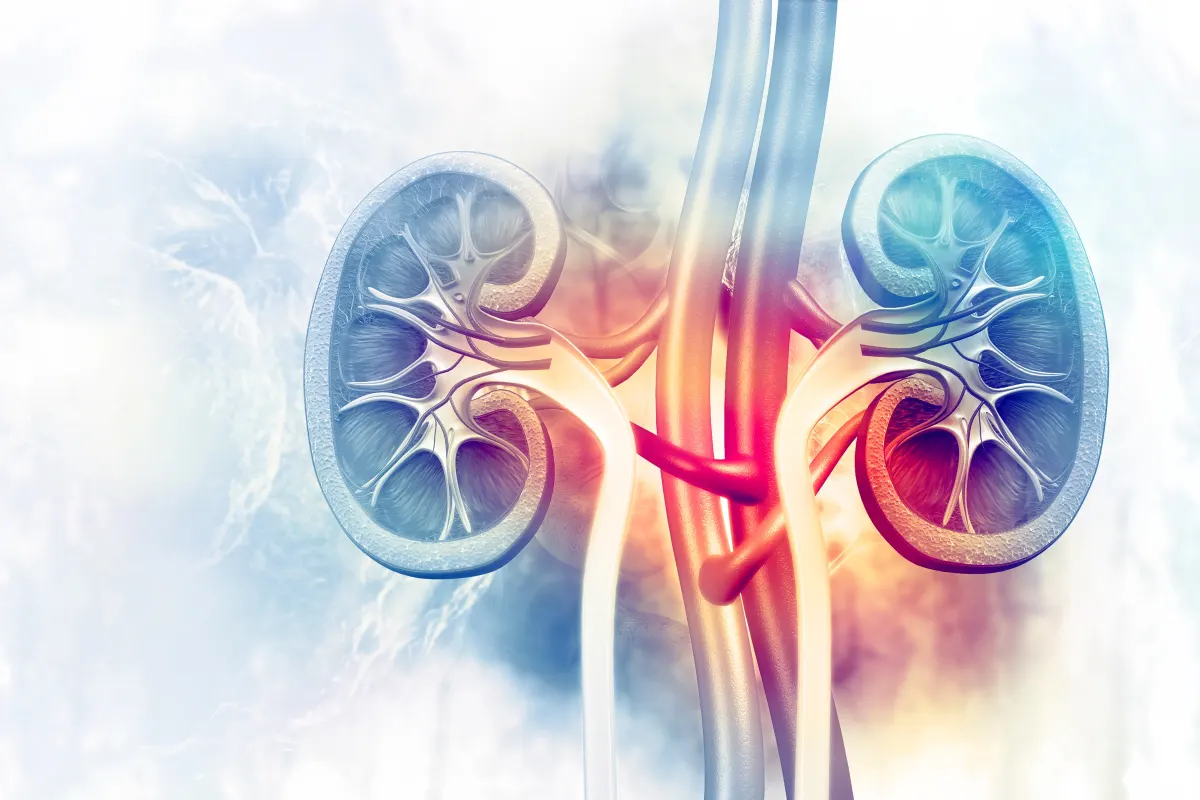
Regular checkups are needed to detect kidney cancer, which shows no symptoms in its early stages. Treatment is individualized and carried out using methods suited to each case. Specialists from the Urology Department at Hisar Hospital Intercontinental, who noted that factors such as smoking, obesity, a sedentary lifestyle, and excessive consumption of meat and dairy products increase the risk of kidney cancer, provided information about kidney cancer during Cancer Week, April 1–7.
Thousands of people are diagnosed with kidney cancer every year
Kidney cancer is diagnosed in about 1 in 10,000 people each year. Because kidney cancer follows an insidious course, by the time it is diagnosed, the disease has already progressed and spread in 25% of patients. 90% of kidney cancers are of the "renal cell carcinoma" type. The disease, which can be seen 2–3 times more often in men, originates in the kidney tissue responsible for urine formation. It appears at younger ages in those with a hereditary predisposition. The disease most commonly occurs between the ages of 50 and 70, and after the age of 45, regular checkups are of vital importance.
The disease can progress silently without symptoms
With the widespread use of ultrasonography, kidney cancer may easily be suspected incidentally on an ultrasound performed for any reason, when there is no complaint at all, and in this way the disease can be detected early. What is important is that kidney cancer can be detected early, even without any complaints from the patient. This is because if it is caught at an early stage, the chance of being completely cured of the cancer is very high.
Be aware of the symptoms!
Symptoms may appear depending on the stage of the cancer. Bleeding or a change in urine color visible to the naked eye in the urine or detected during tests, a mass that can be felt and pain in the kidney area, general weakness, a feeling of fatigue, loss of appetite, weight loss, recurrent high fever, anemia, high blood pressure, liver function disorders, palpitations, swelling of the legs, and, depending on the organs to which the cancer has spread, pain, cough, shortness of breath, coughing up bloody sputum, bone pain, headache, loss of consciousness, and paralysis may occur.
Cancer can be detected at an early stage through regularly performed diagnostic methods
Having a kidney ultrasound and complete urinalysis once a year is the most important method recommended for the early diagnosis of kidney cancer. In particular, people with risk factors for cancer development must absolutely see a urologist who specializes in urologic oncology.
The treatment method is determined according to the patient's condition
Surgery is the most effective treatment method for kidney cancer. The type of surgery depends on the patient's medical condition, the location, stage, size, and number of cancers, and is performed either as a radical operation, removing the entire kidney together with the adrenal gland and the surrounding fascia and fat layers, or partially, removing only the cancerous tissue and preserving the remaining part of the kidney. The aim should be to remove only the cancerous tissue while also preserving normal kidney tissue. This is because when the entire kidney is removed, the remaining kidney will have to bear the body's burden alone, and over time the risk of chronic kidney failure and cardiovascular disease will increase. In summary, determining the type of surgery to be performed is a decision made as a result of a detailed evaluation specific to each patient.
The surgical method is determined by the extent and stage of the tumor
When determining the surgical method, the stage of the disease is an important criterion. Although laparoscopic or robot-assisted methods are frequently used today, open surgery is still preferred for advanced-stage disease. Factors related to the cancer and the patient play a role in the choice of these methods. To confirm the diagnosis, the removed samples are examined by pathological methods, and the type, character, and extent of spread of the tumor are determined. Depending on the result, additional treatment may be required after surgery in some patients. Because the risk of recurrence is high, these patients should be followed closely. Approximately 80% of kidney cancers are clear cell carcinoma, which is resistant to chemotherapy and radiotherapy and does not respond to them.
Medications must always be taken and used under specialist supervision.
When deemed necessary after surgery, or in cases of advanced disease, biological treatments are used in addition to surgery. The most effective biological treatment for kidney cancer at present is "targeted therapy." Drugs that prevent the formation or action of micromolecules involved in the blood vessel formation and proliferation of cancerous tissue are used. Patient-related factors and the pathological type of the cancer are important in drug selection. Due to their side effects, these treatments must be administered in experienced centers.
Regular follow-up is essential to guard against recurrence!
It is very important for patients with kidney cancer to be under frequent and regular monitoring after treatment. Determining the frequency and content of follow-up individually for each patient is a more rational approach. Even if the cancerous tissue has been completely removed by surgical treatment, there is a 20–30% risk of cancer recurrence. There is currently no measure that can reduce this possibility. For this reason, continuing regular checkups is vitally important so that any recurrence can be noticed and treated immediately.
Your diet should not lead to kidney cancer
As in every cancer, diet is important in kidney cancer as well. One of the main culprits of cancer is smoking. Smoking is the most important factor in the development of kidney cancer. Avoiding cigarettes, which contain many chemicals and substances that can cause cancer, and quitting as soon as possible if you smoke, should be at the top of the precautions that can be taken against cancer. Long-term consumption of a high-calorie, fatty diet or dieting, and excessive consumption of high-protein foods such as meat and dairy products, can lead to cancer. In addition, long-term radiation exposure, hemodialysis, and exposure to chemical substances are among the causes that increase the risk factor for kidney cancer. People with a family history of cancer have a 2 times greater risk of developing cancer. For this reason, it is essential that they undergo examinations regularly.
Start with the right assessment for Changing Urine Color May Be a Sign of Kidney Cancer
Share your symptoms with our specialist physicians; let us determine the right diagnosis and treatment plan together.
Warning
If your symptoms started suddenly, are progressing rapidly, or significantly restrict your daily life, consult a physician without delay.
Plan your Changing Urine Color May Be a Sign of Kidney Cancer journey with our specialists.
Fill in the form or book an appointment to learn about treatment options, the process and preparation.