What is Andropause?
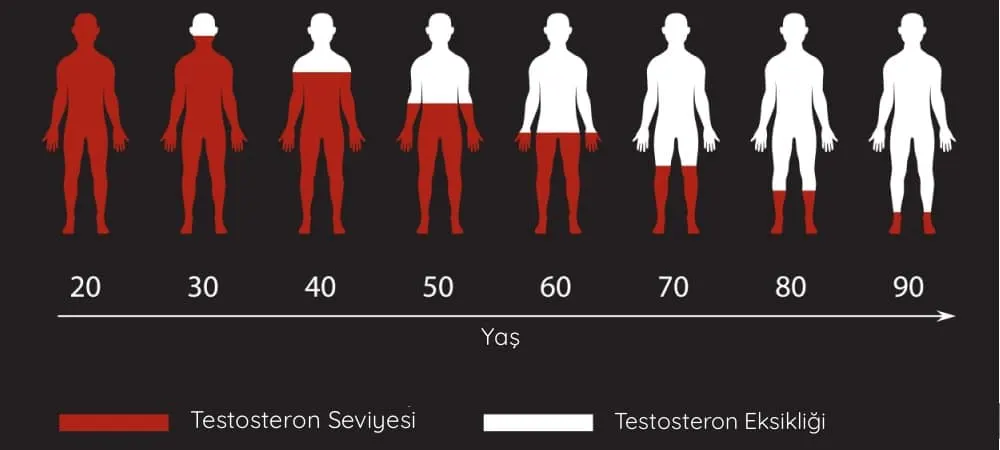
Andropause is a period in which men experience hormonal changes as they age. This condition, which generally begins from the age of 40, is characterized by a gradual decline in testosterone levels. As a result of the decrease in testosterone levels, various effects on a person's psychological and physical health may emerge. However, symptoms can vary between individuals. While some men experience this period with milder symptoms, others may experience more pronounced signs.
The andropause period in men is also often referred to as "aging syndrome" or "male menopause." Although these terms are thought to bear similarities to female menopause, andropause is a slower process. Over time, with the decline in testosterone levels, low energy, a decrease in muscle mass, and changes in mood may be observed.
How Does Andropause Occur?
Andropause occurs in male individuals due to a decrease in testosterone hormone levels. This hormone is of critical importance for the sexual development and general health status of men. Advancing age, genetic factors, lifestyle, and environmental factors can affect testosterone production over time, leading to a drop in hormone levels. Regular physical activity, a healthy diet, and stress management can minimize the negative effects of this process.
The andropause process usually progresses slowly and may not be noticed in the early stages. A decrease in testosterone levels with advancing age is considered natural. This decline, which begins especially after the age of 30, may become more apparent by the age of 40. This situation can lead men to experience different physical and emotional conditions.
What Are the Symptoms of Andropause?
Andropause manifests itself with various symptoms. Symptoms of andropause in men may vary depending on the individual's general health status, lifestyle, and genetic factors. Some common symptoms frequently encountered in andropause are as follows:
Sexual Dysfunction: In the case of andropause, sexual dysfunction such as a decrease in sexual desire (loss of libido), erection problems (erectile dysfunction), and difficulty in reaching orgasm may occur.
Physical Changes: As a result of andropause, some physical changes may occur in the body. Conditions such as a decrease in muscle mass, an increase in body fat (especially in the abdominal region), a decrease in bone density (risk of osteoporosis), loss of height, and a decrease in body hair are among these physical changes.
Psychological Symptoms: Symptoms such as depression and anxiety, mood swings, irritability, loss of motivation, sleep problems, memory issues, and difficulty concentrating are among the psychological effects of andropause.
Other symptoms of andropause may include fatigue and weakness, sweating, hot flashes, dizziness, headaches, and cold hands and feet.
Andropause can also affect mood and social life. A decrease in testosterone levels can lead to a decrease in self-confidence, withdrawal from social circles, and relationship problems. Therefore, it is important for men who encounter symptoms of andropause to consult a specialist.
How is Andropause Diagnosed?
Andropause is usually diagnosed through a comprehensive evaluation performed by a healthcare professional. In the first stage, the doctor reviews the patient's medical history and evaluates their vital signs. Measuring testosterone levels is a critical step for the diagnosis of andropause. Testosterone levels are usually determined by a blood test. This test is generally performed in the morning hours. The fact that hormone levels are at their highest in the early hours is one of the reasons why the test is performed in the morning.
In addition to this, the doctor evaluates the patient's mood, quality of life, and general health by asking questions about the symptoms. If deemed necessary, additional tests may be performed regarding other hormone levels and health problems.
How is Andropause Treated?
Andropause treatment varies depending on the patient's symptoms and testosterone levels. Treatment options include lifestyle changes, hormone therapy, and supportive therapies. Initially, lifestyle changes such as a balanced diet, regular exercise, and stress management may be recommended. These measures can help increase testosterone levels naturally.
In more advanced cases, doctors may recommend testosterone replacement therapy. This treatment is usually administered via injections or gels and aims to return the patient's hormone levels to normal. However, since hormone therapy can cause some side effects, it should be evaluated carefully.
Frequently Asked Questions
Andropause can cause emotional fluctuations in men due to the drop in testosterone levels. Entering andropause can cause conditions such as irritability, depression, lack of motivation, and social isolation in men. Such negative emotions can negatively affect individuals' ability to communicate effectively in their work or social lives.
Fatigue, weakness, and low energy are among the most prominent symptoms of andropause. Interest in activities previously enjoyed may decrease, physical performance may drop, and a feeling of tiring more quickly in daily life may occur. Sexual dysfunctions such as erection problems, decreased sexual desire, and premature ejaculation are common effects of andropause. This situation can lead to a loss of self-confidence and relationship problems in men. Andropause is a personalized process. While symptoms may appear at much earlier ages in some men, others may not be affected by this condition until much later ages. However, the duration of andropause varies depending on the speed of the testosterone decline, general health status, lifestyle, and genetic factors. Therefore, it is not accurate to make a definitive prediction about when andropause will start and how long it will last. However, it is possible to minimize the negative effects of andropause by adopting healthy lifestyle habits and having regular medical check-ups. The 40-year-old syndrome in men is a period frequently seen in middle-aged men that brings with it physical, emotional, and psychological changes. During this period, men may encounter various problems such as sexual reluctance, erection problems, low energy, and depression. Physically, changes such as weight gain, muscle loss, and hair loss may be experienced. This situation can cause men to feel inadequate, lose their self-confidence, and experience a decrease in their quality of life.
Various methods can be applied to cope with the 40-year-old syndrome. Which methods should be applied to manage the 40-year-old syndrome should be decided by a healthcare professional. Consulting a healthcare professional can contribute to the effective management of the process with recommendations specific to the individual.
Lifestyle changes such as regular exercise, healthy eating, adequate sleep, and stress management can help this process be overcome more easily. Additionally, receiving psychological support, managing emotional states, and acquiring new hobbies can also increase motivation. The 50-year-old syndrome is a condition in which men experience hormonal and physical changes. This period is generally a process in which the effects of male menopause, known as andropause, become more pronounced. Although the duration of the 50-year-old syndrome depends on many factors, it differs for every man. Factors such as lifestyle, genetic predisposition, and general health status can affect the severity and duration of the syndrome. While symptoms may be short-term in some men, they may continue for many years in others.
For individuals experiencing the 50-year-old syndrome, developing some lifestyle changes and healthy habits can be effective in managing symptoms. In particular, adequate intake of nutrients such as omega-3 fatty acids, zinc, and vitamin D can help maintain hormonal balance. Besides this, relaxing activities such as meditation and yoga can support emotional balance by reducing mental stress.
It is also important to build a strong social support network to cope with the 50-year-old syndrome. Regular communication with friends and family and participation in social activities can improve a person's mood. Furthermore, mental exercises and continuous learning can positively affect cognitive changes that come with age, thereby increasing overall quality of life. Such measures can alleviate the effects of the syndrome period and offer a healthier life process. The question "At what age does andropause start?" is among the topics that people are curious about. This condition can progress at different ages and at different speeds in every man. Although it generally starts from the age of 40, andropause can appear earlier in some men. The onset and progression of andropause depend on many factors. Factors such as genetic predisposition, lifestyle, dietary habits, chronic diseases, and stress levels can affect when and how andropause will start. Conditions such as smoking, alcohol consumption, and obesity can cause andropause to progress at an earlier age and more rapidly. Therefore, it is difficult to give a definitive age regarding the onset of andropause.
Andropause is a natural process that can directly affect the quality of life of men. Being aware of the physical and psychological changes that occur during this period is very important in terms of managing the process in a healthy way. Consulting a specialist physician to cope with the symptoms and reach the right treatment options can make a big difference.
At Hisar Hospital Intercontinental, our experienced specialists in the field of Urology offer comprehensive evaluation and treatment plans specific to men in the andropause period.
Start with the right assessment for What is Andropause | Symptoms, Causes, and Effective Treatment Methods
Share your symptoms with our specialist physicians; let us determine the right diagnosis and treatment plan together.
Warning
If your symptoms started suddenly, are progressing rapidly, or significantly restrict your daily life, consult a physician without delay.
Plan your What is Andropause | Symptoms, Causes, and Effective Treatment Methods journey with our specialists.
Fill in the form or book an appointment to learn about treatment options, the process and preparation.