

Obstetrics & Gynaecology
Pregnancy care and women’s health.
About the Department
The scope, approach and highlighted services of the department.
The female body goes through hormone-regulated cycles and processes such as menstruation and menopause. A wide range of reproductive issues, including fertility and contraception, are a concern for many women. Women also need regular follow-up for breast and pelvic organ cancers. During pregnancy and in many other situations, women require sensitive and complex health screenings. Obstetricians and gynecologists are physicians who specialize in these areas, and they provide the most effective care for women's unique medical needs.
What Is Obstetrics and Gynecology?
Obstetrics and gynecology is a medical specialty focused on the care of women and their babies during pregnancy, childbirth and the period after delivery. It diagnoses and treats complications that develop during pregnancy. Prenatal screenings, examinations and laboratory tests, assessing the baby's size, growth and position in the uterus, and detecting congenital anomalies are the responsibility of obstetricians and gynecologists. They also specialize in the diagnosis and treatment of menopause, diseases of the female reproductive organs, hormonal problems, contraception, infertility and other health issues. The specialty of obstetrics and gynecology is also known as OB/GYN.
What Are Gynecological Diseases?
There are many different types of gynecological conditions. Obstetric services deal with pregnancy-related conditions, while gynecology deals with other disorders. Some of the pathological conditions that develop in the uterus, fallopian tubes, ovaries, hormones and breasts, which are part of the female reproductive system, can be briefly described as follows:
Menopause: Menopause can be defined as the absence of menstrual periods for more than 12 consecutive months. At this stage of life, the reproductive years are over. After menopause, the ovaries produce only very small amounts of the hormones estrogen and progesterone. Low levels of these hormones can lead to a number of side effects, including hot flashes, vaginal dryness, insomnia, dry skin, weight changes, urinary incontinence and depressed mood. On average, women enter menopause around the age of 51. In the postmenopausal period, cardiovascular disease, osteoporosis, vaginal atrophy and mental health problems may develop.
Endometriosis: Endometriosis is a common and painful condition that can affect daily life. It is a disease in which tissue similar to the lining of the uterus grows in other parts of the body. When this tissue grows in the wrong places, it can cause distressing symptoms that may affect daily life. In some patients, endometriosis can also lead to fertility problems. Endometriosis can develop outside and behind the uterus, in the fallopian tubes, ovaries, vagina, peritoneum, bladder, intestines, rectum and diaphragm. Endometriosis most commonly affects women aged 25-40, and many women find relief from endometriosis symptoms after menopause. Although it is a disease with a genetic predisposition, early onset of menstruation, menstrual cycle irregularities, duration of bleeding and defects of the uterus or fallopian tubes are among the risk factors for endometriosis. Symptoms of the disease include severe menstrual cramps, abdominal pain, back pain, pain during intercourse, infertility and painful bowel movements.
Urinary incontinence: This condition is usually associated with pregnancy, childbirth and menopause. It is considered to be caused by the gradual weakening of women's pelvic muscles over time. Hormonal changes are also known to affect bladder control. Urinary leakage during pregnancy occurs because the growing uterus puts pressure on the bladder. This usually resolves after the baby is born. Although urinary incontinence occurs in both sexes, it is more common in women. Urine may leak during exercise, coughing, laughing or sneezing.
Ovarian cancer: Ovarian cancer begins in the ovaries, an important part of the female reproductive system. The cancer can sometimes be difficult to detect, because symptoms may not appear until the advanced stages. Ovarian cancer is treated with methods such as surgery and chemotherapy. Symptoms include changes in bowel habits, an increase in abdominal size, frequent urination, vaginal discharge, abnormal bleeding, bleeding outside the menstrual cycle, abdominal pain, discomfort or bloating.
Uterine prolapse: This is a condition in which the muscles and tissues around the uterus weaken. It causes the uterus to sag or the vagina to descend. It can happen to any woman who has given birth, but it is most often seen after menopause or in women who have had multiple vaginal deliveries. Menopause can be considered its most common cause, because estrogen, which declines during menopause, helps keep the pelvic muscles strong. As estrogen decreases, the pelvic muscles weaken and relax. Uterine prolapse is classified from stage 1 to stage 4, ranging from mild to severe. Mild cases usually do not require treatment, but severe cases can make urination and normal bowel movements difficult. Symptoms include a feeling of heaviness, fullness, pressure or pain in the pelvis, pain during intercourse, uterine tissue protruding from the vaginal opening, constipation, urinary incontinence and a frequent urge to urinate.
Infertility: Infertility is generally defined as the failure to conceive after one year of unprotected intercourse. Female causes of infertility include ovulation disorders, structural abnormalities of the vagina, uterus or fallopian tubes, kidney disease, pituitary gland disorders, celiac disease, sexual dysfunction, menstrual disorders and endometriosis. Although the main symptom is being unable to become pregnant after unprotected intercourse, pelvic or abdominal pain, irregular vaginal bleeding and irregular periods are also important symptoms. For patients diagnosed with infertility, specialized diagnostic and treatment methods are offered within our reproductive health and IVF center.
What Are the Symptoms of Gynecological Diseases?
Every woman should see a gynecologist regularly from the age of 13-15. These regular examinations allow early diagnosis of a possible disease. General symptoms of gynecological diseases can be briefly listed as follows:
Any lump or cyst around the breast,
Sexual problems, pain during intercourse,
Vaginal discharge,
Irregular and painful periods,
Pelvic pain,
Inability to conceive despite unprotected intercourse,
Any swelling or pimple on the vagina or vulva,
Growths, sores or cysts in the vaginal area.
How Are Gynecological Diseases Diagnosed?
The diagnostic evaluation of gynecological diseases begins with blood pressure, weight and temperature measurements and blood and urine tests. The specialist will take a comprehensive medical history and ask about your family history. Pelvic and breast examinations will be performed. When a Pap smear test is deemed necessary, a sample is taken from the cervical tissue. An endometrial biopsy may be taken to identify cancerous cells. Other diagnostic procedures such as colposcopy, sonohysterography and hysteroscopy may also be used. In the case of pregnancy, prenatal screenings, examinations and laboratory tests are performed. The baby's size, growth and position in the uterus are assessed. Ultrasound, blood tests, urine tests and other tools are used to monitor the pregnancy.
How Are Gynecological Diseases Treated?
The treatment of gynecological diseases varies depending on the type and severity of the condition. Medication is preferred in the first stage. These medications may be used to relieve pain, clear an infection or treat hormonal imbalances. Surgery may be preferred for conditions such as ovarian cysts. In addition to these procedures, physical therapy and lifestyle changes such as healthy eating, regular exercise and avoiding stress may also be recommended.
Frequently Asked Questions
What Does Obstetrics and Gynecology Cover?
Obstetrics and gynecology deals with the diagnosis and treatment of many conditions, above all every process related to pregnancy, as well as menopause, vaginal infections, urinary tract infections, cervical cancer, polycystic ovary syndrome, menstrual irregularities and many other diseases.
Are Obstetrics and Gynecology the Same?
Obstetrics and gynecology are different medical fields. Obstetrics deals with pregnancy, childbirth and postpartum care and health, while gynecology examines conditions related to women's reproductive systems and hormones.
Which Tests Does an Obstetrician-Gynecologist Order?
Blood and urine tests, Pap smears, hormone tests, ultrasonography, mammography, cervical screenings and certain other specialized tests and examinations may be requested.
What Happens at the First Gynecological Examination?
During the first examination, the physician takes the patient's detailed medical history, evaluates her general health and orders the necessary tests and examinations. If deemed necessary, a gynecological examination is performed. The external and internal genital areas are evaluated.
Which Complaints Should Prompt a Visit to a Gynecologist?
Women may visit an obstetrics and gynecology department because of unusual or severe cramps, changes in menstruation, pain during intercourse, frequent, involuntary or painful urination, or sexually transmitted diseases such as gonorrhea, chlamydia or syphilis. A woman should also consult an obstetrician if pregnancy or a possible miscarriage is a concern.
What Should I Keep in Mind When Visiting a Gynecologist?
Before visiting your gynecologist, prepare yourself so that you can state your questions and complaints clearly. You should prepare comprehensive information about your medical history. You should also choose clothing that will keep you comfortable during the examination and observe hygiene rules.
How Is Menstrual Irregularity Examined?
Many conditions cause menstrual irregularity, including polycystic ovary syndrome, eating disorders such as anorexia, bulimia or excessive weight gain, endometriosis, cervical and uterine cancers, and thyroid disorders.
Gynecological diseases are health problems that often show symptoms late but should never be neglected. At the Hisar Hospital Intercontinental Obstetrics and Gynecology Clinic, regular health check-ups make early diagnosis and effective treatment of these diseases possible. Periodic examinations, especially during pregnancy, are vitally important for the health of both the expectant mother and the baby. Comprehensive healthcare services offered before pregnancy, during pregnancy and in the postpartum period can help prevent potential risks. To protect your health as a woman and have your regular check-ups, you can make an appointment with our specialist physicians at the Hisar Hospital Intercontinental Obstetrics and Gynecology Department.
The female body goes through hormone-regulated cycles and processes such as menstruation and menopause. A wide range of reproductive issues, including fertility and contraception, are a concern for many women. Women also need regular follow-up for breast and pelvic organ cancers. During pregnancy and in many other situations, women require sensitive and complex health screenings. Obstetricians and gynecologists are physicians who specialize in these areas, and they provide the most effective care for women's unique medical needs.
Sub-departments & Units
Clinics, centers and units within this department.
Endoscopic Surgery (Hysteroscopy and Laparoscopy)
Hysteroscopy and laparoscopy are among the countless diagnostic and treatment options that technological development, medicine and patient care offer today. Furthermore…
Urogynecology
At our Urogynecology Center: Urinary incontinence, Bladder prolapse, Uterine prolapse, Vaginal widening and prolapse, Gas and fecal incontinence and related sexual problems…
Treatment Methods
The main treatments and procedures performed in our department.
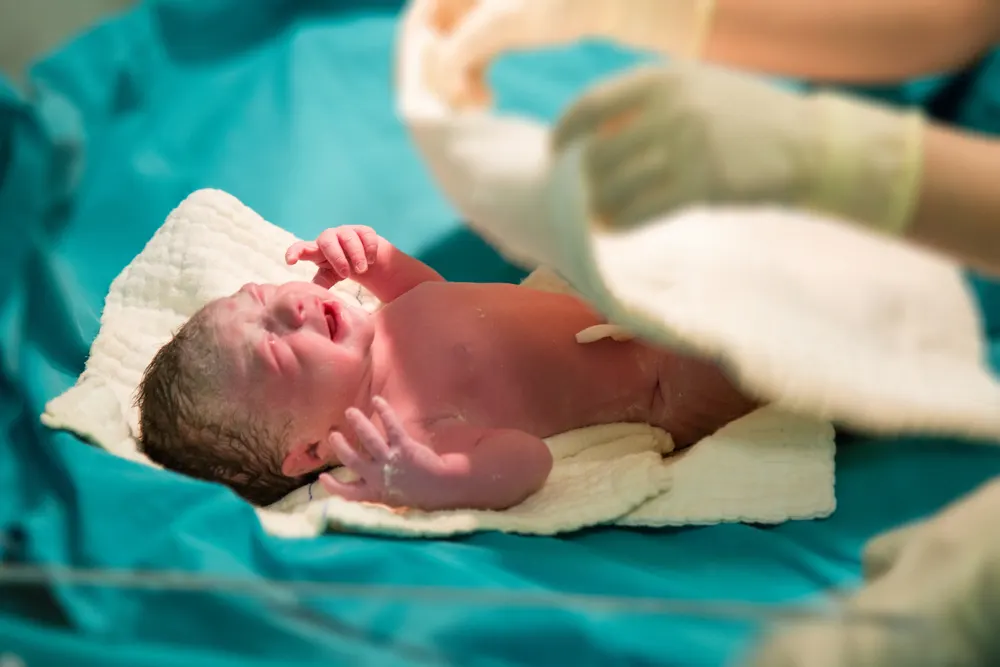
What Is a Cesarean Delivery? When Is It Performed?
Obstetrics & Gynaecology

What Is Abdominal Total Hysterectomy Surgery?
Obstetrics & Gynaecology

What Is the HPV Vaccine? Who Should Get It?
Obstetrics & Gynaecology

What Is Diagnostic Laparoscopy? When and How Is It Performed?
Obstetrics & Gynaecology

What is V-Notes Scarless Surgery (Vaginal Laparoscopy)? Advantages and Recovery Process
Obstetrics & Gynaecology
Conditions Covered
The main conditions within the department’s diagnosis and treatment scope.
- Pregnancy Follow-up
- Molar Pregnancy
- URINARY INCONTINENCE IN WOMEN
- What Are Intrauterine Adhesions (Asherman Syndrome)? What Are the Treatment Methods?
- What Are the Symptoms and Treatment Methods of Fibroids?
- What Are the Symptoms and Treatment Methods of Chocolate Cysts (Endometriosis)?
- What Is Menstrual Irregularity? What Are Its Causes?
- What Is an Ovarian Cyst? What Are the Symptoms?
- What Is Polycystic Ovary Syndrome? What Are Its Symptoms?
- What Is a Premature Baby?
- What Are the Diagnosis and Treatment Methods for Vaginismus?
- Chemical Pregnancy: What Is It? What Causes It? How Is It Treated?
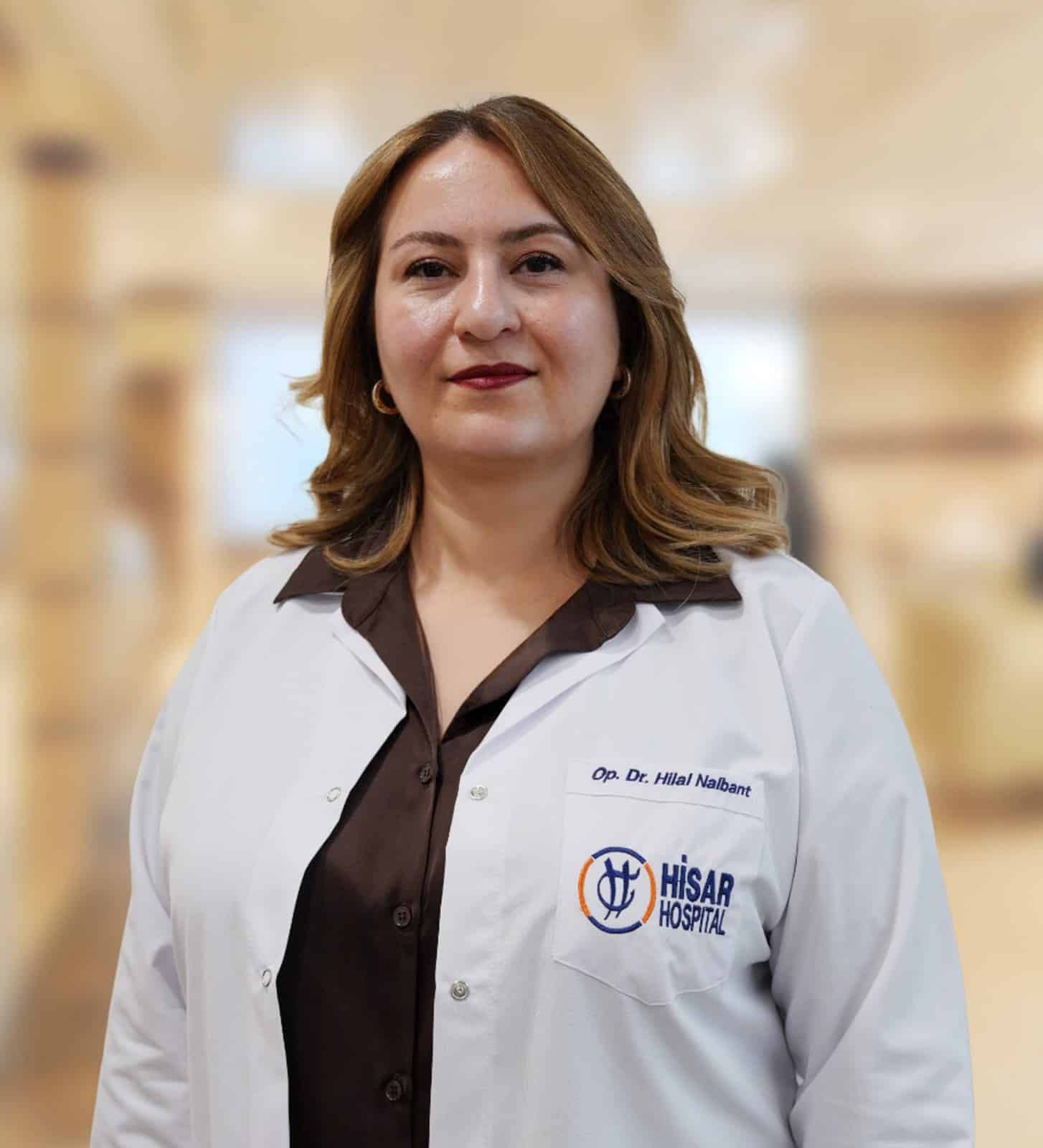
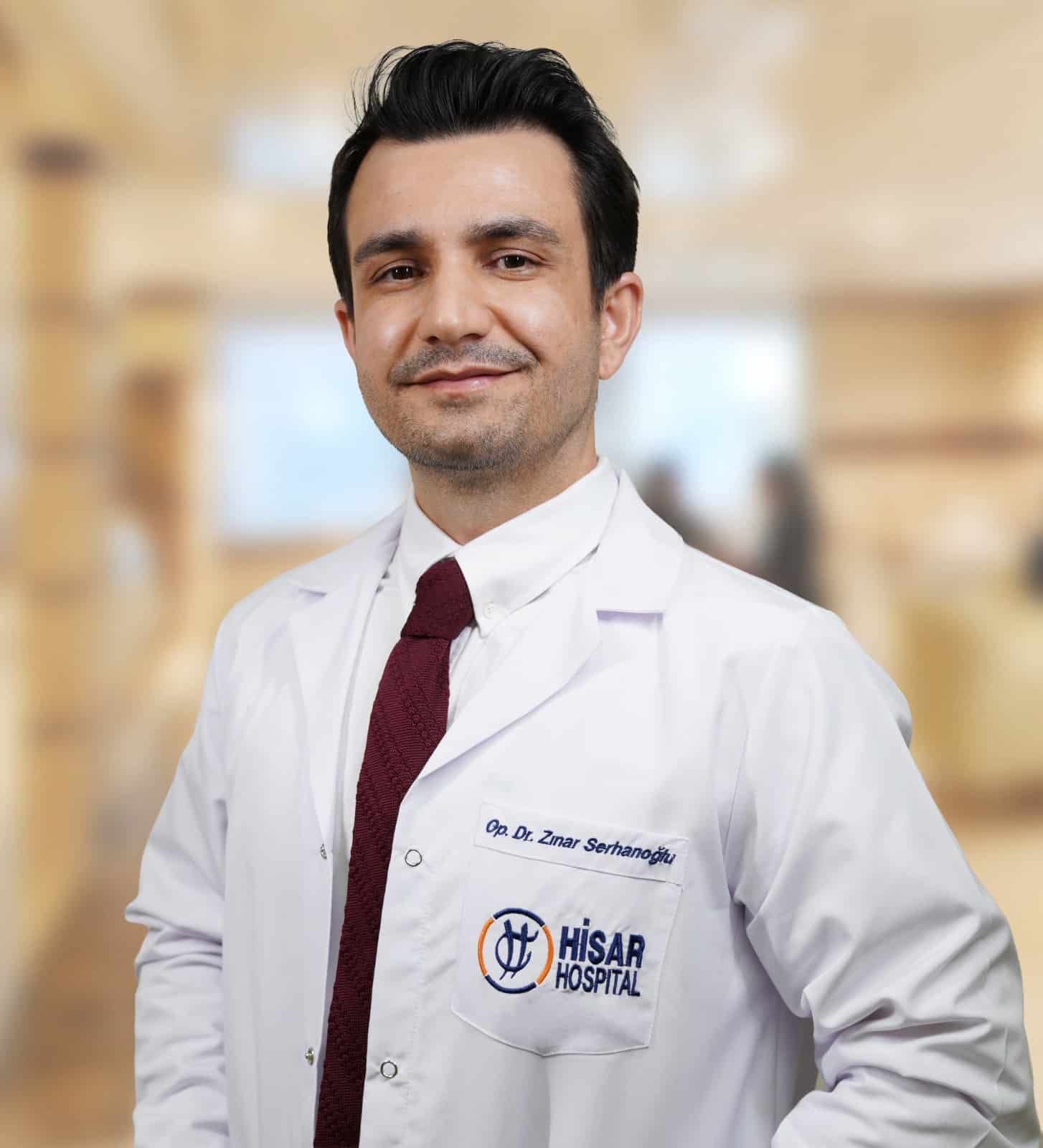
Department Doctors
Our specialist team working in the Obstetrics & Gynaecology department.
Related Videos
Informative videos from our specialists related to the Obstetrics & Gynaecology department.
 1:54
A Blood Test for the Mother Instead of Amniocentesis
 1:46
Births Are a Celebration at Hisar Hospital
 2:10
Let's Write Your Birth Story Together
 0:34
What Are the Signs That Labor Is Approaching?
 32:40
Op. Dr. Esra Tuştaş Haberal Instagram Live: "Gynecology and Pregnancy"
 42:44
Frequently Asked Questions About Cervical Cancer
 34:14
Frequently Asked Questions About Chocolate Cysts / Instagram Live
 9:33
What Is Hysteroscopy in Gynecological Problems?
 24:07
Causes of Infertility in Women & Treatment Methods | Op. Dr. Esra TUŞTAŞ HABERAL
 2:51
Healthy Birth and Pregnancy Process I Surgeon Dr. Esra TUŞTAŞ HABERAL
 13:28
What Is Laparoscopic Surgery? Which Gynecological Diseases Is It Used to Treat?
 1:27
Hisar Hospital Intercontinental Obstetrics and Gynecology Department Is by Your Side
Locations
At Which Hospitals?
The Obstetrics & Gynaecology department is available at the following locations.

Author
Web and Medical Editorial BoardReviewed by a specialist
 Op. Dr. Esra Tuştaş HaberalAesthetic and Cosmetic GynecologyReview date: 31 October 2026
Contact
Obstetrics & Gynaecology Department — Get in Touch
Fill out the form with your questions; our team will call you back as soon as possible.
The Hisar Hospital Web and Medical Editorial Board contributed to the development of this content. All content on this website is provided for general informational purposes only. Please consult a physician for the evaluation, diagnosis and treatment of your condition.
Last Updated: