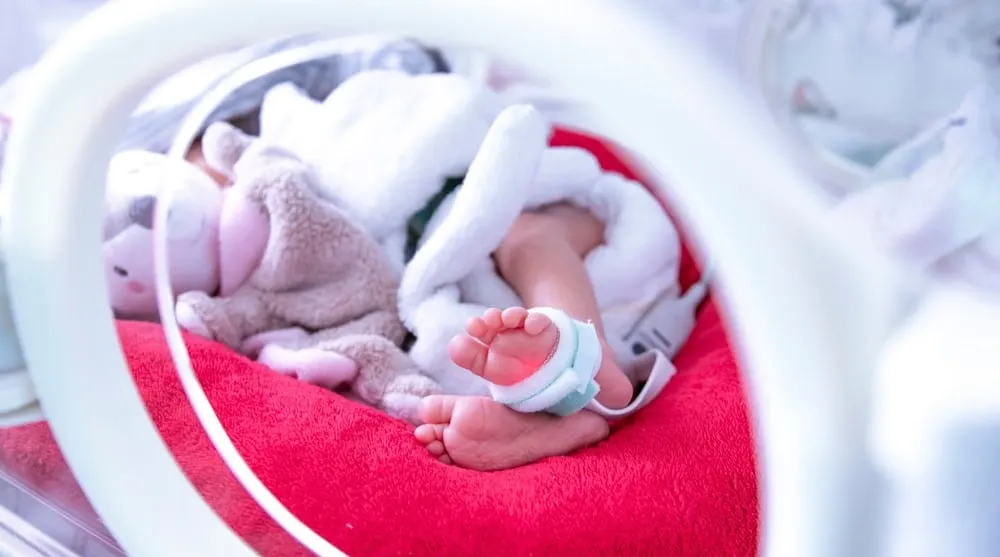
A premature baby is a baby born earlier than expected. Babies born before the 37th week of pregnancy are called premature or, in medical terms, preterm. Under normal circumstances, pregnancy lasts approximately 40 weeks. Premature babies may experience serious health problems, especially when they are born very early. These problems may vary depending on the factors present before the baby is born. In this article, you can find answers to your questions about preterm babies, the characteristics of the baby, and the health of premature babies.
What is a premature baby?
During pregnancy, the baby grows continuously in the mother's womb, including during the final months and weeks. A premature baby (medically, preterm) is a term used for babies born very early, before the 37th week of pregnancy is completed. Because preterm babies are born before they have completed the growth they need in the womb, they are prone to health problems. A premature baby is named according to the period in which it is born:
A premature baby born between the 34th and 36th weeks of pregnancy is late preterm,
A premature baby born between the 32nd and 34th weeks of pregnancy is moderate preterm,
A premature baby born before the 32nd week of pregnancy is a very preterm baby.
Most premature births occur at the late preterm stage. The earlier a premature baby is born, the higher the likelihood of experiencing health problems.
What are the characteristics of a premature baby?
Premature babies have some common general characteristics. However, not every premature baby is the same. Even if your baby is born early, it may not show all of these characteristics. The characteristics mentioned can be listed as follows:
They are usually born with a birth weight of less than 2,500 grams,
The blood vessels in the skin may appear thin, shiny, and pink or red,
Body fat is low,
Scalp hair is sparse, but there may be a lot of lanugo (i.e., soft body hair),
Their cry is weak and they have low muscle tone,
The genitals may be small and underdeveloped.
The cause of a baby's early birth is not always clear, but some known causes are as follows:
Frequently, when there is premature rupture of the membranes,
When the expectant mother contracts an infection such as a urinary tract infection or diarrhea and vomiting,
When there is more than one baby,
When there is a weakness in the cervix of the expectant mother,
Early birth may occur when the expectant mother has a health condition such as preeclampsia (pregnancy toxemia).
There are also some risk factors that can lead the expectant mother to early birth. In the presence of these risk factors, the likelihood of the expectant mother going into early labor increases. The following are risk factors for early birth:
If the expectant mother smokes,
If the expectant mother is overweight or obese,
If the expectant mother's diet is not healthy and balanced,
If more than one baby is expected (for example, most mothers expecting twins or triplets may go into labor before 38 weeks or even earlier), the likelihood of early birth is higher than normal.
For questions about early birth and preterm baby health, you may consider consulting your obstetrician. In addition, Hisar Hospital serves its patients with its experienced and skilled team, patient care that meets international standards, and easy access to on-call physicians.
How is weight monitored in premature babies?
Physicians closely monitor weight gain in all babies, as it is closely linked to development and health. The rate of growth provides information about the baby's development. For example, the development of preterm babies who grow slowly is later compared to normal.
Healthcare staff weigh babies every day in the intensive care unit. It is expected and entirely normal for babies to lose weight during the first few days of their lives. Most of this weight loss is the weight of the water the baby has lost. However, it is very important for most premature babies to begin gaining weight within the first few days after birth. The desired weight gain varies depending on the baby's size and gestational age. Babies who are sicker may need solutions that require higher calorie intake so they can grow at the desired rate.
Preterm babies stay in an incubator until they gain weight consistently, and they can be placed neither in a cot nor discharged from the hospital. Some hospitals maintain that the baby must reach a certain weight before being discharged. However, the prevalence of this practice is gradually decreasing. In general, babies weigh at least 2 kilograms before they are ready to leave the incubator.
Can the premature process be understood in the womb?
Preterm births can occur suddenly, without a known cause. Sometimes, specialist physicians may have to start labor early for medical reasons related to the health of the mother or the baby. In addition, the following causes can also lead the expectant mother to go into early labor:
The expectant mother having chronic health conditions such as diabetes or various infections,
The expectant mother having drug or substance use or alcohol addiction,
Multiple pregnancy, such as with twins or triplets.
Having preeclampsia (a condition known as pregnancy toxemia, associated with high blood pressure during pregnancy),
The presence of problems related to the expectant mother's uterus or cervix,
Very short intervals between pregnancies (less than 18 months),
The expectant mother experiencing vaginal bleeding or infections during pregnancy.
In addition, the medical history and genetics of the expectant mother before pregnancy may also increase the risk of early birth. Some characteristics that may lead to this are as follows:
The expectant mother being Black,
The expectant mother being under 20 or over 40 years of age,
If there is a history of early birth in the expectant mother's family or if she herself was born early,
The expectant mother smoking during pregnancy,
The expectant mother being underweight before becoming pregnant may lead to early birth.
For questions about early birth or the care of preterm babies, you may apply to the nearest healthcare facility or to an obstetrics clinic. Hisar Hospital Çamlıca branch, which has agreements with all private insurance providers and banks, has a high case volume and is very easy to reach.
What is the importance of breast milk for premature babies?
Breast milk is the best food for all babies, and especially for babies born prematurely. Breast milk, which contains proteins that help fight infection, is vital for preterm babies. After a premature birth, most babies initially cannot feed directly from the breast or a bottle. Mothers pump their milk, and healthcare staff give the breast milk to the babies through a tube that passes through the nose or mouth and into the stomach. In this way, the babies are fed. When this cannot be done, the physician may recommend requesting milk from another mother.
If you cannot breastfeed your baby or express milk, physicians may recommend a special infant formula for the baby. Preterm babies need more calories, protein, and other nutrients than babies born at full term. For this reason, your specialist physician may recommend using specially designed preterm formulas to help your baby grow.
A premature baby should be fed slowly because it may develop necrotizing enterocolitis (NEC for short), a serious problem that affects the intestines and is seen in preterm babies.
Some babies with very low birth weight or who are very sick receive their nutrition as intravenous (that is, feeding through a vein) total parenteral nutrition (TPN). Total parenteral nutrition consists of a special nutrient mixture that can support a baby's growth, including proteins, carbohydrates, fats, vitamins, and minerals. At Hisar Hospital, TPN solutions are prepared by physicians.
Doctors and dietitians closely monitor the premature baby's diet and make changes as needed to ensure that the babies receive the nutrients necessary for their growth.
How is the lung of a premature baby protected?
In the first weeks, babies may experience breathing problems as a result of early birth. A premature baby may have difficulty breathing because it is born with lungs that are not yet fully developed. If the baby's lungs lack surfactant (a substance that allows the lungs to expand), the baby may not be able to take in enough air. This condition is called respiratory distress syndrome, and it is a treatable problem.
Babies born early may experience pauses in their breathing. This condition is called apnea. Apnea is a common condition. Babies are expected to be free of apnea problems when they are discharged.
Some premature babies develop a more serious lung disorder called bronchopulmonary dysplasia. This condition is less common. Babies with bronchopulmonary dysplasia may need oxygen for several weeks or months. Although it is serious, babies can usually overcome the problem after treatment.
Frequently Asked Questions:
Preterm babies and early birth can happen to any expectant mother. It is quite normal to have questions about this subject. You may consider consulting your obstetrician for your questions. Later in this article, you can take a look at the most frequently asked questions on the subject. A baby born before the 37th week of pregnancy is called premature. Many different factors affect the health of a premature baby. The month in which the baby is born, the mother's medical history, genetic predispositions, and many other factors affect the baby's health status. For this reason, it is not possible to state a fixed length of hospital stay. If the premature baby cannot suckle, breast milk can be expressed and given to the baby. However, for definitive information on feeding, you may consider consulting your specialist physician. There are many factors affecting the health of a premature baby. In addition, developmental stages also vary from case to case. For this reason, it may not be possible to give a specific age. Breast milk contains proteins that help the baby fight infections. For this reason, it is very beneficial. However, since patients in intensive care may have different needs and problems, consulting a specialist physician on the subject may be helpful. A full-term baby weighs approximately 3.17 kg, while a preterm baby may weigh approximately 2.26 kg or even less. There are many different factors that affect the timing of a baby's birth. These may be related to the number of babies, the mother's medical history, and health status. However, there is no single, definitive cause for the situation. If the expectant mother has preeclampsia, a condition that progresses with high blood pressure, the baby is more likely to be born prematurely. For questions about early birth and premature babies, you may consider consulting an obstetrician.
Start with the right assessment for What Is a Premature Baby?
Share your symptoms with our specialist physicians; let us determine the right diagnosis and treatment plan together.
Warning
If your symptoms started suddenly, are progressing rapidly, or significantly restrict your daily life, consult a physician without delay.
Plan your What Is a Premature Baby? journey with our specialists.
Fill in the form or book an appointment to learn about treatment options, the process and preparation.