

IVF
IVF is not only the work of the doctor or the embryologist; it is teamwork. The main role belongs to the couple. As doctors, embryologists, nurses, staff and patient advisors, our whole team supports couples with our scientific knowledge, skills and human touch, moving forward together as a strong and experienced team towards a solution.
About the Department
The scope, approach and highlighted services of the department.
About Us
We are working to help you receive life's most precious gift.
In our IVF unit, a personalised approach and respect for every individual come first. From the moment you arrive at our unit, our entire team is ready to help you feel at home. Aware of the challenges and stress you are going through, our team strives to make every procedure easy and understandable for you. It should not be forgotten that stress and tension, which cause many health problems, can also have a negative effect on couples undergoing IVF treatment. Conscious of this, our unit staff do their best to support you in every respect. Couples who are informed at every step of the treatment process feel more at ease. Our department evaluates couples who are unable to conceive and, based on the results, offers up-to-date treatments.
JOINT COMMISSION
Through its compliance with internationally recognised standards, our hospital is one of the few hospitals to have taken its place among the world's leading healthcare organisations holding JCI accreditation.
Treatment Options
Insemination (IUI) is a natural fertility treatment that can increase the chance of pregnancy for couples who are unable to conceive or have difficulty conceiving. The procedure requires outpatient clinic conditions. Read more
In short, IVF treatment refers to the combined procedures of bringing together sperm and egg cells taken from couples who cannot conceive naturally, fertilising them in a laboratory environment and placing them in the mother's uterus. Read more
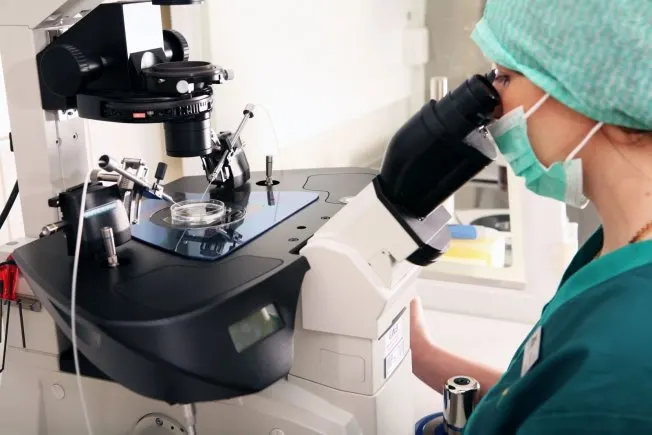
Microinjection (ICSI) is the injection of a sperm into an egg. With this procedure, performed in the laboratory, fertilisation is expected in 40–70 percent of mature eggs, depending on egg and sperm quality. Read more
Using sperm examined under very high microscopic magnification in the microinjection procedure is known as IMSI, i.e. sperm microinjection.
Compared with IVF treatment and standard microinjection, this procedure allows a more detailed morphological examination to select better-quality sperm cells. Read more
Blastocyst transfer, introduced with advancing technology, is one of the advanced IVF methods.
In a naturally occurring pregnancy, the single-cell embryo formed by the union, i.e. fertilisation, of the egg and sperm cells travels through the tubes approximately 5–6 days after fertilisation to attach to the mother's uterus. At this stage, the embryo, which has grown in volume and emerged from its surrounding membrane, is called a blastocyst. Read more
Supportive Treatment Methods
In IVF treatments, the embryos obtained after fertilisation are placed in the mother's uterus, where they continue to grow and develop. However, in some cases pregnancy does not occur even when the best-quality embryo is transferred. One of the reasons for this is that the membrane surrounding the embryo does not rupture and the embryo cannot attach to the uterus. Read more
The pregnancy vaccine, one of the latest technologies in IVF treatment, helps the uterus accept the pregnancy more easily. With this procedure, the uterus is stimulated and prepared for pregnancy before the embryo transfer, thereby increasing the embryo's chance of implantation. Read more
Performing two or more egg retrieval procedures before transferring embryos to the mother's uterus and freezing the embryos obtained in this way is called the pooling method. Depending on the treatment programme, the pooled embryos are thawed and transferred into the uterus. Read more
The final stage of the IVF process, in which the embryo formed by the fertilisation of the egg and sperm is transferred to the mother's uterus, is called embryo transfer. To increase the chance of pregnancy, the highest-quality embryos must be selected and transferred at the right time. Read more
Two main methods stand out for preparing sperm in IVF treatments: centrifugation and swim-up.
Centrifugation can cause the formation of reactive oxygen species (ROS) in sperm cells and may also cause some damage to the DNA structure. On the other hand, the microfluidic sperm sorting chip, which requires no centrifugation, can prevent this damage, and the resulting high-quality embryos can increase pregnancy rates. Read more
Surgical Sperm Retrieval
Azoospermia is the most advanced form of male infertility, a condition in which no sperm is present in the semen. In men with this condition, surgical methods are used as a last resort. Micro-TESE surgery is one of these methods. Read more
Hysteroscopy and laparoscopy are among the countless diagnostic and treatment options that technological progress offers to medicine and patients today. They are also among the most modern diagnostic and treatment methods in use. Read more
Fertility Preservation
Thanks to egg freezing, now one of the established IVF procedures, it has become possible to collect a woman's eggs and store them so that she can have children in the future. Read more
Sperm freezing is the freezing of sperm samples taken from a man in a laboratory environment for use in IVF treatment in later years.
Embryos obtained by fertilising sperm and egg samples collected from the parents in the laboratory are transferred to the mother's uterus. However, in IVF attempts, a maximum of 2 embryos can be transferred to the mother. The remaining embryos can be frozen and stored using the embryo freezing method for use in subsequent procedures. In this way, more than one chance of pregnancy is obtained from a single cycle. In Türkiye, embryos can legally be stored for 5 years. Read more
IVF with Genetic Screening
With today's advanced technology, it has become possible to diagnose many hereditary diseases before embryos are placed in the mother's uterus. Preimplantation Genetic Testing, or PGT for short, is a technique that allows embryos to be examined genetically. Read more
Array Comparative Genomic Hybridisation, or aCGH, is a technology used to carry out comprehensive genetic screening of embryos before transfer, thereby enabling the selection of suitable embryos.
OUR TEAM
ÖZGE TUTAK SERTKOL
BIOLOGIST
FİLİZ BAYZİN
IVF
NURSE
SENA UZUNER
IVF
NURSE
HÜLYA KANDEMİR
IVF
COORDINATOR
ZARİF DELETİOĞLU
IVF
PHYSICIAN ASSISTANT
We are working to help you receive life's most precious gift.
Sub-departments & Units
Clinics, centers and units within this department.
Diagnostic Methods in Male Infertility
1- Semen Analysis (Spermiogram) It is the first of the tests to be performed in male infertility. Since many factors such as smoking, alcohol, heat, medications and infections affect sperm production…
What Is Infertility?
Infertility is defined as the inability to conceive within 1 year of regular sexual intercourse without using any contraception. Approximately 15% of married couples experience this problem…
Infertility Treatment
Every couple who applies to our center with the wish to have a child is evaluated in detail; after diagnosis through appropriate tests, the suitable treatment method is determined. This treatment…
Diagnostic Methods in Female Infertility
x
Causes of Infertility in Women
Ovarian, tubal, uterine and cervical causes of infertility in women, including ovulation disorders, tubal blockage, uterine abnormalities and cervical mucus factors.
Infertility (Subfertility) Tests
Infertility Treatment Is Individualized. Many couples are eager to start treatment when they apply to our clinic for treatment. In this…
Special Procedures
Embryo Cryopreservation: In the cycle in which IVF treatment is performed, surplus good-quality embryos remaining after the transfer of good-quality embryos to the patient…
Sperm Disorders
In about half of couples who cannot have children, the cause may be related to the male partner. In line with research by the World Health Organization, sperm count and quality in men are steadily being adversely affected worldwide…
Treatment Methods
The main treatments and procedures performed in our department.
Department Doctors
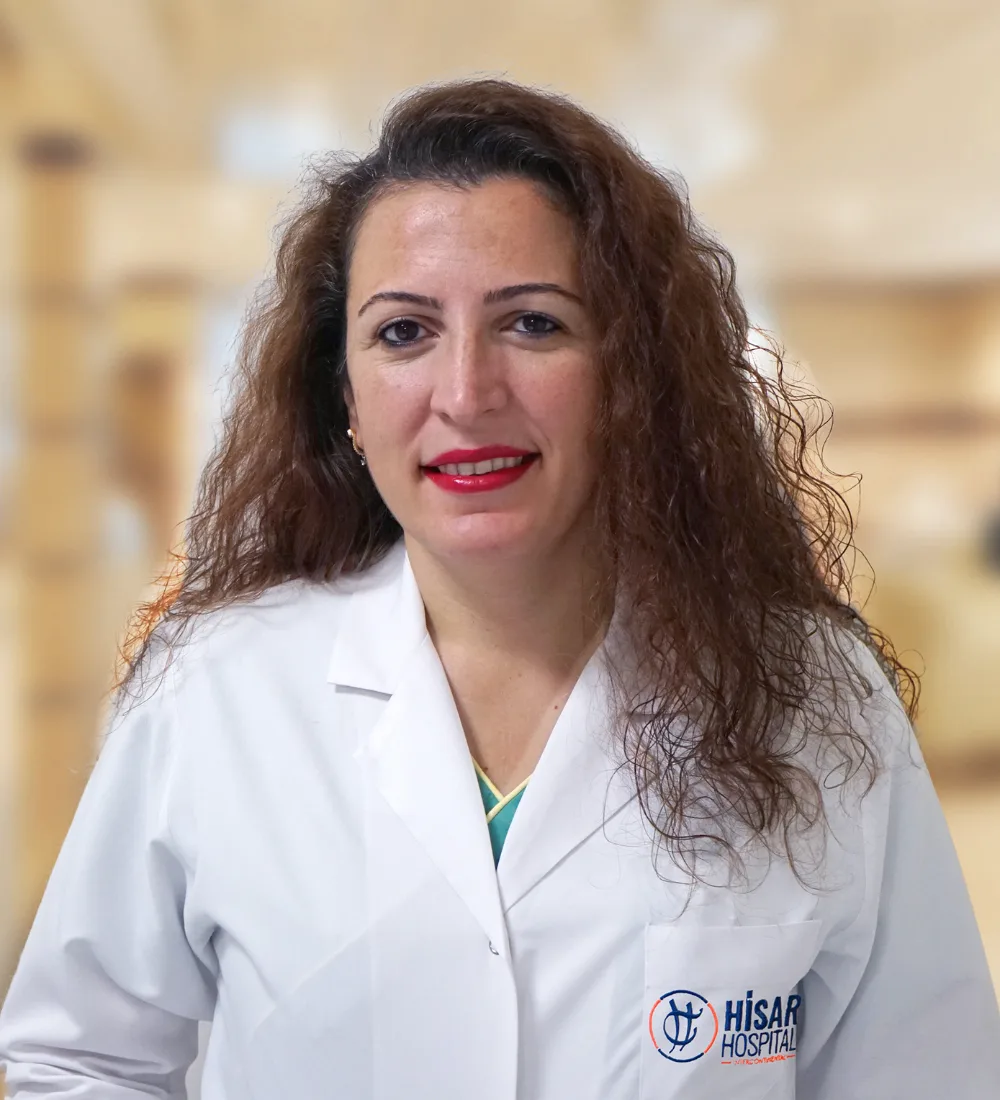
Our specialist team working in the IVF department.

Related Videos
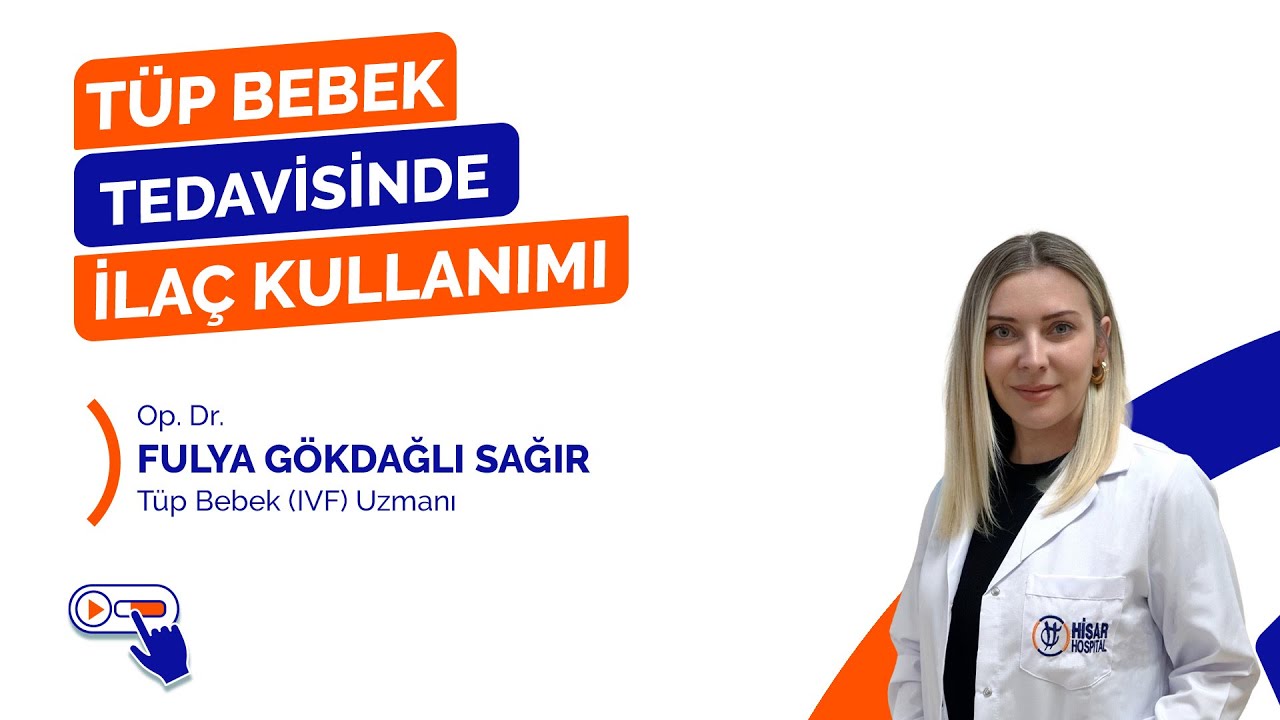
Informative videos from our specialists related to the IVF department.


Locations
At Which Hospitals?
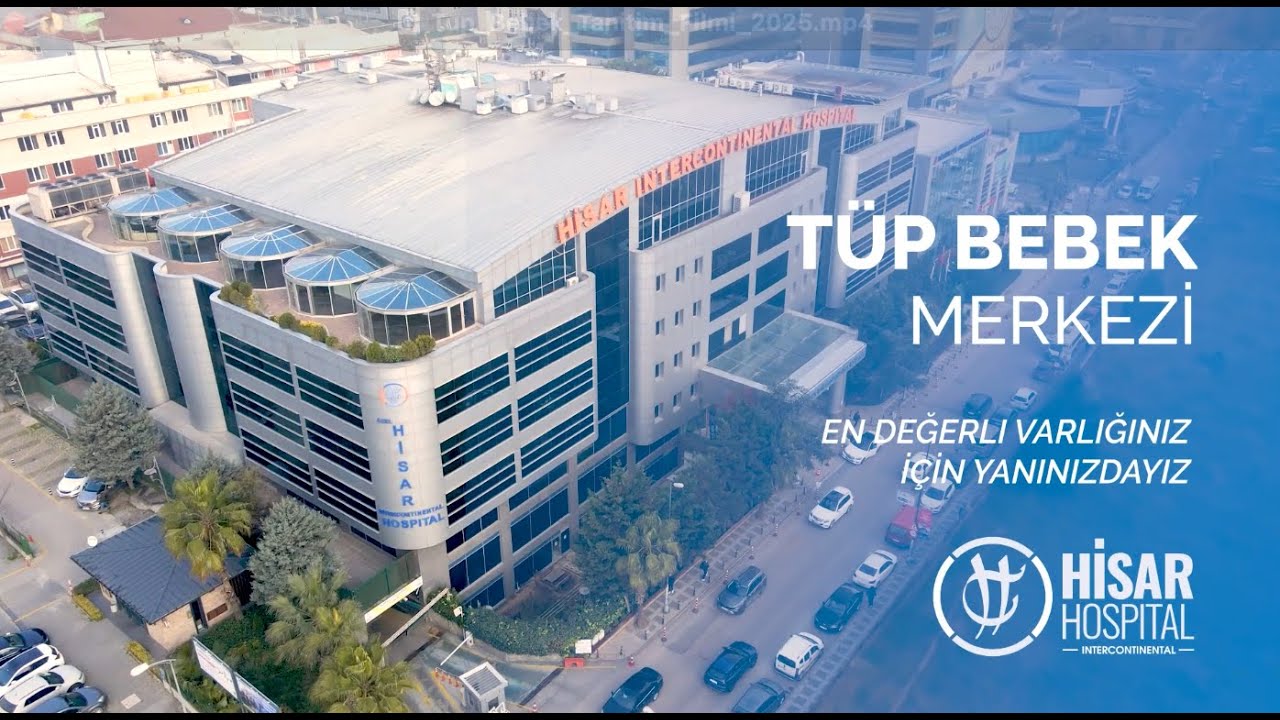
The IVF department is available at the following locations.

Author
Web and Medical Editorial BoardReviewed by a specialist
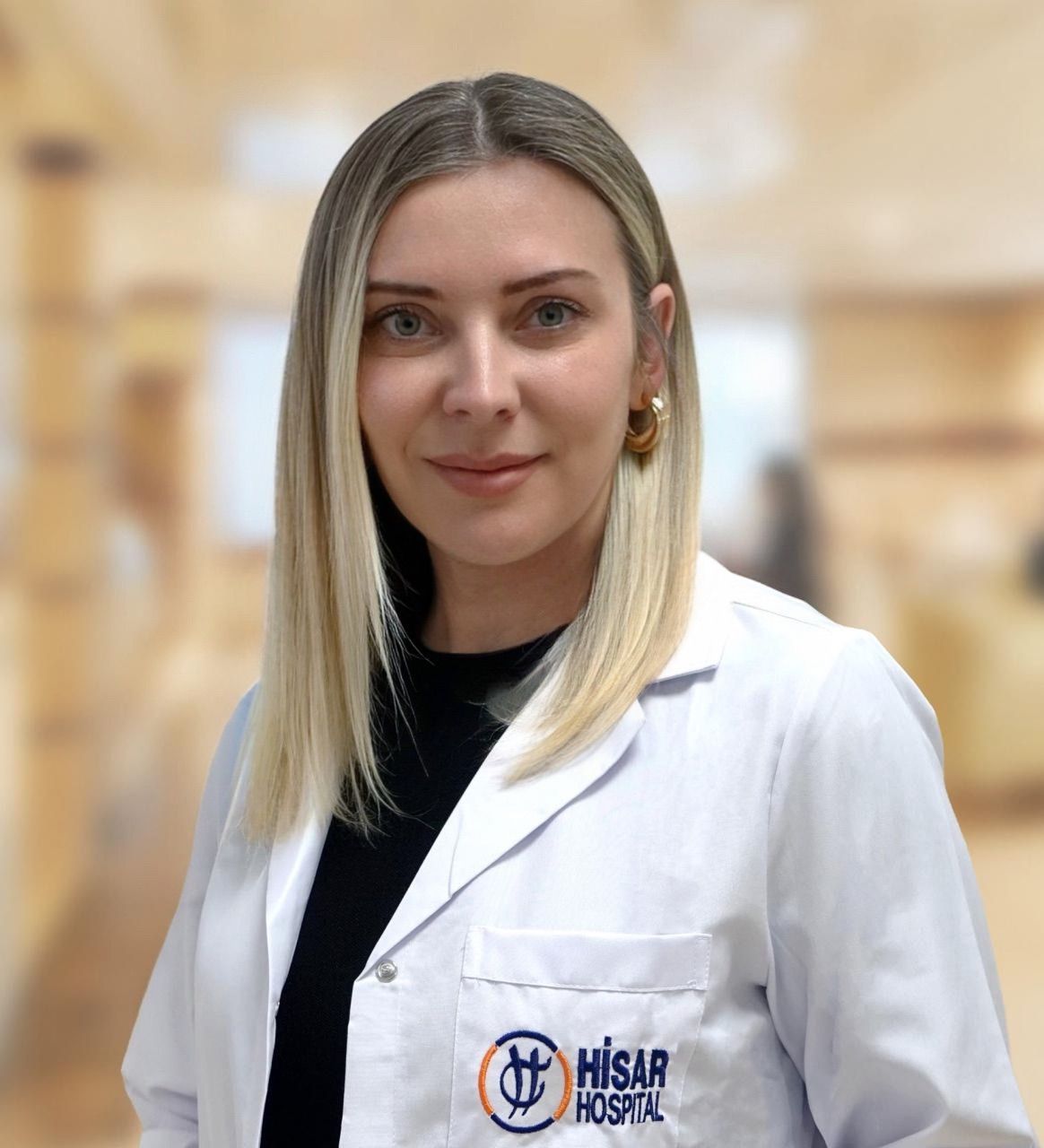 Asst. Prof. Dr. Fulya Gökdağlı SağırIVFReview date: 31 October 2026
Contact
IVF Department — Get in Touch
Fill out the form with your questions; our team will call you back as soon as possible.
The Hisar Hospital Web and Medical Editorial Board contributed to the development of this content. All content on this website is provided for general informational purposes only. Please consult a physician for the evaluation, diagnosis and treatment of your condition.
Last Updated: