

Thanks to the microinjection method, more than 3 million families in Turkey have had children. In fact, microinjection offers a much higher chance of fertilization than classic IVF applications, and pregnancy success rates range between 50% and 80%.
So what is microinjection, and what is the difference between IVF and microinjection? In this article, you will find what the microinjection ICSI method is, who it is used for, how it is performed, and all the details you are wondering about.
What Is Microinjection (ICSI)?
Definition of the ICSI Method
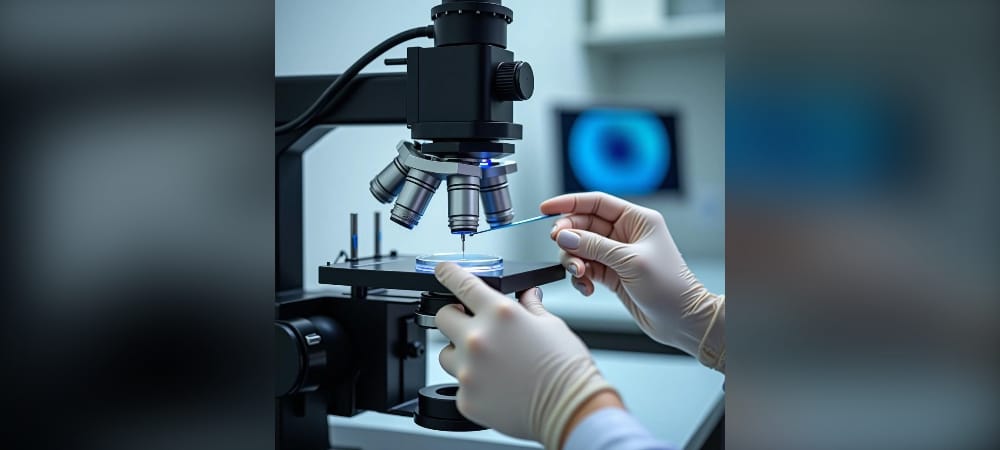
The basic principle of the procedure is as follows: A single sperm held under a microscope with special glass needles is injected into the egg cytoplasm. In other words, the healthiest and best selected sperm cell is taken and placed inside the egg.
It is a technique used in the fertilization stage of IVF treatment. While in the classic IVF method the sperm is expected to fertilize the egg on its own, in the microinjection method the healthiest sperm is injected into the egg.
The fertilization process is performed approximately 2-4 hours after the eggs are collected. During the procedure, a special tool called a micromanipulator is used. The cells surrounding the eggs are cleaned, the egg is held with a stabilizing pipette, and the sperm is placed into the egg with a very thin needle.
The microinjection procedure takes an average of 15-20 minutes. For this reason, it is considered an easy and short procedure. Fertilization is checked under a microscope 16-18 hours after the procedure.
Microinjection Applications in Turkey
In Turkey, the microinjection method is used more commonly than the classic IVF method. The microinjection method was first applied in Turkey in 1992.
Because the microinjection method has a higher success rate, it has been increasingly preferred in IVF treatments in recent years. The microinjection method is especially used in patients with low sperm counts or in couples who have had fertilization failure in previous IVF attempts.
Difference Between IVF and Microinjection
How Does the Classic IVF Method Work?
In the classic IVF method, the collected eggs are placed in a petri dish in the laboratory. Sperm cells are placed around the egg and natural fertilization is expected. Approximately 50,000 to 100,000 motile sperm are placed for each egg.
The sperm is expected to fertilize the egg on its own. In this method, the sperm demonstrates its own ability to cross the egg membrane and enter the cell.
In classic IVF, fertilization occurs through natural selection. The sperm must reach the egg on its own. The fertilization rate depends on sperm quality. When sperm parameters are suitable, classic IVF is a less invasive fertilization approach.
The Fertilization Process in the ICSI Method
In the microinjection method, embryologists use a special fine needle to inject a single sperm directly into the cytoplasm of the egg. The sperm is placed directly inside the egg. In this way, the sperm’s process of penetrating the egg membrane and entering the egg is completely bypassed.
With the microinjection method, the fertilization rate is around 80% when ejaculated sperm is used. In patients in whom sperm is obtained by the TESE/PESA method, the fertilization rate is at the level of 65-70%. Which Method Is Preferred in Which Situations?
The choice of method is determined according to the woman’s age, ovarian reserve, sperm quality, previous attempts, and overall reproductive history. When sperm quality is high, the classic IVF method is preferred. In cases where sperm count and quality are relatively low, microinjection is preferred.
Situations in which classic IVF is preferred:
• If sperm count and quality are normal
• In cases with open tubes and unexplained infertility
Situations in which microinjection is preferred:
Microinjection is preferred in cases with severe male factor. ICSI may be preferred in couples who have had fertilization failure or a very low fertilization rate in a previous classic IVF cycle.
In situations where ovarian reserve is reduced or only a small number of eggs can be obtained due to advanced maternal age, microinjection is preferred to maximize the fertilization chance of each egg.
In many centers, microinjection is applied as the first choice. The reason is that it provides a more controlled fertilization.
Female-Related Indications
In cases with a limited number of eggs, microinjection is preferred to reduce the risk of losing fertilization. In situations where ovarian reserve is reduced or only a small number of eggs can be obtained, it is necessary to maximize the fertilization chance of each egg.
ICSI is used for fertilizing cryopreserved eggs. This method is also preferred for fertilizing oocytes matured outside the body. Some structural abnormalities of female egg cells and membrane abnormalities called zona pellucida surrounding the egg cell are among the indications for microinjection.
Previous IVF Failures
Microinjection is performed in couples who have previously experienced fertilization failure. In couples who had fertilization failure or a very low fertilization rate in a previous classic IVF cycle, ICSI may be considered to increase the chance of fertilization.
In the traditional IVF method, the egg and sperm are brought together in the laboratory and the natural fertilization process is awaited. However, in some cases, although the egg and sperm appear healthy, fertilization may not occur. In this case, the microinjection method comes into play and significantly increases the chance of fertilization.
ICSI may be applied in selected patients with unexplained infertility at the specialist’s discretion. Microinjection is an important alternative for couples with repeated IVF failures.
Situations Requiring Genetic Diagnosis
Microinjection is preferred in couples known to be carriers of hereditary diseases. If preimplantation genetic testing (PGT) is to be performed, ICSI is required. A single sperm is injected into each egg, and possible confusion caused by external factors is prevented.
PGT is not routinely applied to every couple. It is often recommended for couples with a genetic disease or for couples found to be carriers of a hereditary disease who wish to have a healthy child. PGT is recommended in cases of severe male infertility.
Microinjection is applied for genetic screening in couples with repeated miscarriages and repeated IVF failures. PGT is also recommended in advanced maternal age in order to increase the couple’s IVF success.
How Is Microinjection Performed?
Preparation Phase and Tests
The tests performed before starting microinjection treatment make it possible to personalize the treatment plan. For the woman, hormonal evaluation, ovarian reserve measurement, infection screening, and general blood tests are performed. The male partner’s sperm sample is analyzed, and the semen volume, density, sperm count, and motility rate are evaluated.
The treatment protocol is decided by considering the woman’s hormone values, age, and infertility history. Ovarian stimulation treatment begins on the second or third day of menstruation. The ovaries are stimulated with hormonal medications, and this process takes about 8-10 days. During this period, egg development is monitored with ultrasound and blood tests.
Egg Retrieval Process
When the eggs reach 18-20 mm in size, a trigger injection is administered. Egg retrieval is performed on average 34-36 hours after hCG administration. The OPU procedure is performed by entering the ovary with a needle under vaginal ultrasound guidance.
During egg retrieval, general anesthesia is administered and the patient is prevented from feeling any pain. The procedure takes about 15-20 minutes. The collected eggs are examined in detail in the laboratory and the mature ones are identified. An egg may not be found in every follicle; an egg is present in approximately 80% of them.
Sperm Selection and Preparation
On the day of egg retrieval, a sperm sample is collected from the male partner. The sperm sample is collected into a special container through masturbation. A sexual abstinence period of 2 to 5 days is requested before the sperm sample is provided. If sperm is not found in the semen, sperm is obtained with the Micro TESE method.
The sperm preparation process ensures that motile and healthy sperm are selected. The most commonly used methods are swim-up and density gradient methods. With the density gradient method, the sperm with the best motility and proper morphology are selected. The sperm with the best morphology is selected and prepared for microinjection.
Injection Procedure Step by Step
The cumulus cells surrounding the eggs are removed. The egg is held with a stabilizing pipette. The selected sperm cell is injected into the egg with the help of a special device called a micromanipulator.
Although the procedure varies according to the total number of eggs, it is completed in about 15-20 minutes. Once microinjection is finished, the eggs are placed into a special culture medium and transferred to the incubator. 16-18 hours after the procedure, the eggs are examined under a microscope to determine whether fertilization has occurred.
Embryo Follow-Up and Transfer
The appearance of 2 pronuclei in fertilized eggs indicates that the procedure has been successful. 96-97% of fertilized eggs divide and show embryo development. Embryos can be transferred to the uterus on day 3 or day 5.
The number of embryos to be transferred is determined by considering the woman’s age and previous unsuccessful IVF attempts. Embryo transfer is a short procedure that takes 5-10 minutes. The transfer procedure is no different from a very simple examination and does not require anesthesia. A pregnancy test is performed 10-12 days after transfer to obtain the result.
Frequently Asked Questions About Microinjection
What Is the Success Rate of Microinjection?
The success rate of microinjection is approximately 80%. This rate refers to the fertilization success of the eggs. In IVF treatments, microinjection is the procedure with the highest fertilization success.
Because the highest-quality sperm is selected and fertilization is performed with this sperm, the success rate of the procedure is high. In the classic IVF method, the success rate is lower because the sperm must fertilize the egg spontaneously.
However, fertilization and pregnancy are not the same thing. The fertilization rate varies between 50% and 80%. Not all of these fertilizations may result in pregnancy. The mother’s age and ovarian capacity are the most important factors affecting success.
In women aged 35 and under, success is around 40%. As age increases, these rates decrease. At the age of 40 and above, the success rate decreases by half.
How Much Does Microinjection Cost?
Microinjection prices are included in the IVF treatment price, so no additional microinjection fee is paid. In many IVF centers, no extra fee is charged to patients for the microinjection procedure.
Treatment in Istanbul takes about 15 days. The cost of IVF treatment with ICSI in Istanbul is around €2,250. This price includes ovarian stimulation, ultrasound examinations, egg retrieval, general anesthesia, microinjection, and embryo transfer.
The treatment cost varies depending on the clinic, the medications used, and the number of cycles required. In addition, additional procedures such as genetic tests may increase the cost.
Is Fertilization Guaranteed?
In the microinjection technique, the sperm is placed inside the egg cell using microscopic methods, but fertilization cannot be guaranteed. The quality of the sperm and egg are major factors in whether fertilization occurs.
The ICSI procedure should not be thought of as guaranteeing that 100% of eggs will fertilize and that high-quality embryo formation is certain. Scientific studies show that with the ICSI technique, the fertilization rate of eggs varies between 50% and 80%.
When ejaculated sperm is used, the fertilization rate is around 80%, while with sperm obtained by the TESE/PESA method, the fertilization rate is at the level of 65-70%. Fertilization may not occur in every egg.
Is There a Risk of Identical Twins?
The rate of twin pregnancy in IVF treatment is higher than in naturally occurring pregnancies. Twin pregnancy usually occurs as a result of transferring more than one embryo.
Even in single embryo transfers, twin pregnancy can occur. Identical twins may form as a result of the single embryo splitting into two. The monozygotic twin pregnancy rate constitutes approximately 1-2% of all IVF cases.
The probability of a couple conceiving twins spontaneously is approximately 1 in 80-90 pregnancies. The probability of this being identical twins is 0.3-0.4%. The twin pregnancy rate varies depending on the number of embryos transferred.
What Are the Side Effects and Risks?
The microinjection method is generally a safe treatment method. However, there are some risks. Ovarian hyperstimulation, the risk of infection, and the risk of miscarriage may be mentioned.
In the first stage of treatment, side effects such as headache, vaginal discharge, a feeling of warmth, and breast tenderness may occur. Ovarian hyperstimulation syndrome may rarely occur due to hormonal medications.
During the egg retrieval stage, bleeding in the ovaries or complications in other organs may occur. There is a risk of infection during needle injection. This risk is minimized when hygienic conditions are observed.
Not all fertilized embryos may develop healthily. Even if pregnancy occurs, continuation of the pregnancy is not guaranteed. These risks can be minimized in experienced centers and by specialist doctors.
In Summary, Microinjection
The microinjection method is a reliable treatment option that has enabled millions of couples to have children today. This technique has been revolutionary especially in cases of male factor infertility, and it offers higher fertilization rates than the classic IVF method.
The success rate depends on many factors. The mother’s age, egg quality, and sperm parameters directly affect the outcome. Every couple’s situation is different, and the treatment plan should be prepared individually.
Before starting microinjection treatment, you should definitely consult an experienced specialist. Choosing the right center and a comprehensive evaluation are the most important steps on your journey to reaching your baby.
Contact
Get information about "What Is Microinjection (ICSI)? How Is It Performed?"
Fill out the form for your questions; our team will call you shortly.
