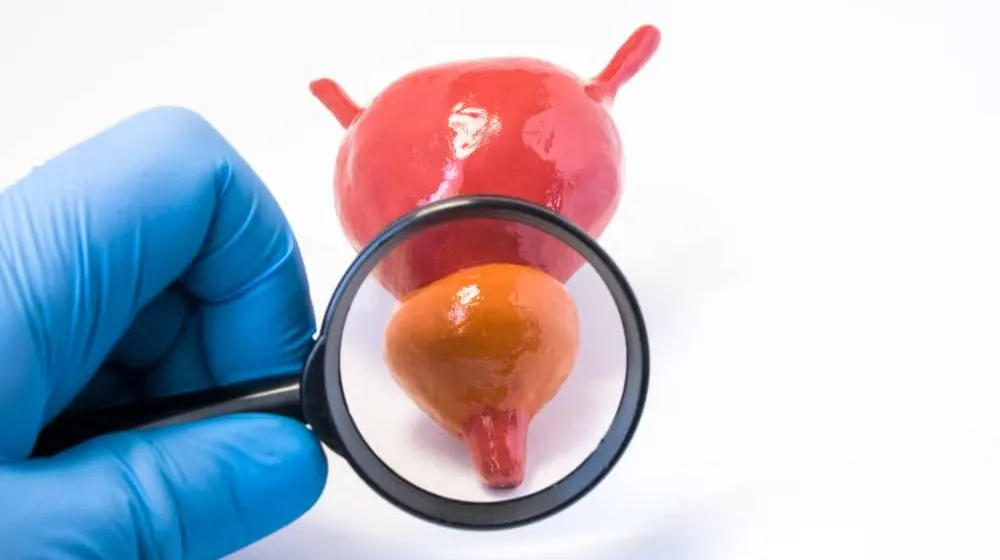
TUİP (transurethral prostatic incision) surgery is a minimally invasive procedure performed on the prostate gland. It is a surgical intervention generally used to treat a benign enlargement of the prostate known as BPH (benign prostatic hyperplasia). TUİP is effective in young men who have urinary problems caused by BPH and concerns about infertility, meaning sterility. It is generally suitable for patients with a prostate volume under 30 ml and a diagnosis of elevated bladder size whose complaints do not resolve with medication. BPH is one of the most common urological problems in men and generally affects men aged 50 and over. TUİP is a method frequently performed in the surgical treatment of this condition because of its advantages.
Whether TUİP surgery is performed can only be decided by doctors, depending on the condition of the individual and the disease. Since every patient is different, the effectiveness of TUİP may vary from person to person, and the success rate may vary depending on factors such as prostate size, symptom severity, underlying health condition and surgical skill. Therefore, for more information and an individual evaluation, it is necessary to consult a urology specialist about TUİP surgery.
What Is TUİP?
This method may be preferred when BPH (benign prostatic hyperplasia), which arises from enlargement of the prostate gland, blocks urine flow or causes symptoms. TUİP is not a suitable method for large prostates. It is typically used to treat milder cases of prostate enlargement and is generally performed on individuals with a prostate under 30 gr.
The TUİP procedure is considered a minimally invasive procedure compared to other surgical options for BPH. Because the surgical intervention is minimal, the operation time and the recovery time afterward are shorter. Thanks to this method, the symptoms of BPH can be alleviated and urinary problems can be relieved as urethral pressure decreases. The advantages of TUİP include less bleeding, a shorter hospital stay, a faster recovery process and a lower risk of serious complications. In addition, TUİP surgery may affect sexual functions less than alternative surgical options.
How Is TUİP Performed?
In TUİP surgery, a resectoscope, a surgical instrument, is inserted through the tip of the penis into the tube that carries urine from the bladder (urethra). The surgeon makes one or two small grooves in the area where the prostate and bladder meet (bladder neck) to widen the urinary canal and allow urine to pass more easily.
The procedure is short, and the hospital stay usually lasts one day. During the recovery process, mild symptoms such as temporary discomfort in the urinary tract and burning during urination may be experienced. The steps of how TUİP surgery is generally performed are as follows:
Pre-procedure preparation: Before surgery, it is important to follow the instructions given by the relevant doctor. Completing the recommended tests, stopping blood-thinning medication a few days in advance if it is being used, and properly following the pre-operative preparation process are necessary.
Anesthesia: TUİP surgery is performed under general or spinal (lower back) anesthesia. Although the anesthesia method varies depending on the doctor's preference and the patient's condition, in most cases only regional numbing is provided with spinal anesthesia.
Making the incision: During the procedure, the doctor makes an incision in the lower part of the prostate to open the urethra. This is generally done endoscopically (closed) through the tip of the penis.
Examining the prostate tissue: After the incision is made, the doctor may use a special instrument to see the prostate tissue better. This instrument provides images of the area where the procedure will be performed and gives the doctor better guidance.
Opening the inner part of the prostate: After the incision is opened, the inner part of the prostate is generally exposed to small cuts using an electrical or laser device. These cuts aim to improve urine flow by reducing the internal pressure of the prostate gland.
Completing the procedure: After the cuts in the inner part of the prostate gland are made and minor bleeding is brought under control, the procedure is concluded by inserting a catheter.
Who Is TUİP Performed On?
TUİP is generally performed on male patients with symptoms caused by enlargement of the prostate gland, commonly known as benign prostatic hyperplasia, and on young men with a small prostate who are suspected of having infertility. BPH occurs as the prostate gland enlarges with the aging process and causes various difficulties in urination. In general, some of the situations in which TUİP is applied are as follows:
Urgent and frequent need to urinate
Straining while urinating
Slow urine flow
Increased urination at night
Intermittent urine flow
Urinary incontinence
Inability to urinate at all
Feeling that the bladder has not emptied completely
Recurrent urinary tract infections
Kidney and bladder damage
Formation of bladder stones
Blood in the urine
TUİP is an effective treatment option for the treatment and prevention of the complaints mentioned above. However, since every patient is different, the decision on surgery may be determined by the doctor according to the individual situation.
What Are the Disadvantages of the TUİP Method?
TUİP is a safe method used in the treatment of prostate diseases; however, it may have some disadvantages. TUİP is a surgical method with limitations in terms of applicability, depending on the size of the prostate gland and the patient's condition. For example, in large prostate glands or in frequently recurring symptoms, more invasive surgical options such as hoLEP/thuFLEP may be preferred. Some of the disadvantages of the TUİP method can be stated as follows:
Recurrence: Because TUİP is more invasive than other surgical methods and the entire prostate is not removed, symptoms may reappear due to regrowth of the prostate. The recurrence rate of the surgery may vary depending on the size of the prostate gland and the patient's condition.
Incomplete removal of the prostate: TUİP aims to reduce the internal pressure of the prostate through cuts made in the inner part of the prostate gland. However, since this procedure does not allow the prostate gland to be removed completely, it may not be effective in patients with a large prostate gland, and other surgical methods may be needed.
Sexual side effects: After TUİP surgery, sexual dysfunction may occur in some patients with a very low probability. In rare cases, ejaculation problems such as retrograde ejaculation (semen flowing back into the bladder) or a decrease in the amount of semen may occur. These conditions are generally temporary and tend to improve over time.
Risk of urinary incontinence: After TUİP surgery, urinary incontinence (a problem of urine leakage) may rarely occur. This is generally a temporary condition and improves over time.
Doctors recommend the most suitable treatment option by evaluating the patient's condition and symptoms. Being informed in advance about the advantages and disadvantages of treatment options may help you feel more at ease about the decision to have surgery.
What Are the Side Effects and Complications of the TUİP Method?
As with any surgical procedure, TUİP may also cause some potential side effects and complications. The risk and severity of the procedure are not the same for everyone and may vary from person to person. Some of the possible side effects are as follows:
Bleeding: Bleeding may occur for several days after the TUİP procedure. It usually starts as mild or moderate bleeding and in most cases stops on its own.
Urinary tract infection: Urinary tract infection is a common condition seen after any prostate surgery, and there is a risk of urinary tract infection after TUİP as well. After surgery, the risk of infection increases as the length of time the catheter remains in the penis increases. Treatment of a urinary tract infection may require the use of antibiotics.
Temporary difficulty urinating: Temporary difficulty urinating may be experienced for several days after the operation. To ease this condition, a catheter, also known as a sonda, may be inserted into the penis for a short period.
Urinary incontinence: Urinary incontinence may rarely occur after TUİP. This condition arises as a result of a temporary disruption of the urine-retaining mechanism. Urinary incontinence resolves over time in most patients.
The side effects and complications mentioned above may occur during or after the TUİP procedure. The side effects mentioned are generally temporary and tend to resolve on their own during the recovery process.
What Are the Advantages Compared to TUR-P?
TUR-P (transurethral prostatic resection) is a common surgical intervention used to remove part or all of the prostate gland. There are some differences in advantages between TUİP and TUR-P. Here are some advantages of TUİP over TUR-P:
Less invasive: TUİP involves minimal incisions to the prostate, whereas in TUR-P the prostate gland may be removed. Therefore, TUİP is a less invasive procedure and generally carries a lower risk of complications.
Lower risk of bleeding: The TUİP method carries a lower risk of bleeding than TUR-P. This means that bleeding complications after surgery are less common. TUİP is considered a good option for people taking blood-thinning medication and for those with blood clotting problems.
Shorter hospital stay: The TUİP procedure generally requires a shorter hospital stay. Patients can usually be discharged from the hospital on the day of the procedure or the following day. With TUR-P, the hospital stay may be longer.
Less effect on sexual functions: TUİP generally has less negative effect on sexual functions. Because only a small part of the prostate is removed, sexual functions may be less affected. With TUR-P, sexual dysfunction is more common in some cases and the effects may be permanent.
With TUİP surgery, successful results can be achieved in suitable patients determined by the doctor, and symptoms can be significantly reduced. An evaluation by a urology specialist is necessary to determine whether this method is a suitable option.