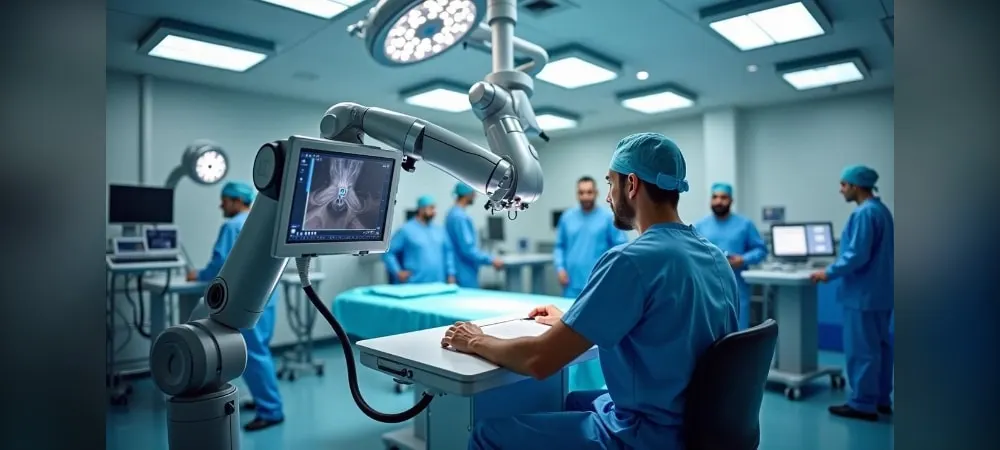
Robotic prostate cancer surgery is one of the most effective treatment methods offered by modern medical technology. This method provides a clear and magnified view of the surgical area, allowing doctors to work on the tumor with greater precision. It stands out as one of the most promising treatment options, especially when the disease is in the early stages.
Robotic prostate surgery offers many advantages over traditional methods. This type of surgery provides less pain, less blood loss, and minimal tissue damage. Furthermore, your hospital stay is shortened - most patients stay in the hospital for only 1-2 days, regardless of their age. The robotic surgery method for prostate cancer also significantly reduces the risk of infection. Thus, your recovery process is accelerated, and you can return to your daily life more quickly.
What is Robotic Prostate Cancer Surgery?
Robotic prostate cancer surgery, which has come to the fore in the medical world in recent years, offers a technology-supported approach that differs from traditional surgical methods. In this section, we will clearly explain what robotic surgery is and why it is preferred in the treatment of prostate cancer.
Definition of robotic surgery
Contrary to its name, robotic surgery is not performed by a robot that moves on its own, but by a high-tech system controlled by the surgeon. In this system, the surgeon sits at a console during the operation and manages the robotic arms via hand and foot pedals. The robot transfers the surgeon's movements to the surgical field with millimeter precision, thus ensuring a much more controlled surgical intervention.
The robotic surgery system called Da Vinci was developed in 1997 and consists of three main parts:
Imaging unit: Provides a three-dimensional and magnified view of the surgical field
Unit with robotic arms: The system to which surgical instruments are attached and which provides access to the patient's body
Console: The unit where the surgeon sits to control the robot and perform the operation
Robotic prostate surgery is performed through 5 small holes with a diameter of 8 mm-1 cm opened in the abdomen. Tubes called "trocars" are placed into these holes, and robotic arms are attached to 4 of them to perform the surgery. The fifth hole is used by the assistant doctor present at the patient's bedside.
In addition, the robotic surgery system consists of a patient cart, surgeon console, vision cart, and instruments. The surgeon directs the robotic arms with great care during the procedure.
Why is it preferred for prostate cancer?
In the treatment of prostate cancer, the surgical approach can be performed in three ways: open surgery, laparoscopic surgery, and robotic surgery. However, robotic surgery has become the most preferred method in recent years due to the various advantages it provides.
Robotic prostate cancer surgery takes an average of 2-4 hours. This duration may vary depending on the surgeon's experience and the patient's condition. Robotic surgery is preferred for prostate cancer for the following reasons:
Precise imaging: The three-dimensional endoscope and image processing equipment provide a magnified view of the delicate structures (nerves, blood vessels, and muscles) around the prostate. This allows for the optimal preservation of vital structures.
Less invasive: Since it is performed through small holes, it is much less invasive than a traditional radical prostatectomy, which requires an abdominal incision extending from the navel to the pubic bone.
Nerve sparing: Because robotic surgery provides a clearer view and higher precision, it helps in sparing the nerves. This provides an advantage in terms of maintaining urinary continence and sexual functions.
Tumor control: Scientific data show that robotic prostate surgery is as effective as open surgery in terms of oncological control. In localized prostate cancer, a cancer-free survival rate of up to 95-99% can be achieved with robotic radical prostatectomy.
Post-operative advantages: One of the most important features of robotic surgery is the patient's faster recovery after surgery. Urinary control can be achieved in the early period, and the rate of preservation of sexual functions is higher.
In summary, robotic prostate cancer surgery is one of the most advanced and precise surgical methods offered by modern medicine. Especially in the treatment of prostate cancer, where the nerves and vessels around the prostate need to be preserved, the precision and control provided by robotic surgery offer a great advantage.
How is Robotic Prostate Surgery Performed?
When robotic technology is used for prostate cancer surgery, all stages of the procedure are carried out in an extremely precise and controlled manner. Now, let's examine the stages of this process, which may seem complex but is actually highly systematic.
Pre-operative preparation
Following the examinations performed by the Urology and Anesthesia departments, there are some important preparations you need to make before robotic prostate surgery based on their recommendations. First of all, you must stop taking blood-thinning medications such as aspirin, non-steroidal anti-inflammatory drugs, and vitamin supplements 10 days before the surgery. However, do not stop the medications you use for high blood pressure, asthma, or thyroid disease - you can take these with a small amount of water on the morning of the surgery.
It is recommended to consume light meals the day before the surgery. Specifically, make your dinner the evening before the surgery consist of non-pulpy liquid foods such as soup or compote. Additionally, you can drink magnesium citrate in the morning for bowel cleansing and apply a Fleet enema in the evening. Generally, you are asked not to eat or drink anything after 12:00 midnight.
To reduce your pre-operative stress, you may be given medication, and all necessary tests (blood tests, urinalysis, and electrocardiogram) will be performed.
Use of robotic arms
A system with 4 working arms is used in robotic prostate surgery. While one of these arms carries a camera to view the inside of the abdomen, the other three arms carry the robotic surgical instruments that allow the surgeon to perform the operation.
During the surgery, 5 small incisions of 8-12 mm in size are made in your navel area. Through these incisions, the robotic camera and surgical instruments are inserted into the abdomen. One of the incisions is reserved for the assistant who helps the surgeon during the operation. The robotic arms move according to the surgeon's hand movements, and procedures such as cutting, stopping bleeding, and suturing can be performed with these instruments.
3D imaging and surgeon console
In robotic prostate surgery, the surgeon performs the procedure while sitting at a console. This console allows the surgeon to transfer their hand movements to the robot. The system transmits the surgeon's movements to the surgical field with millimeter precision, thus allowing the operation to be performed in a much more controlled manner.
The high-resolution 3D imaging system allows the surgeon to see the surgical area clearly and magnified. In this way, the delicate nerves and vessels around the prostate can be seen better. This imaging system is of great importance, especially for preserving the structures that provide urinary continence and the nerves involved in sexual function.
Prostate removal process
Robotic prostate surgery is performed under general anesthesia and takes an average of 2-4 hours. This duration may vary depending on whether lymph nodes are to be removed, the surgeon's experience, and the stage of the tumor.
During the surgery, the surgeon first carefully checks the tissues and vessels around the prostate. If the location and stage of the tumor are suitable, the nerves important for erection are preserved - this is called "nerve-sparing surgery."
Then, the part where the prostate connects to the urethra is reached, where the urethra is cut in a controlled manner and the prostate is separated. The removed cancerous prostate tissue is placed in a special bag and taken out. At the end of the surgery, the bladder and the urinary tract are reconnected with the help of the robotic system.
With the "bladder neck sparing technique" defined by Prof. Dr. Lütfi Tunç, the area where the prostate joins the bladder is preserved, minimizing post-operative urinary incontinence problems.
8 Key Advantages of Robotic Surgery
Robotic surgery systems emerge as a groundbreaking technology in the treatment of prostate cancer. The advantages provided by this innovative approach significantly improve the treatment process for both surgeons and patients. Here are 8 key advantages that robotic prostate cancer surgery offers you:
Less blood loss
One of the most important advantages of robotic prostate surgery is that there is less blood loss during the operation. The three-dimensional and high-resolution camera system allows bleeding vessels to be noticed more easily and stopped quickly during the surgery. In addition, inflating the abdomen with gas during the surgery helps prevent bleeding by putting pressure on the vessels. Thus, unlike open surgery, the need for blood transfusion is usually eliminated.
Less pain and scarring
The incisions made in robotic surgery are smaller than those in open surgery. The procedure, performed through only 1-2 cm holes, ensures that you feel less pain in the post-operative period and reduces your need for pain medication. Small incisions also mean less scarring, which offers an aesthetic advantage.
Shorter hospital stay
Your hospital stay after robotic surgery is significantly shortened. Due to the small surgical incisions, minimal blood loss, and less post-operative pain, you stay in the hospital for less time and are discharged earlier. While you would need to stay in the hospital for 5-7 days in open surgery, you can usually be discharged within 3-4 days after robotic surgery.
Faster recovery
Your recovery process after robotic prostate surgery is accelerated. The use of a less invasive technique allows your body to recover faster. Most patients can return to their normal daily activities 2-3 weeks after the surgery. This rapid recovery makes it possible for you to return to your work and social life sooner.
Nerve sparing and preservation of sexual functions
The neurovascular bundle that provides erection in the male organ passes right next to the prostate. Thanks to the precise imaging provided by robotic surgery, these structures can be better identified and preserved. Therefore, the return to sexual life can be earlier. Especially in tumors that have not spread outside the prostate and are of low grade, the nerves that provide erection can be better preserved.
Preservation of urinary control
After prostate cancer surgery performed with robotic surgery, your urinary control returns better and faster. Better visualization, less bleeding, better suturing of the bladder to the urinary tract, and better preservation of the bladder neck help achieve urinary control more quickly. In addition, the robotic arms, which allow for magnification, three-dimensional imaging, and a wide range of motion, enable increased rates of urinary control.
Reduced risk of infection
Robotic prostate surgery significantly reduces the risk of infection. Factors contributing to this include smaller incisions, increased precision of the surgery, less exposure of internal tissues to the external environment, and shorter hospital stays. Reducing the risk of infection accelerates your recovery process and lowers the likelihood of complications.
High precision and field of view
The robotic surgery system offers 10x magnified three-dimensional images during the operation. In this way, the surgeon can see the prostate gland and surrounding tissues with extreme precision. With the 540-degree range of motion of the robotic arms, your surgeon can perform maneuvers that the human hand cannot. Additionally, the robotic system eliminates hand tremors with its vibration filter feature, allowing for more precise procedures.
Robotic prostate cancer surgery takes an average of 2-4 hours, and all these advantages provided by this modern approach positively affect your quality of life in both the short and long term. For a more comfortable treatment process and better results, you can consider robotic surgery in the treatment of prostate cancer.
Things to Consider After Surgery
The process following a successful robotic prostate surgery is critical for your recovery. Thanks to the small incisions in robotic surgery compared to open surgery, your recovery is faster, but you need to pay attention to some rules.
Things to do during the recovery process
The recovery process after robotic prostate surgery is much faster than open surgery. While the catheter needs to remain in place for at least 21 days in open surgery, this period can usually end in 5-10 days in robotic surgery. This difference allows you to return to normal life earlier.
You will stay in the hospital for an average of 3-4 days after the surgery. You will likely go home with a urinary catheter upon discharge. Cleaning around the catheter 2-3 times a day with wet wipes reduces the risk of infection.
Situations that require special attention:
When you cannot urinate
When there is constant dark blood in the urine
When fever rises
When the testicles swell
If any of these situations occur, you should consult your doctor immediately.
Return to physical activities
Moving after surgery, especially walking, accelerates the recovery process and reduces the risk of blood clot formation. You can start short-distance walks even a few hours after the surgery.
Timeline for return to physical activities:
First week: It is recommended to walk at least 1 mile (approximately 1.6 km) per day
Driving: 7-10 days after catheter removal, when you can press the brake pedal firmly
Return to work: Usually after 4 weeks
Cycling: Should be avoided for the first 12 weeks; pressure on narrow saddles can negatively affect healing
In addition, you should avoid activities such as lifting heavy loads (over 5 kg), sitting in the same position for a long time, squatting, and sitting cross-legged for the first 3 months.
Nutrition and lifestyle recommendations
Your nutrition plays an important role in the recovery process. In the first few days, consume non-pulpy liquid foods until you pass gas. Preventing constipation is especially important because straining can damage the sutures between the bladder and the urinary tract.
Recommended diet:
Drink plenty of water (2-2.5 liters per day)
Consume fibrous foods (vegetables, fruits, whole grains)
Avoid spicy foods and alcoholic beverages
Carbonated drinks and gas-producing foods (broccoli, lentils, dried beans, cabbage) are not recommended for the first 10 days
In terms of lifestyle, you should avoid sitting on hard surfaces, sexual intercourse, and heavy exercise for the first month after surgery. It is recommended that you perform pelvic floor exercises (Kegel) to accelerate urinary control.
Do not forget to go to regular doctor check-ups. Usually, the first check-up is done one month after the surgery, and then your check-ups continue at certain intervals to monitor your PSA values.
Frequently Asked Questions
If you are considering robotic surgery for prostate cancer treatment, it is natural to have many questions. In this section, we aim to clear up your questions by answering the most frequently asked questions by patients.
How long does robotic prostate surgery take?
Robotic prostate cancer surgery usually takes 2-4 hours. This duration may vary depending on the surgeon's experience, the stage of the tumor, and factors such as the patient's previous abdominal surgeries. According to some sources, the average duration is around 2 hours. Whether or not lymph nodes need to be removed also affects the surgery duration.
How long is the recovery period?
The recovery process after robotic prostate surgery is shorter than traditional methods due to the minimally invasive nature of the surgery. You can quickly adapt to normal life after the catheter is removed within an average of 7-10 days after robotic prostate surgery. However, a full return to daily life can usually take 4-6 weeks. It is recommended to wait at least 2 months for heavy exercise or work.
When do sexual functions return?
The return of sexual functions after robotic prostate surgery varies from person to person. Thanks to the nerve-sparing method provided by Da Vinci surgery, erection can be preserved in 60-75% of patients at the end of the recovery period. Depending on how much the nerves were affected during the surgery, the full return of sexual functions can take up to 2 years. Just as there are patients who start having erections after a minimum of 1 week-10 days, there are also patients who have no problems after 2 years.
Is there a risk of urinary incontinence?
Yes, urinary incontinence is common in the early period after surgery. However, urinary continence functions return faster after robotic surgery compared to open and laparoscopic methods. Urinary incontinence usually lasts for one to two weeks after a well-performed robotic prostate surgery. In most patients, significant improvement begins in the first 6-12 weeks, and within 3-6 months, the majority of patients either reduce or completely stop the need for pads. As a result, a urinary continence success rate of up to 95% can be achieved at the end of the first year.
Is robotic surgery covered by SGK?
Whether robotic prostate surgery is covered by SGK depends on whether the hospital where the surgery is performed is public or private. If the robotic surgery infrastructure is available in training and research hospitals and the surgery is performed in these centers, SGK covers all expenses. In private hospitals, SGK only covers basic surgical expenses; an additional fee is usually requested for the robotic system. The additional cost arising from the use of the robot system is often not covered by SGK, and patients may face a robotic surgery difference fee.
In Summary: Robotic Prostate Cancer Surgery
In conclusion, robotic prostate cancer surgery is an important treatment option offered by modern medicine. Compared to traditional methods, it provides less pain, less blood loss, and minimal tissue damage. In addition, since your hospital stay is only 1-2 days, you can return to your normal life faster.
This surgical technique, performed with small incisions, significantly reduces the risk of infection and accelerates your recovery process. In addition, thanks to the three-dimensional imaging system, surgeons can see the delicate nerves and vessels around the prostate better. Therefore, the rate of preservation of urinary control and sexual functions is higher than traditional methods.
You must strictly follow your doctor's recommendations to accelerate your recovery in the post-operative period. If you pay attention to rules such as healthy eating, regular walks, and not lifting heavy objects, your body will recover faster. Pelvic floor exercises that you will do, especially in the first few weeks, will help you regain your urinary control.
Remember that every patient's recovery process is different. While some patients return to their normal lives within a few weeks, it may take a few months for others to fully recover. However, all data show that prostate surgeries performed with the robotic surgery technique are quite successful in maintaining patients' quality of life and offering a cancer-free life.
Robotic prostate surgery is a wonderful example of where technology meets medicine. Thanks to this technology, prostate cancer is no longer as frightening as it used to be. The right treatment approach, an experienced surgeon, and your positive attitude are the biggest factors in overcoming the disease.
Robotic prostate cancer surgery provides less pain, minimal tissue damage, and fast recovery. It offers nerve and vessel preservation with three-dimensional imaging.