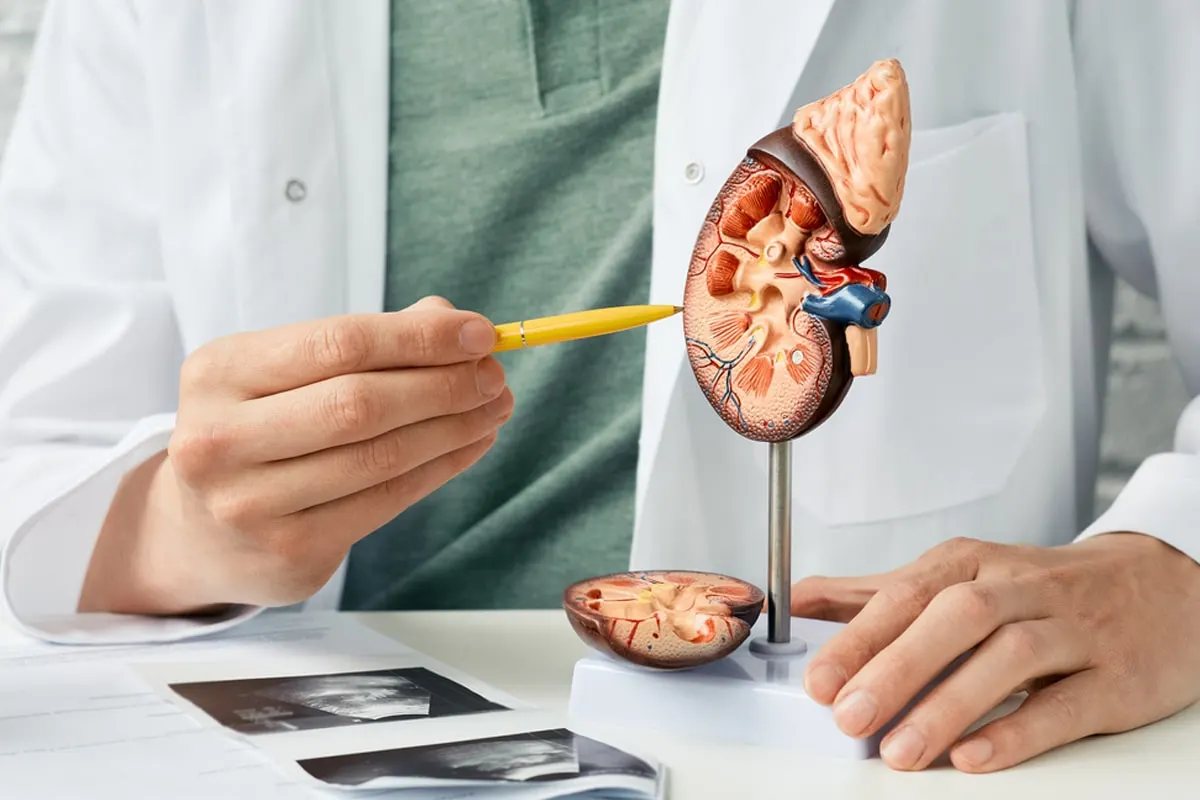
Op. Dr. Basri Çakıroğlu explained ''How Is Kidney and Urinary Tract Stone Treated?'' for you.
Treatment of kidney and urinary tract stones varies depending on the location and size of the stone. Stones smaller than 2 cm and larger than 6 mm generally do not pass on their own and require treatment. The first treatment method for these is lithotripsy. In lithotripsy, the stone is located with ultrasound or radiologically and focused, and the sound waves produced by lithotripsy devices break the stone into sand, which is then passed in the urine. There are 3 types of lithotripsy devices. These are devices based on electromagnetic, electrohydraulic and piezoelectric systems. Of these, the most effective are the lithotripsy devices based on electromagnetic systems. The lithotripsy device in our hospital is a lithotripsy device that operates with an electromagnetic system. Its advantages are that the stone can be focused with ultrasound, the pain level is very low, and the stone is broken into very small fragments under 3 mm. These fragmented stones are then passed in the urine.