JTNDaWZyYW1lJTIwd2lkdGglM0QlMjI1NjAlMjIlMjBoZWlnaHQlM0QlMjIzMTUlMjIlMjBzcmMlM0QlMjJodHRwcyUzQSUyRiUyRnd3dy55b3V0dWJlLmNvbSUyRmVtYmVkJTJGYVN5dDB1dFZ3LUElMjIlMjB0aXRsZSUzRCUyMllvdVR1YmUlMjB2aWRlbyUyMHBsYXllciUyMiUyMGZyYW1lYm9yZGVyJTNEJTIyMCUyMiUyMGFsbG93JTNEJTIyYWNjZWxlcm9tZXRlciUzQiUyMGF1dG9wbGF5JTNCJTIwY2xpcGJvYXJkLXdyaXRlJTNCJTIwZW5jcnlwdGVkLW1lZGlhJTNCJTIwZ3lyb3Njb3BlJTNCJTIwcGljdHVyZS1pbi1waWN0dXJlJTNCJTIwd2ViLXNoYXJlJTIyJTIwYWxsb3dmdWxsc2NyZWVuJTNFJTNDJTJGaWZyYW1lJTNF
What Is ARMA?
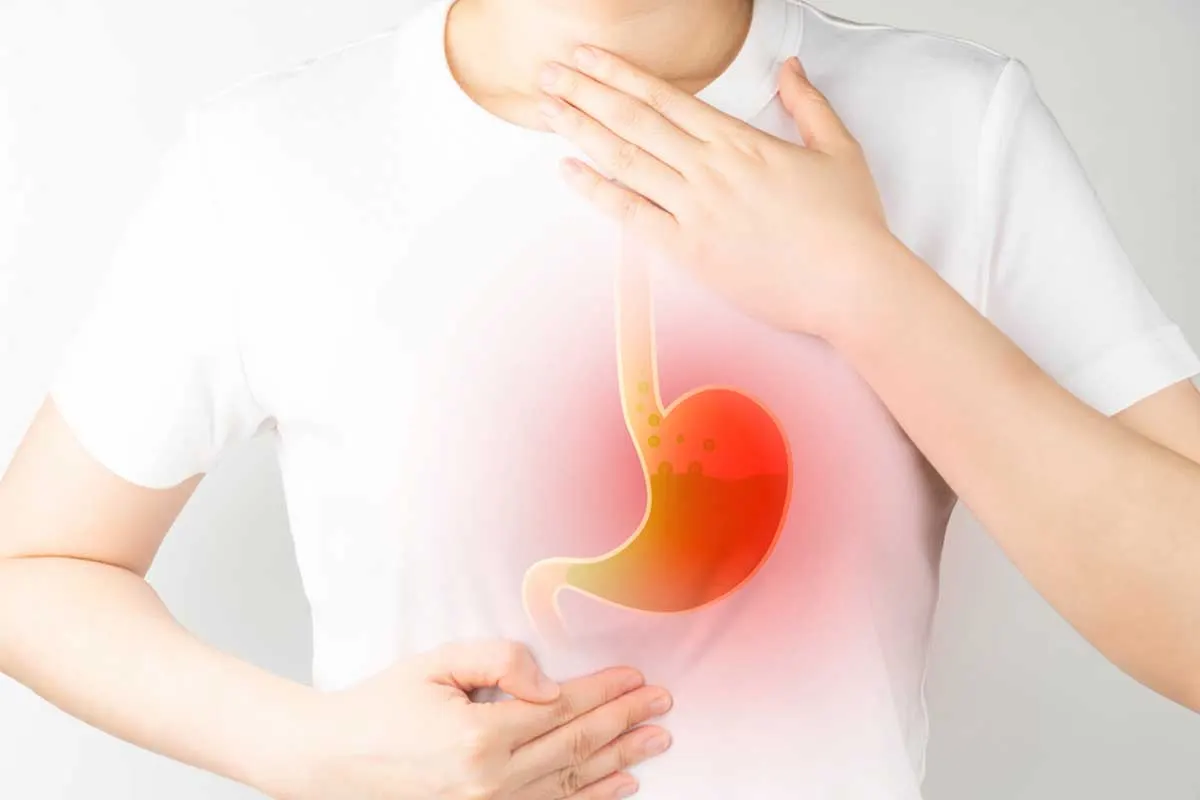
ARMA stands for “Anti-reflux mucosal ablation.” It is an endoscopic treatment applied to treat gastroesophageal reflux disease (GERD). Gastroesophageal reflux is the repeated backflow of stomach acid into the mouth and the esophagus, the tube connecting the mouth and the stomach. After food is swallowed, a group of muscles at the lower part of the esophagus relaxes. Thanks to this relaxation, food and liquids pass into the stomach. However, if this muscle does not relax sufficiently or becomes weak, stomach contents can flow back into the esophagus and irritate it. Reflux may occur occasionally in everyone, but when it is seen constantly in a person, it leads to GERD.
In the treatment of GERD, lifestyle changes and medication may be recommended first. Avoiding tight clothing, not eating right before going to sleep, avoiding heavy lifting, eating small meals, sleeping with the head of the bed raised at night, and avoiding beverages such as coffee and tea that increase pressure in the esophagus are among the lifestyle changes that improve GERD. Usually, medication and paying attention to these measures may be sufficient for GERD treatment. However, in severe cases or in situations where long-term medication use is not possible, surgical options may be applied.
ARMA and ARMS are the two most commonly used methods in the treatment of gastroesophageal reflux. In the treatment of refractory GERD, laparoscopic anti-reflux surgery is often accepted as the gold standard, yet less invasive treatment options are also desired. Although ARMA treatment is counted among surgical treatment options, it is not an operation but an endoscopic procedure. It is a newer method compared with conventional treatment options.
Who Is ARMA Applied To?
Proton pump inhibitors form the first step in the treatment of gastroesophageal reflux. However, only between 10% and 40% of patients achieve a satisfactory response. For these patients to maintain their well-being, they need to take their medication every day. Long-term use of proton pump inhibitors may increase the risk of pneumonia and dementia over time. In addition, the idea of continuous medication use may be unappealing to some patients, and for this reason they may turn to permanent treatment options. Laparoscopic anti-reflux surgery (LARS), one of the leading of these options, may not be a good choice for people who fear surgery. Considering all of this, ARMA, which involves a simple endoscopic intervention, can be applied to anyone who wants to be permanently free of GERD, especially young and middle-aged adults. The ideal candidates for ARMA are:
GERD refractory to proton pump inhibitors
Having mild to moderate gastroesophageal junction dysfunction
What Are the Advantages of ARMA Treatment Compared to Other Methods?
The methods used in the treatment of GERD are generally the following:
Medication therapy
Laparoscopic anti-reflux surgery (LARS)
LINX device
Anti-reflux mucosectomy (ARMS)
Anti-reflux Mucosal Ablation (ARMA)
Medication therapy is the preferred first-line treatment option. It is the easiest of the options. However, medication therapy is a lifelong treatment. The patient may feel well as long as they keep taking the medication. Dependence on medication may, after some time, cause the patient to become weary of this situation. In addition, medication therapy may not be effective in every patient. And long-term use may expose patients to the side effects of the drugs.
ARMA treatment is an option that does not require certain expensive devices, a long recovery period after the procedure, or involve major complications. It carries a low risk of perforation (abnormal opening of an organ). Before deciding on treatment for GERD, it is beneficial to obtain detailed information about all treatment options. Treatment options may vary according to your general health status, your expectations, or the level of your disease. Your doctor will identify the appropriate treatment option for you, taking all advantages and disadvantages into consideration.
How Is ARMA Treatment Performed?
ARMA treatment is not a type of surgery. Therefore, no extensive preparation is required beforehand. However, the procedure is performed under anesthesia. For this reason, the person is asked to fast for at least 6 hours before the operation. ARMA, performed under general anesthesia or propofol-based sedation, is not a method that takes a long time or requires a hospital stay afterwards. Because it is a day-case treatment, you can continue your daily life once the procedure is completed.
During ARMA treatment, anesthesia is administered with the patient lying supine on a stretcher. The aim of this method is to reduce or prevent the opening of the gastroesophageal passage. For this, the gastric valve is reshaped endoscopically. In the ARMA method, the gastric valve is cauterized with argon gas electrocautery. As healing begins, the valve portion of the stomach contracts, which enables improvement in GERD. For the full effect to be seen, the wound and the artificial ulcer need to heal. This process may take 1–2 months.
ARMA treatment, with its drawbacks, attracts the interest of many patients. Although this endoscopic method is not a difficult treatment, it requires expertise. You may have applied to a healthcare institution to obtain information about ARMA treatment and not received a response, or your healthcare institution may not be offering this treatment method. The reason for this is that the treatment cannot be performed by every physician. In ARMA treatment, the physician who uses the device is more important than the device itself. Hisar Hospital has expert and well-equipped physicians for ARMA treatment, who are among the few in Istanbul capable of performing this procedure. For more detailed information about the ARMA treatment process at Hisar Hospital, you can contact the hospital.
Does Reflux Recur After Surgery?
ARMA is a procedure in which an artificial ulcer is created by ablation instead of mucosectomy. It has been tried in patients who could not fully recover after ARMS treatment, and positive results have been obtained. No recurrence of reflux after surgery has been observed so far.
Is Hospital Admission Necessary?
ARMA is not a surgical operation but an endoscopic procedure. In endoscopic procedures, the digestive organs can be reached by means of a tube with a camera attached to its tip. Since it does not involve an incision, a long recovery period or post-procedure complications generally do not occur either. It may last around 30 minutes. For this reason, there is no need to stay in the hospital after the procedure, and you can continue your daily life. However, the procedure may be performed under general anesthesia and sedation (sedative medication). Therefore, you may need to stay in the hospital for a few hours after the procedure. In addition, since you will not be able to drive after anesthesia, it is advisable to have a companion accompany you home.
What Is the Time Needed to Return to Social Life?
The ARMA procedure takes an average of 30 minutes. Afterwards, you are expected to remain in the hospital for several hours until the effects of anesthesia wear off. Once the effects of anesthesia have also worn off, there is no obstacle to returning to your daily life.
What Happens If Reflux Is Not Treated?
Reflux is a condition in which stomach acid persistently seeps into the esophagus. The pH of stomach acid is low in order to digest incoming food. Likewise, the structure of the stomach has properties that protect it from being damaged by this acid. The esophagus, however, has no structures that protect it from acid. For this reason, leaving reflux untreated can lead to a number of consequences. Some of these are:
Over time, stomach acid can irritate the lining of the esophagus. Following this irritation, it may cause swelling and pain when swallowing. It is called esophagitis.
Prolonged leakage of stomach acid into the esophagus may cause irritation of the esophagus or the formation of wounds. As a result, chest pain, painful swallowing and nausea may occur. These are called esophageal ulcers.
Damage caused by stomach acid accumulates over time and narrows the esophagus. This can make swallowing food and drink difficult, potentially leading to weight loss and dehydration. It is called esophageal stricture.
In some patients with GERD, stomach acid may cause precancerous changes. This condition may be called Barrett’s esophagus. It can be prevented with early diagnosis. For this reason, if you have reflux, you should not miss your doctor check-ups.
The risk of developing esophageal cancer may increase.
Stomach acid can erode the hard outer layer of the teeth, causing cavities to form.
Are There Side Effects of Using Medication Long-Term for Reflux?
Many prescription and over-the-counter medications can relieve GERD. The most commonly used reflux medications are:
Antacids
H2 receptor blockers
Proton pump inhibitors
Baclofen
However, drug treatment is not a permanent solution. You feel well as long as you keep taking the medication. Long-term medication use is, under normal circumstances, an undesirable situation. However, if you need the benefits of the medication, your doctor may recommend it to you. Every drug may have more than one risk or side effect. These may include side effects such as headache, abdominal pain, sleep disturbances/insomnia, diarrhea or vitamin deficiencies. In addition, if you have more serious side effects such as dizziness, heartburn, neck or arm pain, and unexplained weight loss, it is advisable to see a doctor as soon as possible.
Is the Procedure Performed Under General Anesthesia or Local Anesthesia?
ARMA treatment can be performed under general anesthesia or with sedation.