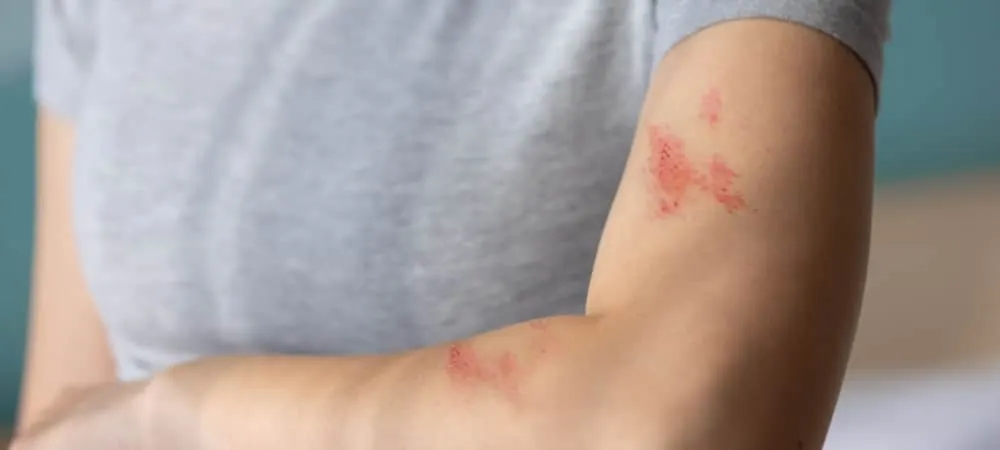
Shingles is an itchy condition caused by the Varicella-zoster virus, the same virus that causes chickenpox. Most people who develop this condition first had chickenpox, usually decades earlier. Shingles is a painful rash that may be accompanied by fever. It appears on one side of the body, usually in a specific area. A shingles rash begins as a cluster of small bumps. These bumps look different from the surrounding skin and may appear differently on different skin tones.
On darker skin, they may be pink, grayish, purple or brown. On lighter skin, the bumps appear red. Treatment for shingles includes antiviral medicines to relieve symptoms and reduce the risk of complications, as well as medicines such as pain relievers and antidepressants for pain management. In addition, corticosteroids may be used by a doctor if the condition causes severe pain.
Early diagnosis and treatment are important to prevent complications, so a doctor should be consulted when symptoms appear.
What Is Shingles (Herpes Zoster)?
Shingles (Herpes zoster) is an infection that causes painful rashes. It is caused by the Varicella-zoster virus (VZV), the same virus that causes chickenpox. After a person has chickenpox, the virus can remain in the body for many years without causing any problems. However, as a person gets older, the virus can become active again and cause shingles. Shingles generally presents with redness of the skin, blisters and painful rashes.
The pain usually begins as a burning, itching or stinging sensation, after which blisters form. These blisters are filled with fluid, then burst and form scabs. Shingles most often appears on one side of the body as a band of blisters. These areas are usually the chest, neck or face.
What Are the Symptoms of Shingles?
The first symptoms of shingles are usually pain and burning in the skin. The pain typically occurs on one side of the body. A red rash usually begins after the pain. However, the rash may have a different color depending on skin tone. Dark pink, dark brown or purplish rashes may be seen. Symptoms of shingles may include:
Pain and burning: Shingles often begins with pain, burning or tingling in the affected area for several days or weeks before the rash appears. These symptoms usually spread along the affected nerves.
Rash: Within a few days, reddish blisters or lesions appear together with the pain. These blisters are generally seen on one side of the body, often on one side of the trunk, or unilaterally on the face, lower back or neck.
Itching and pain: The rashes are often itchy and may be painful when touched or rubbed. The blisters are usually fluid-filled and may cause severe pain when they burst.
Tenderness: The shingles area is usually tender to the touch. This tenderness may result in discomfort while dressing or when the area is touched.
General weakness: Shingles is often associated with symptoms such as general weakness, fatigue and even fever. Patients may experience body aches, headache and a general feeling of being unwell.
Some of the rarely seen signs of serious complications of shingles may include:
Postherpetic neuralgia (PHN): After shingles, pain may become persistent or recurrent in some patients. This condition is called postherpetic neuralgia (PHN) and usually develops after the rash has healed. Its exact cause is not fully known. In this condition, patients' nerves may become more sensitive, or the virus may attack and damage the central nervous system. PHN can sometimes be severe and long-lasting and may significantly affect quality of life.
Eye complications: Shingles rashes on part of the face or head may affect the cornea of the eye. This condition is called keratitis and may cause eye pain, redness, sensitivity to light and impaired vision. In rare cases, shingles infection may lead to severe vision loss.
Hearing loss: When shingles occurs on the face or head, hearing loss may occur because of the effect of the rash on the nerves. This may present as reduced hearing or ringing in the ears.
Neurological complications: Because shingles rashes can affect the nerves, neurological complications may develop in some patients. These may include inflammation of the brain (encephalitis), inflammation of brain tissue (brain lesions), or paralysis.
What Causes Shingles?
Shingles is a viral infection caused by the chickenpox virus known as the Varicella-zoster virus (VZV). When the Varicella-zoster virus enters the body, the first condition it causes is chickenpox. After the course of chickenpox is completed, the virus moves to nerve tissues near the spinal cord and brain and remains there. In people who usually had chickenpox in childhood, the virus remains dormant in the nerve roots after entering the body.
However, when the immune system is weakened or when it is triggered by factors such as stress, trauma or aging, the virus can become active again. This leads to the development of shingles. The reason shingles occurs is unclear. It may be related to a reduction in immunity to infections as people age. Shingles is more common in older adults and people with weakened immune systems.
How Is Shingles Diagnosed?
To diagnose shingles on the skin, the doctor first examines the rash and blisters that have developed in the patient. The blisters of a shingles rash usually appear as a band on one side of the body. The doctor also takes the patient's medical history. In some cases, the doctor may need to test a skin sample or the fluid in the blisters. For this reason, a sterile swab may be used to obtain a tissue or fluid sample from the patient.
The samples are then sent to a medical laboratory to confirm the presence of the virus.
How Is Shingles Treated?
There is no cure for shingles. Early treatment with prescription antiviral medicines given by a doctor may speed recovery and reduce the risk of complications. Treatment should be started as soon as possible after the redness begins. Some methods used in the treatment of shingles include:
Antiviral medicines: The medicines most commonly preferred by doctors for shingles are antiviral medicines. These medicines help reduce the duration and severity of the infection by stopping the virus from multiplying. The most commonly used antiviral medicines include acyclovir, valacyclovir and famciclovir. If a bacterial infection develops because of the shingles rash, antibacterial medicines may be used.
If shingles occurs around the eye or on the face, anti-inflammatory medicines such as prednisone may be prescribed.
Pain management: Pain relievers or other pain-reducing medicines prescribed by a doctor may be used to relieve pain caused by shingles. These may generally include nonsteroidal anti-inflammatory drugs (NSAIDs) or opioid-containing medicines.
Topical creams: Topical creams or lotions may be used to help relieve shingles rashes and itching. These creams usually contain an antihistamine or corticosteroid.
Wound care: Shingles rashes may often be itchy and tender. Wound care is important to prevent the rash from becoming infected and to speed the healing process. Cleansing and moisturizing are important parts of wound care.
Frequently Asked Questions
Where Does Shingles Appear?
Shingles generally appears on one side of the body, along a nerve pathway running from the spine. It most commonly occurs on the back, chest and abdomen, and more rarely on one side of the face or head. The location of the shingles rash can affect the course and symptoms of the disease.
How Long Does Shingles Last?
Shingles generally lasts between 2 and 6 weeks. Most people have shingles only once. However, shingles may occur two or more times. Early diagnosis and treatment may help relieve symptoms and speed the recovery process.
Is Shingles Contagious?
Shingles is a contagious disease. However, the risk of transmission is quite low. A person does not catch shingles from someone with shingles, but can catch the virus that causes chickenpox. People who have never had chickenpox or have not received the chickenpox vaccine can catch chickenpox from someone who has shingles. Shingles occurs when the chickenpox virus becomes active again. Therefore, the chickenpox virus may be transmitted from people with shingles to people who have not had chickenpox.
Transmission generally occurs through direct contact with open sores from the shingles rash.
How Is Shingles Transmitted?
The virus spreads when a person comes into contact with fluid released when the blisters on the skin of someone with shingles burst, or when they use or touch that person's bedding, clothing or towels.
Can a Person With Shingles Bathe?
A person with shingles can bathe. A cool bath or shower may help soothe the skin. The coolness of the water may relieve pain caused by shingles blisters and reduce itching. After bathing, gently drying the skin and avoiding rubbing are important to help prevent the blisters from bursting and the infection from spreading.
Can Stress Cause Shingles?
Shingles is caused by the Varicella-zoster virus, the same virus that causes chickenpox. The condition is not directly linked to stress. However, triggers such as trauma or stress may weaken the immune system and cause the virus to become active again.
Shingles is a painful condition that can negatively affect a person's daily life. With early diagnosis and treatment, symptoms can be brought under control. People experiencing symptoms of shingles can make an appointment with the Dermatology department at Hisar Hospital to begin treatment.
Start with the right assessment for Shingles (Herpes Zoster): Symptoms, Causes and Treatment
Share your symptoms with our specialist physicians; let us determine the right diagnosis and treatment plan together.
Warning
If your symptoms started suddenly, are progressing rapidly, or significantly restrict your daily life, consult a physician without delay.
Plan your Shingles (Herpes Zoster): Symptoms, Causes and Treatment journey with our specialists.
Fill in the form or book an appointment to learn about treatment options, the process and preparation.