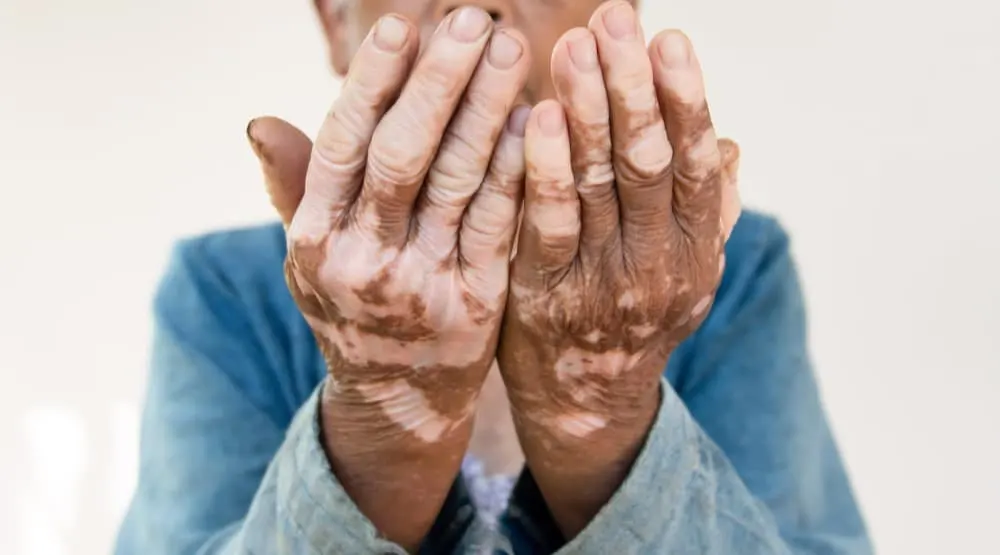
Vitiligo is a dermatological condition characterized by pale white patches that develop on the skin. It can appear in any area of the body; however, it most often occurs on the face, neck, hands, and in areas where the skin has been damaged, such as from wrinkles, cuts, or burns. The site where vitiligo develops and the pattern of its spread vary depending on the type. It is an autoimmune disease, and in some cases it is hereditary. It does not cause symptoms such as pain, inflammation, or swelling; however, because it affects cosmetic appearance, patients may visit dermatology outpatient clinics seeking treatment.
What Is Vitiligo?
The color of the skin and hair is determined by a pigment called melanin. For various reasons, this pigment is lost, causing the skin color to appear lighter than normal. These irregular areas of color loss in the skin are referred to as vitiligo. The onset of vitiligo is generally in the mid-twenties, but it can appear at any age. The size and number of patches also vary from person to person. Over time, it may progress and cause pigment loss over larger areas of the skin. Vitiligo is an autoimmune disorder. Autoimmune disorders arise when the body's immune system attacks its own tissues and organs. The immune system attacks melanocytes, the pigment-producing cells, and whitening of the skin develops. In approximately 15–25% of patients with vitiligo, at least one other autoimmune disorder is present. If there is no other autoimmune disease, vitiligo does not adversely affect the patient's general health or physical functioning. Vitiligo is a common condition affecting 0.5–1% of the world's population. Vitiligo developing on the scalp can cause hair and body hair to turn white or silver. There are four main types of vitiligo:
Non-Segmental Vitiligo: Occurs on both sides of the body in the same areas. It is the most common type of vitiligo. Pigment loss is rapid and creates lesions covering large parts of the body.
Segmental Vitiligo: Usually appears in childhood and affects only one area. This area may be a leg, a hand, or part of the face. It is quite rare; hair loss also occurs in areas where color change develops. Segmental vitiligo is also known as unilateral vitiligo. The progression of this type of vitiligo usually stops 1–2 years after onset.
Mixed Vitiligo: It is a combination of segmental and non-segmental vitiligo and is rare.
Unclassified Vitiligo: There are unclassified subtypes, namely localized, generalized and universal. Localized vitiligo is characterized by depigmentation developing in only one or a few areas of the body. Generalized vitiligo is the most common subtype and involves depigmentation distributed across the body. Universal vitiligo is the most severe subtype. Nearly all pigmentation on the skin surface is lost.
What Are the Symptoms of Vitiligo?
The symptoms of vitiligo may be mild and affect a small area of the body, or they may be severe and affect a large area of the skin. The main symptoms are loss of skin color. These natural color losses are termed depigmentation. Symptoms of vitiligo may include:
White, milky patches appearing on any area of the skin, especially the hands, feet, arms and face,
Whitening of the hair in addition to pigment loss on the scalp,
Color changes in part of the eyelashes and eyebrows,
Color changes in the mucosa of the mouth and inside the nose,
Swelling and some inflammatory conditions in the ears and eyes,
Hearing loss,
Sensitized skin tissue,
Predisposition to autoimmune conditions,
Changes in eye color,
In some cases, itching of the skin without depigmentation,
Skin pigments that disappear suddenly and are suddenly regained.
What Causes Vitiligo?
The pigments that give color to the skin and hair are called melanin and are synthesized by melanocyte cells. If these cells die or stop producing melanin pigment, vitiligo skin disease develops. The factors causing the damage or death of pigment cells have not been fully determined. However, they are thought to be associated with the following factors:
Autoimmune Disease: The immune system perceives healthy melanocyte cells as harmful foreign invaders and overreacts, destroying the cells.
Genetic Changes: Genetic mutations may affect the way melanocytes function. In addition, a family history of vitiligo is another cause.
Stress: Especially if the body is continuously exposed to emotional stress after an accident or injury, the amount of pigment produced by melanocyte cells is adversely affected.
Environmental Triggers: Factors such as exposure to ultraviolet radiation and toxic chemicals can affect pigment production.
How Is Vitiligo Diagnosed?
A visual examination is usually sufficient to diagnose vitiligo. During the examination, a Wood's lamp is used to distinguish vitiligo from other skin conditions such as pityriasis versicolor. A Wood's lamp uses an ultraviolet light that makes the skin glow, the examination takes place in a dark room, and the lamp is held about 10–13 cm from the skin. During the examination, dermatologists may ask various questions to obtain information about the patient's medical and genetic history. They may also request various blood tests to check for autoimmune diseases.
How Is Vitiligo Treated?
Treatment of vitiligo is not necessary, as this disease has no known harm to the body. Its adverse effects are only cosmetic. Particularly the development of white patches on the face can adversely affect a person's mental health. This may lead the person to withdraw from social settings and undermine self-confidence. There are treatment options that restore the skin to its former color or remove the remaining color to achieve an even skin tone. Briefly, vitiligo treatment methods include:
Medications: Topical medications used in vitiligo treatment generally aim to alleviate the course of the disease and achieve a certain amount of pigment recovery. The most commonly used topical medications are topical corticosteroids. These medications must be used strictly under dermatologist recommendation. They are not an appropriate treatment for every skin type, and they have side effects such as the skin becoming thinner and more sensitive.
Light Therapy: Phototherapy is a procedure that helps skin color return. Treatment is provided using ultraviolet B (UVB) light and medical lasers. Several light therapy sessions are needed to see results on the skin. If treatment is stopped before it is completed, its effects do not last long.
Depigmentation: In this method, skin tone is lightened to match the areas affected by vitiligo. Treatment is usually provided using medical products.
Surgery: A procedure known as skin grafting may be applied, in which skin taken from one part of the body is used to cover another part. Possible complications such as scarring, infection and repigmentation may occur.
Counseling: Some people diagnosed with vitiligo may receive counseling to help improve their self-confidence, anxieties or depression caused by changes in their skin.
Frequently Asked Questions About Vitiligo
No, not every white patch is vitiligo. Chemical leukoderma, tinea versicolor, albinism and pityriasis alba can cause white spots to develop on the body. In some cases, these conditions may be confused with vitiligo. Therefore, diagnosis must be made by a specialist. Vitiligo symptoms can appear anywhere on the body, but they most commonly appear on the hands, feet, face, mucous membranes such as the mouth, lips and inside of the nose, and in areas where the skin rubs together, such as the genitals, armpits, groin and buttocks. Vitiligo is not a life-threatening or contagious disease. However, its cosmetic appearance can adversely affect the patient's quality of life. It can cause mental health problems. It is known that immunotherapy applied during cancer treatment may cause vitiligo. However, this does not mean that vitiligo will turn into skin cancer. Melanin pigment protects the skin from the sun; in addition, unpigmented patches become more prone to sunburn. Sun damage can increase the risk of skin cancer. However, some studies suggest that the genetics of vitiligo may protect individuals against skin cancer. According to these studies, people with vitiligo have been found to be three times less likely to develop skin cancer than people without vitiligo. Vitiligo patches can be lightened or removed through medical treatments, phototherapy and procedures such as surgery. Approximately 10–20% of people with vitiligo fully regain their skin color. Early diagnosis makes treatment more successful. Vitiligo patches can cause increased sensitivity to the sun. Therefore, protection from the sun prevents the progression of the disease. Patients can protect themselves from the sun by using sunscreens with an SPF of 30 or higher and can thus go outdoors. Vitamins play an important role in the process of skin pigmentation. For vitiligo treatment, dermatologists may include vitamins such as A, C, E, B12, D and folic acid in the treatment plan. Vitamin B12 prevents the production of homocysteine, which negatively affects melanin production. For vitamin B12 to perform this function, it must be taken together with folic acid. Vitamins A, C and E act as antioxidants and prevent epidermal oxidative stress that causes early destruction of melanocytes. In autoimmune disorders, vitamin D deficiency is generally observed; due to its protective effect on the immune system, it is among the vitamins recommended to be taken. Expert advice must always be obtained before taking these vitamins. Vitiligo is a pigmentation disorder that does not spread from person to person through physical contact. Apart from cosmetic changes and the discomfort these changes cause, it poses no risk. Vitiligo has no permanent cure; however, there are supportive treatment methods that relieve symptoms or slow the progression of the disease. You can consult a dermatologist to learn about these methods and get answers to your questions about the disease.
Start with the right assessment for What Is Vitiligo? What Are the Symptoms?
Share your symptoms with our specialist physicians; let us determine the right diagnosis and treatment plan together.
Warning
If your symptoms started suddenly, are progressing rapidly, or significantly restrict your daily life, consult a physician without delay.
Plan your What Is Vitiligo? What Are the Symptoms? journey with our specialists.
Fill in the form or book an appointment to learn about treatment options, the process and preparation.