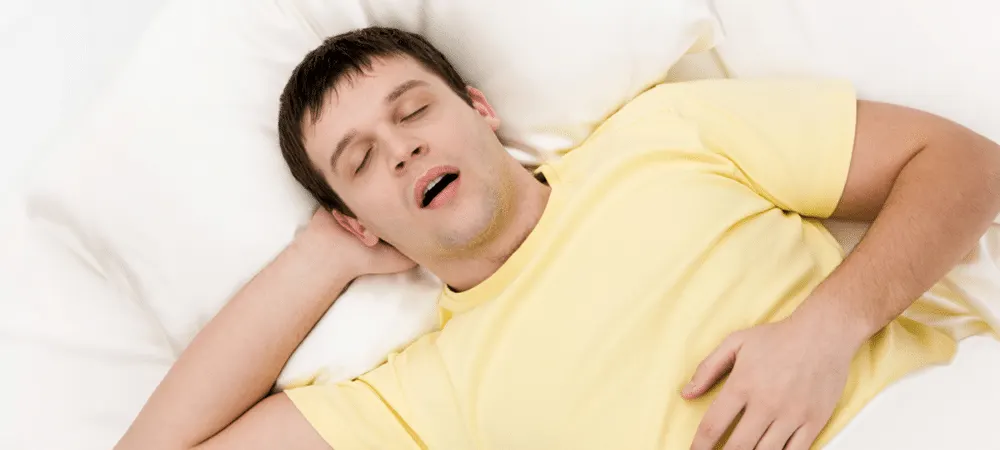
What Is Sleep Apnea and How Is It Treated?
Sleep is the period when the whole body (primarily the brain) switches to rest. Quality sleep is very important for a healthy life. In people with sleep apnea, sleep quality is significantly impaired. Over time, this can cause a person to develop a depressive and irritable mood. Specialists from the Hisar Hospital Intercontinental Ear, Nose and Throat Diseases Department shared important information about sleep apnea.
It Is More Common in Men Than in Women
The more common type of sleep apnea, seen mostly in adults over middle age, is "Obstructive Sleep Apnea Syndrome," whose name in Greek means "being breathless." This syndrome is characterized by repeated obstructions of the upper airway during sleep. It may often be accompanied by drops in blood oxygen levels.
In other words, the airway becomes obstructed at various levels. The factors causing the obstruction are:
Swelling in the tissues surrounding the upper airway
Large tonsils and a large tongue
Upper airway muscles that relax during sleep
Nasal structural obstructions
A small chin and upper airway structure
Common Misconceptions
Sleep apnea, which is medically considered serious and caused by airway obstruction, is widespread in the community. The impression that "sleep apnea is only a disease of middle-aged overweight men" is incorrect.
1/4 of patients are not overweight.
In fact, most obese men and a very large proportion of overweight women do not have apnea.
It is seen in at least 2% of women and 4% of men.
These figures show that the disease is at least as common as asthma and diabetes.
How Does Sleep Apnea Develop?
Sleep apnea is one of the most common diseases today. According to recent data, its prevalence in our country is around 5-10%. Apnea is the cessation of breathing for at least 10 seconds. Sleep apnea is this breathing cessation occurring during sleep.
Obstructive sleep apnea occurs when the muscles in the throat relax in a way that closes off the airway space. These muscles belong to the soft palate, the uvula, the pharynx and the tongue. When the muscles relax, the airway narrows during breathing and breathing stops for a period of time.
How Does the Process Work? The amount of oxygen in the blood decreases, the brain detects this decrease and tries to reopen the airway by reducing sleep depth. Following the decrease in sleep depth, breathing resumes in some people with one or two short, deep breaths, and in others with loud snoring and swallowing sounds.
This can repeat 20-30 times an hour throughout the night, and when severe sleep apnea is present, it is not possible to enter deep sleep. The person spends their entire sleep struggling to breathe and feels the need to sleep during the day. People with sleep apnea are generally unaware that their sleep is being interrupted and believe they slept well.
The Frequency May Increase With Advancing Age
It is seen more frequently, especially from age 40–50 onward. It is more common in men than in women. It is also quite common in children who have adenoid or tonsil problems and who have had severe tonsil infections.
If These Symptoms Are Present, Your Risk May Be High!
If You Are Well Above Your Normal Weight
One of the most important risk factors is obesity. In general, having characteristics such as being short, having a short neck, being overweight and having a prominent double chin can make a person the strongest candidate for the disease. A neck circumference (collar size) greater than 43 cm in men or 40 cm in women is a serious risk factor for sleep apnea. However, sleep apnea can also be seen in thin people.
If You Have Enlarged Tonsils or Adenoids
Tonsils that are larger than normal and the presence of adenoids are the cause of sleep apnea, which is seen mostly in children; however, they may sometimes also be responsible in adults.
If You Are Constantly Sleepy During the Day
The most important symptom of the disease is waking up tired in the morning. Because sleep quality is impaired, no matter how long they sleep, patients feel completely exhausted when they wake up in the morning and tend to feel sleepy at any moment during the day. People with sleep apnea may doze off while working, watching television, reading, and even while driving. The risk of a traffic accident is increased 3 to 5 times in people with sleep apnea who drive. Sleep apnea in children usually manifests as a decline in school performance.
Sleep Apnea May Be the Cause of Your Diabetes
When organs do not rest during sleep, specific complaints of each organ appear:
The majority of people with sleep apnea have high blood pressure.
Over time, heart rhythm begins to deteriorate.
In a significant portion, insulin resistance develops; after a while, diabetes and a tendency to gain weight appear.
Susceptibility to bronchitis and pneumonia increases.
If You Have Heart and Vascular System Problems
Sudden drops in blood oxygen during apneas cause blood pressure to rise and strain the heart and vascular system. Nearly half of people with sleep apnea have hypertension, and this increases the risk of heart failure and brain hemorrhage. In people with heart disease, it is known to increase the risk of sudden death during sleep.
People Who Snore Loudly
30 to 40% of adults snore during sleep. However, not every person who snores has sleep apnea. Snoring in sleep apnea is very loud. If a person who snores wakes up tired and reluctant, the likelihood of having sleep apnea is quite high.
Other Life-Threatening Dangers and Risks
Premature Aging: The longer and more frequently oxygen in the blood drops, the more it causes premature aging of all organs, primarily the brain.
Alcohol and Medication Use: Alcohol, sedatives and sleeping pills cause the throat muscles to relax more during sleep, triggering apnea.
Surgical Risks: In people with obstructive sleep apnea, respiratory system problems may be encountered during surgeries requiring general anesthesia.
Social Problems: Social problems arise, such as the bed partner being unable to sleep due to severe snoring and having to change rooms.
Brain Functions: Forgetfulness, fatigue, listlessness, frequent urination at night and impotence (erectile dysfunction) may be seen. In children, it can lead to hyperactivity and attention disorders.
How Can I Be Treated?
If these symptoms are present, after a detailed examination by your physician, a Polysomnography Test (Sleep Test) is performed and action is taken based on the results.
Treatment Methods:
Behavioral Treatment: In some patients, losing weight, not drinking alcohol, and quitting smoking and caffeine may be sufficient.
CPAP / BPAP Method: With the help of a mask covering the patient's nose throughout the night, positive pressure air is delivered to keep the airway open.
Surgical Treatment: It is the most permanent form of treatment for most cases. With surgical treatment, the obstructive elements in the patient's airway are reshaped to open the airway.
Your Sleep Is Monitored Throughout One Night
For diagnosis, the patient is kept overnight at the clinic and their sleep process is recorded by attaching wires to the body. In this test, the patient's eye movements, brain waves, breathing and abdominal movements, leg movements, heart rhythm, jaw movements, sounds made during sleep and, most importantly, blood oxygen level are analyzed.
Once Diagnosis Is Made, the 2nd Night Is Important
After the first night, the patient is invited for a second night study (device titration study), which serves as a rehearsal for the treatment. During this night, a device mask is applied to the patient, the most ideal pressure value for them is determined, and treatment is started.
Treatment Duration May Vary Depending on the Patient's Condition
Sleep apnea treatment varies entirely according to the person's response to treatment. The average minimum treatment duration is 6 months, during which the device must be used every night. When a certain improvement occurs in treatment, the patient begins to use the device every other day or 1-2 days per week. When treatment progresses positively, the patient is able to sleep without the device.
Create Your Healthy Nutrition Plan
People experiencing weight problems must consult a dietitian or endocrinology specialist for treatment to be successful. When weight is lost and values return to normal, much higher success rates are achieved in the treatment of sleep apnea.
Start with the right assessment for Sleep Apnea
Share your symptoms with our specialist physicians; let us determine the right diagnosis and treatment plan together.
Warning
If your symptoms started suddenly, are progressing rapidly, or significantly restrict your daily life, consult a physician without delay.
Plan your Sleep Apnea journey with our specialists.
Fill in the form or book an appointment to learn about treatment options, the process and preparation.