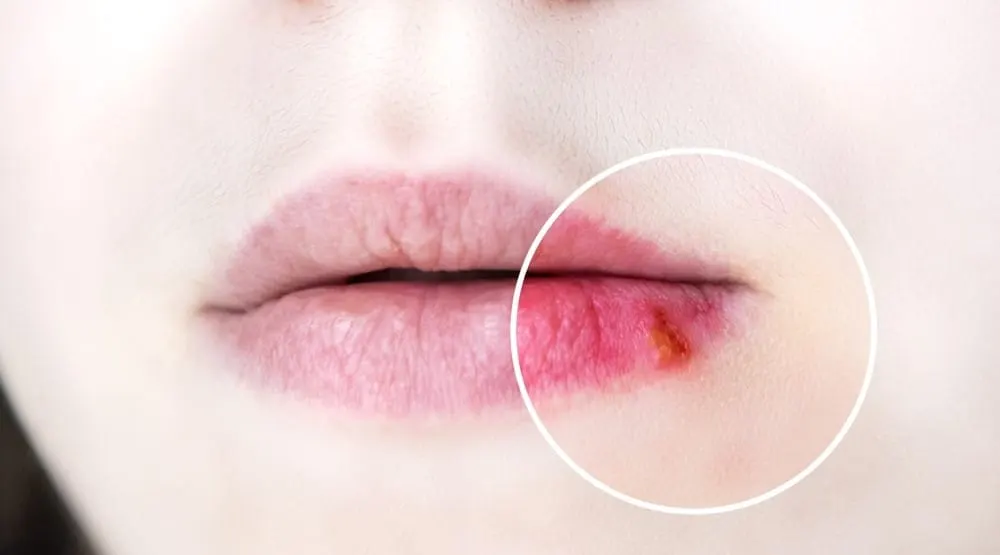
Cold sore, known in medical literature as herpes simplex infection, is a viral infection that manifests as fluid-filled blisters on the skin, mainly around the mouth and in the genital area. Kissing a person infected with the herpes simplex virus and sharing personal items are the main routes of transmission. Cold sore symptoms usually go away on their own within 5 to 7 days. However, some creams and medications may also help with cold sore treatment.
What Is a Cold Sore?
A cold sore is a contagious type of skin infection that causes fluid-filled blisters on the skin. A viral infection, cold sores are caused by a virus called herpes simplex. Herpes simplex virus is a double-stranded DNA virus of the herpesvirus family. The herpes simplex virus, which has two types, HSV-1 and HSV-2, can affect people of all ages and genders. HSV-1 usually causes infection around and inside the mouth, while HSV-2 mainly affects the genital area. Often beginning with symptoms such as itching, burning, and tingling, a cold sore may later cause small fluid-filled blisters. The fluid-filled blisters caused by cold sores usually burst, dry out, and form scabs within 5-7 days.
What Are the Symptoms of a Cold Sore?
Cold sore symptoms may vary depending on factors such as the type of virus causing the cold sore and the person's immune system. Some people infected with herpes simplex virus may have no symptoms at all, or the infection may present with mild symptoms. However, the main symptoms of cold sores are small fluid-filled blisters that appear on different areas of the skin, such as around the eyes and nose, mainly around the mouth and in the genital area. Symptoms usually begin within 3 weeks after a person becomes infected with the virus.
Once the cold sore virus settles in the nerve endings, it can remain dormant for a long time. Therefore, infection symptoms may vary depending on whether the person has previously shown signs of infection. Primary infection usually presents with more severe symptoms, while symptoms of recurrent infection may be milder. In people infected with herpes simplex virus for the first time, symptoms similar to those of the common cold may occur, such as high fever, swollen lymph nodes, fatigue, and weakness. The virus, which remains dormant in the nerve endings, may become active and cause symptoms due to factors such as fever, infectious diseases, or prolonged exposure to sunlight. Accordingly, the main cold sore symptoms are as follows:
High fever,
Loss of appetite,
Muscle and joint pain,
Swelling of the lymph nodes,
Headache,
Pain, tingling, and itching in the infected area,
Small fluid-filled blisters.
In addition to the above, genital cold sores may cause sores in the genital area of men and women due to itching. Oral cold sores and genital cold sores are common symptoms of herpes simplex infection; however, in some patients, eye cold sores may also occur. At this point, to the question “What is an eye cold sore?”, it is possible to answer that it is an infectious disease in which the herpes simplex virus affects the eyes. Among the symptoms of eye cold sores are redness of the eyes, itching, and light sensitivity, as well as blurred vision or changes in vision. If a cold sore in the eye causes changes in visual function, such as blurred vision, it is advisable to consult a specialist doctor without delay.
What Causes a Cold Sore?
The cause of cold sores is herpes simplex virus type 1 and type 2, which belong to the herpesvirus family. The main route of transmission of herpes simplex type 1 virus is kissing a person infected with the virus or sharing personal items such as towels, spoons, and forks. Therefore, being kissed by adults is among the most common causes of cold sores in children and infants. In addition, HSV-2, another cause of cold sores, is transmitted through sexual contact. Therefore, HSV-2 is often considered among sexually transmitted infections.
In addition, if a cold sore occurs during pregnancy, herpes viruses may rarely be transmitted from mother to baby during delivery. Neonatal herpes, also called neonatal cold sore, is according to research a rare condition seen in 10 out of every 100,000 births. However, if it is not diagnosed and treated early, it may cause serious complications, especially impairment of neurological functions.
In addition to herpes simplex types 1 and 2, the herpesvirus family includes more than 100 known types, such as varicella-zoster virus. The varicella-zoster virus, which is known to cause chickenpox, can remain dormant by settling in the nerves for a long time and, years later, become active and cause serious complications, such as a cold sore in the ear and partial facial paralysis.
Cold sores can affect people of all ages and genders. People usually contract the infection caused by HSV-1 virus in infancy or childhood. HSV-2 causes infection through sexual contact or, rarely, transmission from mother to baby during delivery. However, some people may have a higher risk of contracting herpes simplex infection. Accordingly, the main risk factors can be listed as follows:
Women,
Those with multiple partners,
Those who had their first sexual experience at a young age,
Those infected with or previously affected by another sexually transmitted disease,
Those whose immune system is weakened or suppressed for any reason.
In addition to the above, if a breastfeeding mother has a cold sore with an open sore, she may transmit the virus to her baby.
How Is a Cold Sore Diagnosed?
Patients who apply to healthcare facilities with complaints such as redness or itching of the skin are first physically examined by a dermatology specialist. During the physical examination, specialists can usually easily diagnose a cold sore. However, in some cases, specialists may benefit from additional tests, such as blood tests, to rule out other skin infections. By examining a blood sample taken from the patient in a laboratory setting, it can be determined whether the patient has antibodies (molecules that arise as a result of the response the immune system develops against foreign agents) against HSV-1 and HSV-2 in their blood. A positive antibody test may indicate that the person was previously infected with herpes simplex viruses. However, in people who have recently come into contact with the virus, the test may be negative because the immune system has not had enough time to develop antibodies. In this case, specialists may ask for the antibody test to be repeated within 8-12 weeks (2).
How Is a Cold Sore Treated?
Cold sore cases usually heal on their own within 5-7 days, as the blisters dry out and form scabs. However, in patients with frequently recurring infections or severe symptoms, specialists may prescribe antiviral medications during treatment. In addition, some topical creams applied to the skin surface may also help alleviate symptoms. However, research shows that for medications and creams to be effective, it is important to start using them within 1-2 days of the infection. In cases where herpes simplex infection recurs frequently, specialists may recommend various medications to suppress the infection for 6 months to 1 year.
In addition, some methods that can be applied at home may help alleviate the symptoms of the disease. Accordingly, the main methods that can be applied at home for cold sore treatment are as follows:
Applying a cold compress every 4 hours may help reduce the blistering.
Research shows that garlic, which has antiviral components, may help reduce the severity of herpes simplex infection. However, since applying garlic directly to the skin may cause irritation, it is important to dilute it with an oil such as olive oil before applying it.
Keeping the genital area dry and preferring cotton underwear may help alleviate symptoms.
In addition to the above, eating foods rich in vitamins, minerals, omega-3 fatty acids, and antioxidants may help strengthen the immune system and alleviate symptoms.
Frequently Asked Questions
Cold sore is one of the skin infections commonly seen in society. Some of the questions frequently asked about cold sores are addressed below. A cold sore usually heals on its own within an average of 1 week without requiring any treatment. During this period, applying a cold compress and using a cold sore cream or antiviral medication prescribed by a doctor may help the cold sore resolve. Cold sores are a common occurrence during pregnancy. According to research, approximately 75% of women who were previously infected with the herpes simplex virus may show cold sore symptoms again during pregnancy due to stress and certain changes in hormone levels. However, there is no sufficient scientific evidence that pregnancy causes cold sores. In other words, the only way for women who were not previously infected with the cold sore virus to develop a cold sore during pregnancy is to come into contact with an infected person. An inner-lip cold sore usually goes away on its own within 7-10 days without requiring any treatment. In addition, applying a cold compress or using medications or creams recommended by a doctor may help resolve an inner-lip cold sore. As with other cold sores, an eye cold sore can also heal on its own. However, in some cases, specialists may recommend creams applied to the eyelid or antiviral medications. Eye cold sores, like other herpes simplex viruses, are transmitted through contact with an infected person. Touching the eyes without washing hands after contact with an infected person may cause an eye cold sore. Today, there are no vaccines that can help prevent cold sores, including a genital cold sore vaccine. The most effective way to prevent cold sores is to avoid close contact with infected people. Under normal conditions, herpes simplex viruses usually heal on their own within an average of 1 week, but in some cases they may cause serious complications. Therefore, if symptoms such as skin redness or blisters appear, it is advisable to consult a specialist doctor.
Start with the right assessment for What Is a Cold Sore? What Are the Symptoms of a Cold Sore?
Share your symptoms with our specialist physicians; let us determine the right diagnosis and treatment plan together.
Warning
If your symptoms started suddenly, are progressing rapidly, or significantly restrict your daily life, consult a physician without delay.
Plan your What Is a Cold Sore? What Are the Symptoms of a Cold Sore? journey with our specialists.
Fill in the form or book an appointment to learn about treatment options, the process and preparation.